Radiotherapy for lung cancer in Spain — get 3 personalized clinic matches
Radiotherapy for lung cancer in Spain costs $8,000 to $12,500, compared with about $35,000 in the US (Bookimed data, November 2026). Bookimed lists 3 radiotherapy for lung cancer clinics in Spain, in Madrid and Barcelona. These clinics are rated 4.7/5 in 515 verified patient reviews on Bookimed.


Medically reviewed by
Yesim Yildirim
How it works
How Much Does Radiotherapy for lung cancer Cost in Spain?
Radiotherapy for lung cancer in Spain typically costs from $8,000 to $12,500. Total expenses depend on the technology used, number of sessions, and clinic location in cities like Madrid or Barcelona. In the US, this procedure costs $35,000 on average. Private clinics usually cover treatment planning, mapping scans, and radiation sessions in their base price.
- Stereotactic body radiation therapy. This high-precision approach typically starts around $18,100 depending on planning complexity.
- Advanced technology options. Systems like TrueBeam or Tomotherapy generally add 15–30% to standard treatment costs.
- Major medical hubs. Prices in Madrid and Barcelona clinics may be higher than in regional centers.
- Inpatient requirements. Costs increase if the clinical situation requires overnight hospital stays or intensive monitoring.
Bookimed Expert Insight. Choosing large hospital networks often provides access to rare technologies at competitive rates. Hospital Universitario HM Madrid offers the Elekta Versa HD and Novalis accelerators. These systems allow for faster, more precise treatments than older models. Centro Médico Teknon provides JCI-accredited care for complex cases with prices starting approximately $15,000. GenesisCare offers a specialized focus on radiotherapy with packages starting around $8,000.
| Turkey | Austria | Spain | |
|---|---|---|---|
| Radiotherapy for lung cancer | from $4,000 | from $6,500 | from $8,000 |
Discover the Best Radiotherapy for lung cancer Clinics in Spain: 6 Verified Options and Prices








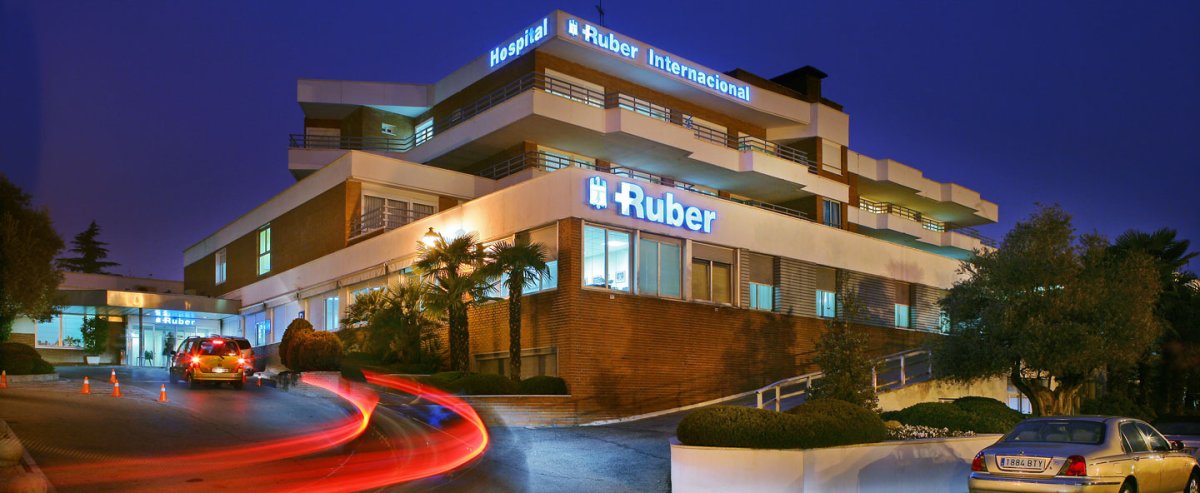






GenesisCare Clinics
Radiotherapy for lung cancer Overview in Spain
- Radiotherapy - from $12,000This therapy uses high-energy waves to destroy cancer cells, providing a non-surgical treatment with few side effects.
- Stereotaxic radiosurgery - from $13,500This therapy targets tumors with precise radiation, avoiding damage to surrounding tissues.
- Radiosurgery of a brain tumor - from $15,000This therapy selectively targets brain tumors, using precise radiation to eliminate cells while sparing surrounding tissue.
- Radiation therapy for colorectal cancer - from $10,000This procedure uses high-energy rays to destroy colorectal cancer cells, an effective and targeted treatment method.
- Radiation therapy for brain tumor - from $12,000This therapy aims to destroy brain tumors using high-energy rays, reducing symptoms and improving survival rates.
- Radiotherapy for throat cancer - from $18,000This therapy aims to destroy throat cancer cells using high-energy radiation, improving survival and symptom control.
- Radiotherapy for prostate cancer - from $17,500This therapy targets prostate tumors with radiation, annihilating cancer cells while preserving healthy tissue.
- Radiotherapy for lung cancer - from $8,000This therapy aims to kill cancer cells in the lungs using high-energy x-rays.
- Radiotherapy for breast cancer - from $12,000This therapy aims to eliminate cancer cells in the breast using controlled radiation.
- Radiotherapy for uterine cancer - from $18,000This therapy targets damaging uterine cancer cells, involving multiple sessions of radiation, often resulting in high success rates.
- Radiotherapy for cervical cancer - from $18,000A non-invasive procedure uses high-energy beams to destroy cervical cancer cells.
- Radiation therapy for stomach cancer - from $17,000This therapy kills stomach cancer cells using high-energy rays, offering a targeted, non-surgical treatment option.
- Radiation therapy for testicular cancer - from $4,000This therapy targets cancer cells in testicles using high-energy beams, destroying them while sparing healthy tissue.
- Radiation therapy for kidney cancer - from $6,000This therapy uses high-energy rays to destruct kidney cancer cells, providing a non-surgical, targeted treatment option.
- Radiation therapy for esophageal carcinoma - from $6,000This therapy targets esophageal cancer cells with high-energy rays, destroying them while sparing healthy tissues.
- Radiation therapy for bowel cancer - from $5,000This therapy targets harmful cells in the bowel, eliminating them with precise, high-energy rays to combat cancer.
- Radiation therapy for ovarian cancer - from $9,000The therapy uses high-energy rays to destroy cancer cells, targeting only the ovaries, thus minimizing side effects.
- Radiation Therapy for Sarcomas - from $12,000This therapy targets and destroys sarcoma cells, using controlled radiation, preserving surrounding tissue, for effective, non-invasive treatment.
- Radiation therapy for Brain Tumor - from $7,000This therapy uses high-energy rays to destroy or shrink malignant cells, sparing healthy brain tissue.
Day 1
- Arrival in the country and transfer to the hotel.
Day 2
- Transfer to the clinic for initial consultation.
- Meeting with the radiation oncologist for treatment planning.
- Undergo necessary medical tests like CT scan, blood tests.
Day 3
- Preparation for radiotherapy, including mold or mask making.
- Marking the area for radiation with temporary tattoos.
Day 4 to Day 20
- Undergoing radiotherapy, typically lasting 15-30 minutes.
- No anesthesia is required for these sessions.
- Each session is conducted 5 days a week.
Day 21
- Final consultation with the oncologist post-treatment.
- Guidance for post-operation care and follow-up is given.
Day 22
- Transfer to the airport for departure.
Week 1 to Week 6 post-operation
- Rest and recovery at home.
- Follow-up consultation with local healthcare provider.
Week 6 onwards
- Gradual resumption of work and other activities as per comfort.
Please note that each patient"s recovery process may vary based on individual circumstances and overall health condition.
- Bookimed deposit: $200 or €200.
- Clinic deposit: Pay a set percentage in advance.
Our Doctors
View all Doctors
Carlos Vergés Roger
Dr. Vergés brings decades of leadership in ophthalmology, including pioneering research on tear secretion mechanisms that earned him the National Research Prize.
- Director of Ophthalmology Service at Dexéus University Hospital
- Specializes in cataract surgery and neurophysiological mechanisms of vision
- Recipient of multiple international awards for surgical innovations
- Member of prestigious societies including ISRS and AAO
- Published extensively in leading ophthalmology journals

Raimon Miralbell
Dr. Raimon Miralbell leads the Radiation Oncology Department at Centro Médico Teknon. He focuses on prostate cancer treatment. He conducts research with CERN, the European Organization for Nuclear Research. Dr. Miralbell trained at Harvard Cyclotron Laboratory and the Royal Marsden Hospital.
- Uses targeted techniques like Gammaknife, Cyberknife, SIRT, and IMRT.
- Authored over 100 scientific publications on prostate cancer and proton therapy.
- Winner of the Varian Award from the Swiss Society of Radiobiology.
- Treats patients at Centro Médico Teknon, a JCI-accredited facility in Barcelona.

Luis Madero
Dr. Luis Madero is the Head of Pediatric Hemato-Oncology at Quironsalud Madrid University Hospital. He specializes in treating complex blood disorders and performing bone marrow transplants. Dr. Madero serves as a Professor of Pediatrics at the Autonomous University of Madrid. He works at Quironsalud Madrid, which Newsweek ranked among the World's Best Hospitals.
- Edited 14 books and contributed to 75 book chapters on pediatric oncology.
- Treats leukemia, lymphoma, multiple myeloma, and sickle cell disease.
- Member of the Spanish Association of Pediatric Hematology and Oncology.
- Former Head of Oncology at the Sanitas Group and Nino Jesus Hospital.
Video Stories from Bookimed Patients
Reviews about Bookimed: Discover Patients' Insights
All reviews


Share this content
 Anna Leonova

FAQ about Radiotherapy for lung cancer in Spain
What are the main types of radiotherapy used for lung cancer in Spain?
Lung cancer treatment in Spain utilizes External Beam Radiotherapy (EBRT), Intensity-Modulated Radiotherapy (IMRT), and Stereotactic Body Radiotherapy (SBRT/CyberKnife). High-precision clinics in Madrid and Barcelona follow Joint Commission International standards to deliver targeted ablation for early-stage tumors and combined therapies for advanced cases.
- Available techniques: IMRT, VMAT, and Tomotherapy provide precise tumor shaping.
- Advanced modalities: SBRT and CyberKnife deliver high-dose radiation to small lesions.
- Internal options: Brachytherapy offers localized radiation directly inside or near the tumor.
- Motion management: Spanish centers use 4D radiotherapy to track tumors during respiration.
Bookimed Expert Insight: Spanish oncology centers effectively integrate advanced hardware like CyberKnife and Tomotherapy into standard protocols. While many facilities offer basic radiotherapy, high-volume clinics like Hospital HM Nou Delfos and Hospital Ruber Internacional maintain specialized units for non-surgical tumor ablation. This technological density supports complex stage 3 and 4 cases that require precise dose escalation without increasing toxicity to the heart.
Patient Consensus: Patients emphasize the importance of verifying if a clinic offers IMRT to protect surrounding healthy tissue. Many successfully combine standard fractionated sessions with chemotherapy to manage symptoms and improve outcomes.
How effective is radiotherapy for lung cancer?
Radiotherapy is highly effective for lung cancer, particularly with modern techniques like Stereotactic Body Radiation Therapy (SBRT). It offers a 95% success rate for killing early-stage tumors. In Spain, Joint Commission International-accredited centers achieve surgical-level outcomes for inoperable cases through local oncology expertise.
- Early-stage effectiveness: SBRT provides 95% tumor control for localized, non-small cell lung cancer cases.
- Advanced stage control: Combined radiotherapy and chemotherapy protocols show strong potential for achieving clinical remission.
- Metastatic management: Focused radiation effectively stabilizes symptoms and controls growth in brain or spine metastases.
- Precision technologies: Clinics like Hospital Ruber Internacional utilize CyberKnife and Tomotherapy to protect healthy tissue.
Bookimed Expert Insight: Spain’s oncology landscape offers a unique advantage for complex cases. Large hospital networks like Quironsalud and HM Hospitales provide patients access to clinical trials. These programs often combine radiotherapy with experimental targeted therapies. This integrative approach frequently serves patients who have exhausted standard treatment options elsewhere.
Patient Consensus: Patients often find radiation therapy physically easier to tolerate than traditional chemotherapy. Most report significant relief from localized symptoms and value the personalized strategies used for stage 4 management.
What side effects are common with radiotherapy for lung cancer?
Radiotherapy for lung cancer typically causes localized skin irritation, fatigue, and inflammation of the esophagus or lungs. Most side effects appear within 1 week of starting treatment. These symptoms generally improve within a few weeks after therapy ends, though some patients experience long-term breathing or swallowing limitations.
- Esophageal inflammation: Causes painful swallowing or heartburn, often managed with viscous lidocaine.
- Persistent fatigue: Intense exhaustion commonly occurs as the body repairs healthy tissues.
- Respiratory changes: Radiation pneumonitis may cause a dry cough or shortness of breath.
- Skin reaction: Targeted areas often become red, dry, or itchy, similar to sunburn.
Bookimed Expert Insight: Advanced technologies like CyberKnife and Tomotherapy available at Spanish centers, including Hospital Ruber Internacional and GenesisCare, significantly reduce healthy tissue exposure. While traditional radiation involves weeks of daily visits, SBRT (Stereotactic Body Radiotherapy) can often be completed in 1 to 5 sessions, minimizing the duration of acute side effects like nausea and skin burning.
Patient Consensus: Patients report that fatigue is the most universal challenge, often requiring significant rest. Many also find that keeping acid reflux medication or specialized mouthwashes on hand is essential for managing throat discomfort during the middle of the treatment cycle.
How long does a radiotherapy treatment course last for lung cancer in Spain?
Radiotherapy treatment for lung cancer in Spain typically lasts 4 to 7 weeks for curative purposes. Courses are generally delivered over 5 sessions per week. Palliative care for symptom relief is shorter, often completed in 1 to 2 weeks using advanced techniques like CyberKnife or Tomotherapy.
- Curative timeframe: Standard treatment usually requires 4 to 7 weeks of daily weekday sessions.
- Palliative duration: Symptom relief courses typically conclude within 1 to 2 weeks of treatment.
- SBRT protocols: Early-stage inoperable cases may finish in 1 to 2 weeks with high-dose sessions.
- Session length: Individual sessions last 10 to 30 minutes including precise patient positioning steps.
Bookimed Expert Insight: Spain’s top oncology centers, such as Hospital Ruber Internacional and HM Nou Delfos, leverage redundant radiation units to ensure no treatment gaps. This is vital because missing sessions can reduce curative effectiveness. Many Madrid clinics also allow participation in clinical trials, potentially adding experimental systemic therapies to standard radiation timelines.
Patient Consensus: Patients emphasize that while the radiation session itself is fast, the total time in Spain can extend if combined with chemotherapy or immunotherapy. Most value the personalized scheduling that allows weekends for recovery between active treatment blocks.
Which are the top centers for lung cancer radiotherapy in Spain?
Top centers for lung cancer radiotherapy in Spain include GenesisCare Madrid, Hospital Ruber Internacional, and Hospital HM Nou Delfos. These facilities utilize CyberKnife and Tomotherapy within Joint Commission International (JCI) and ISO-accredited environments. Spain serves as a European hub for non-surgical tumor treatment using precision oncology protocols.
- GenesisCare Madrid: Clinical network treating 15,000 patients annually using CyberKnife, Tomotherapy, and Brachytherapy.
- Hospital Ruber Internacional: Ranked top 6 by Forbes Spain with JCI accreditation and Gamma Knife technology.
- Hospital HM Nou Delfos: Barcelona-based center featuring two specialized units for radiotherapy without surgical intervention.
- Proton Therapy Centre: Modern Madrid facility providing advanced proton beam treatment for complex thoracic tumors.
Bookimed Expert Insight: Patient volume often reveals the most experienced technical teams. GenesisCare treats 15,000 patients yearly across its network. Meanwhile, Hospital HM Nou Delfos manages 400,000 annual visits. High-volume centers in Madrid and Barcelona typically offer faster access to multidisciplinary tumor boards.
Patient Consensus: Patients recommend contacting international offices in Madrid and Barcelona directly for second opinions. Verification via official medical directories is preferred over general forum advice for selecting specialists.
Can I access proton therapy for lung cancer in Spain?
Patients can access proton therapy for lung cancer in Spain at specialized private centers in Madrid and Navarra. These facilities utilize Proteus ONE technology for precise tumor targeting. The national health system is currently expanding, with 10 additional units being installed throughout the country.
- Available technology: Facilities like Quironsalud Madrid use high-precision synchrotron systems for targeting.
- Clinical benefits: Treatment helps reduce late toxicity by sparing the heart and spinal cord.
- Hospital accreditations: Top centers hold JCI and Newsweek Best Hospitals 2021 certifications.
- Alternative options: Facilities like Hospital Ruber Internacional provide advanced CyberKnife and Gamma Knife ICON.
Bookimed Expert Insight: While proton therapy is a major draw, Spain’s radiotherapy landscape is highly diversified. Clinics like GenesisCare and Hospital Ruber Internacional prioritize non-surgical precision via Tomotherapy and CyberKnife. Data indicates these alternatives are often more accessible for lung cancer patients who do not meet the strict clinical criteria for proton beam reimbursement.
Patient Consensus: Patients often note that Spanish oncologists may prioritize long-term toxicity reduction over aggressive imaging. Many recommend confirming whether your insurance covers this elective treatment before traveling for care.
Is it possible for an international patient to get radiotherapy in Spain?
International patients can readily access advanced radiotherapy in Spain through its premier private healthcare network. Leading oncology centers in Madrid and Barcelona provide specialized techniques like CyberKnife and Tomotherapy, often utilizing Joint Commission International (JCI)-accredited facilities that cater specifically to international medical travelers seeking high-precision cancer care.
- Advanced technologies: Clinics utilize CyberKnife ICON, Tomotherapy, and brachytherapy for non-surgical lung tumor treatment.
- Accredited facilities: Top hospitals like Centro Médico Teknon hold Joint Commission International (JCI) gold seals.
- Specialized centers: Madrid-based Hospital Ruber Internacional is ranked among Spain top 6 hospitals by Forbes.
- High volume: Large networks like HM Hospitales manage over 2.3 million outpatient visits every year.
Bookimed Expert Insight: Spain offers a unique balance of high-end technology and significant value. While the US average for radiotherapy is $35,000, Spanish clinics provide the same level of care for $12,000 to $21,800. This represents approximately 71% savings without compromising on equipment quality, as many centers like Hospital HM Nou Delfos invest in the latest EOS imaging and 3-Tesla MRI systems.
Patient Consensus: Accessing these treatments requires paying non-resident charges at private clinics since public healthcare is restricted. Patients recommend coordinating directly with Spanish specialists to verify insurance coverage before travel.