Radiotherapy for throat cancer in Spain — get 3 personalized clinic matches

Medically reviewed by
Yesim Yildirim
How it works
How Much Does Radiotherapy for throat cancer Cost in Spain?
Radiotherapy for throat cancer in Spain costs from $18,000 to $22,000 on average. The final price depends on the radiotherapy technique, number of sessions, and the clinic category. In the US, this procedure costs $45,000 on average. Standard packages typically cover the initial consultation, treatment planning, and daily radiation sessions in major medical hubs like Madrid and Barcelona.
- Advanced technologies. Techniques like Tomotherapy or IMRT typically add 20–30% to the total cost.
- Private sector rates. Private clinic prices in Madrid or Barcelona often run higher than regional centers.
- Specialized equipment. Using Novalis linear accelerators or Elekta Versa HD may increase the baseline fee.
- International patient services. Premium clinics include multi-language support and airport transfers in their total price.
Bookimed Expert Insight. Choosing a facility within a large network like Quirónsalud or HM Hospitales provides access to the latest Elekta and Varian accelerators. Centro Médico Teknon offers specialized care for complex cases with prices ranging approximately $18,000 to $22,000. GenesisCare Clinics provide a vast network of 21 departments starting around $10,000 for standard radiotherapy. For advanced sinus or skull base cases, HM Hospital Universitario Madrid uses the unique StealthStation ENT Navigation System.
| Turkey | Austria | Spain | |
|---|---|---|---|
| Radiotherapy for throat cancer | from $6,000 | from $6,700 | from $18,000 |
Discover the Best Radiotherapy for throat cancer Clinics in Spain: 8 Verified Options and Prices







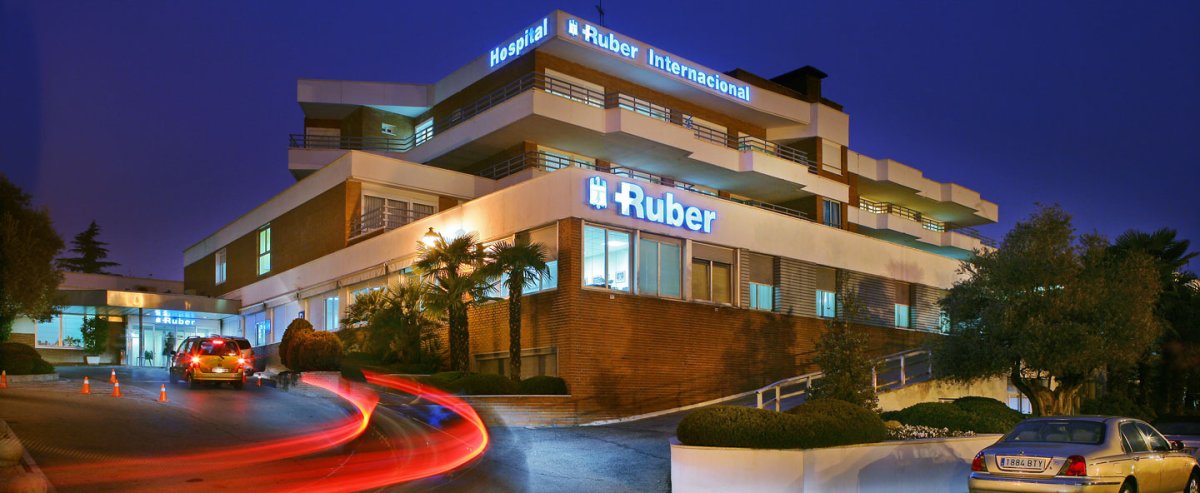



Hospital Quiron Barcelona
Enriqueta Felip












GenesisCare Clinics
Radiotherapy for throat cancer Overview in Spain
- Radiotherapy - from $5,000This therapy uses high-energy waves to destroy cancer cells, providing a non-surgical treatment with few side effects.
- Stereotaxic radiosurgery - from $13,500This therapy targets tumors with precise radiation, avoiding damage to surrounding tissues.
- Radiosurgery of a brain tumor - from $15,000This therapy selectively targets brain tumors, using precise radiation to eliminate cells while sparing surrounding tissue.
- Radiation therapy for colorectal cancer - from $10,000This procedure uses high-energy rays to destroy colorectal cancer cells, an effective and targeted treatment method.
- Radiation therapy for brain tumor - from $12,000This therapy aims to destroy brain tumors using high-energy rays, reducing symptoms and improving survival rates.
- Radiotherapy for throat cancer - from $18,000This therapy aims to destroy throat cancer cells using high-energy radiation, improving survival and symptom control.
- Radiotherapy for prostate cancer - from $17,800This therapy targets prostate tumors with radiation, annihilating cancer cells while preserving healthy tissue.
- Radiotherapy for lung cancer - from $8,000This therapy aims to kill cancer cells in the lungs using high-energy x-rays.
- Radiotherapy for breast cancer - from $15,000This therapy aims to eliminate cancer cells in the breast using controlled radiation.
- Radiotherapy for uterine cancer - from $18,000This therapy targets damaging uterine cancer cells, involving multiple sessions of radiation, often resulting in high success rates.
- Radiotherapy for cervical cancer - from $18,000A non-invasive procedure uses high-energy beams to destroy cervical cancer cells.
- Radiation therapy for stomach cancer - from $17,000This therapy kills stomach cancer cells using high-energy rays, offering a targeted, non-surgical treatment option.
- Radiation therapy for testicular cancer - from $4,000This therapy targets cancer cells in testicles using high-energy beams, destroying them while sparing healthy tissue.
- Radiation therapy for kidney cancer - from $6,000This therapy uses high-energy rays to destruct kidney cancer cells, providing a non-surgical, targeted treatment option.
- Radiation therapy for esophageal carcinoma - from $6,000This therapy targets esophageal cancer cells with high-energy rays, destroying them while sparing healthy tissues.
- Radiation therapy for bowel cancer - from $5,000This therapy targets harmful cells in the bowel, eliminating them with precise, high-energy rays to combat cancer.
- Radiation therapy for ovarian cancer - from $9,000The therapy uses high-energy rays to destroy cancer cells, targeting only the ovaries, thus minimizing side effects.
- Radiation Therapy for Sarcomas - from $12,000This therapy targets and destroys sarcoma cells, using controlled radiation, preserving surrounding tissue, for effective, non-invasive treatment.
- Radiation therapy for Brain Tumor - from $7,000This therapy uses high-energy rays to destroy or shrink malignant cells, sparing healthy brain tissue.
Day 1
- Arrive at the hospital.
- Consult with your oncologist.
- Undergo a physical examination.
Day 2
- Complete blood tests.
- Take imaging tests like CT or PET scans.
Day 3
- Undergo a biopsy if necessary.
- Discuss results and treatment plan with oncologist.
Day 4
- Customized mask for radiotherapy is prepared.
- Simulation of radiotherapy process is done.
Week 1 - Week 7
- Undergo daily radiotherapy sessions (30 minutes each).
- Regular check-ups with oncologist.
- Adjustments made to treatment plan if needed.
Week 8
- Post-treatment consultation with oncologist.
- Assessment of treatment response through tests.
Week 9 - Week 12
- Begin rehabilitation with speech and swallowing therapy.
- Attend regular follow-up appointments.
Week 13 onwards
- Gradual return to work and normal activities.
- Continue regular medical check-ups.
Please note, each patient"s treatment plan and recovery timeline may vary based on the severity of the illness, overall health condition, and response to treatment.
- Bookimed deposit: $200 or €200.
- Clinic deposit: Pay a set percentage in advance.
Our Doctors
View all Doctors
Raimon Miralbell
Professor Raimon Miralbell is a world-renowned expert in radiation oncology, specializing in focused radiosurgery techniques like Gammaknife and Cyberknife.
- Head of Radiation Oncology at Centro Médico Teknon since 1999
- Trained at prestigious institutions including Harvard Cyclotron Laboratory and Royal Marsden Hospital
- Recipient of Varian Award for Radiation Oncology
- Author of over 100 scientific publications
- Member of Swiss Society of Radiation Oncology

Luis Madero
Dr. Luis Madero is the Head of Pediatric Hemato-Oncology at Quironsalud Madrid University Hospital. He specializes in treating complex blood disorders and performing bone marrow transplants. Dr. Madero serves as a Professor of Pediatrics at the Autonomous University of Madrid. He works at Quironsalud Madrid, which Newsweek ranked among the World's Best Hospitals.
- Edited 14 books and contributed to 75 book chapters on pediatric oncology.
- Treats leukemia, lymphoma, multiple myeloma, and sickle cell disease.
- Member of the Spanish Association of Pediatric Hematology and Oncology.
- Former Head of Oncology at the Sanitas Group and Nino Jesus Hospital.
Enriqueta Felip
Dr. Enriqueta Felip is a clinical oncologist at Hospital Quiron Barcelona. She lead the 20th WCLC Congress as co-chair. Dr. Felip manages thoracic malignancies and oversees cancer clinical trials. She earned her medical degree and PhD from the Autonomous University of Barcelona.
- President of the Oncology Commission at Vall d’Hebron University Hospital.
- Winner of the first ESMO Women for Oncology Award.
- Former Vice-President of the Spanish Society of Medical Oncology.
- Served on the Board of Directors for the International Association for the Study of Lung Cancer.
Video Stories from Bookimed Patients
Reviews about Bookimed: Discover Patients' Insights
All reviews


Share this content
 Anna Leonova
FAQ about Radiotherapy for throat cancer in Spain
What are the risks and side effects of radiotherapy for throat cancer?
Radiotherapy for throat cancer affects healthy surrounding tissues, causing acute effects like oral mucositis, fatigue, and skin irritation. Chronic risks include long-term dysphagia, xerostomia, and hypothyroidism. Spanish centers manage these using advanced technologies like Intensity-Modulated Radiation Therapy (IMRT) and CyberKnife to maximize tissue preservation.
- Acute oral mucositis: Throat inflammation peaks 2–3 weeks after treatment, often requiring specialized soft-food diets.
- Xerostomia risks: Radiation may permanently reduce saliva, increasing the risk for tooth decay and gum disease.
- Endocrine impact: Thyroid gland exposure can lead to hypothyroidism, needing lifelong hormone replacement medication.
- Lymphedema and stiffness: Chronic neck swelling or jaw locking (trismus) may limit mobility after completing therapy.
Bookimed Expert Insight: While basic radiotherapy costs $5,000 in Spain, choosing a JCI-accredited facility like Centro Médico Teknon or Hospital Ruber Internacional provides access to CyberKnife and Gamma Knife ICON. These targeted systems significantly reduce healthy tissue exposure compared to standard beams. Leading specialists like Dr. Raimon Miralbell utilize Harvard-trained protocols to minimize late-stage side effects like permanent swallowing difficulties.
Patient Consensus: Patients emphasize that fatigue and taste loss are often debilitating, so early nutritional support via PEG tubes is frequently recommended. Consistent neck stretching and high-fluoride dental care are vital for maintaining long-term quality of life.
What qualifications and expertise do Spanish radiotherapy centers have for throat cancer treatment?
Spanish radiotherapy centers offer premier qualifications for throat cancer, featuring Joint Commission International accreditation and specialists trained at Harvard and the Royal Marsden. Expert teams utilize advanced IMRT, CyberKnife, and proton therapy to target tumors while preserving vocal functions and swallowing mechanics.
- Specialized certifications: Leading oncologists hold European Society for Radiotherapy and Oncology (ESTRO) credentials and university doctorates.
- Advanced technology: Facilities use Gamma Knife ICON and CyberKnife for precise, non-invasive throat tumor treatment.
- Global rankings: Clinics like Hospital Ruber Internacional and Teknon frequently appear in Newsweek World Best Hospitals.
- Multidisciplinary care: Treatment involves integrated teams combining radiotherapy with immunotherapy or chemotherapy for better outcomes.
Bookimed Expert Insight: Spain’s expertise often bridges high-end clinical research with patient care. For instance, Prof. Dr. Raimon Miralbell at Centro Médico Teknon collaborates with CERN on nuclear research for medical applications. This level of academic integration ensures patients access cutting-edge radiation protocols before they become global standards.
Patient Consensus: Patients emphasize verifying the clinic’s experience with HPV-related throat cancer. They recommend prioritizing centers that offer chemoradiotherapy, as this combined approach shows high cure rates.
What is the success rate and prognosis for throat cancer treated with radiotherapy in Spain?
Throat cancer radiotherapy in Spain achieves high success rates, with early-stage cure rates reaching 97%. Advanced-stage 5-year survival ranges from 50% to 80%. Comprehensive treatment protocols in Joint Commission International accredited centers facilitate a 62% larynx preservation rate, successfully avoiding permanent voice box removal.
- Early-stage success: Cure rates for vocal cord tumors reach 97% using precision radiotherapy.
- Advanced survival: Comprehensive 5-year survival for advanced cases ranges from 50% to 80%.
- Organ preservation: Chemoradiotherapy protocols allow 62% of patients to keep their functional larynx.
- Advanced technology: Clinics utilize Intensity-Modulated Radiation Therapy (IMRT) and Proton therapy for targeted treatment.
Bookimed Expert Insight: Spanish oncology centers like Centro Médico Teknon and Hospital Ruber Internacional leverage multidisciplinary expertise. Prof. Dr. Raimon Miralbell conducts CERN-related research to improve radiation precision. Clinics in Madrid and Barcelona often combine CyberKnife technology with specialized head and neck surgery to maximize functional outcomes. This collaborative approach translates to 74.6% of patients maintaining a fully functional voice after treatment completion.
Patient Consensus: Patients report high survival probabilities but emphasize the physical toll of therapy. Stable test metrics and full remission are achievable even for advanced-stage diagnoses through modern targeted protocols.
Am I a suitable candidate for radiotherapy for throat cancer?
Suitability for throat cancer radiotherapy in Spain depends on your cancer stage, tumor location, and health status. You are likely a candidate if you have early-stage cancer, require post-surgery cell elimination, or have unresectable tumors that cannot undergo surgical removal.
- Treatment goals: Radiotherapy serves as primary care or adjuvant therapy after surgery.
- Advanced modalities: Spanish centers offer Intensity-Modulated Radiation Therapy (IMRT) and Proton therapy.
- Recovery period: Patients typically experience a recovery timeline lasting up to 3 months.
- Expert evaluation: Specialized radiation oncologists at Joint Commission International-accredited clinics determine final eligibility.
Bookimed Expert Insight: Spain stands out for high-tech access; Hospital Ruber Internacional alone uses Gamma Knife ICON and CyberKnife. While basic radiation is common, choosing clinics with these technologies minimizes healthy tissue damage. In Barcelona, Dr. Raimon Miralbell at Centro Médico Teknon applies nuclear research expertise to optimize these precise treatments.
Patient Consensus: Many patients emphasize that managing side effects like sore throat and fatigue requires constant hydration. Practical tips include using salt water gargles rather than alcohol-based mouthwashes to avoid irritation.
What radiotherapy techniques are used for throat cancer in Spain?
Radiotherapy for throat cancer in Spain utilizes advanced, organ-preserving techniques like Intensity-Modulated Radiation Therapy (IMRT) and Volumetric Modulated Arc Therapy (VMAT). Leading Joint Commission International-accredited centers in Madrid and Barcelona also offer Proton Therapy and CyberKnife stereotactic radiosurgery to target tumors while protecting vital neck structures and voice functions.
- Precision beams: IMRT and VMAT reshape radiation to spare swallowing muscles and salivary glands.
- Proton therapy: Targeted particles stop at the tumor, minimizing radiation exposure to healthy tissues.
- Standard protocol: Treatment typically requires 30 to 35 sessions for head and neck malignancies.
- Advanced radiosurgery: CyberKnife delivers high doses in fewer sessions for specific or recurrent cases.
Bookimed Expert Insight: Spanish oncology centers like Centro Médico Teknon often bridge laboratory research with clinical care. Dr. Raimon Miralbell even collaborates with CERN on nuclear research. This connection gives patients access to precision methods that are significantly more targeted than standard external beam radiation.
Patient Consensus: Patients emphasize verifying if IMRT is included to protect their voice and swallowing. They suggest coordinating concurrent chemotherapy schedules early, as this is the common standard of care.
What is the recovery timeline and follow-up protocol after throat cancer radiotherapy?
Throat cancer radiotherapy recovery in Spain typically lasts 6–12 months, with peak side effects occurring within the first 2 weeks. Patients generally regain the ability to swallow solids within 10 days to 2 months. Taste return typically begins after 2–3 months, often reaching 85% recovery by 6 months.
- Early recovery phase: Symptoms may worsen for 3 weeks post-treatment before gradual improvement begins.
- Swallowing restoration: Initial solid food intake is possible within 10 days to 2 months.
- Taste and saliva: Taste improves by 3 months; saliva reaches 90% normalcy by 12 months.
- Follow-up schedule: Checkups occur every 1–3 months initially, then transition to annual monitoring.
- Diagnostic monitoring: Pet-ct scans are usually performed 3 months post-treatment to assess response.
Bookimed Expert Insight: Spanish oncology centers like Centro Médico Teknon integrate nuclear research collaborations into clinical practice. This high-level expertise is why top radiation oncologists can provide such precise 6-month benchmarks for taste and saliva recovery. These specific data points help patients manage expectations much better than general timelines.
Patient Consensus: Many find the transition to solid foods challenging and recommend keeping feeding tubes until tolerating 2 weeks of oral intake. Patients emphasize that managing radiation fatigue through gentle exercise is just as important as using oral rinses for burns.
How long do international patients need to stay in Spain for throat cancer radiotherapy?
International patients typically stay in Spain for 8 to 10 weeks for throat cancer radiotherapy. This includes a 5 to 7 week active treatment course and a mandatory 3-week post-treatment observation period to manage peak side effects before safely traveling home.
- Treatment cycle: Daily sessions occur Monday through Friday for 5 to 7 consecutive weeks.
- Peak symptom window: Side effects often peak 7 to 10 days after the final session.
- Post-treatment buffer: Medical teams recommend staying 3 weeks after completion for acute recovery.
- Hospitalization needs: Most care is outpatient, but patients may require 1 to 3 days inpatient.
Bookimed Expert Insight: Spanish oncology centers like Centro Médico Teknon and Hospital Quiron Barcelona offer advanced technologies like CyberKnife and Proton therapy. Choosing these precise methods can sometimes reduce the overall treatment duration compared to conventional radiotherapy. Coordination with specialists like Dr. Raimon Miralbell, who has international experience at Harvard and CERN, ensures that foreign patients receive highly optimized protocols that prioritize travel safety.
Patient Consensus: Patients advise against traveling immediately after the final session due to significant fatigue. Many recommend discussing feeding tube options early to maintain nutrition during the peak symptom phase.