Replacement of the aortic valve in Thailand: costs, clinics and reviews
Replacement of the aortic valve in Thailand costs $25,000 / ฿850,000 to $38,000 / ฿1,292,000, compared with about $117,500 / ฿3,995,000 in the US (Bookimed data, November 2026). It is offered by Bumrungrad International Hospital, an ISO-certified and JCI-accredited clinic in Bangkok. The clinic is rated 4.6/5 in 131 verified patient reviews on Bookimed.

Last updated: Nov 25, 2026
Medically reviewed by
Hasim Ustunsoy
How it works
Bookimed is free for patients – clinics pay us a commission, and you pay the clinic its own price with no markup. Five steps to your aortic valve replacement in Thailand:
Share your case
Tell us about your condition and share your latest scans and medical reports.
Get treatment plans
Your coordinator finds clinics that match your needs and helps you choose. Your preferred clinics then send personalized treatment plans and quotes for you to compare.
Plan your trip
We set treatment dates that work for you and help arrange your flights and accommodation. If needed, we request a visa support letter from the clinic.
Visit the clinic
The clinic team performs your aortic valve replacement on the agreed dates. We support you throughout your trip.
Recover at home
You can fly home 2–3 weeks after surgery, with recovery and symptom improvement over 3–6 months. Your coordinator stays in touch and helps arrange a follow-up if you need one.
Some clinics ask for a deposit. A $200 or €200 deposit paid through Bookimed comes off your clinic bill and is refundable up to 10 calendar days before your visit. A deposit paid to the clinic follows its own terms.
Replacement of the aortic valve Prices by Clinic in Thailand












Get matched with the best doctors for Replacement of the aortic valve
Tell us about your needs — and get 3 tailored offers from top doctors for you.
Have you ever had heart valve replacement surgery?
Direct prices from clinics
Free evaluation of your medical case
Free personal assistance 24/7
Thailand Replacement of the aortic valve overview
Cost and clinics
| Typical replacement of the aortic valve price in Thailand | Clinics | Accreditations | Cities |
|---|---|---|---|
| $25,000 / ฿850,000–$38,000 / ฿1,292,000 | 2 clinics | ISO (2 clinics), JCI (2), GHA (1), TEMOS (1) | Bangkok (1 clinic), Pattaya (1) |
The procedure
| Before the trip | Time in Thailand | Operation time | Anesthesia | Back to desk work | Final result |
|---|---|---|---|---|---|
| Have cardiac and dental assessments and stop smoking before surgery | 12–24 days, including 5–10 nights in hospital | 3–5 hours | General | 6–13 weeks | 3–6 months |
How much does a Replacement of the aortic valve cost in Thailand?
In Thailand, aortic valve replacement ranges from $25,000 / ฿850,000 to $38,000 / ฿1,292,000. The final quote depends on valve type, surgical approach, hospital, intensive-care stay, and additional procedures.
In Thailand, aortic valve replacement ranges from $25,000 / ฿850,000 to $38,000 / ฿1,292,000. The final quote depends on valve type, surgical approach, hospital, intensive-care stay, and additional procedures. In the US, this procedure costs $117,500 / ฿3,995,000 on average. Quotes may include preoperative tests, the valve, surgeon and anesthesia fees, operating-room charges, intensive care, and inpatient care. Bookimed-listed hospitals are in Bangkok and Pattaya.
- Valve type. Mechanical and tissue valves have different purchase costs, affecting the total.
- Surgical approach. TAVI may cost 20–40% more than traditional open-heart surgery.
- Hospital stay. Longer intensive-care or ward stays can increase hospital charges.
- Additional procedures. Adding bypass surgery or treating other conditions can raise the total estimate.
Bookimed Expert Insight. A listed hospital quote can inform planning. It should not be treated as a nationwide tariff. Bumrungrad International Hospital in Bangkok lists approximately $25,000–$38,000. Its rating is 4.6 from 88 reviews. Bangkok Hospital Pattaya is listed for cardiology, but no procedure price appears. Patients can request estimates clarifying valve, intensive-care, and hospital-stay inclusions.
| Thailand | Turkey | Austria | |
|---|---|---|---|
| Replacement of the aortic valve | from $25,000 / ฿850,000 | from $12,000 / ฿408,000 | ≈ $32,000 / ฿1,088,000 |
How to choose a Replacement of the aortic valve clinic in Thailand
For replacement of the aortic valve in Thailand, narrow the clinic choice by city, compare starting quotes, confirm who will perform the procedure, assess qualifications and facilities, and arrange follow-up before booking.
What to check
Choose by city
Bookimed lists 2 clinics for replacement of the aortic valve in Thailand – the top-ranked ones are in Bangkok, Pattaya.Compare quote scope
For the same treatment scope, the highest starting clinic quote on Bookimed in Thailand is about 1.5 times the lowest.Procedure responsibility
During consultation, ask whether the surgeon you meet will carry out the technique you need for replacement of the aortic valve, and discuss your medical history and questions.Credentials and setting
Ask about the surgeon’s qualifications and training, including whether they are licensed by the Medical Council of Thailand – favor centers experienced in heart valve surgery and facilities whose standards satisfy you.After-travel arrangements
Before departure, confirm how follow-up and complication care will be handled once you are home.
Discover Replacement of the aortic valve Clinics in Thailand
| Clinic Name | Patient Rating | About | Accreditations | Lead Doctor | Techniques |
|---|---|---|---|---|---|
| Bumrungrad International Hospital Bangkok | 4.6 (131 reviews) | Bumrungrad International Hospital performs over 1 million procedures annually, with a dedicated heart surgery department. Replacement of the aortic valve typically costs around $33,800–$40,000. The hospital is recognized among the top 10 globally and serves patients from 190+ countries. | ISO, JCI, GHA | — | Replacement of the aortic valve, Echocardiography, Consultation with a heart surgeon |
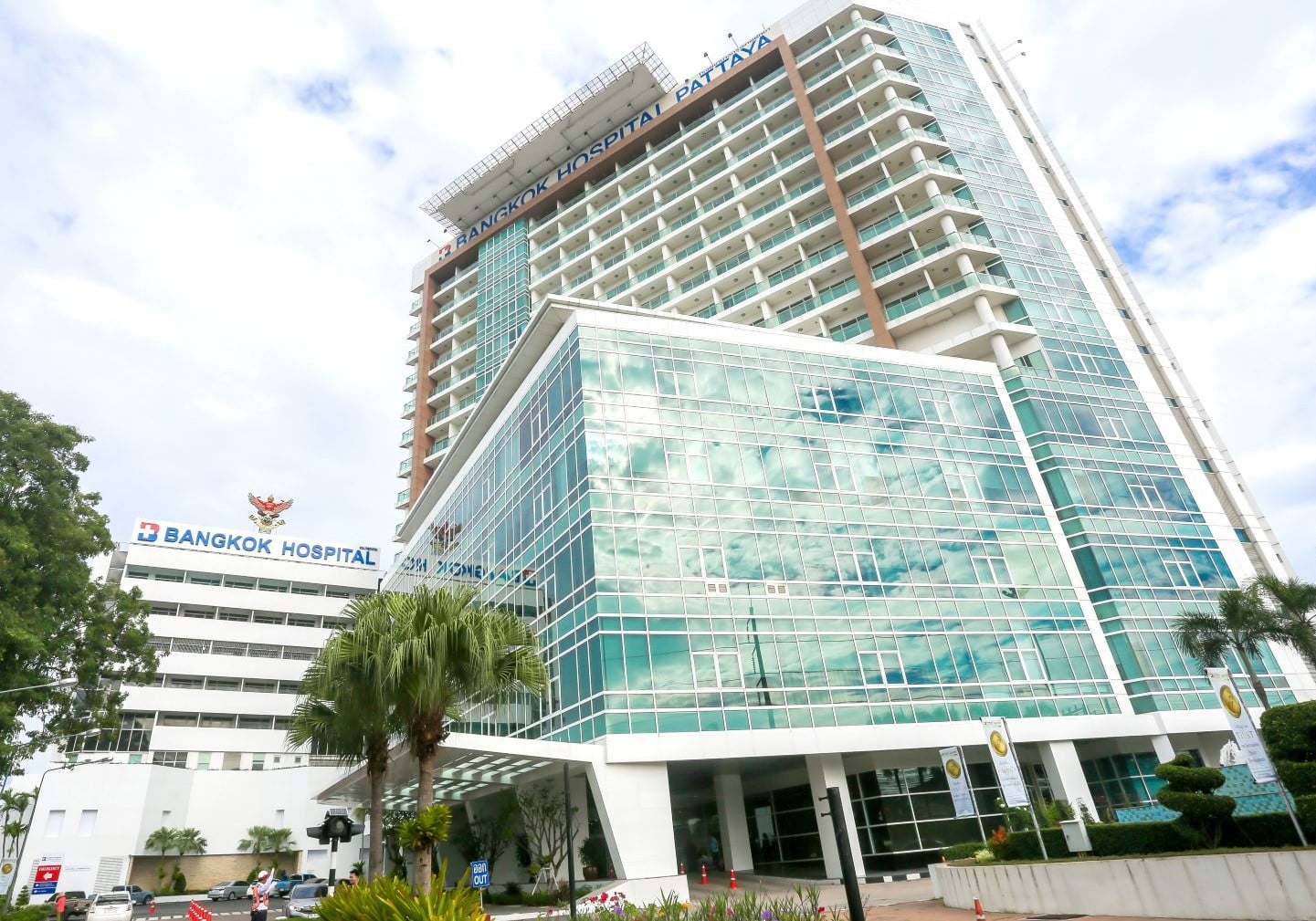
| Bangkok Hospital Pattaya Pattaya | 4.0 | Forty percent of international medical tourists pick Bangkok Hospital Pattaya. It treats over 400,000 patients yearly from 150 countries and holds JCI accreditation. Part of the Bangkok Dusit Medical Services group, its top specialties are cardiology and cosmetic surgery. Heart Center performs coronary bypass surgery without a heart-lung machine. Received the Prime Minister's Export Award for services to international patients. Digital Mammogram with Tomosynthesis offers 2D and 3D breast imaging in 10 seconds with less pain. 128-Slice CT scans coronary arteries in 4 seconds with 90% accuracy. Accredited by TEMOS and certified under ISO 9001 by TÜV NORD. | JCI, ISO, TEMOS | — | ECG, Holter monitoring |
Why choose Thailand for a Replacement of the aortic valve
JCI-accredited care with international patient support
Patients may choose Thailand for replacement of the aortic valve for clinic choice, external accreditation, and flexibility during treatment. JCI Accreditation.
| Typical price | vs Thailand | |
|---|---|---|
| Thailand (this page) | $25,000 – $38,000 | – |
| US | from $85,000 | +240% |
| Turkey | from $12,000 | −52% |
Where to get a Replacement of the aortic valve in Thailand
For aortic valve replacement in Thailand, Bangkok and Pattaya each offer a clinic option, with different travel and recovery settings. Bangkok's starting price is from $25,000 / ฿850,000, and Suvarnabhumi Airport is 25 km from the city center.
Our Replacement of the aortic valve techniques
Bioprosthetic aortic valve replacement is usually chosen when you are typically older or wish to avoid lifelong anticoagulation, because a biological tissue valve is sewn into place. Mechanical aortic valve replacement suits you if you are typically younger and able to take lifelong anticoagulation, because a durable carbon-and-steel valve is sewn into place.
Replacement of the aortic valve recovery timeline: what to expect week by week
You can usually fly home 12–24 days after surgery with your surgeon’s approval, once your heart ultrasound, incision, and blood-thinning treatment are stable. After uncomplicated surgery, desk-based work often resumes in 42–90 days, while physically demanding work may take longer. Light activity and walking can start earlier, but exercise usually resumes in 6–12 weeks, with strenuous activity after your breastbone heals and your cardiologist clears you. Near-full recovery and symptom improvement usually take 3–6 months, although changes in heart size and function may continue longer.
Days 0–10
Your team monitors you in intensive care, then moves you to a ward and removes drains and temporary wires that help control your heartbeat. Start moving early, avoid driving, and follow instructions to protect your healing breastbone.
Weeks 1–6
You can usually fly home 12–24 days after surgery with your surgeon’s approval, once your heart ultrasound, incision, and blood-thinning treatment are stable. Arrange a wound check 7–14 days after surgery. Gradually increase walking, and have your team monitor blood-thinning medicine if needed. Avoid lifting over about 5 kg, pushing or pulling with your arms, and driving until cleared.
Weeks 6–12
You may return to desk work and light exercise, and attend cardiac rehabilitation. At 30–56 days, your cardiology review and heart ultrasound check valve function. Wait for clearance before heavy lifting or strenuous exercise.
Months 3–6
You may return to full activity as symptoms improve. Changes in heart size and function may continue beyond near-full recovery at 3–6 months. Your team usually reviews recovery and valve function at 90–120 days, then continues periodic lifelong checks.
When to contact your clinic: Contact your clinic if you have a fever, chills, or redness or pus at your incision. Seek emergency care for shortness of breath.
Is a Replacement of the aortic valve in Thailand safe?
Traveling to Thailand for a Replacement of the aortic valve
Replacement of the aortic valve in Thailand: Video Reviews from Bookimed Patients
Share this content
 Anna Leonova
FAQ about Replacement of the aortic valve in Thailand
How qualified are Thai cardiothoracic surgeons who perform aortic valve replacement?
Thai cardiothoracic surgeons are exceptionally qualified, with many holding board certifications from the Royal College of Surgeons of Thailand and international fellowships from institutions like the Mayo Clinic. Leading hospitals like Bumrungrad International employ teams that maintain success rates between 80% and 90% for complex valve procedures.
- International training: Many surgeons complete advanced fellowships at top-tier US and UK medical centers.
- Hospital credentials: Centers like Bumrungrad International hold Joint Commission International and Global Healthcare Accreditation.
- Specialized expertise: Teams specialize in Transcatheter Aortic Valve Implantation and robot-assisted heart surgery techniques.
- High-volume experience: Bumrungrad International treats 1,000,000 patients annually, ensuring surgeons maintain high clinical proficiency.
Bookimed Expert Insight: Data from top-tier facilities reveals a significant focus on technological integration. Bumrungrad International is ranked among the top 30 most technologically advanced hospitals globally. Their surgeons utilize AI and digital imaging alongside traditional techniques. This technology access allows Thai surgeons to handle complex revisions that mid-range clinics cannot manage.
Patient Consensus: Patients report that surgeons at JCI-accredited hospitals match Western standards, often citing exceptionally clean modern ICUs. It is widely recommended to verify specific fellowship details and PubMed publications via hospital websites for full transparency.
How do the international patient packages differ between top Thai hospitals?
International patient packages in Thailand differ by clinical specialization, luxury tier, and the range of non-medical inclusions. Facilities like Bumrungrad International Hospital focus on complex cases with all-inclusive bundles, while Bangkok Hospital specializes in cardiac-specific rehabilitation and tiered suite options for international medical tourists.
- Clinical focus: Bumrungrad targets complex multi-specialty cases with advanced technologies like robotic surgery.
- Luxury inclusions: Premium tiers feature Royal Suites, limousine airport transfers, and 24/7 dedicated translators.
- Cardiac specialty: Bangkok Hospital packages often include specialized post-operative rehabilitation for heart valve patients.
- Mid-range options: Clinics like Samitivej provide procedure-focused bundles with optional deluxe room upgrades.
Bookimed Expert Insight: While many think only of Bangkok, Bangkok Hospital Pattaya serves 400,000 patients annually and often provides more competitive pricing for major surgeries. High-volume centers in Thailand can offer lower procedure rates than equivalents in India due to massive international patient traffic and standardized care protocols.
Patient Consensus: Patients recommend confirming if specific implant brands are included in the quote, as these can add $5,000 to the final bill. Most travelers value the seamless integration of visa assistance and gourmet meal options provided in top-tier Thai packages.
Last review: Nov 25, 2026
Hasim Ustunsoy — Prof. Dr. Haşim Üstünsoy is a cardiovascular surgeon specializing in robotic heart surgery, valve repair, and coronary artery bypass. He is a pioneer in robotic cardiac surgery using the Da Vinci system in Turkey.
Have a question about Replacement of the aortic valve in Thailand?
Ask a Bookimed medical coordinator about prices, clinics, techniques or your case. Write to us in the messenger you already use.
- Direct prices from clinics
- Free evaluation of your medical case
- Free personal assistance 24/7
Ask your question in a messenger
Tap a messenger to open a chat with a Bookimed medical coordinator.
Free and without obligation · Terms of use · Privacy policy