Therapeutic Apheresis in Thailand: costs, clinics and reviews

Last updated: Nov 17, 2026
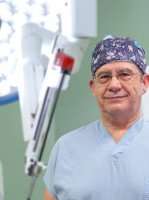
Medically reviewed by
Hasim Ustunsoy
How it works
Bookimed is free for patients – clinics pay us a commission, and you pay the clinic its own price with no markup. Five steps to your therapeutic apheresis in Thailand:
Share your case
Tell us about your condition and share your medical reports and recent disease-related test results.
Get treatment plans
Your coordinator finds clinics that match your needs and helps you choose. Your preferred clinics then send personalized treatment plans and quotes for you to compare.
Plan your trip
We set treatment dates that work for you and help arrange your flights and accommodation.
Visit the clinic
The clinic team starts your therapeutic apheresis on the agreed dates. We support you throughout your trip.
Back home
You fly home 8–14 days after your first session, with results developing over 1–3 months. Your coordinator stays in touch and helps arrange a follow-up if you need one.
Some clinics ask for a deposit. A $200 or €200 deposit paid through Bookimed comes off your clinic bill and is refundable up to 10 calendar days before your visit. A deposit paid to the clinic follows its own terms.
Therapeutic Apheresis Prices by Clinic in Thailand



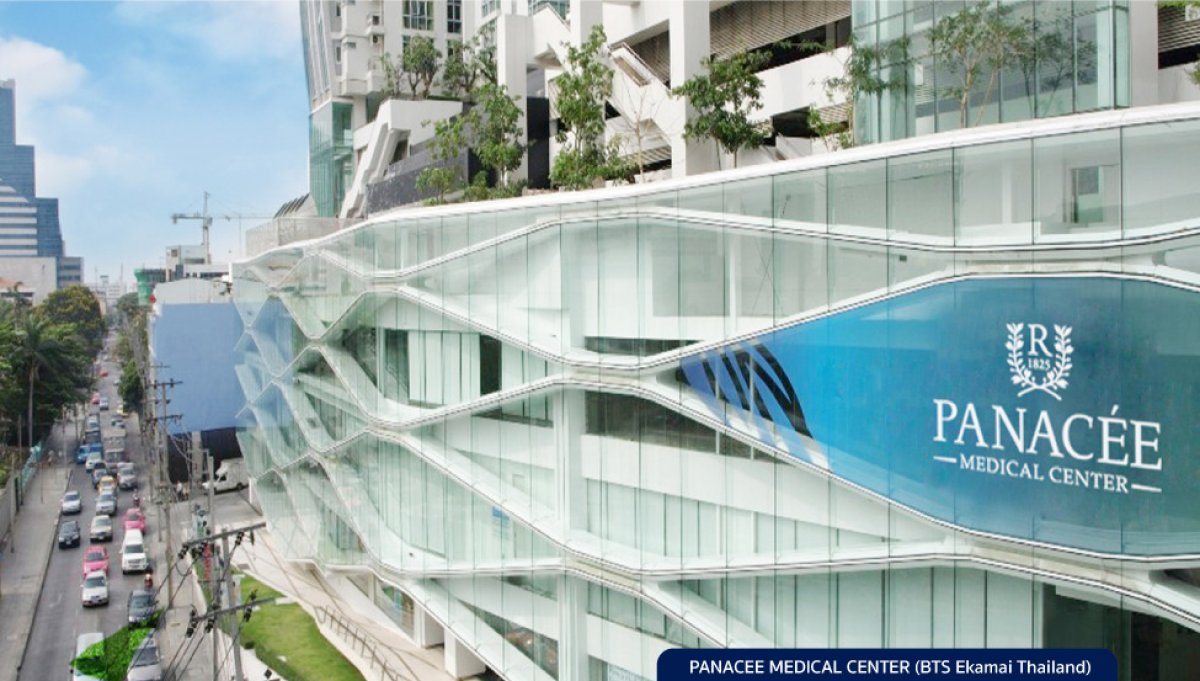
Panacee Medical Center – Stem Cell & Cell Therapy Center
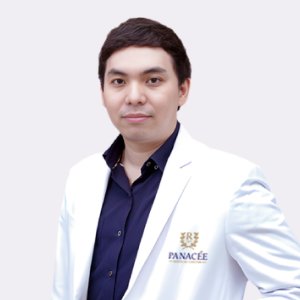
Peerapat Tangjai


How much does a Therapeutic Apheresis cost in Thailand?
Therapeutic apheresis in Thailand has an estimated price from $5,900 / ฿200,600 to $7,300 / ฿248,200. This estimate is not a clinic quote.
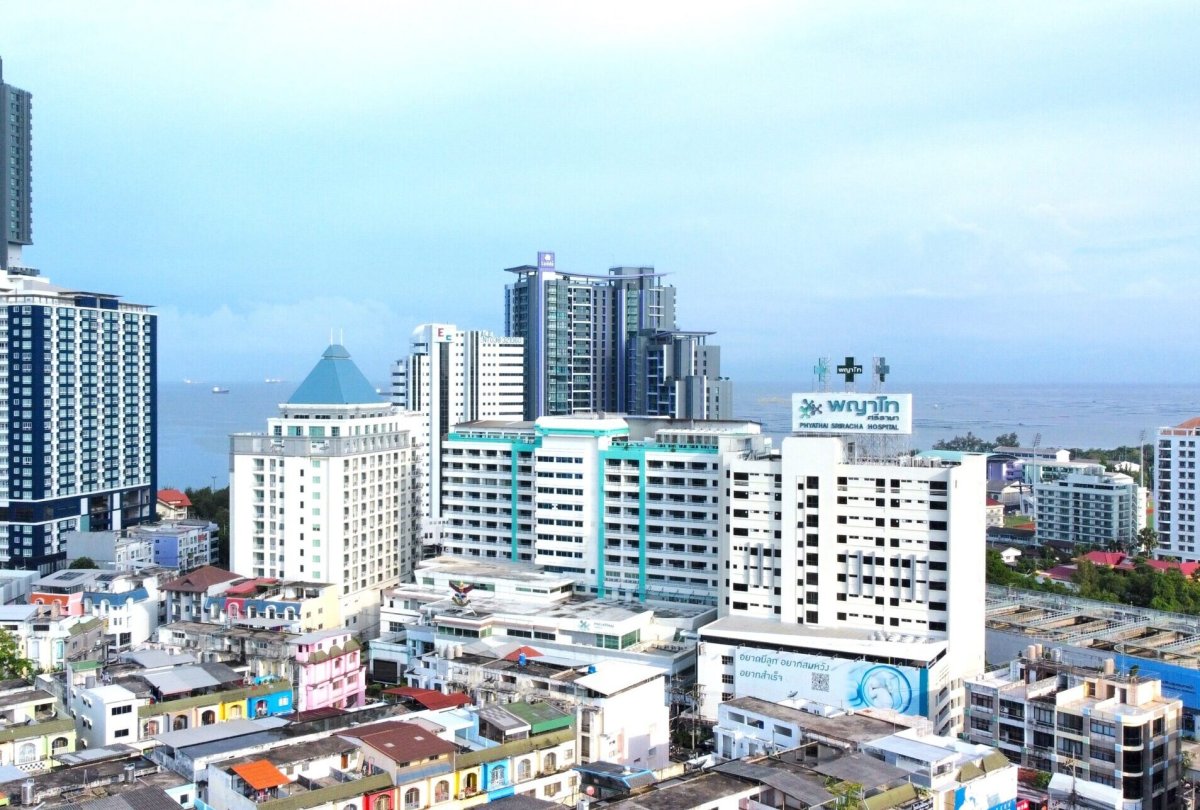
Therapeutic apheresis in Thailand has an estimated price from $5,900 / ฿200,600 to $7,300 / ฿248,200. This estimate is not a clinic quote. Final cost depends on the apheresis method, clinic, and treatment plan. In the US, this procedure costs $6,800 / ฿231,200 on average. Bookimed’s listing does not specify which services the price includes. Its listed medical centers are in Bangkok and Si Racha, though procedure availability is not confirmed.
- Plasmapheresis. From $1,200 / ฿40,800 to $2,600 / ฿88,400; method-specific pricing.
- LDL apheresis. From from $7,300 / ฿248,200; a distinct apheresis method.
- DFPP plasmapheresis. From $3,900 / ฿132,600 to $4,300 / ฿146,200; a distinct plasmapheresis method.
- Plasma exchange. From $2,800 / ฿95,200 to $4,500 / ฿153,000; quoted separately from other methods.
- Selective apheresis. From $1,100 / ฿37,400 to $1,800 / ฿61,200; a separate treatment approach.
Patients can ask whether consultation, lab testing, supplies, and follow-up are included. They can also ask whether any are billed separately. Confirming the planned method and number of treatments helps clarify the quote. Bookimed’s estimate does not specify either detail.
| Thailand | Turkey | Austria | |
|---|---|---|---|
| Therapeutic Apheresis | from $5,900 / ฿200,600 | from $4,500 / ฿153,000 | ≈ $1,800 / ฿61,200 |
| Selective Apheresis | ≈ $1,100 / ฿37,400 | ≈ $1,200 / ฿40,800 | ≈ $1,800 / ฿61,200 |
| Plasmapheresis | ≈ $1,200 / ฿40,800 | from $3,200 / ฿108,800 | ≈ $1,500 / ฿51,000 |
| Plasma Exchange | ≈ $2,800 / ฿95,200 | ≈ $1,800 / ฿61,200 | ≈ $3,800 / ฿129,200 |
| LDL Apheresis | from $7,300 / ฿248,200 | ≈ $450 / ฿15,300 | ≈ $1,100 / ฿37,400 |
How to choose a Therapeutic Apheresis clinic in Thailand
For therapeutic apheresis in Thailand, narrow clinic choices by city, meet the doctor who will perform or supervise treatment, ask about licensing, and clarify follow-up.
What to check
Narrow choices
Bookimed lists 5 clinics for therapeutic apheresis in Thailand – the top-ranked ones are in Bangkok, Si Racha District.Choose the clinician
At consultation, ask the doctor to review your history, examine you, and explain risks, benefits, side effects, and alternatives – confirm they perform or directly supervise treatment and remain available throughout.Home follow-up
Before booking, ask who will advise you after you return, and whom to contact if you feel unwell.Licensing status
Ask whether the doctor is licensed by the Medical Council of Thailand.
Discover Therapeutic Apheresis Clinics in Thailand
| Clinic Name | Patient Rating | About | Accreditations | Lead Doctor | Techniques |
|---|---|---|---|---|---|
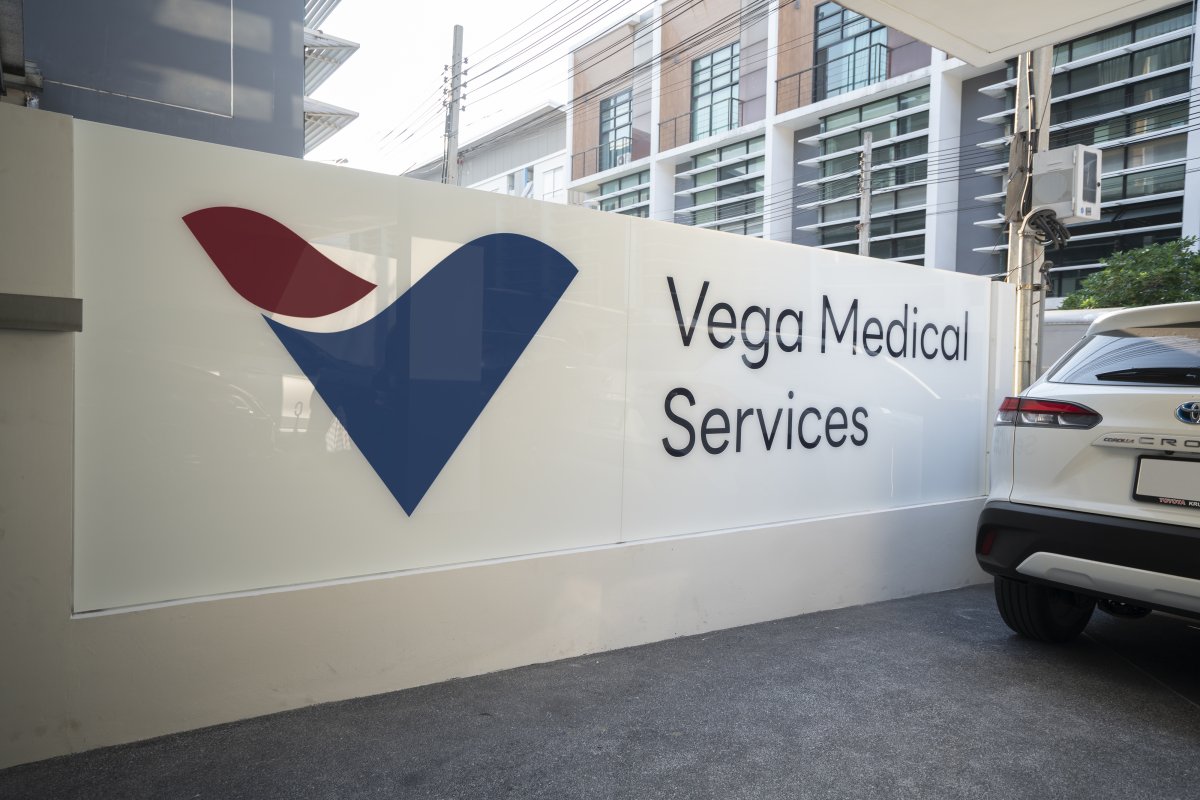
| Vega Clinic Bangkok | 4.4 (3 reviews) | Vega Clinic is a private multi-specialty medical center in Bangkok focused on stem cell therapy and regenerative medicine. It specializes in anti-aging, longevity health, and wellness programs. The clinic treats about 200 patients annually, primarily from Europe, the US, and the Middle East. Stem cell therapy addresses over 10 conditions, from neurological disorders to joint repair. Offers stem cell preservation for both current treatment and future use. Services include anti-aging skin rejuvenation and autoimmune disease support. Treats both adults and children in a fully equipped modern facility. | ISO | — | — |
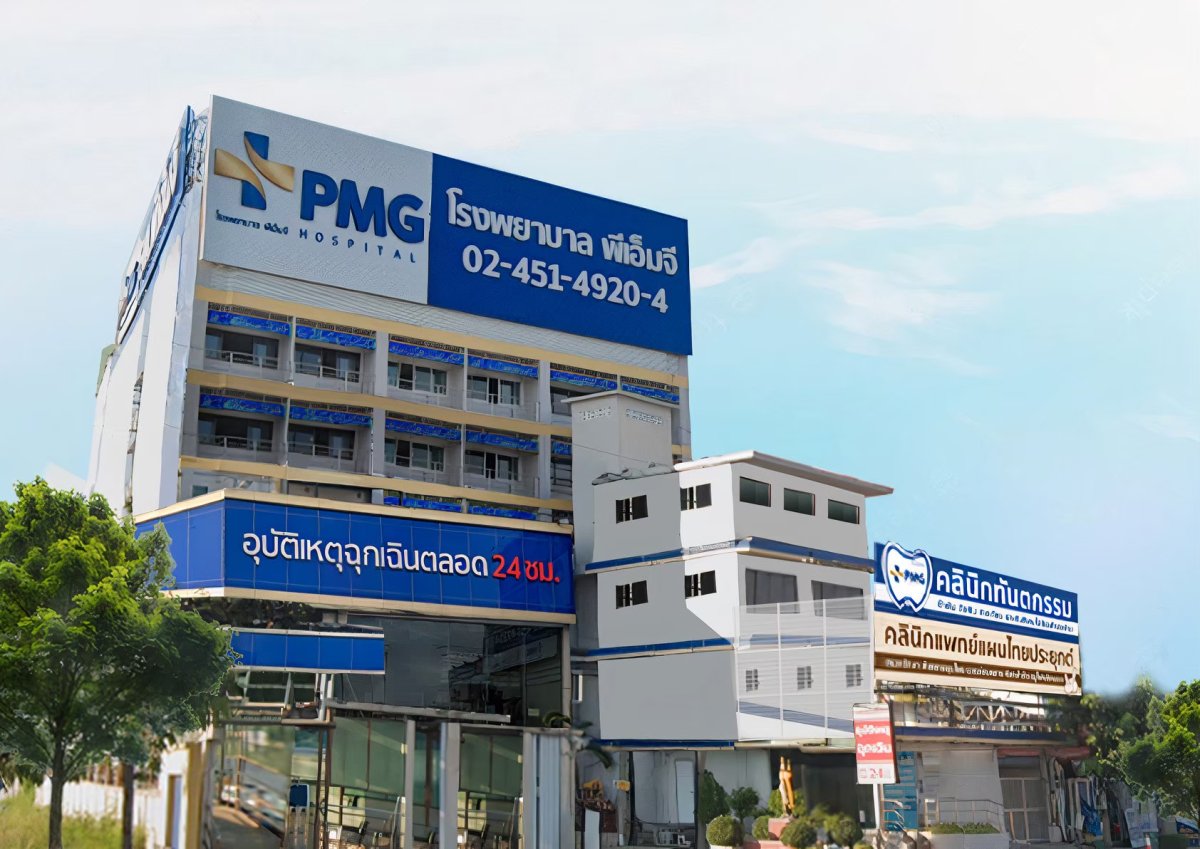
| PMG Hospital Bangkok | 5.0 (1 review) | PMG Hospital is a private multispecialty facility in Bangkok, Thailand. It focuses on cardiology, orthopedics, and pediatrics. The hospital also offers obstetrics, gynecology, and rehabilitation. Pediatric services treat children from birth to age 15. A 24-hour critical care center provides intensive monitoring by specialist physicians.PMG Hospital opened in 1992 and has 109 beds. There are 36 patient rooms, including private VIP suites. The PMG Heart Center offers full-cycle cardiac care. This covers diagnostics, interventional treatments, and rehabilitation. For stroke recovery, the rehab team uses PMS electromagnetic stimulation, therapeutic exercises, and electrical appliances.International patients get help with medical visa extensions, translation, and airport transfers. Diagnostics rely on digital radiography and CT scanners. Cardiovascular screening includes carotid intima-media thickness ultrasound. This test detects heart disease risk without radiation. | GHA, JCI | — | Consultation with a urologist, Brain MRI |
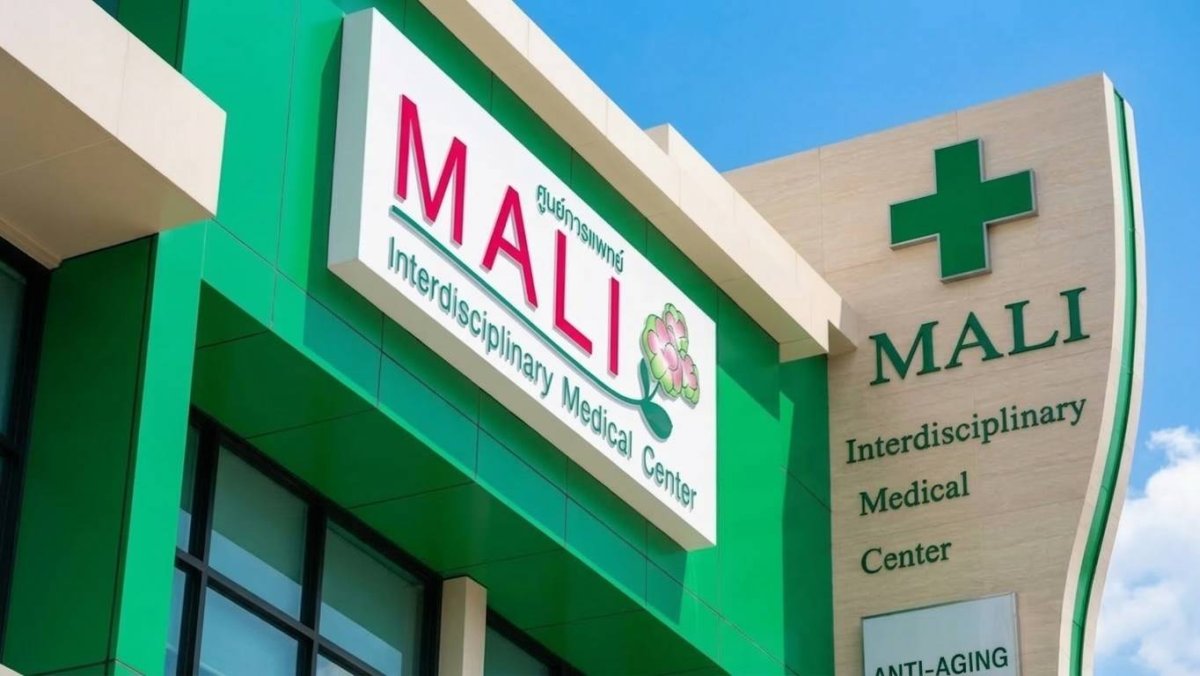
| Mali Interdisciplinary Hospital Bangkok | 5.0 (1 review) | Mali Interdisciplinary Hospital is an integrative medical center in Bangkok with GHA and AACI accreditations. It treats 50,000 patients yearly across 14 departments. The hospital blends conventional care with regenerative medicine and precision medicine for chronic disease management. Regenerative medicine supports tissue repair without surgery. Precision medicine helps prevent and manage chronic non-communicable diseases. Facilities include 2 emergency and operating rooms plus a gastro-colonoscopic unit. Care is provided in a green, restorative environment for patient comfort. | GHA | — | MRI of one area, Brain MRI |
Our Doctors
View all DoctorsPeerapat Tangjai
Dr. Peerapat Tangjai is a wellness specialist at Panacee Medical Center in Bangkok. He earned First-Class Honors and a Gold Medal from Srinakharinwirot University. Dr. Tangjai focuses on cell therapy, anti-aging, and metabolic health. He is a former manager of diabetic wound care at Thonburi Bumrungmuang Hospital.
- Holds certifications in stem cell therapies for chronic diseases from Global Stem Cell USA.
- Performs specialized IV and chelation therapies for cardiovascular wellness and detox.
- Maintains certifications in hair transplantation and integrative anti-aging medicine.
- Led research on the link between HbA1c levels and retinopathy in diabetes patients.
Why choose Thailand for a Therapeutic Apheresis
Patients comparing five apheresis options
| Typical price | vs Thailand | |
|---|---|---|
| Thailand (this page) | $5,900 – $7,300 | – |
| United States of America | from $4,500 | −24% |
| Turkey | from $4,500 | −24% |
Therapeutic Apheresis recovery timeline: what to expect week by week
You can usually fly home 8–14 days after your first session, once the course ends and your blood counts are stable. Your catheter must be removed or cleared before you travel. Light work may be possible the day after a session, and time off often lasts 1–3 days depending on your condition, access site, and fatigue. Strenuous exercise resumes 1–2 weeks after the course ends and catheter removal, while results develop over 1–3 months or within days to weeks for some conditions.
During each session
Your blood cycles through a machine while staff monitor your blood pressure and calcium symptoms. Stay seated or reclined, and report tingling or cramps.
Same day
Staff observe you and discharge you once you are stable. Mild tiredness is common. Keep your access site clean and dry, and avoid driving if you feel lightheaded.
About 1–2 weeks
You have repeated sessions, blood tests, and clinical monitoring throughout the course. Avoid heavy exertion and swimming while a catheter is in place.
After the course
Your catheter is removed if used, then you gradually return to normal activity. A specialist reviews your response and whether you need further sessions or immunosuppression. Avoid strenuous exercise for 1–2 weeks after the course ends and any catheter is removed, depending on your underlying disease.
When to contact your clinic: Contact your clinic for a fever of 100.4°F or higher, or for redness, swelling, bleeding, or pain at your catheter site. Numbness or tingling in your lips, hands, or feet also warrants a call. For chest pain or sudden breathlessness after a long flight, seek emergency help locally.
Is a Therapeutic Apheresis in Thailand safe?
Traveling to Thailand for a Therapeutic Apheresis
Therapeutic Apheresis in Thailand: Video Reviews from Bookimed Patients
Thailand Therapeutic Apheresis Reviews at Bookimed: Discover Patients' Insights
View allShare this content
 Anna Leonova
FAQ about Therapeutic Apheresis in Thailand
What documents are required to apply for a visa to Thailand for treatment?
Visas for travel to Thailand require a number of documents. The necessary papers can be submitted 90 days before the planned departure. The list of documents includes:
- ID card
- confirmation of online registration and filling out the questionnaire
- certificate of income and availability of funds (20,000 baht per person/40,000 baht per family)
- insurance policy for a stay in Thailand (original and copy)
- 2 photos (4x6)
- visa receipt
- booking of round-trip air ticket (paid in full) and hotel
- medical opinion about the need for treatment.
What is the level of medicine in Thailand?
Healthcare is the key development sector of the Thai government. The Thai authorities are convinced that care for the citizens' health should be an absolute priority of state policy and spend about 25 billion baht for healthcare annually.
As a result, 36,673 medical facilities provide excellent medical care in the country. 64 centers in the Kingdom have certificate of JCI (Joint Commission International), the international improver of healthcare quality and safety across the globe. The index of certificates obtained is the largest. To compare, Israel has 20 JCI-accredited facilities, and Germany — only 10 clinics of this type.
When is the best time to travel to Thailand?
The main advantage of Thai resorts is the long beach season. On the east coast and west coast the climate features are different, so take it into account when planning the trip. The best time to travel is during the cool and dry season between November and early April. A large influx of tourists is in March-May, when the air temperature is +30°C.
What should you know about Thailand before the trip?
Official name | The Kingdom of Thailand |
Currency | Thai Baht (you also can pay for services in dollars) |
Best period for the trip | November-early April |
Language | Thai (most of medical staff speaks English fluently) |
Visa | is required for a trip of 3-6 months |
Time difference with Europe | 7 hours |
Time difference with the USA | 12 hours |
Capital | Bangkok |
Medical tourism center | Bangkok |
Popular resorts | Koh Samui, Phuket, Chiang Mai, Koh Chang, Hua Hin |
What hotel service is provided here?
In the Kingdom of Thailand, hotels of different price ranges and service levels are presented. The level of Thai hotels is comparable to hotels in Tunisia, Morocco or Egypt. Most tourists choose 4 and 5 star hotels with all-inclusive meals. Such hotels have everything for a comfortable stay: varied food, a large well-groomed territory, animation for children and adults. Some hotels have their own water park, which guests can use for free. Budget travelers can afford to book an economical 3-star hotel with half board or no meals at all.
Do I need a visa?
For now, the Kingdom of Thailand requires different visa regimens for diverse states. Some foreigners can stay in the country 60 days without visa control, some of them — only 14 days.
How long you can stay in Thailand and what countries can cross the border easy read here.
Last review: Nov 17, 2026
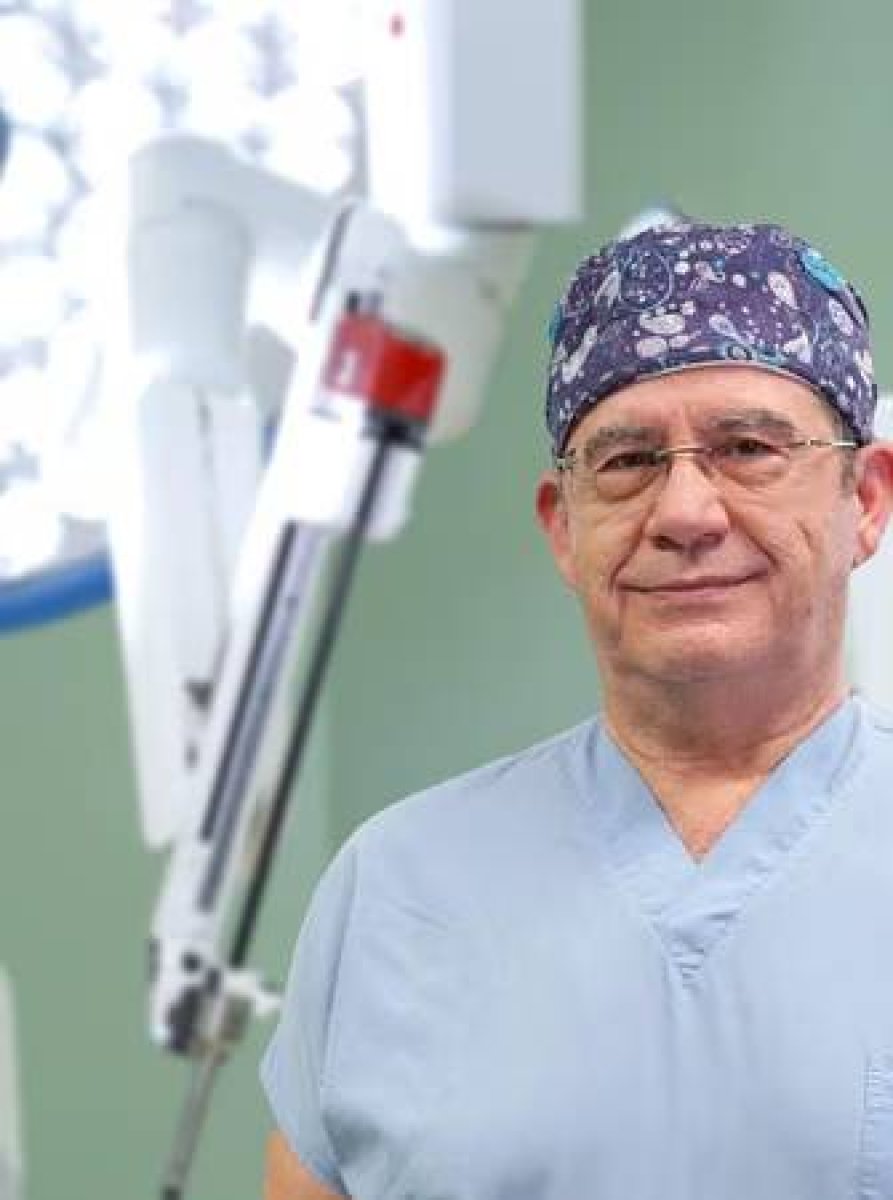
Hasim Ustunsoy — Prof. Dr. Haşim Üstünsoy is a cardiovascular surgeon specializing in robotic heart surgery, valve repair, and coronary artery bypass. He is a pioneer in robotic cardiac surgery using the Da Vinci system in Turkey.
Have a question about Therapeutic Apheresis in Thailand?
Ask a Bookimed medical coordinator about prices, clinics, techniques or your case. Write to us in the messenger you already use.
- Direct prices from clinics
- Free evaluation of your medical case
- Free personal assistance 24/7
Ask your question in a messenger
Tap a messenger to open a chat with a Bookimed medical coordinator.
Free and without obligation · Terms of use · Privacy policy