kdms Orthopedic Hospital
Thailand, Bangkok
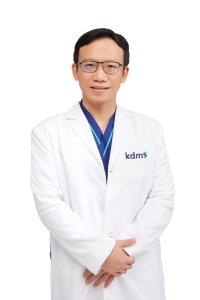
Rapeepat Narkbunnam
23 years of experience
Clinic is certified : 
Unicompartmental knee replacement in Thailand costs $8,000 / ฿272,000 to $11,500 / ฿391,000, about 78% less than the US average of $45,000 / ฿1,530,000 (Bookimed data, November 2026). Bookimed lists 2 unicompartmental knee replacement clinics in Thailand, in Bangkok and Pattaya.

Last updated: 11/12/2026
Medically reviewed by
Kayhan Turan
Bookimed is free for patients – clinics pay us a commission, and you pay the clinic its own price with no markup. Five steps to your partial knee replacement in Thailand:
Tell us about your knee symptoms and share your latest knee scans and medical reports.
Your coordinator finds clinics that match your needs and helps you choose. Your preferred clinics then send personalized treatment plans and quotes for you to compare.
We set treatment dates that work for you and help arrange your flights and accommodation. If needed, we request a visa support letter from the clinic.
The clinic team performs your partial knee replacement on the agreed dates. We support you throughout your trip.
You can fly home after a 10–14-day stay, and your result settles over 3–12 months. Your coordinator stays in touch and helps arrange a follow-up if you need one.
Some clinics ask for a deposit. A $200 or €200 deposit paid through Bookimed comes off your clinic bill and is refundable up to 10 calendar days before your visit. A deposit paid to the clinic follows its own terms.
Tell us about your needs — and get 3 tailored offers from top doctors for you.
Do you have any medical records related to your issue?
Direct prices from clinics
Free evaluation of your medical case
Free personal assistance 24/7
Cost and clinics
| Typical unicompartmental (partial) knee replacement price in Thailand | Clinics | Accreditations | Cities | Unicompartmental (partial) knee replacement surgeons |
|---|---|---|---|---|
| $8,000 / ฿272,000–$11,500 / ฿391,000 | 3 clinics | JCI (2 clinics), ISO (1), TEMOS (1) | Bangkok (1 clinics), Pattaya (1) | 2 surgeons |
The procedure
| Before the trip | Time in Thailand | Operation time | Anesthesia | Back to desk work | Final result |
|---|---|---|---|---|---|
| Get examination and tests, review medications, stop smoking, optimize weight and diabetes | 10–14 days, including up to 2 nights in hospital | 1–2 hours | Regional | 2–12 weeks | 3–12 months |
Unicompartmental (partial) knee replacement in Thailand costs from $8,000 / ฿272,000 to $11,500 / ฿391,000. The final quote depends on hospital tier, implant technology, robotic assistance, and package inclusions.
| Thailand | Turkey | Austria | |
|---|---|---|---|
| Unicompartmental (partial) knee replacement | from $8,000 / ฿272,000 | from $9,000 / ฿306,000 | ≈ $11,500 / ฿391,000 |
For unicompartmental knee replacement in Thailand, shortlist clinics by city, compare starting quotes for the same scope, confirm who will operate, check credentials, and then read patient reviews.
Map locations
Assess budget
Surgical responsibility
Verify credentials
Read patient reviews
| Clinic Name | Patient Rating | About | Accreditations | Lead Doctor | Techniques |
|---|---|---|---|---|---|
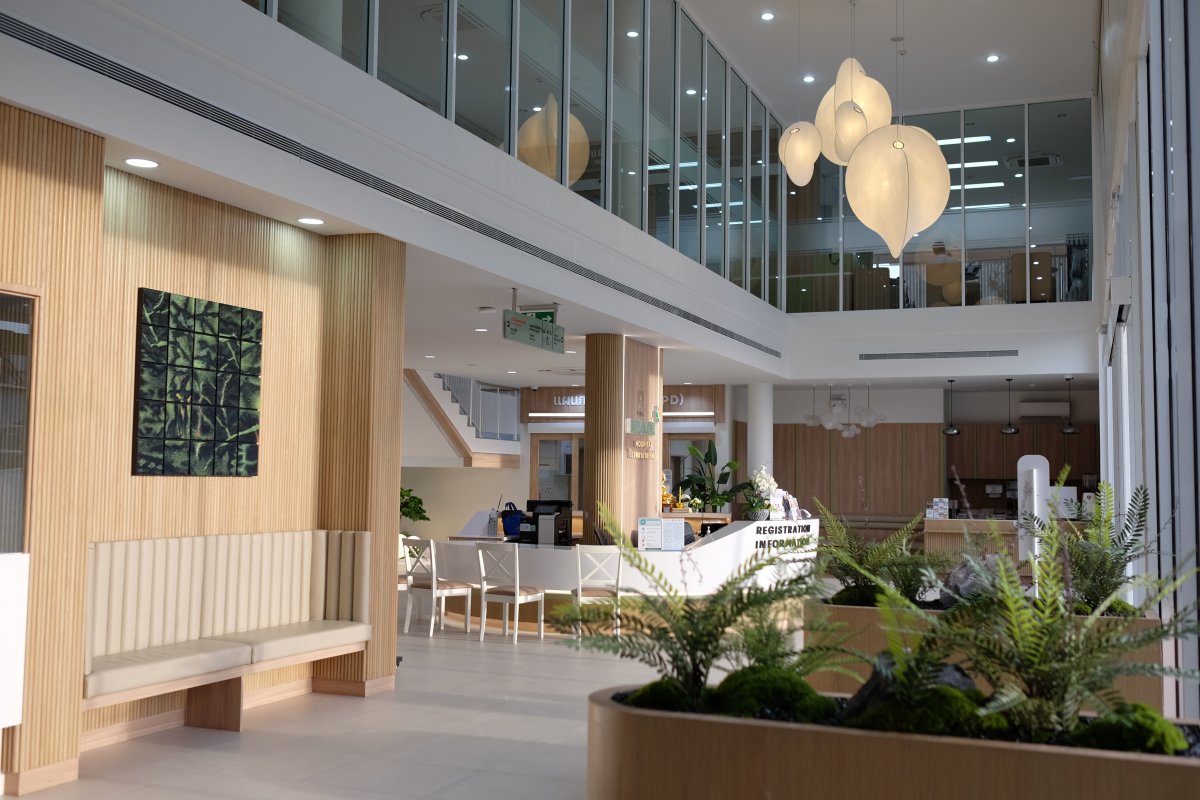
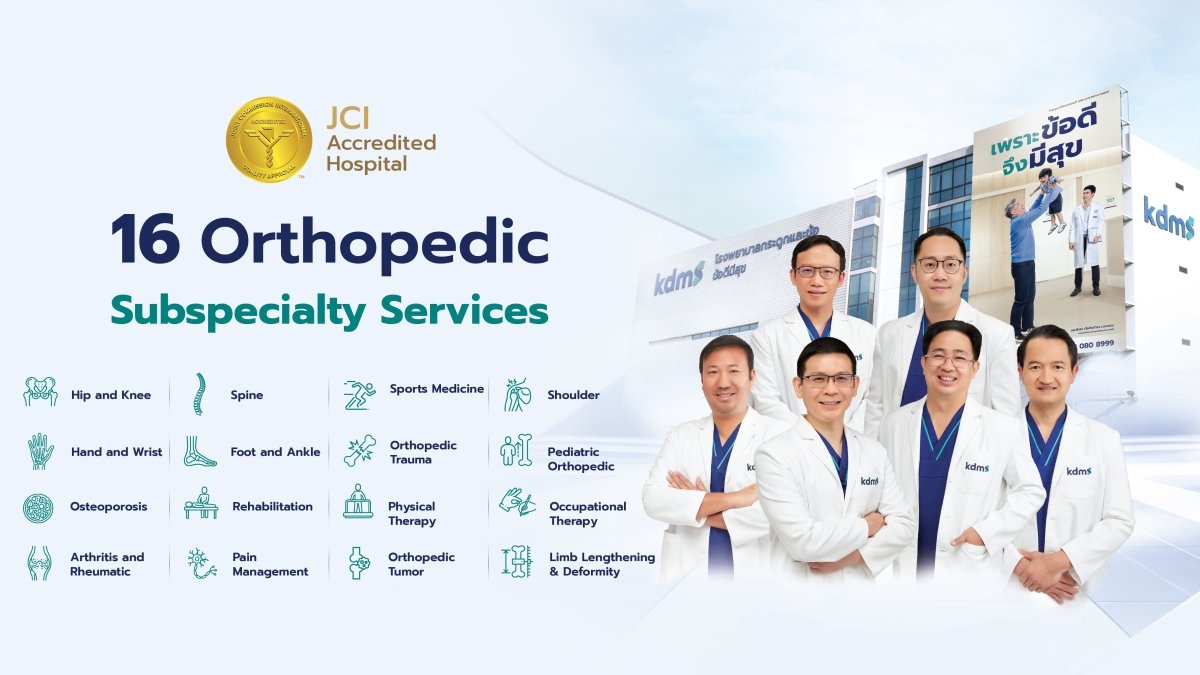
| kdms Orthopedic Hospital Bangkok | 5.0 (3 reviews) | kdms Orthopedic Hospital serves as the first JCI-accredited specialized orthopedic facility in Thailand. The surgical team uses a mobile-bearing polyethylene insert designed for durability, lasting up to 50 years with proper care. This minimally invasive technique replaces only the damaged compartment to preserve healthy bone and ligaments. Most patients walk well within 6 weeks and report over 90% pain reduction. Prof. Boonchana Pongcharoen leads the orthopedic team, providing specialized care for patients with localized knee osteoarthritis. | JCI | Rapeepat Narkbunnam 23 years | Partial knee replacement, robotic-assisted surgery |
| LUX KOR Hospital Bangkok | 4.9 | LUX KOR Hospital focuses on joint care with a multidisciplinary team in Bangkok. Dr. Witthawat Mingmongkolchaikul leads the orthopedic department, holding a specialized fellowship in reconstructive hip and knee surgery from Siriraj Hospital. He is board-certified and focuses on preserving healthy tissue using less invasive techniques. The hospital requires a detailed X-ray assessment by an orthopedic specialist to confirm if this single-compartment approach is suitable. The facility combines surgical expertise with a dedicated recovery environment for joint replacement patients. | — | — | X-ray assessment |
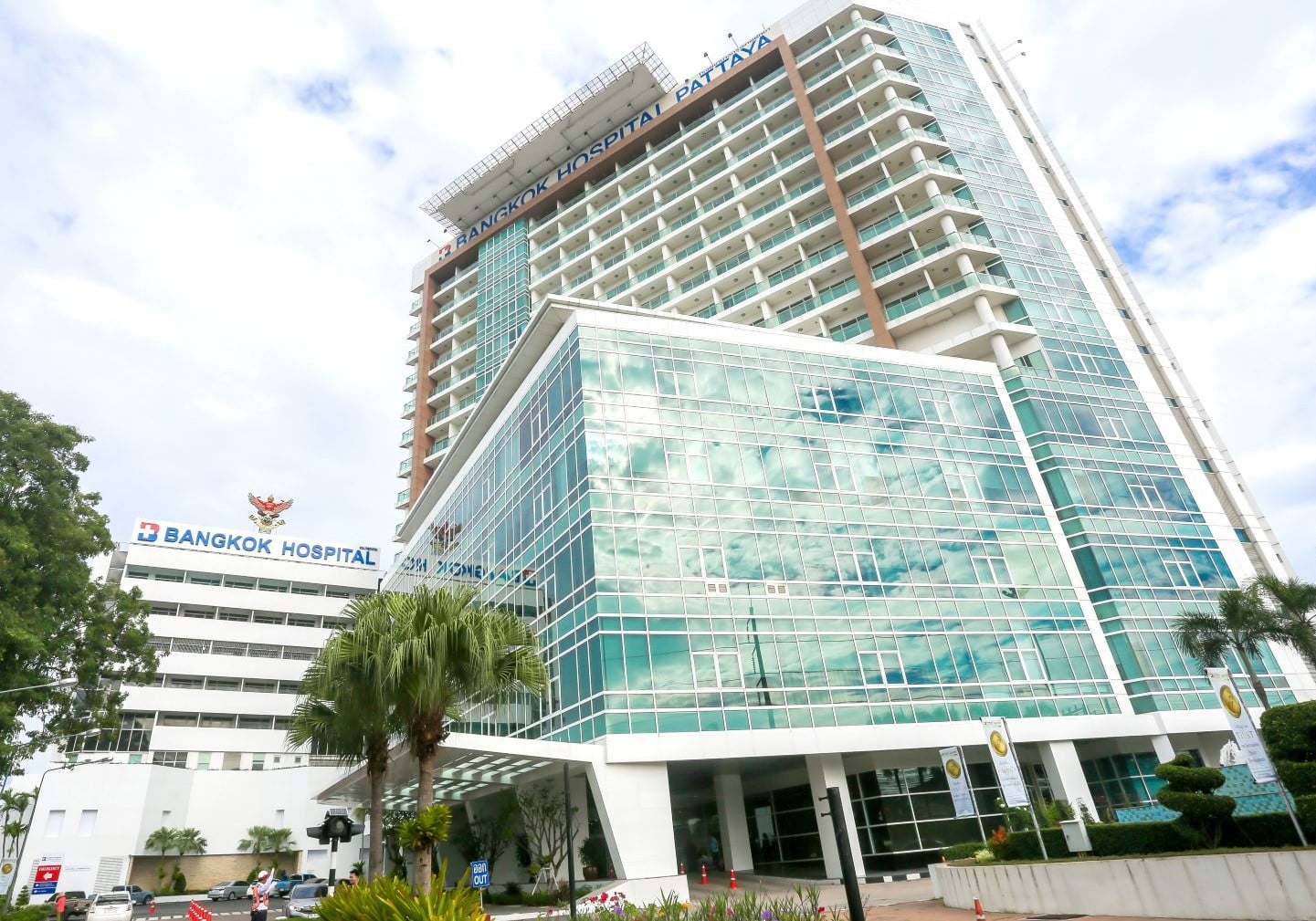
| Bangkok Hospital Pattaya Pattaya | 4.0 | Forty percent of international medical tourists pick Bangkok Hospital Pattaya. It treats over 400,000 patients yearly from 150 countries and holds JCI accreditation. Part of the Bangkok Dusit Medical Services group, its top specialties are cardiology and cosmetic surgery. Heart Center performs coronary bypass surgery without a heart-lung machine. Received the Prime Minister's Export Award for services to international patients. Digital Mammogram with Tomosynthesis offers 2D and 3D breast imaging in 10 seconds with less pain. 128-Slice CT scans coronary arteries in 4 seconds with 90% accuracy. Accredited by TEMOS and certified under ISO 9001 by TÜV NORD. | JCI, ISO, TEMOS | — | Unicompartmental (partial) knee replacement |
Specializes in robotic-assisted partial knee replacements – trained at Stanford University Medical Center for advanced joint reconstruction.

Fellowship-trained in hip and knee reconstructions at UC Davis – Dr Thongchai brings specialized expertise to partial knee replacements at Intrarat Hospital.
MAKO robotic assistance with anatomy-based implant positioning
| Typical price | vs Thailand | |
|---|---|---|
| Thailand (this page) | $8,000 – $11,500 | – |
| US | from $38,000 | +375% |
| Turkey | from $9,000 | +13% |
In Thailand, Bangkok has 1 clinics, giving patients the wider choice, with prices from $10,000 / ฿340,000 and robotic-assisted options. For lower starting prices, Pattaya offers partial knee replacement from $8,000 / ฿272,000 in a beach resort setting suited to recovery days.
You can usually fly home after 10–14 days, once your wound is checked and your surgeon approves. Time off work is about 2–12 weeks. Low-impact exercise can usually resume after about 6–12 weeks, while high-impact sports are generally discouraged. Your final result may take 3–12 months to settle.
A physiotherapist helps you move on surgery day, and you walk with an aid while taking prescribed clot-prevention treatment. Moderate pain may last days to weeks and is usually less than after total knee replacement.
Build weight-bearing as tolerated, do home exercises, and expect swelling to ease; walking aids may be phased out after about 1–3 weeks. After a wound check around 10–14 days, you may fly home with your surgeon’s approval, but avoid kneeling and impact activities.
Work on strengthening and gradually return to low-impact activities and most daily tasks. Avoid high-impact sports during this period.
Strength, swelling, and function continue to improve gradually. Your functional result usually settles by about 6–12 months.
When to contact your clinic: Contact your clinic if redness spreads or pus or fluid comes from your wound. Also contact your clinic if you develop a fever or worsening knee pain. For chest pain or sudden breathlessness after a long flight, seek emergency help locally.
 Anna Leonova
Unicompartmental knee replacement is a safe, minimally invasive alternative to total replacement for single-compartment osteoarthritis. It features lower risks of stroke, heart attack, and blood clots. Surgeons in Thailand utilize robotic-assisted technology and Zimmer Biomet implants to ensure precise alignment and ligament preservation.
Bookimed Expert Insight: While safety is high, success depends on hospital specialization. KDMS Specialized Orthopedic Hospital in Bangkok focuses exclusively on musculoskeletal care. This concentration of expertise allows their 50 doctors to maintain the high procedure volumes necessary for superior outcomes.
Patient Consensus: Patients report a more natural knee feel and faster return to activities like hiking. They emphasize confirming single-compartment disease via MRI to ensure they are appropriate candidates.
Ideal candidates for unicompartmental knee replacement have osteoarthritis strictly localized to one of the joint's three sections, typically the medial compartment. Success requires functional ligaments like the Anterior Cruciate Ligament, a good range of motion, and mild, correctable deformities usually under 15 degrees.
Bookimed Expert Insight: While many think partial replacement is only for younger patients to preserve bone, Thailand's top clinics like LUX KOR Hospital increasingly perform these on elderly patients. The procedure is significantly less invasive than total replacement, resulting in shorter 4-5 day hospital stays and faster 6-8 week recovery timelines.
Patient Consensus: Patients emphasize that this is often a bridge procedure rather than a permanent fix. They advise getting a second imaging review to ensure arthritis hasn't spread to other compartments before surgery.
Recovery after partial knee arthroplasty typically allows for basic mobility within 4 to 8 weeks, with full functional recovery occurring between 3 to 6 months. Patients often begin weight-bearing exercises on day 1, transitioning from walkers to canes within the first 14 days of postoperative care.
Bookimed Expert Insight: While recovery is faster than total replacement, clinical depth matters. Specialized centers like KDMS Specialized Orthopedic Hospital perform over 1,000 orthopedic procedures annually. Choosing a facility with this high volume often ensures access to specialized Zimmer Biomet implants and surgeons who focus exclusively on joint reconstructions, potentially reducing the 20-30% risk of postoperative stiffness.
Patient Consensus: Patients report that pain peaks between days 3 and 7 before dropping sharply. Most emphasize that starting physical therapy on day 1 is vital for climbing stairs by the second week.
Unicompartmental knee implants in Thailand typically last 10 to 20 years for most patients. Modern systems like Zimmer Biomet and Oxford Partial Knee show survival rates of 90% to 95% at 10 years and approximately 80% to 91% at 20 years.
Bookimed Expert Insight: While many choose partial replacement for faster recovery, the 4–5 day hospital stays at specialized Thai hubs like KDMS Specialized Orthopedic Hospital are longer than US averages. This extended inpatient period allows surgeons to monitor early alignment, which is the primary factor in preventing premature implant loosening.
Patient Consensus: Patients emphasize that maintaining a healthy weight and sticking to low-impact activities are the most practical ways to extend the lifespan of their new joint.
Fixed-bearing implants feature a plastic insert locked into a metal tray for maximum stability, while mobile-bearing designs use a rotating insert to mimic natural movement. Both options in Thailand provide over 95% success rates at 10 years using brands like Zimmer Biomet.
Bookimed Expert Insight: Data from KDMS Specialized Orthopedic Hospital and LUX KOR Hospital shows a trend toward robotic-assisted partial knee replacements. Surgeons like Dr. Rapeepat Narkbunnam use these tools to overcome the technical challenges of mobile-bearing alignment. This technology helps ensure the insert stays balanced, potentially lowering the early failure risks often linked to manual placement.
Patient Consensus: Patients value the natural flexion of mobile-bearing implants like the Oxford range. They often recommend confirming a surgeon performs at least 50 procedures annually to ensure long-term stability.
Preparing for unicompartmental knee replacement in Thailand involves clinical optimization, legal documentation, and recovery logistics. Patients must stop smoking 8 weeks before surgery to halve infection risks and complete dental cleanings 2 to 4 weeks prior to prevent bacteria from entering the bloodstream during the procedure.
Bookimed Expert Insight: Data from top-tier facilities like KDMS Specialized Orthopedic Hospital and LUX KOR Hospital highlights a shift toward robotic-assisted partial replacements. While traditional surgery is widely available, choosing a clinic that uses Zimmer Biomet implants and robotic precision often results in faster discharge. If you are traveling from the USA or Canada, look for surgeons like Napon Sinthuvanich who have Western fellowship training in reconstructive surgery to ensure familiar standards of care.
Patient Consensus: Experienced patients emphasize that Thai humidity can increase postoperative swelling. Many recommend renting a ground-floor accommodation near the hospital and strictly following the intense day-one physiotherapy schedules common in Bangkok clinics.
Thailand's best hospitals for partial knee replacement include KDMS Specialized Orthopedic Hospital, Bangkok Hospital Pattaya, and Bumrungrad International Hospital. Expert surgeons like Dr. Napon Sinthuvanich and Dr. Thongchai Theerajumyaporn utilize Mako SmartRobotics and Zimmer Biomet implants to ensure high-precision outcomes and faster functional recovery.
Bookimed Expert Insight: While many general hospitals offer joint surgery, KDMS Hospital serves 1,000 orthopedic patients annually with a dedicated 50-doctor team. This high volume often leads to better results for complex partial replacements. Patients traveling from the USA or Australia frequently choose LUX KOR Hospital for the 5-day inpatient recovery support included in their Zimmer Biomet implant packages.
Patient Consensus: Patients emphasize that partial replacements in Thailand better preserve natural ligaments than full replacements. Many recommend emailing X-rays to surgeons beforehand to confirm candidacy for minimally invasive robotic techniques.
Last review: 11/12/2026
Kayhan Turan — Dr. Kayhan Turan is an orthopedic surgeon specializing in robotic-assisted joint replacement and sports medicine. He performed Turkey's first robotic knee and hip replacements and has completed over 3,500 robotic surgeries.
Ask a Bookimed medical coordinator about prices, clinics, techniques or your case. Write to us in the messenger you already use.
Tap a messenger to open a chat with a Bookimed medical coordinator.
Free and without obligation · Terms of use · Privacy policy