Braces for one tooth in Turkey — get 3 top clinic matches with costs


Medically reviewed by
Fahad Mawlood
How it works
How Much Does Braces for one tooth Cost in Turkey?
Braces for one tooth in Turkey typically cost from $220 to $550. The price depends on the orthodontic system, clinic location, and complexity of the dental alignment. Patients save around 86% compared to the US, where treatments average $2,800. Packages usually include a 3D dental scan, the appliance, and initial installation.
- Metal braces: $220 to $550 for the most cost-effective traditional correction.
- Ceramic braces: Typically cost 100-150% more than metal due to discreet, tooth-colored materials.
- Lingual braces: These premium systems often double or triple the cost of standard braces.
- Clear aligners: "Lite" versions for minor shifts usually cost 50% more than metal options.
Bookimed Expert Insight: Choosing a university-affiliated center like Medipol University Ankara Dental Hospital offers academic-level expertise. Many top-rated clinics like WestDent Clinic in İzmir maintain a 99% success rate. These facilities often provide Swiss Straumann certificates or JCI accreditation. For the best value, look for clinics in Istanbul or Antalya that bundle transfers with treatment. This often costs less than booking services separately.
| Turkey | The UK | The USA | |
|---|---|---|---|
| Braces for one tooth | from $220 | ≈ $900 | ≈ $2,000 |
Discover the Best Braces for one tooth Clinics in Turkey: 25 Verified Options and Prices
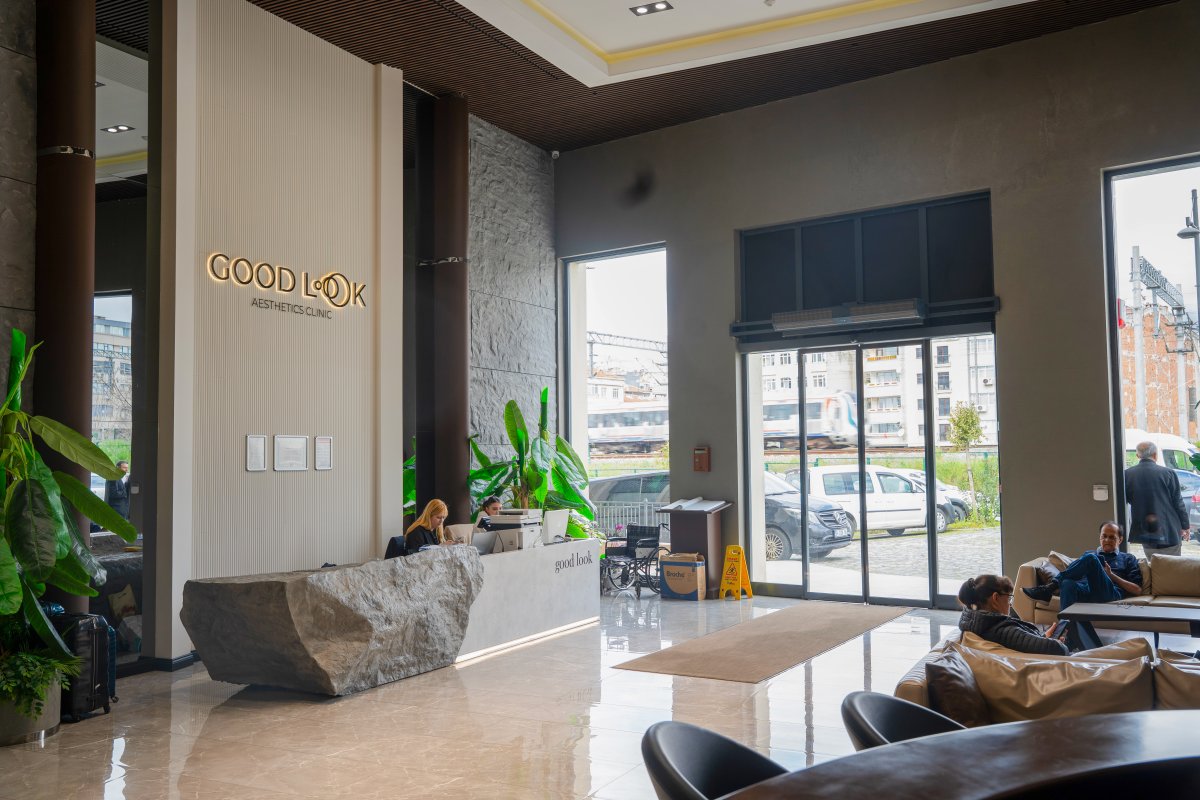






Memorial Şişli Hospital
Asli Tapan Kavusturan




Hisar Hospital Intercontinental
Seniz Ustundag



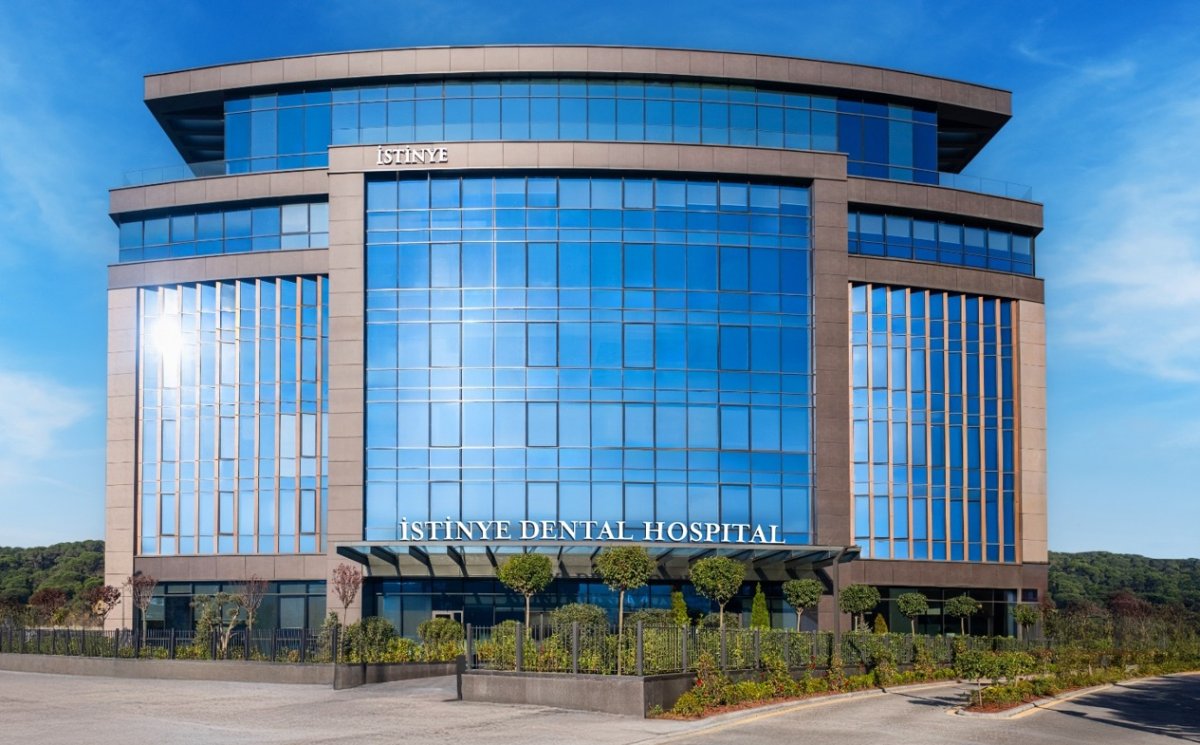
İstinye Dental Hospital
Betul Balli Demirel


Braces for one tooth Overview in Turkey
- Braces - from $1,000This therapy helps straighten teeth and align jaws, requiring regular adjustments over a period for best results.
- Lingual braces installation - from $2,500This therapy helps straighten teeth using braces attached behind, offering a concealed and efficient orthodontic solution.
- Ceramic Braces - from $1,000This treatment uses ceramic tooth-colored brackets and wires for a less visible way to straighten teeth.
- The procedure uses advanced braces to align one jaw, featuring discreet, efficient, minimal discomfort and faster treatment.
- Lingual braces - from $2,500This therapy involves custom-made braces placed behind teeth, improving dental alignment discreetly and effectively.
- Damon braces - from $2,200Installation of self-ligating dental braces to improve alignment with less pain and quicker results.
- Braces for one tooth - from $220The procedure realigns a misplaced tooth using a specific brace, ensuring dental harmony and improved oral aesthetics.
- Braces for open bite - from $1,500This therapy corrects misaligned teeth and jaw lines through tooth-position adjustments, improving overall dental aesthetics and functions.
Day 1: Arrival
- Check-in at the clinic’s reception.
- Meet with the orthodontist for consultation.
- Undergo oral examination and X-rays.
- Discuss treatment plan and braces options.
Day 2: Pre-operation
- Visit the clinic for a detailed check-up.
- Undergo a professional dental cleaning.
- Get impressions of your teeth for braces.
Day 3: Braces Application
- Arrive at the clinic for braces application.
- Undergo local anesthesia for comfort.
- Braces application process takes 1-2 hours.
- Receive care instructions post application.
Day 4: Post-operation
- Stay at home and adjust to braces.
- Eat soft foods to avoid discomfort.
- Use pain relievers if necessary.
- Keep oral hygiene routine as instructed.
Week 1: Rehabilitation
- Resume normal activities after first week.
- Visit the clinic for check-up and adjustments.
- Continue with regular oral hygiene routine.
Week 2 to 6: Follow-up
- Regular follow-up visits every 4 to 6 weeks.
- Adjustments made to braces during visits.
- Continue with prescribed oral hygiene routine.
Month 3: Results
- See final results by the third month.
- Visit clinic for final check-up and braces removal.
Please note that the duration and procedure may vary from case to case.
- Bookimed deposit: $200 or €200.
- Clinic deposit: Pay a set percentage in advance.
Our Trusted Doctors
View all Doctors
Burak Buyukturk
Dr. Burak Buyukturk brings academic expertise and private practice experience to personalized orthodontic care. He specializes in tailored treatments for patients of all ages.
- PhD in Orthodontics from Süleyman Demirel University
- Member of Turkish Orthodontic Society and European Orthodontic Society
- Strong focus on individualized treatment planning
- Owner of private orthodontic practice since 2012
Asli Tapan Kavusturan
With over 26 years of dental experience, Dr. Asli Tapan Kavusturan specializes in precise orthodontic treatments at Memorial Şişli Hospital.
- Graduated from Ege University's Faculty of Dentistry
- Member of the Turkish Dental Association and International Team for Implantology
- Attended multiple international dental congresses and training seminars
- Specializes in prosthetic and esthetic dentistry
Seniz Ustundag
Specializes in fixed orthodontic treatments and clear aligners like Invisalign – Dr. Ustundag focuses on precise, personalized care at Hisar Hospital Intercontinental.
- Trained at Marmara University Faculty of Dentistry
- Expert in managing impacted teeth and mini screw anchorage
- Specializes in preventive and functional orthodontic treatments
- Experienced in preparing patients for orthognathic surgery
Ender Tukay
Dr. Tukay specializes in Prosthodontic Dentistry with 30+ years of expertise in fixed and removable prosthetic applications.
- Trained at Gazi University and Gülhane Military Medical Academy
- Expert in crown and bridge applications
- Skilled in implant-supported prosthesis
- Provides comprehensive oral hygiene guidance
Video Stories from Bookimed Patients
Reviews about Bookimed: Discover Patients' Insights
All reviews

Share this content
 Anna Leonova

FAQ about Braces for one tooth in Turkey
Can I get braces for just one tooth in Turkey?
You can receive braces for a single tooth in Turkey through partial orthodontics, with costs ranging from $220 to $550. Specialists like Dr. Ezgi Kaya use sectional wires or clear aligner attachments to correct isolated rotations or gaps within 6 to 12 months.
- Available techniques: Options include lingual brackets, sectional braces, and mini-screw anchorage systems.
- Expert specialists: Dr. Şeniz Ustündağ at Hisar Hospital performs complex single-tooth alignments.
- Cost savings: Patients save approximately 86% compared to the US average of $2,800.
- Clinical standards: Top clinics like WestDent hold ISO certifications and Turkish Medical Association memberships.
Bookimed Expert Insight: While single-tooth correction seems simple, success depends on preserving your existing bite alignment. Clinics like WestDent, which serves 45,000 patients annually, use original Straumann materials for attachments. This volume ensures surgeons have refined the precision needed for isolated adjustments without shifting neighboring teeth.
Patient Consensus: Patients emphasize that while the procedure is affordable, you must insist on a permanent retention wire. This prevents the corrected tooth from shifting back after the 6-12 month treatment ends.
How long does single-tooth brace treatment take?
Single-tooth brace treatment typically takes 3 to 12 months, with many patients achieving results within 4 to 6 months. Minor adjustments like closing a small gap or correcting a slight tilt may conclude in under 3 months, while complex rotations often require longer stabilization.
- Minor corrections: Slight gaps or minor tilting usually resolve within 3 to 6 months.
- Moderate cases: Significant tooth rotation or crowding typically requires 6 to 12 months.
- Adult recovery: Adults with healthy bone support often see faster movement within 4 months.
- Treatment compliance: Failing to wear aligners or elastics as directed can add 4 months.
Bookimed Expert Insight: While a single tooth is the focus, Turkish clinics like WestDent or Dental Bosphorus often stabilize the entire arch to ensure your bite remains aligned. Data shows that using clear aligners for localized issues can often shave 2 months off the timeline compared to traditional metal brackets.
Patient Consensus: Many patients report that simple canine rotations are much faster than expected, often finishing in 5 months. Most emphasize getting a definitive timeline in writing based on X-rays before starting.
Who may NOT be a candidate for single-tooth braces?
Patients with untreated gum disease, active tooth decay, or severe bite misalignments are generally not candidates for single-tooth braces. Successful orthodontic movement requires healthy supporting bone, stable enamel, and a functional bite structure to prevent tooth mobility or further oral health complications.
- Periodontal health: Active gum disease or bone loss can lead to tooth instability during movement.
- Bite complexity: Severe overbites or crossbites often require full-mouth braces rather than isolated correction.
- Restoration limits: Teeth linked by dental bridges cannot be moved independently without replacing the restoration.
- Bone density: Insufficient jawbone support from aging or systemic conditions may disqualify certain adult patients.
Bookimed Expert Insight: While single-tooth braces seem simpler, university-affiliated centers like Medipol University Ankara Dental Hospital often recommend full-arch treatment if the root cause is skeletal. High-volume clinics like WestDent, which serves 45,000 patients annually, prioritize long-term stability using Swiss Straumann materials to ensure corrected teeth stay aligned.
Patient Consensus: Many adults worry about relapse risks or TMJ strain. Patients emphasizes that getting a CBCT scan beforehand is vital to confirm bone health and avoid future extractions.
What types of braces are available for correcting a single tooth in Turkey?
Turkish dental clinics offer partial braces, clear aligners, and lingual systems to correct a single misaligned tooth. These targeted treatments typically cost between $220 and $550, saving patients approximately 86% compared to average US costs of $2,800.
- Partial braces: Orthodontists apply brackets only to the target tooth and its neighbors.
- Clear aligners: Custom trays like Invisalign provide nearly invisible correction for mild misalignments.
- Lingual systems: Hidden brackets attach to the inner tooth surface for discrete movement.
- Cosmetic alternatives: Porcelain veneers or composite bonding mask issues without physically moving teeth.
Bookimed Expert Insight: While single-tooth correction seems simple, it often requires 3–6 months of active monitoring. High-volume centers like WestDent Clinic perform thousands of specialized procedures annually. Choosing an orthodontist with PhD-level training, like those at Hisar Hospital, ensures adjacent teeth don't shift accidentally.
Patient Consensus: Many patients find that sectional mini-brackets or resin buildups work faster than full sets. They recommend getting a panoramic X-ray first to verify root positions before starting treatment.
Why might a non-metal or invisible appliance be chosen for one-tooth correction?
Non-metal or invisible appliances are chosen for one-tooth correction to prioritize aesthetic discretion, professional appearance, and comfort. These options, including clear aligners and ceramic brackets, correct minor misalignments like rotations or spacing without the visibility of traditional metal hardware while simplifying daily oral hygiene.
- Aesthetic discretion: Transparent materials like Invisalign blend with natural teeth for a nearly invisible look.
- Enhanced comfort: Smooth plastic or polished ceramic reduces mouth sores compared to metal wires.
- Superior hygiene: Removable aligners allow for normal brushing and flossing to prevent plaque buildup.
- Dietary freedom: Clear aligners are removed during meals, eliminating restrictions on hard or sticky foods.
Bookimed Expert Insight: While patients often seek a single-tooth fix, most high-end Turkish clinics like WestDent or Dental Bosphorus use full-arch aligners. This ensures the corrected tooth fits perfectly into your bite. Dr. Betul Balli Demirel at Istinye Dental Hospital notes this prevents future alignment shifts.
Patient Consensus: Many patients find visible metal braces feel disproportionately invasive for fixing just one tooth. They often choose invisible options to maintain professional confidence and avoid the daily inconvenience of cleaning around fixed metal brackets.