Оophorectomy in Turkey — get 3 personalized clinic matches
An оophorectomy in Turkey costs $2,500 to $5,500, compared with about $13,800 in the US (Bookimed data, November 2026). Bookimed lists 3 оophorectomy clinics in Turkey, all in Istanbul. These clinics are rated 4.6/5 in 325 verified patient reviews on Bookimed.


Medically reviewed by
Yesim Yildirim
How it works
How Much Does Оophorectomy Cost in Turkey?
Оophorectomy in Turkey typically costs from $2,500 to $5,500. The final price depends on the surgical technique used, the complexity of the case, and the specific hospital tier. In the US, similar procedures cost around $13,800 on average. Turkey offers savings of around 71%. Standard packages usually include pre-operative tests, surgeon fees, anesthesia, and hospital stays.
- Laparoscopic approach: Typically starts around $3,000 for minimally invasive surgery.
- Robotic-assisted surgery: Usually adds a premium of 20-30% over standard laparoscopic techniques.
- Cancer-related cases: Often require higher budgets if combined with lymphadenectomy or debulking.
- Regional variations: Main medical hubs include Istanbul, Bursa, and Antalya.
Bookimed Expert Insight: Choosing JCI-accredited facilities provides high-tier care at competitive rates. Hisar Hospital Intercontinental offers laparoscopic packages for approximately $3,250. This includes translation services and care from experts like Dr. Esra Tustas Haberal. For those seeking advanced tech, Memorial Bahçelievler provides robotic surgery options. These clinics maintain high volume, and perform thousands of gynecological procedures annually.
| Turkey | Austria | Spain | |
|---|---|---|---|
| Оophorectomy | from $2,500 | ≈ $5,800 | from $10,000 |
Discover the Best Оophorectomy Clinics in Turkey: 9 Verified Options and Prices





Hisar Hospital Intercontinental
Mustafa Solak






Assoc. Prof. Dr. Esra Özbaşlı OBGYN & Women Genital Aesthetics
Esra Ozbasli









Оophorectomy Overview in Turkey
- Оophorectomy - from $2,500The procedure involves removing one or both ovaries to treat cancer or other ovarian diseases.
- Ovarian Cyst Removal - from $1,800The operation eliminates growths on ovaries, using laparoscopy or open surgery, promoting female reproductive health.
- Ovarian cancer surgery - from $7,800The operation aims to remove cancerous growths in ovaries, providing chances for treatment and improved survival rates.
Day 1: Arrival
- Arrive at the hospital and complete registration.
- Meet the medical team including surgeon and anesthesiologist.
- Undergo pre-operative tests, including blood tests and ultrasound.
Day 2: Pre-Operation
- Consult with gynecologist for final evaluation.
- Receive instructions about fasting and medication.
- Prepare mentally and physically for surgery.
Day 3: Oophorectomy
- Undergo general anesthesia.
- The surgery lasts about 2-3 hours.
- Recovery in post-operative care unit.
Day 4-7: Post-Operation
- Stay in the hospital for monitoring.
- Manage pain with medications.
- Gradually resume light activities.
Week 1-2: Rehabilitation
- Rest at home, avoid strenuous activities.
- Attend follow-up appointments with the surgeon.
- Manage any post-operative symptoms.
Week 3-4: Rehabilitation Continued
- Gradually resume normal activities.
- Return to work if feeling well.
- Continue follow-up appointments as necessary.
Week 5-6: Final Recovery
- Most patients fully recover by this time.
- Return to sports and other high-impact activities.
- See the final result and achieve full health.
Please note that each patient"s recovery timeline may vary depending on individual factors and the specifics of the surgery.
- Bookimed deposit: $200 or €200.
- Clinic deposit: Pay a set percentage in advance.
Our Trusted Doctors
View all DoctorsEsra Ozbasli
Assoc. Prof. Dr. Esra Ozbasli specializes in minimally invasive oophorectomies with over 23 years of experience, including robotic surgery training since 2013.
- Board-certified OB-GYN with expertise in female genital aesthetics and urogynecology
- Performs laparoscopic and robotic-assisted oophorectomies for optimal patient outcomes
- Associate professor who trained medical students and OBGYN specialists in surgical techniques
- Member of international medical community with ECFMG certification and observership at NYU

Mehmet Karaca
Professor Dr. Mehmet Karaca specializes in gynecological cancers and laparoscopic surgery at Medical Park Antalya Hospital Complex.
- Over 31 years of experience in gynecology and obstetrics
- Trained in gynecological oncology surgery
- Expert in high-risk pregnancies and infertility treatments
- Faculty member at Gelisim University
Mustafa Solak
Specializes in ovarian cancer treatment at Hisar Hospital Intercontinental, with fellowship training at Hacettepe University Cancer Institute.
- Completed residency at Istanbul Sisli Etfal Teaching and Research Hospital
- Fellowship-trained at a leading cancer institute
- Experience with various cancers including ovarian cancer
- Worked at The University of Texas MD Anderson Cancer Center
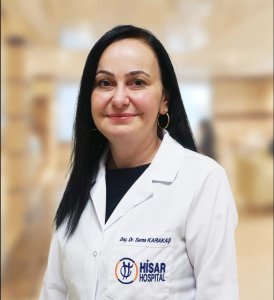
Sema Karakas
Specializes in gynecologic oncology and laparoscopic surgeries, including scarless V-Notes procedures at Hisar Hospital Intercontinental.
- Expert in minimally invasive oophorectomy techniques
- Performs advanced laparoscopic and V-Notes surgeries
- Focuses on gynecologic oncology procedures
- Skilled in complex uterine and cyst removal surgeries
Video Stories from Bookimed Patients
Reviews about Bookimed: Discover Patients' Insights
All reviewsShare this content
 Anna Leonova

FAQ about Оophorectomy in Turkey
Should I prepare language assistance, local SIM cards, and what clothing is advised?
Preparing for oophorectomy in Turkey requires prioritizing digital connectivity, loose clothing, and translation tools. Most JCI-accredited clinics like Hisar Hospital Intercontinental provide professional translators, but independent navigation in Istanbul or Antalya requires a local eSIM and offline Turkish language packs for pharmacies and transport.
- Language assistance: Download Google Translate offline Turkish packs for use outside hospital international departments.
- Connectivity: Buy a Turkcell or Vodafone eSIM via Airalo for reliable WhatsApp communication.
- Post-op clothing: Pack loose cotton dresses or kaftans to avoids pressure on abdominal incisions.
- Modest layering: Carry a lightweight jacket or pashmina to cover shoulders in public areas.
Bookimed Expert Insight: While many surgeons like Dr. Esra Ozbasli are fluent in English, hospital WiFi often fluctuates outside patient rooms. A local SIM is a safety essential for using taxi apps like BiTaksi, as most Turkish drivers do not speak English and rarely accept international credit cards without a digital app interface.
Patient Consensus: Patients emphasize wearing loose leggings or maxi dresses because tight waistbands are extremely painful after laparoscopic surgery. They also highly recommend hiring a bilingual fixer through WhatsApp groups if your recovery accommodation is far from the clinic.
What certifications should I look for in Turkish clinics for oophorectomy?
Standard certifications for Turkish oophorectomy clinics include Joint Commission International (JCI) accreditation and ISO 9001 quality management systems. Patients should also verify Turkish Medical Association (TMA) membership and Ministry of Health authorization for international health tourism to ensure high safety protocols and surgical competence.
- JCI accreditation: Joint Commission International status confirms the facility meets rigorous global patient safety standards.
- Ministry of Health: The Health Tourism Authorization Certificate is mandatory for treating international surgical patients legally.
- Specialized certifications: Look for Temos International Healthcare Accreditation or ISO 15189 for advanced laboratory quality.
- Surgeon credentials: Top doctors often hold Da Vinci Robotic Surgery certification or European Board-certified status.
Bookimed Expert Insight: While JCI is the gold standard for hospitals like Memorial Bahçelievler, pay closer attention to specific surgical technology certifications. At clinics like Hisar Hospital Intercontinental, surgeons using V-NOTES or robotic systems must have manufacturer-specific training. These technical credentials often correlate with shorter hospital stays and lower complication rates in gynecological procedures.
Patient Consensus: Many patients prioritize international JCI accreditation over local Turkish branch certifications to ensure consistent infection control. They frequently advise verifying a surgeon's specific experience with minimally invasive techniques like laparoscopy before booking.
Will removing my ovaries cause immediate menopause?
Bilateral oophorectomy causes immediate surgical menopause because the sudden removal of both ovaries creates an abrupt stop in estrogen and progesterone production. Unlike natural menopause, which occurs over years, symptoms like hot flashes and night sweats often appear within days of the surgical procedure.
- Hormonal shift: Estrogen levels drop sharply within hours of removing both ovarian tissues.
- Symptom onset: Patients often experience intense night sweats and mood changes during week 1.
- Fertility impact: Removing both ovaries results in a permanent loss of natural reproductive capacity.
- Long-term health: Sudden estrogen loss increases risks for osteoporosis and cardiovascular disease after surgery.
Bookimed Expert Insight: Data from Turkish clinics like Assoc. Prof. Dr. Esra Özbaşlı’s practice shows a rising trend in using V-NOTES for scarless ovary removal. This approach allows surgeons to combine oophorectomy with immediate bioidentical hormone therapy starts. Choosing a clinic that offers integrated menopause management helps bridge the hormonal gap before you even leave the hospital.
Patient Consensus: Patients report that surgical menopause feels like a hormonal cliff compared to the gradual transition they expected. Many recommend securing a hormone replacement therapy plan with your surgeon before the operation to manage symptoms that peak during the first two weeks of recovery.
How long is the recovery period after oophorectomy?
Full recovery after an oophorectomy typically takes 2 to 6 weeks, depending on the surgical technique used. Minimally invasive laparoscopic procedures allow patients to return to light activity within 2 weeks, while open abdominal surgery usually requires 4 to 8 weeks for complete healing.
- Surgical approach: Laparoscopic patients often recover in 2-4 weeks; open surgery requires 6-8 weeks.
- Hospital stay: Most Turkish clinics, including JCI-accredited Hisar Hospital, provide 3-5 days of inpatient care.
- Activity restrictions: Heavy lifting must be avoided for 6 weeks to prevent postoperative hernias.
- Immediate side effects: Hormonal changes or surgical menopause symptoms may begin within the first 2 weeks.
Bookimed Expert Insight: While standard protocols suggest a quick exit, Bookimed data shows Turkish clinics often include a 3-to-5-day hospital stay. This longer inpatient period is a strategic advantage. It allows specialized surgeons like Prof. Dr. Mehmet Karaca to monitor for early complications and manage immediate hormonal shifts before you fly home.
Patient Consensus: Expect significant gas pain in the shoulders during the first 3 days after laparoscopic surgery. Walking daily from the third day is vital for recovery, but many patients report a noticeable energy crash around week 2 as hormones adjust.
What is typically included in a Turkish oophorectomy surgical package?
A typical Turkish oophorectomy surgical package includes the surgeon fee, general anesthesia, and 2 nights of hospitalization in a JCI-accredited facility. Most bundles cover pre-operative blood work, transvaginal ultrasounds, and follow-up consultations. International patients also receive VIP airport transfers and dedicated language translation services.
- Surgical techniques: Packages cover laparoscopic, robotic-assisted, or scarless V-NOTES surgery options.
- Medical diagnostics: Includes CBC, hormone profiles, and post-operative histopathology tissue evaluation.
- Hospital stay: Usually provides 2 nights in a private room with nursing care.
- Patient logistics: Standard inclusions feature luxury vehicle transfers and 24/7 personal coordination.
Bookimed Expert Insight: While many clinics offer a flat rate, the $3,270 packages often focus on laparoscopic methods. Specialists like Dr. Esra Ozbasli provide advanced robotic or V-NOTES options that may adjust the base price. Always confirm if your quote covers bilateral surgery, as some basic packages only include unilateral removal.
Patient Consensus: Patients recommend requesting itemized contracts to ensure blood tests and essential medications are included. Many suggest budgeting 20-30% extra for potential extended hospital stays or specific hormone therapy follow-ups after the procedure.
What should I expect during the immediate post-operative phase?
Immediate recovery following an oophorectomy in Turkey involves a 1-night hospital stay or same-day discharge. Medical staff prioritize stabilizing vitals and managing anesthesia grogginess. You should expect to begin walking within 4 to 6 hours to promote circulation and prevent post-operative complications.
- Mobility timeline: Patients typically begin walking 4–6 hours post-surgery to prevent blood clots.
- Pain management: Moderate cramping and incision soreness peak on day 1, managed with medication.
- Physical sensations: Expect abdominal bloating and shoulder pain from CO2 gas used during laparoscopy.
- Hospital stay: Most JCI-accredited facilities require 1 night for monitoring before clinic discharge.
Bookimed Expert Insight: While many expect staying in bed, Turkey’s top gynecologists at clinics like Hisar Hospital Intercontinental mandate walking within hours of surgery. This rapid mobilization is standard across the 2,300+ oophorectomy requests served in Turkey. It significantly reduces the risk of post-operative pneumonia and digestive stasis compared to traditional bed rest.
Patient Consensus: Patients often report that shoulder tip pain from surgical gas is more surprising than incision discomfort. Many find that heat packs and pre-emptive stool softeners are essential for managing the first 48 hours of recovery.
Which are the top-rated hospitals for oophorectomy in Turkey?
Top-rated hospitals for oophorectomy in Turkey include JCI-accredited facilities like Hisar Hospital Intercontinental, Memorial Bahçelievler, and Anadolu Medical Center. These centers specialize in minimally invasive laparoscopic and robotic-assisted surgeries, often led by surgeons with over 20 years of clinical experience in gynecologic oncology.
- Hisar Hospital: JCI-accredited facility offering laparoscopic oophorectomy with dedicated international patient translation services.
- Memorial Bahçelievler: Turkey first LEED Platinum-certified hospital focusing on advanced gynecological and robotic surgery.
- Anadolu Medical Center: Affiliated with Johns Hopkins Medicine, specializing in da Vinci robot-assisted oncology procedures.
- Expert clinics: Specialized practices like Assoc. Prof. Dr. Esra Özbaşlı offer high-volume laparoscopic expertise.
Bookimed Expert Insight: Data shows a significant experience gap between multi-specialty hubs and private practices. While Hisar Hospital serves over 250,000 patients annually, private clinics like Assoc. Prof. Dr. Esra Özbaşlı focused entirely on gynecology report performing over 1,100 laparoscopic procedures, offering more specialized niche expertise for complex cases.
Patient Consensus: Patients recommend prioritizing JCI-accredited chains like Acıbadem for high case volumes. They also suggest booking business class for the return flight to improve recovery comfort after abdominal surgery.
How long do I need to stay in Turkey after oophorectomy?
Patients typically need to stay in Turkey for 5 to 10 days after an oophorectomy to ensure safe travel. Laparoscopic procedures require 4 to 7 days, while open surgeries usually demand 10 to 14 days. These timelines allow for essential post-operative monitoring of infection risks and deep vein thrombosis before long-haul flights.
- Hospital stay: Expect 1 night for laparoscopic surgery or 2 to 3 nights for open laparotomy.
- Clinical follow-up: Most Istanbul clinics schedule a mandatory check-up 4 to 5 days after discharge.
- Flight safety: Medical professionals recommend waiting at least 7 days to minimize blood clot risks.
- Recovery window: Plan for 7 to 10 days total in-country to manage common post-op gas pain.
Bookimed Expert Insight: Data from top-tier facilities like Hisar Hospital Intercontinental shows a strong shift toward minimally invasive techniques. Choosing a JCI-accredited center often ensures access to advanced laparoscopic or V-NOTES scarless methods. These techniques significantly reduce hospital stays to just 24 hours, compared to the longer recovery seen with traditional open surgery.
Patient Consensus: Many patients suggest booking flexible hotel stays for at least 7 days. They emphasize the importance of requesting airport wheelchair assistance to avoid heavy lifting or long walks during early recovery.