Ovarian cancer surgery in Turkey — get 3 personalized clinic matches


Medically reviewed by
Yesim Yildirim
How it works
How Much Does Ovarian cancer surgery Cost in Turkey?
Ovarian cancer surgery in Turkey typically costs from $7,700 to $16,500 depending on the surgical approach, clinic tier, and cancer stage. In the US, the average price for similar procedures is around $65,000. Patients can achieve savings of approximately 81% compared to US rates. Treatment packages often include the surgical procedure, hospital stay, medications, and airport transfers.
- Oophorectomy: $2,500 to $5,500 for the surgical removal of one or both ovaries.
- Ovarian cyst removal: $1,800 to $4,000 for less invasive tumor or cyst excision.
- Robotic-assisted surgery: Typically adds a 20-30% premium over traditional open surgery for enhanced precision.
- Advanced debulking: May increase costs by 50% when combined with specialized treatments like HIPEC.
Bookimed Expert Insight: Choosing a specialized oncology hub in Istanbul offers the highest value for complex cases. For instance, Hisar Hospital Intercontinental provides all-inclusive packages around $10,300. This includes personal nursing care and an 8-night stay. It was ranked best for cancer treatment by patients. Clinics like Anadolu Medical Center maintain a Johns Hopkins Medicine affiliation. This ensures US-level protocols at significantly lower Turkish price points.
| Turkey | Austria | Spain | |
|---|---|---|---|
| Ovarian cancer surgery | from $7,700 | ≈ $16,500 | from $18,000 |
| Ovarian Cyst Removal | from $1,800 | from $4,000 | from $3,500 |
| Oophorectomy | from $2,500 | ≈ $5,800 | from $9,900 |
Discover the Best Ovarian cancer surgery Clinics in Turkey: 34 Verified Options and Prices



Hisar Hospital Intercontinental
Mustafa Solak

















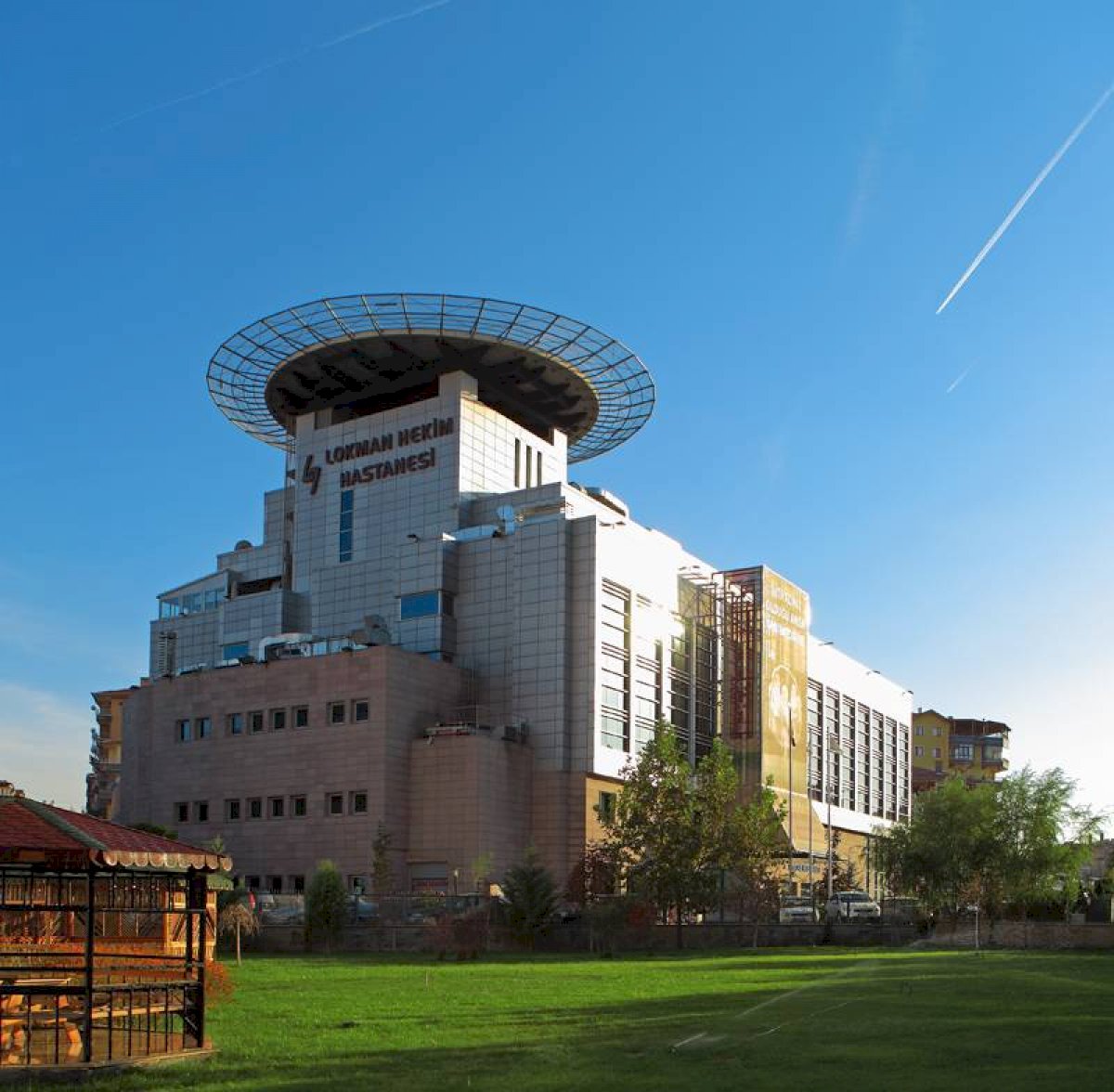
Lokman Hekim University Ankara Hospital
Yusuf Acikgoz


Ovarian cancer surgery Overview in Turkey
- Oophorectomy - from $2,500The procedure involves removing one or both ovaries to treat cancer or other ovarian diseases.
- Ovarian Cyst Removal - from $1,800The operation eliminates growths on ovaries, using laparoscopy or open surgery, promoting female reproductive health.
- Ovarian cancer surgery - from $7,700The operation aims to remove cancerous growths in ovaries, providing chances for treatment and improved survival rates.
Day 1
- Arrival at the hospital.
- Consultation with a gynecologic oncologist.
- Performing a transvaginal ultrasound test.
Day 2
- Complete blood count (CBC) test.
- Computerized tomography (CT) scan if needed.
- Discussing the surgery process with the surgeon.
Day 3 - Surgery Day
- Preparation for surgery, including fasting.
- Administration of general anesthesia.
- Ovarian cancer surgery which lasts 3-5 hours.
Day 4 - Post-Operation
- Monitoring vital signs and recovery from anesthesia.
- Assessment of physical condition.
- Start of pain management if needed.
Day 5 to Day 10
- Hospitalization for observation and recovery.
- Physical therapy starts to aid mobility.
- Discharge planning with the medical team.
Week 2 - 4 Post-Operation
- Continuation of pain management at home.
- Gradual return to light activities.
- Regular follow-up consultations.
Week 5 - 8 Rehabilitation
- Return to work if recovery is satisfactory.
- Follow-up consultations to monitor progress.
- Complete return to normal activities by week 8.
Note: Each patient"s recovery process is unique and may vary depending on individual health status and the complexity of the surgery.
What patients like:
- Cost.The Ovarian cancer surgery cost in Turkey ranges from $7,700 to $16,500. This is significantly lower compared with the cost in the USA, which can reach up to $40,000, or in Germany, with an average price around $30,000.
- Doctor’s professionalism. Turkish surgeons excel in their field, holding international certificates and memberships in renowned organizations. They have performed numerous successful surgeries.
- Service level. Turkish healthcare centers offer outstanding service with modern facilities, diligent care teams, and a patient-centric approach.
- Ovarian cancer surgery efficacy. The use of advanced surgical techniques in Turkey results in high success rates and positive outcomes.
- Logistics. Turkey's geographical location makes it easily accessible from many countries, and hospitals often provide assistance with logistics.
What patients don’t like:
- Communication barriers. Some foreign patients report language barriers, although most hospitals have English-speaking staff.
- Post-operative care. Although generally high-quality, some patients desire more comprehensive post-operative care.
- Waiting time. Sometimes, patients may experience longer waiting times due to high demand for medical services.
- Bookimed deposit: $200 or €200.
- Clinic deposit: Pay a set percentage in advance.
Our Trusted Doctors
View all Doctors
Cem Yalcinkaya
Dr. Cem Yalcinkaya is an associate professor and gynecologic oncologist at Anadolu Medical Center. He specializes in fertility-sparing surgeries and robotic procedures for gynecologic cancers. Dr. Yalcinkaya holds a robotic surgeon certificate for the DaVinci system. He successfully passed the European Society of Gynecologic Oncology (ESGO) exam in 2019.
- Certified robotic surgeon for myomectomy and hysterectomy procedures.
- Completed clinical observations at Charité Berlin and Tel Aviv Chaim Sheba Medical Center.
- Specializes in laparoscopic surgery for endometriosis and ovarian cancer.
- Member of the European Society of Gynaecological Oncology (ESGO) since 2015.

Esra Ozbasli
Assoc. Prof. Dr. Esra Ozbasli brings over 23 years of OB-GYN expertise, specializing in minimally invasive and robotic-assisted ovarian cancer surgeries.
- Trained as a da Vinci System Console Surgeon since 2013
- Academic background with 23 years at Acıbadem University training specialists
- Performs advanced laparoscopy and robotic procedures for complex cases
- Certified in Genital Aesthetics and Cosmetic Gynecology techniques

Mehmet Karaca
Professor Dr. Mehmet Karaca specializes in gynecological cancers, including ovarian cancer surgery, at Medical Park Antalya Hospital Complex.
- Over 31 years of experience in gynecology and obstetrics
- Trained in gynecological oncology surgery by the Ministry of Health
- Expert in laparoscopic surgery for gynecological cancers
- Former clinical chief at Antalya Training and Research Hospital

Ibrahim Aliosmanoglu
Performed over 2000 hepatobiliary surgeries with a 95% success rate – Prof. Aliosmanoglu specializes in complex abdominal procedures at Medical Park Antalya.
- Completed 1000+ liver transplant surgeries with 90% success rate
- Professor at Akdeniz University's General Surgery Department
- Managed Liver-Kidney-Pancreas Transplantation Unit at Akdeniz University Hospital
- Published multiple research projects on hepatobiliary and pancreatic health
Video Stories from Bookimed Patients
Reviews about Bookimed: Discover Patients' Insights
All reviewsShare this content
 Anna Leonova

FAQ about Ovarian cancer surgery in Turkey
When is the best time to travel to Turkey?
The main advantage of Turkish resorts is the long beach season. On the Mediterranean coast, it starts in April and lasts until November. In the resorts of the Aegean Sea — from May to October. The most comfortable time for swimming is from mid-June to the end of October. A large influx of tourists is in July-August, when the air temperature is +38°C, and the water warms up to +27°C.
What is the level of medicine in Turkey?
Healthcare is the key development sector of the Turkish government. The Turkish authorities are convinced that care for the citizens' health should be an absolute priority of state policy and spend about 77 billion liras for healthcare annually.
As a result, 28,000 medical facilities provide excellent medical care in the country. About 50 centers have certificate of JCI (Joint Commission International), the international improver of healthcare quality and safety across the globe. The index of certificates obtained is the largest. To compare, Israel has 20 JCI-accredited facilities, and Germany — only 10 clinics of this type.
What should you know about Turkey before the trip?
| Currency | lira (you also can pay for services in dollars and euros) |
| Best period for the trip | May-October |
| Language | Turkish (most of medical staff speaks English fluently) |
| Visa | is not required for a trip of at least 30 days per visit |
| Time difference with Europe | 3 hours |
| Time difference with the USA | 8 hours |
| Capital | Ankara |
| Medical tourism center | Istanbul |
| Popular resorts | Alanya, Antalya, Kemer, Marmaris |
Do I need a visa?
In 2020, the Republic of Turkey has visa-free agreements with 89 states. Some foreigners are exempted from obtaining entry visas, others are required to receive an electronic visa (e-Visa), and still others must apply for a visa at Turkish missions abroad.
What states need a visa for treatment in Turkey and what countries can cross the border free and easy read here.
What documents are required to apply for a visa to Turkey for treatment?
Visas for travel to Turkey require a number of documents. The necessary papers can be submitted 90 days before the planned departure. Lists of documents includes:
- ID card
- confirmation of online registration and filling out the questionnaire
- certificate of income and availability of funds ($50 per day per person)
- insurance policy for a stay in Turkey (original and copy)
- 2 photos (5x6)
- visa receipt
- booking of flight and hotel
- medical opinion about the need for treatment.
What hotel services are provided here?
In Turkey, hotels of different price ranges and service levels are presented. The level of Turkish hotels is comparable to hotels in Tunisia, Morocco or Egypt. Most tourists choose 4 and 5 star hotels with all-inclusive meals. Such hotels have everything for a comfortable stay: varied food, a large well-groomed territory, animation for children and adults. Some hotels have their own water park, which guests can use for free. Budget travelers can afford to book an economical 3-star hotel with half board or no meals at all.