Ovarian cancer surgery in Spain — get 3 personalized clinic matches
Ovarian cancer surgery in Spain costs $18,000 to $19,500, compared with about $65,000 in the US (Bookimed data, November 2026). Bookimed lists 3 ovarian cancer surgery clinics in Spain, in Barcelona, Madrid, and Las Palmas. These clinics are rated 4.7/5 in 515 verified patient reviews on Bookimed.


Medically reviewed by
Yesim Yildirim
How it works
How Much Does Ovarian cancer surgery Cost in Spain?
Ovarian cancer surgery in Spain typically costs from $18,000 to $19,500 depending on surgical complexity, clinic tier, and the specific city. In the United States, similar procedures cost around $65,000 on average. Patients save around 71% compared to the US. Costs generally include surgeon fees, anesthesia, and a short hospital stay at major medical hubs like Barcelona, Madrid, and Marbella.
- Ovarian cyst removal: $3,500 to $5,300 for less invasive cases.
- Oophorectomy: $9,900 to $13,200 for the removal of one or both ovaries.
- Complex cytoreductive surgery: Typically adds 25-50% over standard costs if extra tissue removal is required.
- Heated intraperitoneal chemotherapy: Often requires specialized packages due to the advanced technology and intensive care.
Bookimed Expert Insight: Choosing JCI-accredited centers in Barcelona or Madrid offers elite care at competitive rates. For instance, Centro Médico Teknon treats high-profile patients and holds multiple international quality awards. Clinica Universidad de Navarra reported a 95% limb preservation rate in complex oncology cases. Patients can find world-class robotic surgery and AI-driven diagnostics at these top-tier institutions. This ensures premium safety standards without the premium US price tag.
| Turkey | Austria | Spain | |
|---|---|---|---|
| Ovarian cancer surgery | from $7,700 | ≈ $16,500 | from $18,000 |
| Ovarian Cyst Removal | from $1,800 | from $4,000 | from $3,500 |
| Oophorectomy | from $2,500 | ≈ $5,800 | from $9,900 |
Discover the Best Ovarian cancer surgery Clinics in Spain: 11 Verified Options and Prices


























Policlinica Ntra. Sra. del Rosario


Ovarian cancer surgery Overview in Spain
- Oophorectomy - from $9,900The procedure involves removing one or both ovaries to treat cancer or other ovarian diseases.
- Ovarian Cyst Removal - from $3,500The operation eliminates growths on ovaries, using laparoscopy or open surgery, promoting female reproductive health.
- Ovarian cancer surgery - from $18,000The operation aims to remove cancerous growths in ovaries, providing chances for treatment and improved survival rates.
Day 1
- Arrival at the hospital.
- Consultation with a gynecologic oncologist.
- Performing a transvaginal ultrasound test.
Day 2
- Complete blood count (CBC) test.
- Computerized tomography (CT) scan if needed.
- Discussing the surgery process with the surgeon.
Day 3 - Surgery Day
- Preparation for surgery, including fasting.
- Administration of general anesthesia.
- Ovarian cancer surgery which lasts 3-5 hours.
Day 4 - Post-Operation
- Monitoring vital signs and recovery from anesthesia.
- Assessment of physical condition.
- Start of pain management if needed.
Day 5 to Day 10
- Hospitalization for observation and recovery.
- Physical therapy starts to aid mobility.
- Discharge planning with the medical team.
Week 2 - 4 Post-Operation
- Continuation of pain management at home.
- Gradual return to light activities.
- Regular follow-up consultations.
Week 5 - 8 Rehabilitation
- Return to work if recovery is satisfactory.
- Follow-up consultations to monitor progress.
- Complete return to normal activities by week 8.
Note: Each patient"s recovery process is unique and may vary depending on individual health status and the complexity of the surgery.
- Bookimed deposit: $200 or €200.
- Clinic deposit: Pay a set percentage in advance.
Our Trusted Doctors
View all Doctors
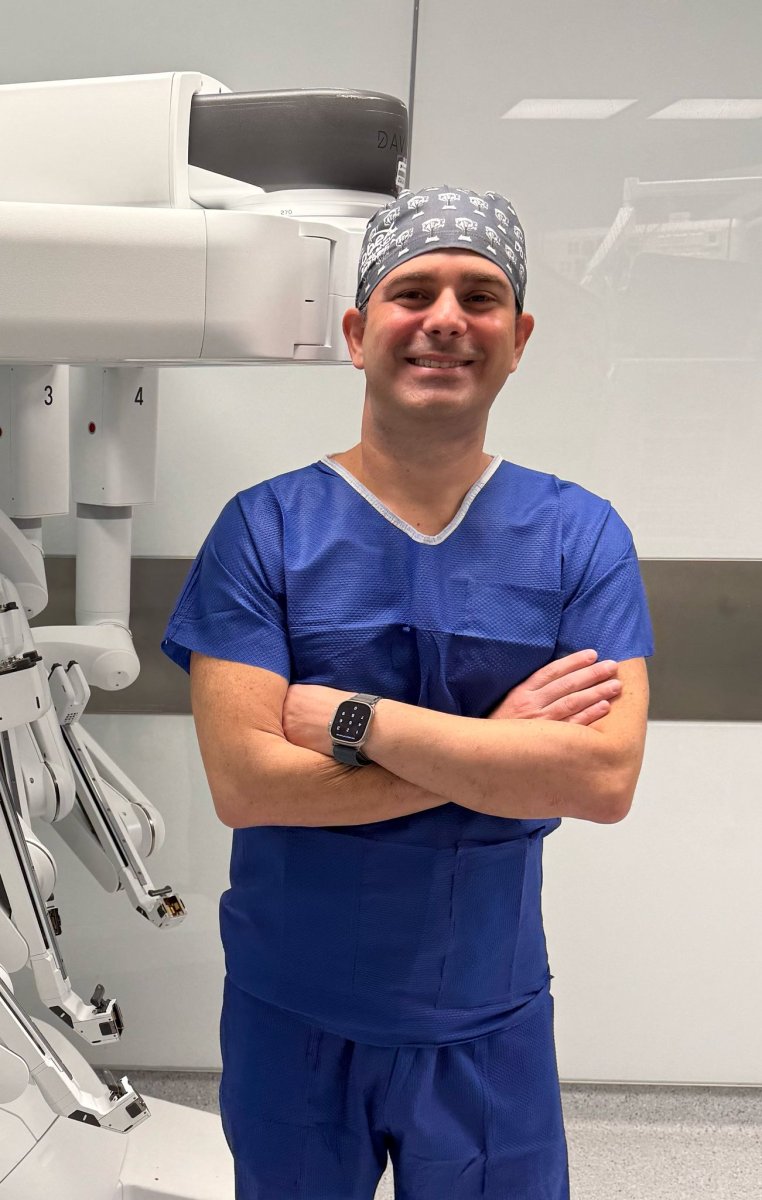
Jordi Antoni Vives
Dr. Jordi Antoni Vives is a specialist in gynecology and obstetrics at Teknogin (Centro Médico Teknon, Barcelona). He focuses on gynecologic oncology surgery, complex uterine and pelvic pathology, and tumor board coordination. He has led Obstetrics at Hospital CIMA since 2015. He has been a consultant physician at Parc Taulí since 1990.
Education/accreditations: Degree in Medicine and Surgery, University of Barcelona (1983). MIR residency in Gynecology and Obstetrics (1990). European University Diploma in Operative Endoscopy in Gynecology, advanced level (2000). Da Vinci robotic surgery accreditation (2010). Training stays at Mayo Clinic, Scottsdale (1994 and 1999).
Leadership/memberships/awards: Coordinator and president of the Functional Unit of Gynecologic Oncology and the Tumor Committee at Parc Taulí. Member of the Spanish, Catalan, and European Societies of Gynecology and Obstetrics, and of the GEICO Cervical Cancer Committee. President of the collegiate section of Gynecology and Obstetrics at the Official College of Physicians of Barcelona. Professional Excellence Award (2015) and Top Doctors Awards 2016.

Xavier Centeno Fornies
Dr. Centeno trained at Mayo Clinic's colorectal surgery department – a pioneer in complex abdominal procedures. He leads surgeries at Teknon Medical Center.
- Specialized in gastrointestinal surgery since 1993
- Accredited by ERAS-Society for enhanced recovery protocols
- Advanced training in laparoscopic techniques from Strasbourg
- Member of American Society of Colon and Rectal Surgeons
Javier Cortes Castan
Dr. Javier Cortés Castán, MD, PhD, is a medical oncologist. He is the Director and Founder of the International Breast Cancer Center (IBCC) at Centro Médico Teknon (Quironsalud) in Barcelona. He has 25+ years of practice. He specializes in HER2‑positive and triple‑negative breast cancer. Expertscape ranks him #1 worldwide in HER2+.
He has authored 550+ publications and given 800+ presentations. He leads 150+ active clinical trials. His work helped enable 12 metastatic breast cancer treatments approved in Europe. He was a key leader in KEYNOTE‑522, KEYNOTE‑355, and DESTINY‑Breast03. He is the only Spanish oncologist with two papers in CA: A Cancer Journal for Clinicians. He is a 2026 Giants of Cancer Care honoree. IBCC provides advanced care and access to trials. Centro Médico Teknon is JCI‑accredited.
Silvia Daniela Camacho Arellano
The doctor is a highly qualified medical oncologist specializing in breast cancer across all clinical stages, including curative and palliative care. With a medical degree from the Pontificia Universidad Católica del Ecuador and a five-year residency at Hospital de la Santa Creu i Sant Pau, the doctor holds a Master's Degree in Medical Oncology from the Spanish Society of Medical Oncology (SEOM).
Currently practicing at the International Breast Cancer Center (IBCC) and IOB Institute of Oncology Barcelona, the doctor has extensive experience in Phase I clinical trials and research. Clinical expertise extends to neuroendocrine tumors, gynecological cancers, and immunotherapy for non-small cell lung cancer. The doctor is an active member of SEOM and ESMO.
Video Stories from Bookimed Patients
Reviews about Bookimed: Discover Patients' Insights
All reviews


Share this content
 Anna Leonova

FAQ about Ovarian cancer surgery in Spain
Why choose Spain for ovarian cancer surgery?
Spain offers high-level ovarian cancer surgery through Joint Commission International (JCI) accredited facilities and specialized oncological units. Patients access advanced techniques like Da Vinci robotic surgery, HIPEC, and laparoscopy, often saving 71% compared to US costs for complex gynecological resections.
- Accredited facilities: Clinics like Centro Médico Teknon hold Joint Commission International and EFQM quality certifications.
- Advanced technology: Surgeons utilize Da Vinci Xi robotics, Hyperthermic Intraperitoneal Chemotherapy, and 3-Tesla MRI imaging.
- Specialized expertise: Surgeons like Xavier Centeno Fornies undergo training at institutions like the Mayo Clinic.
- Rapid recovery: Minimally invasive laparoscopic approaches often allow for day-procedure recovery in specific cases.
Bookimed Expert Insight: Spain stands out for preventive oncology; it is a key site for the TUBA WISP II study. Some facilities offer preventive salpingectomy, which allows high-risk patients to remove fallopian tubes while successfully preserving ovarian hormones. This proactive approach is a significant clinical differentiator compared to standard global protocols.
Patient Consensus: Patients report that women's cancers receive high priority and proactive surveillance. Many appreciate the surgery-first approach for large tumors and the availability of hormone-preserving options.
What does ovarian cancer surgery involve in Spain?
Ovarian cancer surgery in Spain focuses on cytoreduction to remove all visible tumors through laparotomy or robotic-assisted techniques. Leading JCI-accredited centers in Madrid and Barcelona utilize multidisciplinary teams to perform comprehensive staging, including oophorectomy, salpingectomy, and lymph node dissection, ensuring optimal patient outcomes.
- Surgical methods: Surgeons use laparotomy for staging or minimally invasive Da Vinci robotic-assisted systems.
- Primary goal: Total cytoreductive debulking removes the ovaries, tubes, uterus, omentum, and affected lymph nodes.
- Fertility preservation: Unilateral salpingo-oophorectomy may be an option for young patients with early-stage disease.
- Cost range: Treatment typically costs $18,000 to $19,500 depending on complexity and technology used.
Bookimed Expert Insight: Spain ranks 4th globally for oncology requests, reflecting high trust in its specialized infrastructure. Centers like Hospital Ruber Internacional and Clinica Universidad de Navarra integrate advanced technologies like the Da Vinci Xi system. Patients benefit from international research participation, such as trials for hormone-preserving preventative salpingectomy.
Patient Consensus: Patients value the use of small 1.5 cm incisions for early-stage cases. Many emphasize the importance of monitoring CA-125 levels during post-surgical surveillance every 3 months.
Which are the top hospitals in Spain for ovarian cancer treatment?
Top hospitals in Spain for ovarian cancer treatment include Clinica Universidad de Navarra, Centro Médico Teknon, and HM Madrid. These JCI-accredited facilities provide multidisciplinary care, including cytoreductive surgery and HIPEC. Patients access advanced robotic-assisted surgery and clinical trials led by internationally trained oncologists.
- Accreditation standards: Clinics hold JCI and ESMO (European Society for Medical Oncology) certifications for safety.
- Surgical excellence: Surgeons like Dr. Xavier Centeno specialize in recovery-enhancing laparoscopic and robotic procedures.
- Treatment range: Full oncology services include neoadjuvant chemotherapy, immunotherapy, and complex surgical oncology.
- Technological reach: Facilities utilize artificial intelligence, digital imaging, and the Da Vinci robotic system.
Bookimed Expert Insight: Clinica Universidad de Navarra stands out as a top choice because it was the first in Spain to achieve JCI accreditation. It maintains high standards with over 440 doctors and 140,000 annual patients. This high volume often translates into better surgical outcomes for complex oncology cases.
Patient Consensus: Patients value verifying surgeon credentials through official directories like Doctoralia and seeking support from national advocacy groups. They often focus on programs that provide comprehensive access to specialized gynecological oncology departments.
What is the typical recovery time?
Typical recovery from ovarian cancer surgery in Spain depends on the surgical approach used. Patients undergoing minimally invasive laparoscopic or robotic procedures generally recover within 6 to 8 weeks. Open abdominal surgery requires a longer timeline of 3 to 6 months for complete healing.
- Hospital stay: Expect 1–3 nights in Spanish facilities for most oncological surgeries.
- Minimally invasive: Patients often reach 90% recovery by week 2 after robotic surgery.
- Activity restrictions: Wait 3 weeks before driving and 1 month before flying home.
- Long-term healing: Plan for 3 months of fatigue even after physical pain subsides.
Bookimed Expert Insight: Spanish oncology centers like Centro Médico Teknon and Hospital Ruber Internacional utilize Da Vinci Xi robotics to shorten hospital stays. While US patients often face same-day discharge, Spanish protocols prioritize 1–3 nights of monitoring. This standard provides better immediate post-operative pain management and lowers the risk of early complications.
Patient Consensus: Many patients find the gas pain after laparoscopic surgery more challenging than the incisions. Expect to feel significantly better within two weeks, but respect the full timeline to avoid setbacks.
Can international patients receive treatment?
International patients can access ovarian cancer surgery in Spain through a highly developed private healthcare network. Top-tier hospitals like Centro Médico Teknon and Hospital Ruber Internacional provide dedicated international departments. These facilities offer advanced robotic systems and specialized oncology teams for foreign residents and medical travelers.
- Specialized oncology centers: Spanish hospitals like Clinica Universidad de Navarra hold JCI and ESMO accreditations.
- Advanced surgical options: Surgeons perform complex tumor resections using Da Vinci robotic and laparoscopic techniques.
- Logistical support: Major clinics provide medical coordinators, online consultations, and concierge services for logistics.
- Language assistance: Private hospitals typically employ English-speaking staff and offer official translation for consent.
Bookimed Expert Insight: Spain ranks among the top 5 global destinations for medical requests in our network. Data shows that clinics in Madrid and Barcelona maintain a high volume of over 10,000 to 450,000 patients annually. This suggests that their infrastructure is specifically optimized for high-capacity, complex oncology cases rather than just routine surgeries.
Patient Consensus: Patients find that private Spanish hospitals actively welcome international travelers with established infrastructure. They recommend contacting international patient offices directly to arrange necessary certified translators for official medical consent procedures.