Self-ligating braces in Turkey — get 3 top clinic matches with costs


Medically reviewed by
Fahad Mawlood
How it works
How Much Does Self-ligating braces Cost in Turkey?
Self-ligating braces in Turkey typically cost from $1,300 to $2,300 for a full treatment. Total expenses depend on the system used, clinic location, and case complexity. Patients save approximately 68% compared to the US, where the average cost is $5,700. Most Turkish dental packages include consultations, 3D X-rays, regular adjustments, and post-treatment retainers.
- H4 self-ligating metal braces (USA), 1 jaw: $650 to $1,100.
- Clarity self-ligating ceramic braces (USA), 1 jaw: $900 to $1,100.
- SmartClip braces: $1,300 to $2,200.
- Damon system premium: Expect to pay 20-30% more for this advanced brand.
- Regional hubs: Main dental hubs include Istanbul, İzmir, Ankara, and Antalya.
Bookimed Expert Insight: Choosing a clinic in İzmir like WestDent often provides exceptional value. They maintain a 99% success rate while offering Swiss Straumann certifications. While Istanbul clinics like Dental Bosphorus offer decades of experience, İzmir provides high-tier care. Many Turkish facilities are JCI-accredited, ensuring US-level safety standards at a fraction of the price. Always confirm if your quoted price covers the final retention phase.
| Turkey | The UK | The USA | |
|---|---|---|---|
| Self-ligating braces | ≈ $1,300 | from $2,500 | ≈ $4,500 |
| SmartClip braces | ≈ $1,300 | ≈ $2,900 | ≈ $4,500 |
| H4 self-ligating metal braces (USA), 1 jaw | ≈ $650 | ≈ $1,900 | ≈ $3,000 |
| Clarity self-ligating ceramic braces (USA), 1 jaw | from $900 | ≈ $1,500 | ≈ $2,800 |
Discover the Best Self-ligating braces Clinics in Turkey: 28 Verified Options and Prices




Memorial Şişli Hospital
Asli Tapan Kavusturan



Hisar Hospital Intercontinental
Seniz Ustundag


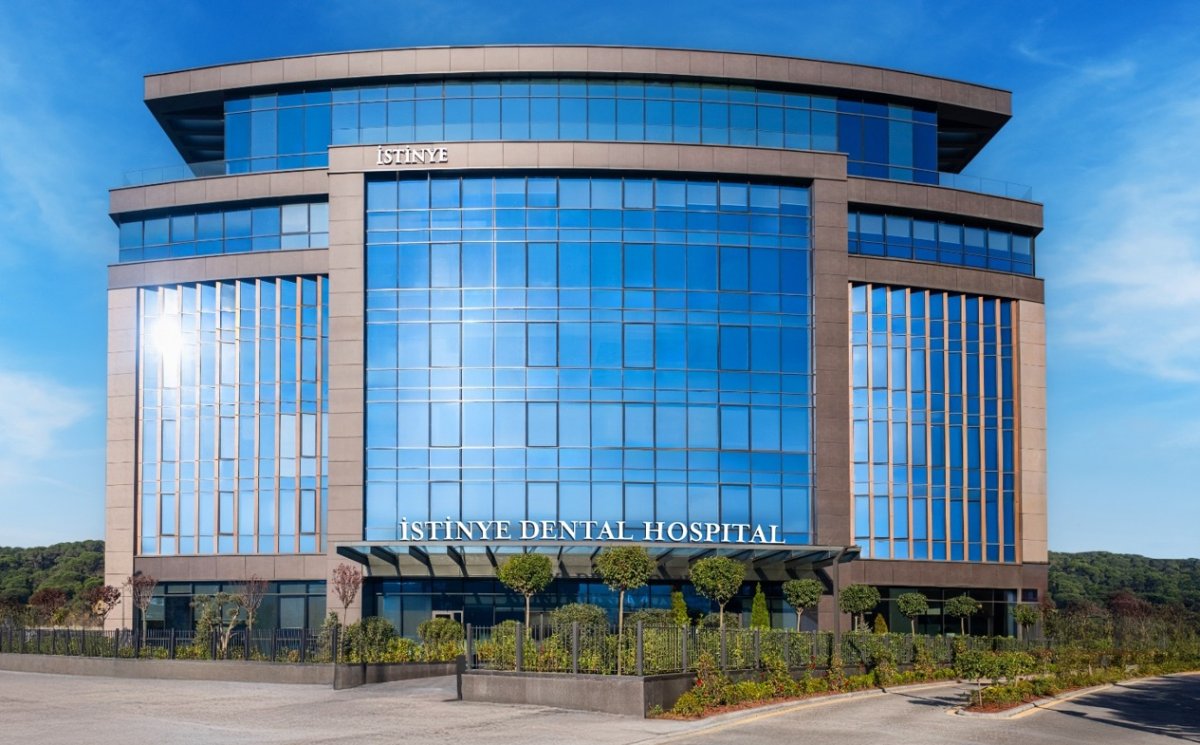
İstinye Dental Hospital
Betul Balli Demirel


Fizyomer Terapia Physical Therapy and Rehabilitation & Aesthetic & Dental Medical Center
Berrin Akpinar



Self-ligating braces Overview in Turkey
Day 1
- Arrive in the country.
- Transfer from the airport to the hotel.
Day 2
- Consultation with orthodontist.
- Perform medical tests such as X-rays.
Day 3
- Self-ligating braces fitting procedure, which usually takes 1-2 hours.
- No anesthesia is required for this procedure.
Day 4
- Post-procedure check-up with the orthodontist.
- Instructions on care and cleaning of braces are given.
Day 5
- Final consultation with the orthodontist.
- Transfer from the hotel to the airport.
Week 1-2
- Initial adjustment to braces at home.
- Regular cleaning and care of braces.
Week 3-4
- Return to work and other activities.
- Regular check-ups with a local orthodontist for adjustment.
Month 6-24
- Gradual alignment of teeth.
- Final result can be seen after 1-2 years, depending on the case.
Keep in mind that each case is individual and the timeline may vary.
- Bookimed deposit: $200 or €200.
- Clinic deposit: Pay a set percentage in advance.
Our Trusted Doctors
View all Doctors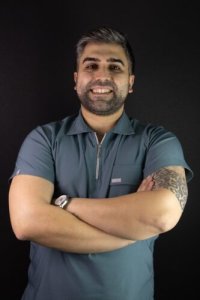
Taha Abbas Goktas
Dr. Taha Abbas Göktaş is the founder of TH Dental Clinic in Istanbul. He specializes in implant surgery and aesthetic dentistry, integrating both into a single treatment plan. Dr. Göktaş uses restoratively-driven planning, where the final smile design determines the implant position. He holds a license for international health tourism from the Turkish Ministry of Health.
- Co-authored implantology research in the International Journal of Oral & Maxillofacial Implants.
- Performs bone grafting and sinus lifts for patients with bone loss.
- Performs full-arch rehabilitations using All-on-4 and All-on-6 protocols.
- Speaks seven languages, including English, Arabic, French, and Russian.
Asli Tapan Kavusturan
Dr. Asli Tapan Kavusturan specializes in self-ligating braces at Memorial Şişli Hospital, bringing over 26 years of dental expertise.
- Trained at Ege University Faculty of Dentistry
- Member of Turkish Dental Association and Academy of Esthetic Dentistry
- Participated in numerous international dental congresses and seminars
- Works at one of Istanbul's leading private hospitals

Mehmet Alp Tavas
Dr. Tavas specializes in self-ligating braces with over 50 years of dental experience and advanced training from the University of Manchester.
- PhD in Dentistry from University of Manchester
- Published research on orthodontic bonding and enamel treatments
- Faculty member at top Turkish dental universities
- Extensive experience in orthodontic techniques
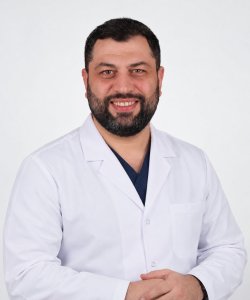
Omran Aldura
Dr. Omran Aldura is a dentist. He graduated from the Faculty of Dentistry at Damascus University in 2016. He trained in dental diagnosis, treatment planning, restorative dentistry, and patient-centered oral care.
He is officially registered. He provides restorative and aesthetic treatments and comprehensive care planning. He emphasizes clear communication and careful case assessment. His care aims for safe, effective, and personalized outcomes that balance function, appearance, and long-term oral health.
Video Stories from Bookimed Patients
Reviews about Bookimed: Discover Patients' Insights
All reviews

Share this content
 Anna Leonova

FAQ about Self-ligating braces in Turkey
What are self-ligating braces and how do they affect tooth movement?
- Reduced friction: Sliding doors allow wires to move freely for faster early tooth alignment.
- Gentle pressure: Continuous light forces typically result in less soreness than traditional elastic ties.
- Better hygiene: Eliminating rubber bands reduces food trapping and simplifies daily brushing and flossing.
- Fewer visits: Built-in retention mechanisms often require 20% fewer adjustment appointments during the process.
Bookimed Expert Insight: While brand names like Damon or SmartClip are popular, the orthodontist's skill remains the primary driver of success. Data from top Istanbul clinics shows that experienced specialists often mix passive and active brackets to balance early comfort with precise final positioning. Choose a doctor with over 10 years of experience to ensure the sliding mechanics are properly calibrated for your specific crowding case.
Patient Consensus: Patients frequently highlight that these braces are much easier to keep clean because there are no stained elastics. Many report a smoother experience with significantly less pressure during the first few months compared to friends with traditional metal braces.
What are the safety and comfort differences between self-ligating and traditional braces?
Self-ligating braces enhance safety and comfort by replacing elastic ties with a specialized sliding mechanism. This design reduces plaque-trapping surfaces, improving gum health. While initial soreness is lower due to reduced friction, both systems offer equivalent long-term clinical safety regarding enamel and root health.
- Hygiene safety: Built-in clips eliminate elastic o-rings, significantly reducing bacteria and plaque accumulation.
- Soft tissue comfort: Rounded bracket edges and lack of poking wires minimize mucosal irritation and cuts.
- Adjustment experience: Passive slide technology allows quicker, gentler wire changes compared to traditional manual tightening.
- Clinical maintenance: Patients require fewer office visits, typically every 8–12 weeks instead of 4–6 weeks.
Bookimed Expert Insight: Clinical data shows that advanced systems like Damon or SmartClip are particularly effective for international patients. Because these brackets require fewer adjustments, skipping a single monthly check-up is less likely to stall progress. Clinics like Istinye Dental Hospital leverage this university-backed technology to accommodate busier travel schedules safely.
Patient Consensus: Many patients report significantly less soreness during the first week and appreciate the easier brushing routine. However, others mention that clips can occasionally pop open, requiring a quick clinic visit to re-secure the wire.
How long does orthodontic treatment with self-ligating braces usually take in Turkey?
Orthodontic treatment with self-ligating braces in Turkey typically lasts 18 to 24 months. While minor crowding may conclude in 12 months, complex bite misalignments can extend to 30 months. Factors like patient age, bone density, and consistent attendance for adjustments every 6 to 8 weeks influence the total timeline.
- Case complexity: Minor alignment takes 12 months, while severe cases require up to 30 months.
- Adjustment frequency: Self-ligating systems require follow-up visits in Turkey every 6 to 8 weeks.
- System efficiency: Built-in clips reduce friction, potentially accelerating early tooth movement stages significantly.
- Retention phase: Patients must wear retainers for 12 months post-treatment to maintain final results.
Bookimed Expert Insight: Data from high-volume centers like WestDent Clinic shows a 99% success rate for dental procedures. Choosing clinics with university affiliations, such as İstinye Dental Hospital, provides access to PhD-level orthodontists. These specialists often utilize advanced systems like SmartClip or Damon to optimize movement efficiency for international patients.
Patient Consensus: Patients emphasize that skipping scheduled appointments or neglecting oral hygiene consistently extends the timeline. Success relies on committing to the 18 to 24-month window for stable, long-term results.
What types of self-ligating braces can I choose from in Turkey?
Patients in Turkey can choose from advanced self-ligating systems including Damon Q, Damon Clear, SmartClip, and H4 braces. These options utilize specialized clips or doors instead of elastic bands, appearing in both passive and active configurations at JCI-accredited facilities in Istanbul and Izmir.
- System variety: Options include popular Damon Q, Damon Clear, and active SmartClip systems.
- Material types: Choose between durable stainless steel or aesthetic, tooth-colored ceramic brackets.
- Brand options: Clinics frequently utilize world-leading brands like Ormco, Empower, and 3M Victory.
- Treatment efficiency: These systems typically require 6 to 12 fewer follow-up visits than traditional braces.
Bookimed Expert Insight: While many choose based on aesthetics, the technical distinction between active and passive systems is key. Data shows Turkish clinics like Dental Bosphorus often recommend passive Damon systems for smoother adjustments. Conversely, active systems like Empower provide more direct pressure for complex tooth control.
Patient Consensus: Patients value the time savings and report fewer appointments are needed compared to traditional methods. Experts suggest verifying that clinics use genuine Ormco or Damon hardware to ensure the highest treatment success.
Can international patients complete self-ligating braces treatment in Turkey without monthly travel?
International patients can complete self-ligating braces treatment in Turkey by visiting every 8 to 12 weeks instead of monthly. Systems like Damon Q2 or H4 reduce friction and allow for longer intervals between manual adjustments. While full remote treatment is impossible, most cases require only 5 to 10 total trips.
- Appointment frequency: Check-ups occur every 8–12 weeks compared to 4–6 weeks for traditional braces.
- Initial stay: The first visit for bonding and consultation typically requires 5 to 7 days.
- Remote monitoring: Some clinics use AI smartphone scans to track progress and minimize unnecessary travel.
- Mandatory visits: Physical attendance is required for initial bonding, mid-course wire changes, and final debonding.
Bookimed Expert Insight: Choosing a university-affiliated center like Medipol University Ankara Dental Hospital, which serves 35,000 patients annually, often provides access to higher-tier hardware like Damon Q2. These advanced systems are specifically engineered for fewer activations. This makes them significantly more reliable for international patients who cannot return to Turkey on short notice for bracket failures.
Patient Consensus: Many patients find 12-to-18-month timelines achievable by budgeting for 4 main trips and using WhatsApp for photo check-ins. Success relies on having a local orthodontist as backup for emergency repairs like broken brackets or poking wires.
What is typically included in an international patient package for self-ligating braces in Turkey?
International self-ligating braces packages in Turkey typically bundle various clinical and logistical services for a seamless experience. These comprehensive offerings generally include the initial 3D diagnostics, bracket installation using systems like Damon or H4, post-treatment retainers, VIP airport-to-clinic transfers, and 4-star or 5-star hotel accommodations.
- Clinical diagnostics: Comprehensive exams include 3D panoramic X-rays and digital intraoral scans.
- Premium hardware: Packages feature brand-name brackets such as Damon Q, H4, or SmartClip.
- Essential aftercare: Most plans include standard pain medications, hygiene kits, and initial retainers.
- Travel logistics: Providers typically bundle 5–10 nights in luxury hotels and private transfers.
- Remote monitoring: Surgeons coordinate up to 18 virtual adjustment visits after the first trip.
Bookimed Expert Insight: While many think braces require monthly international flights, Turkey's top clinics now perform 80% of the active treatment during a single 7-14 day visit. Experts like those at Istinye Dental Hospital utilize advanced digital planning to minimize physical follow-ups. Always confirm if your package includes a local dentist coordination fee to handle minor wire clips back home.
Patient Consensus: Patients value the 24/7 WhatsApp support and English-speaking coordinators who manage the itinerary. Many emphasize checking that the specific bracket brand, such as Damon, is explicitly itemized in the digital quote before arrival.