Slit Lamp Examination in Turkey — Get 3 Top Clinic Matches with Costs

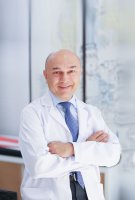
Medically reviewed by
Ali Zirh
How Much Does Slit lamp examination Cost in Turkey?
A slit lamp examination in Turkey typically costs from $40 to $90. The final price depends on the clinic location and the ophthalmologist's expertise. Patients save about 83% compared to the US, where this diagnostic costs $380 on average. The examination is often part of a general eye checkup in major cities like Istanbul and Izmir.
- Regional variations: Prices in Izmir may start as low as $40 at specialized eye clinics.
- Specialist expertise: Consultations with professors or highly experienced surgeons often carry a small premium.
- Facility type: Multi-specialty hospitals like Liv Hospital Ulus often charge more than boutique clinics.
- Package inclusions: Some clinics bundle the scan with digital retinal imaging or vision field tests.
Bookimed Expert Insight: Choosing a specialized eye network provides better value than general hospitals. Dunyagoz Eye Hospital operates the largest eye care network in Turkey. They treat 62,000 patients annually and offer 24/7 emergency eye care. This high volume allows for modern diagnostic standards at very competitive rates. Many top Turkish ophthalmologists also have significant international experience. Dr. Peykan Türkçüoğlu previously worked at the Wilmer Eye Institute at Johns Hopkins Hospital. This level of expertise ensures high diagnostic accuracy for complex retinal or corneal conditions.
| Turkey | Austria | Spain | |
|---|---|---|---|
| Slit lamp examination | from $40 | ≈ $70 | ≈ $80 |
Your Benefits and Guarantees with Bookimed
Transparent Prices & Flexible Installments
No hidden fees – just official clinic prices. Pay at the clinic for Slit lamp examination upon arrival and use a flexible installment plan if needed.
Verified Clinics & Doctors Only
Bookimed is committed to your safety. We only work with medical institutions that maintain high international standards in Slit lamp examination and have the necessary licenses to serve international patients worldwide.
Free 24/7 Assistance
Bookimed offers free expert assistance. A personal medical coordinator supports you before, during, and after your treatment, solving any issues. You're never alone on your Slit lamp examination journey.

Your personal Bookimed medical coordinator
- Supports you at every stage
- Helps choose the right clinic and doctor
- Ensures quick and convenient access to information
Discover the Best Slit lamp examination Clinics in Turkey: 23 Verified Options and Prices



Hisar Hospital Intercontinental
Faruk Eroglu







Cagin Eye Hospital
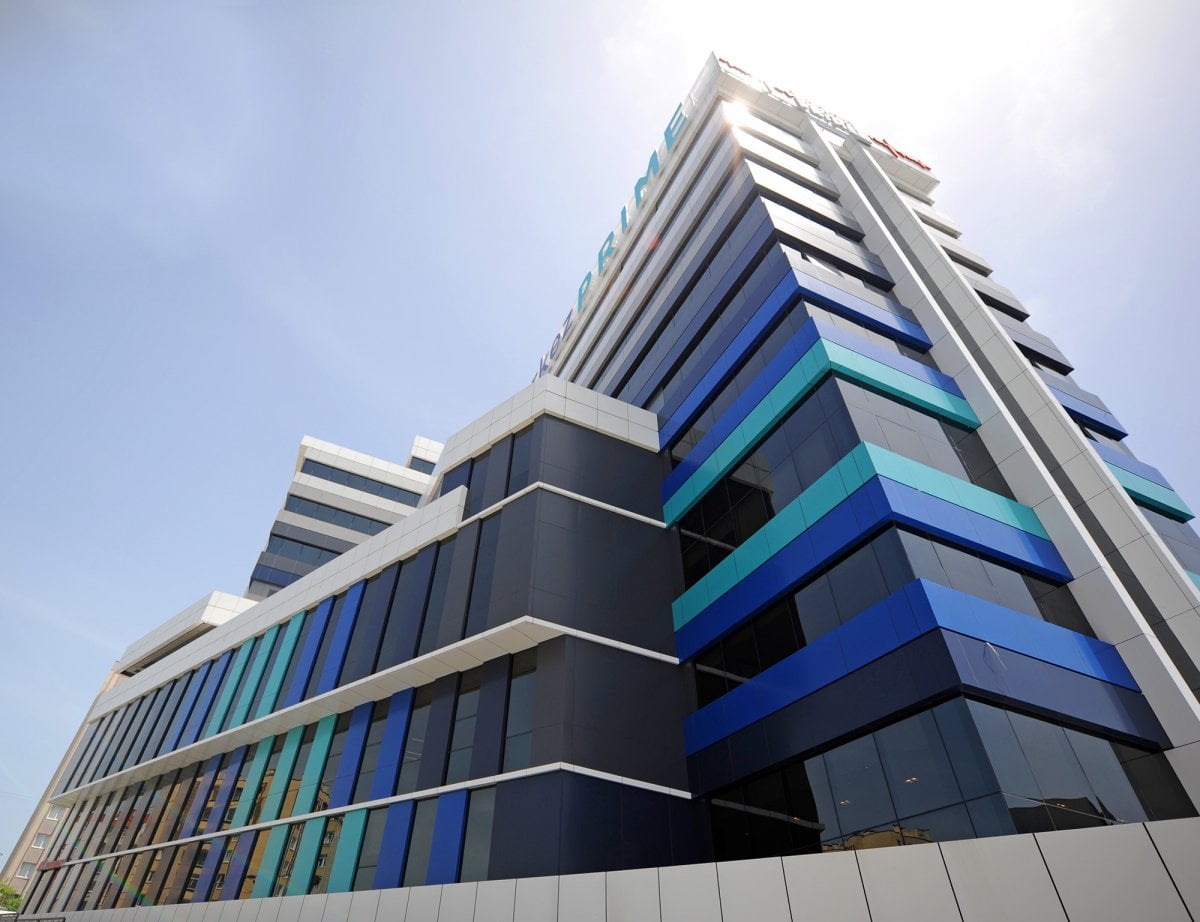
Merkez Prime Hospital

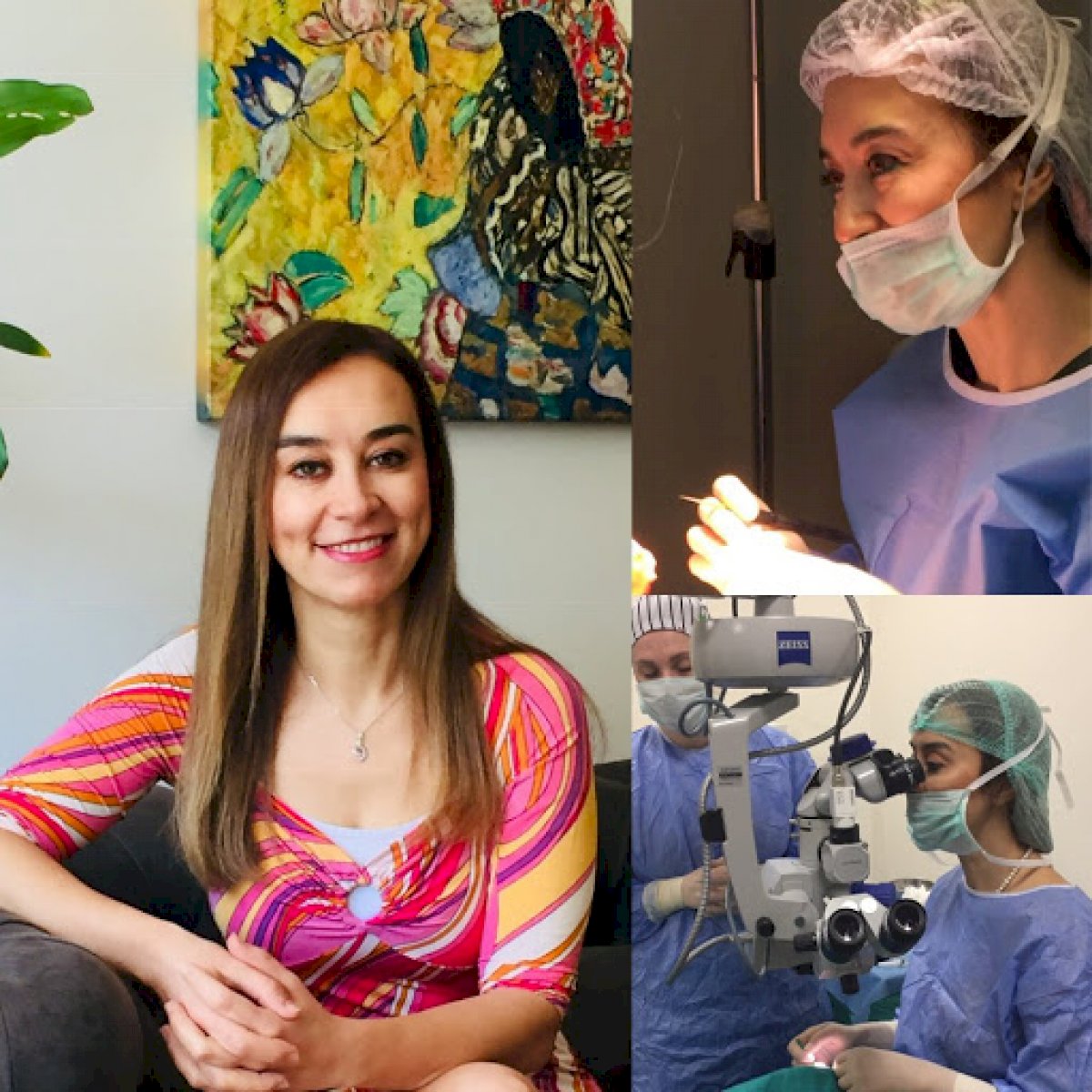
Dr. Ebru Acar's Eye Clinic
Our Trusted Doctors
View all Doctors
Abdullah Ozkaya
Dr. Abdullah Ozkaya is an ophthalmologist at Memorial Şişli Hospital. A slit lamp examination is a standard tool in his retinal evaluations.
- Performs vitreoretinal surgery – treats deep eye structures like the vitreous and retina
- Has published over 83 articles in international peer-reviewed medical journals
- Teaches at Aydin University – helps train future eye specialists
- Member of the European Vitreoretinal Society which sets regional standards
- Highly cited researcher with findings referenced over 500 times by others
Faruk Eroglu
10,000+ Argon Laser procedures performed – Dr. Eroglu is a senior ophthalmologist at Hisar Hospital Intercontinental.
- Uses slit lamp examination to diagnose retinal diseases and yellow spot issues.
- Performed over 5,000 Excimer Laser treatments for vision correction.
- Completed 1,000+ cataract surgeries using advanced microsurgery techniques.
- Specialized in ophthalmology at Istanbul University Istanbul Faculty of Medicine.
- Member of the American Academy of Ophthalmology (AAO).

Omer Kamil Dogan
Dr. Omer Kamil Dogan is a senior ophthalmologist at Hisar Hospital Intercontinental in Istanbul. He specializes in cornea transplantation and corneal diseases. Dr. Dogan currently heads the Ophthalmology Department at Hisar Hospital. He holds a professorship from Selcuk University Faculty of Medicine.
- Authored over 170 scientific publications and 3 book chapters.
- Treats complex conditions including glaucoma and cataracts.
- Performs specialized corneal and conjunctival surgeries.
- Practices at a JCI-accredited hospital serving 500,000 patients annually.

Fırat Helvacıoğlu
Dr. Helvacıoğlu has performed over 20,000 surgeries at Veni Vidi Eye Clinics. He uses slit lamp examination to precisely evaluate patients for complex vision correction procedures.
- Holds board certification from the International Council of Ophthalmology (ICO)
- Expert in phacoemulsification – uses ultrasound to treat cataracts by replacing the lens
- Member of the European Society of Cataract and Refractive Surgeons
- Specializes in ReLEx SMILE and IntraLase laser eye surgery techniques
- Treats corneal conditions such as keratoconus with cross-linking and keratoplasty
Video Stories from Bookimed Patients
Share this content
 Anna Leonova
FAQ about Slit lamp examination in Turkey
When is the best time to travel to Turkey?
The main advantage of Turkish resorts is the long beach season. On the Mediterranean coast, it starts in April and lasts until November. In the resorts of the Aegean Sea — from May to October. The most comfortable time for swimming is from mid-June to the end of October. A large influx of tourists is in July-August, when the air temperature is +38°C, and the water warms up to +27°C.
What is the level of medicine in Turkey?
Healthcare is the key development sector of the Turkish government. The Turkish authorities are convinced that care for the citizens' health should be an absolute priority of state policy and spend about 77 billion liras for healthcare annually.
As a result, 28,000 medical facilities provide excellent medical care in the country. About 50 centers have certificate of JCI (Joint Commission International), the international improver of healthcare quality and safety across the globe. The index of certificates obtained is the largest. To compare, Israel has 20 JCI-accredited facilities, and Germany — only 10 clinics of this type.
What should you know about Turkey before the trip?
| Currency | lira (you also can pay for services in dollars and euros) |
| Best period for the trip | May-October |
| Language | Turkish (most of medical staff speaks English fluently) |
| Visa | is not required for a trip of at least 30 days per visit |
| Time difference with Europe | 3 hours |
| Time difference with the USA | 8 hours |
| Capital | Ankara |
| Medical tourism center | Istanbul |
| Popular resorts | Alanya, Antalya, Kemer, Marmaris |
Do I need a visa?
In 2020, the Republic of Turkey has visa-free agreements with 89 states. Some foreigners are exempted from obtaining entry visas, others are required to receive an electronic visa (e-Visa), and still others must apply for a visa at Turkish missions abroad.
What states need a visa for treatment in Turkey and what countries can cross the border free and easy read here.
What documents are required to apply for a visa to Turkey for treatment?
Visas for travel to Turkey require a number of documents. The necessary papers can be submitted 90 days before the planned departure. Lists of documents includes:
- ID card
- confirmation of online registration and filling out the questionnaire
- certificate of income and availability of funds ($50 per day per person)
- insurance policy for a stay in Turkey (original and copy)
- 2 photos (5x6)
- visa receipt
- booking of flight and hotel
- medical opinion about the need for treatment.
What hotel services are provided here?
In Turkey, hotels of different price ranges and service levels are presented. The level of Turkish hotels is comparable to hotels in Tunisia, Morocco or Egypt. Most tourists choose 4 and 5 star hotels with all-inclusive meals. Such hotels have everything for a comfortable stay: varied food, a large well-groomed territory, animation for children and adults. Some hotels have their own water park, which guests can use for free. Budget travelers can afford to book an economical 3-star hotel with half board or no meals at all.