Surgical Treatment of Radiculopathy in Turkey — Get 3 Top Clinic Matches with Costs


Medically reviewed by
Fahad Mawlood
How Much Does Surgical treatment of radiculopathy Cost in Turkey?
Surgical treatment of radiculopathy in Turkey typically costs from $4,000 to $7,500. The final price depends on the underlying cause, such as a herniated disc, and the specific surgical technique used. In the US, similar procedures cost around $39,000 on average. Patients save around 85% compared to US prices. Costs usually include the surgery, anesthesia, hospital stay, and VIP airport transfers.
- Microdiscectomy: Typically the most common approach for nerve decompression when caused by a herniated disc.
- Laminectomy: This decompression technique costs vary depending on the number of spinal levels requiring treatment.
- Spinal fusion: Complex cases requiring hardware like rods or screws generally represent the higher price range.
- Robotic-assisted surgery: Precision-guided techniques typically add a 20-30% premium over standard manual surgical approaches.
- Regional variations: Facilities in major hubs like Istanbul or Antalya often have different rates based on reputation.
Bookimed Expert Insight: Choosing specialized centers like Emsey Hospital provides access to an Advanced Spine Surgery Center. This clinic is an A+ class facility with JCI accreditation. Expert surgeons like Prof. Ilhan Elmaci or Prof. Salih Murat Imer offer decades of experience in endoscopic and microsurgical techniques. Patients benefit from high-volume centers that maintain 5-star ratings while keeping costs approximately 70% lower than US averages.
| Turkey | Austria | Spain | |
|---|---|---|---|
| Surgical treatment of radiculopathy | from $4,000 | ≈ $9,500 | ≈ $7,200 |
Your Benefits and Guarantees with Bookimed
Transparent Prices & Flexible Installments
No hidden fees – just official clinic prices. Pay at the clinic for Surgical treatment of radiculopathy upon arrival and use a flexible installment plan if needed.
Verified Clinics & Doctors Only
Bookimed is committed to your safety. We only work with medical institutions that maintain high international standards in Surgical treatment of radiculopathy and have the necessary licenses to serve international patients worldwide.
Free 24/7 Assistance
Bookimed offers free expert assistance. A personal medical coordinator supports you before, during, and after your treatment, solving any issues. You're never alone on your Surgical treatment of radiculopathy journey.

Your personal Bookimed medical coordinator
- Supports you at every stage
- Helps choose the right clinic and doctor
- Ensures quick and convenient access to information
Discover the Best Surgical treatment of radiculopathy Clinics in Turkey: 17 Verified Options and Prices

Istanbul Florence Nightingale Hospital
Mehmet Osman Akcakaya




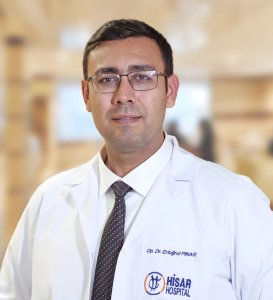
Hisar Hospital Intercontinental
Ertugrul Pinar









Doç. Dr. Ahmet Yıldızhan Muayenehanesi

Egemed Hospitals
Surgical treatment of radiculopathy Overview in Turkey
- Surgical treatment of radiculopathy - from $4,000This therapy aims to release pressure on spinal nerve roots, relieving pain and restoring nerve function. It promotes quick recovery.
Day 1
- Arrive in the country.
- Be picked up and transferred to the hotel.
Day 2
- Transfer from hotel to clinic.
- Consult with radiologist.
- Receive necessary medical tests.
Day 3
- Undergo any additional procedures if required.
Day 4
- Experience surgical treatment of radiculopathy.
- The surgery lasts about 1-3 hours.
- General anesthesia will be used.
Day 5 - Day 7
- Stay in the clinic for post-operation care.
- Monitor recovery and manage pain.
Week 1 - Week 2
- Start rehabilitation program.
- Gradual return to light activities.
Week 3 - Week 4
- Continue rehabilitation.
- Return to work, depending on recovery progress.
Week 5 - Week 6
- Resume moderate physical activities.
- Complete rehabilitation and see the final result.
Please note that each patient"s recovery timeline and surgical requirements are individual and may vary.
- Bookimed deposit: $200 or €200.
- Clinic deposit: Pay a set percentage in advance.
Our Trusted Doctors
View all DoctorsErtugrul Pinar
Dr. Ertugrul Pinar is a neurosurgeon at Hisar Hospital Intercontinental in Istanbul. He treats adult and pediatric patients with complex brain and spine diseases. Dr. Pinar focuses on brain tumors, vascular aneurysms, and skull base pathologies. He works at a JCI-accredited hospital that serves over 500,000 patients annually.
- Performs specialized procedures including transnasal tumor resection and brain aneurysm repair.
- Treats a wide range of conditions like pituitary adenomas and arteriovenous malformations.
- Expertise covers both surgical oncology and reconstructive spine surgery for herniated disks.
- Provides care for pediatric neurosurgical cases including hydrocephalus and shunt surgeries.

Mehmet Alp
The doctor is a highly experienced specialist in hand surgery and microsurgery with a career spanning over three decades. Currently serving at Memorial Sisli Hospital since 2011, the doctor has dedicated extensive professional time to advanced surgical interventions and microsurgical techniques.
Previously, the doctor spent eighteen years at Manus Hand Surgery and Microsurgery, further refining expertise in complex hand procedures. This clinical background is complemented by a foundational fellowship in hand surgery and microsurgery completed at the VKV American Hospital, establishing a long-standing commitment to excellence in the field of reconstructive and hand-focused surgical care.

Hasan Ozgur Ozdemir
Prof. Dr. Hasan Özgür Özdemir specializes in endoscopic lumbar disc surgery – a minimally invasive approach for radiculopathy at Medical Park Antalya.
- Over 24 years of neurosurgery experience
- Expert in endoscopic techniques for spine conditions
- Ranked 1st in Turkish Neurosurgical Society Proficiency Exam
- Member of Turkish Neurosurgical Society
Emad Abdallah
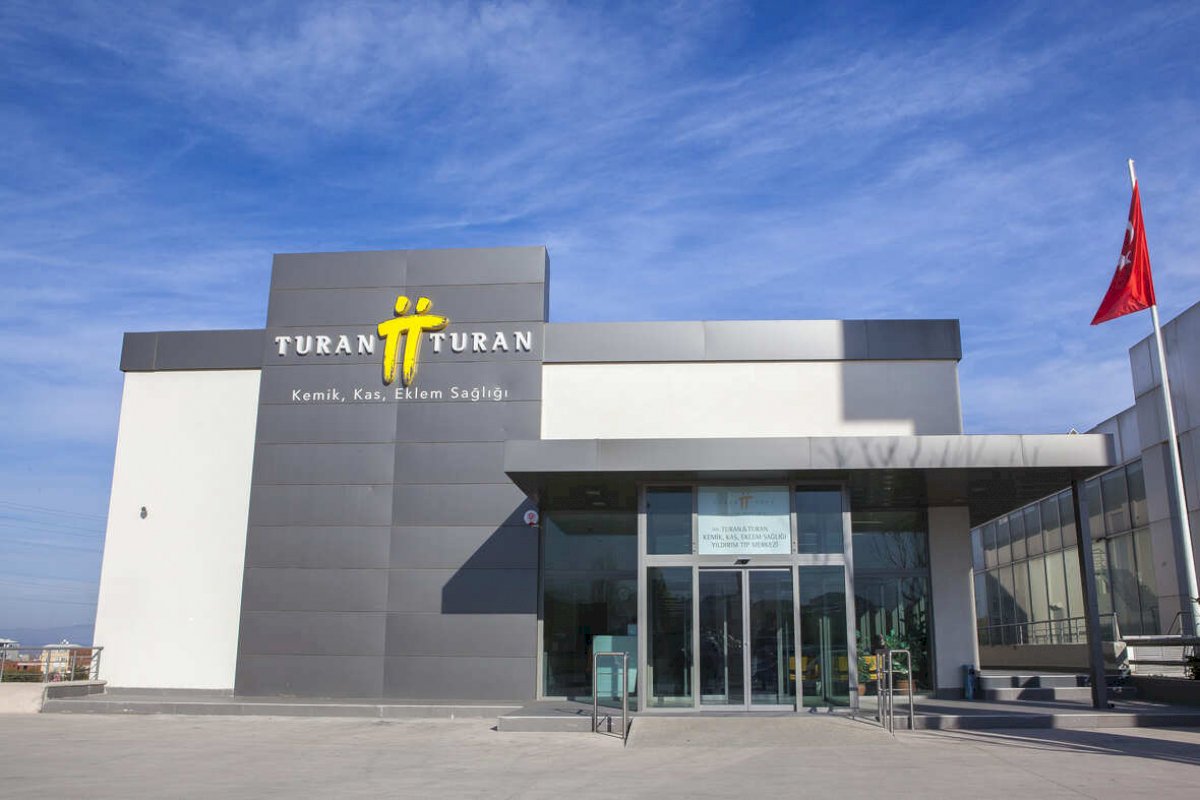
Dr. Emad Abdallah specializes in minimally invasive spinal surgeries, focusing on radiculopathy treatment at Turan Turan Health Group.
- Neurosurgery residency at Balıkesir University Health Practice and Research Hospital
- Published research on lumbar disc herniation in Turk Neurosurg journal
- Thesis on novel spinal cord injury treatments
- Completed advanced spinal surgery and minimally invasive techniques courses
Video Stories from Bookimed Patients
Reviews about Bookimed: Discover Patients' Insights
All reviews






Share this content
 Anna Leonova

FAQ about Surgical treatment of radiculopathy in Turkey
Is surgical treatment for radiculopathy in Turkey safe and what accreditations do hospitals hold?
Surgical treatment for radiculopathy in Turkey is safe, featuring success rates between 85% and 95%. Facilities like Istanbul Florence Nightingale Hospital and Hisar Hospital Intercontinental maintain Joint Commission International (JCI) accreditation. These centers utilize advanced neuromonitoring and robotic systems to protect nerve function during decompression.
- International accreditation: Over 30 JCI-accredited hospitals meet gold-standard global safety protocols.
- Specialized surgeons: Professors frequently hold fellowships from Johns Hopkins or Harvard Medical School.
- Advanced technology: Clinics use Mazor X robotic guidance and intraoperative MRI for precision.
- Legal oversight: The Ministry of Health audits facilities via mandatory Health Tourism Authorization.
Bookimed Expert Insight: While many seek low costs, the highest safety is found at Academic JCI hospitals. Istanbul Florence Nightingale Hospital and Emsey Hospital operate dedicated spine centers, not just general departments. These centers often include 45-bed specialized units, ensuring post-op monitoring that smaller clinics cannot provide.
Patient Consensus: Patients emphasize verifying JCI status directly and suggest Budgeting for a 14-day stay. This allows for supervised physiotherapy before flying, rather than rushing the initial recovery phase.
What surgical techniques are used for radiculopathy in Turkey and how successful are they?
Surgical treatments for radiculopathy in Turkey achieve success rates between 85% and 95% using high-precision decompression techniques. Surgeons in JCI-accredited centers in Istanbul and Antalya utilize microdiscectomy, endoscopic spine surgery, and laminectomy to relieve nerve pressure with return-to-work timelines of 2 to 6 weeks.
- Available techniques: Options include microdiscectomy, endoscopic discectomy, laminectomy, foraminotomy, and selective nerve root blocks.
- Success rates: Specialized centers report 95% success for lumbar surgery and 92% for minimally invasive approaches.
- Expert credentials: Professor Ilhan Elmaci at Istanbul Florence Nightingale Hospital holds European Board (EANS) certification.
- Advanced technology: Facilities like Hisar Hospital Intercontinental utilize 3 Tesla MRI and intraoperative neuromonitoring.
Bookimed Expert Insight: While many clinics offer standard decompression, top-tier Turkish neurosurgeons like Associate Professor Necati Kaplan have performed over 60,000 procedures. This high volume often leads to better refinement of `closed` endoscopic techniques. These procedures allow for same-day discharge and significantly smaller incisions compared to traditional open surgery.
Patient Consensus: Patients report immediate relief from sciatica after endoscopic discectomy but warn about post-op nerve irritation. Most emphasize that hiring an English-speaking surgeon and starting physiotherapy early are vital for long-term success.
What are the main risks and complications of spine surgery for radiculopathy?
Spine surgery for radiculopathy effectively relieves nerve compression, though patients face risks like infection in 1% of cases or dural tears in 1% to 13%. Serious complications like nerve injury or blood clots remain rare when performed by board-certified neurosurgeons at JCI-accredited Turkish facilities.
- Infection control: Deep spinal infections occur in 1% of surgeries, sometimes requiring secondary procedures.
- Neurological risks: Nerve root damage or transient weakness affects 5% to 10% of patients post-operatively.
- Dural tears: Small CSF leaks occur in up to 13% of decompressions, causing severe headaches.
- Recurrence rates: Disc re-herniation at the same site affects 10% to 15% of lumbar patients.
- Fusion failure: Pseudoarthrosis or failed hardware may occur if the vertebral levels do not unite.
Bookimed Expert Insight: Turkish centers like Istanbul Florence Nightingale Hospital utilize EOS imaging to Map spinal alignment before surgery. This technology reduces radiation and helps surgeons like Dr. Azmi Hamzaoglu prevent Adjacent Segment Disease. Choosing a clinic with EOS or robotic guidance often leads to more precise hardware placement.
Patient Consensus: Many patients report immediate relief from leg pain but emphasize that back stiffness often persists. Successful outcomes frequently depend on completing 6 months of physical therapy before concluding that surgery is necessary.
How long is the hospital stay and recovery timeline?
Surgical treatment for radiculopathy in Turkey typically requires a 1–2 day hospital stay. Most patients achieve full recovery within 4–12 weeks using minimally invasive techniques like microdiscectomy. Surgeons prioritize rapid mobilization, often encouraging patients to walk within hours of the procedure to prevent complications.
- Hospital stay: Expect 1–2 days of inpatient care for monitoring and pain management.
- Initial mobility: Patients generally begin walking with assistance 4–6 hours after surgery.
- Work timeline: Return to sedentary desk jobs is typically possible within 3–4 weeks.
- Full activity: Resuming sports or heavy lifting usually occurs between 8–12 weeks post-op.
- Travel window: Plan a 7–14 day stay in Turkey for essential follow-up appointments.
Bookimed Expert Insight: While many Western protocols suggest longer rest, Turkish centers like Istanbul Florence Nightingale Hospital utilize rapid recovery tracks. Our data shows surgeons frequently clear patients for light exercise by week 6. However, reaching the 12-week mark is crucial before resuming high-impact sports to prevent re-herniation.
Patient Consensus: Many patients emphasize the importance of the 4–6 week no-bend rule. They often report that walking on day 1 was easier than expected, but caution against rushing back to the gym too early.
Who is an ideal candidate for surgery and when is non-operative treatment preferred?
Surgery is ideal for patients with radiculopathy experiencing severe neurological deficits, such as limb weakness or bowel dysfunction, or pain persisting after 3 months of conservative care. Non-operative therapy remains the first-choice for stable cases or pain-only symptoms without progressive nerve damage.
- Neurological red flags: Immediate surgery is indicated for foot drop or loss of bladder control.
- Treatment failure: Candidates typically fail 6–12 weeks of physical therapy and medication protocols.
- Conservative priority: Non-operative care is preferred for imaging findings that lack matching clinical symptoms.
- Health status: Ideal candidates possess stable heart and lung health for safe anesthesia transitions.
Bookimed Expert Insight: Data from top Istanbul facilities like Florence Nightingale shows a shift toward microsurgical and endoscopic approaches. These techniques allow patients to avoid traditional open surgery risks. When choosing a Turkish surgeon, prioritize those performing over 200 microdiscectomy procedures annually for higher success rates.
Patient Consensus: Most patients successfully resolve symptoms within 12 weeks using physical therapy and gabapentin. Many advise getting a second opinion to ensure MRI results accurately match physical pain patterns before committing.
Where in Turkey are the best spine centers located and how long should I plan to stay in the country?
Istanbul is the primary hub for elite spine surgery in Turkey, housing JCI-accredited centers like Istanbul Florence Nightingale and Hisar Intercontinental. Patients should plan a 10 to 14 day stay to cover pre-operative imaging, minimally invasive surgery, and essential post-operative recovery monitoring before flying.
- Top locations: Istanbul leads with specialized neurosurgery units, followed by Ankara and Bursa.
- Hospital stay: Expect 1 to 3 days inpatient for monitoring after radiculopathy surgery.
- Clinical stay: Total stay of 10 to 14 days ensures safe wound healing.
- Recovery window: Most patients return to light activity 1 week after microdiscectomy procedures.
Bookimed Expert Insight: While Istanbul is the most popular choice, clinics in Bursa like Private Medicabil Hospital offer JCI-accredited care at high volumes. Data shows these centers handle over 200,000 patients annually. Choosing Bursa can provide a more focused recovery environment while maintaining the same international surgical standards found in the capital.
Patient Consensus: Patients emphasize that Istanbul centers provide the most seamless coordination for international arrivals. Many suggest booking 2 to 3 months early to ensure your preferred surgeon is available for your specific travel dates.
What clothing or personal items should I pack to make recovery easier?
Pack loose-fitting garments that do not require bending or lifting your arms overhead, as spinal mobility will be limited. Prioritize front-opening tops, elastic-waist pants, and slip-on shoes with non-skid soles to ensure safety and independence during your stay in Turkish neurosurgery centers.
- Clothing: Pack 5–7 button-up shirts or front-zip hoodies to avoid overhead reaching.
- Waistwear: Choose loose drawstring or elastic-waist pants to avoid pressure on surgical sites.
- Footwear: Bring slip-on orthopedic sandals or gripper socks to prevent falls without bending.
- Mobility aids: Include a reacher-grabber tool to manage socks and toiletries without straining.
Bookimed Expert Insight: While top-tier Istanbul hospitals like Florence Nightingale offer luxury amenities, packing your own orthopedic wedge pillow is a smart move. Our data shows that recovery comfort often hinges on maintaining specific spinal angles that standard hospital pillows cannot always support. This small addition significantly improves sleep quality during the initial 48-hour post-operative window.
Patient Consensus: Patients emphasize that compression socks are vital for the flight home to reduce clot risks. Many also recommend bringing a small fan and personal wet wipes, as ward temperatures in Turkey can fluctuate during summer months.