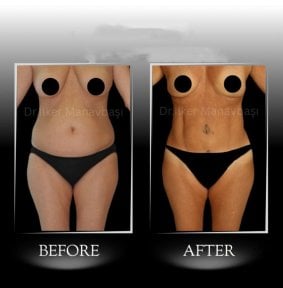
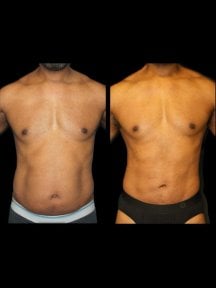
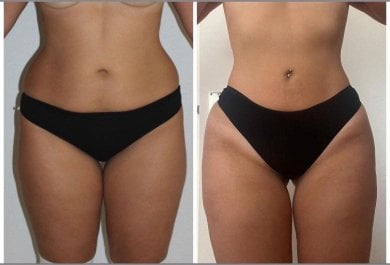
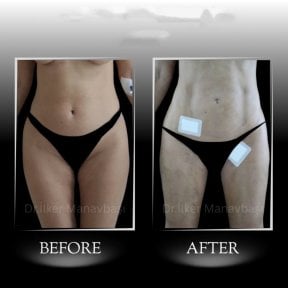
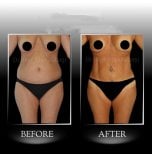
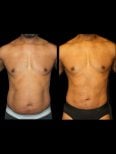
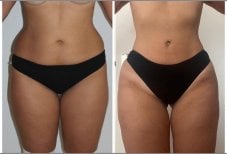
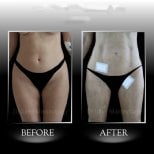
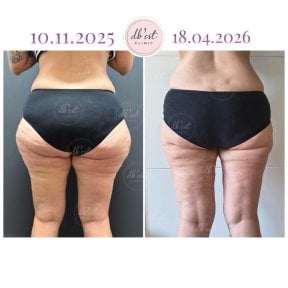
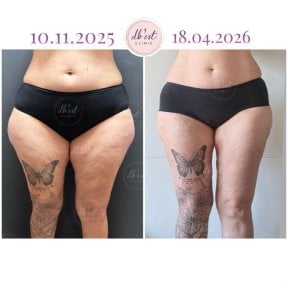
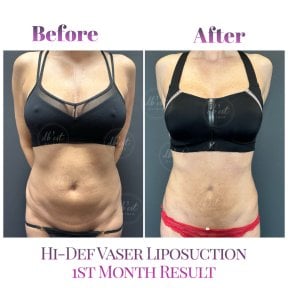
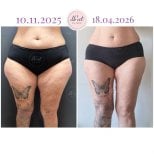
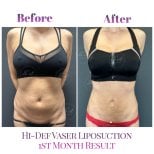
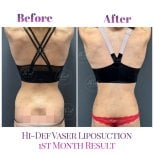
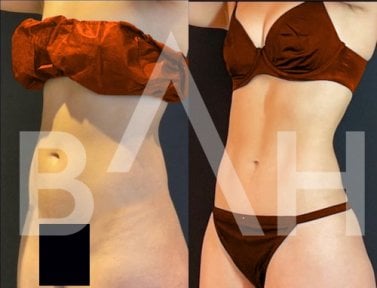
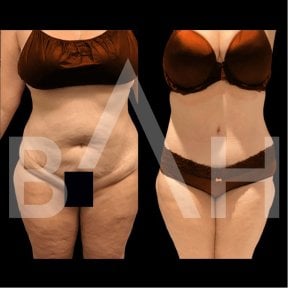
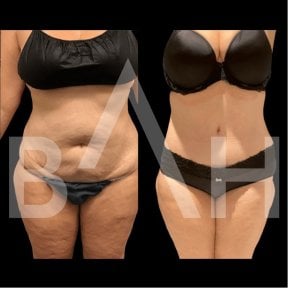
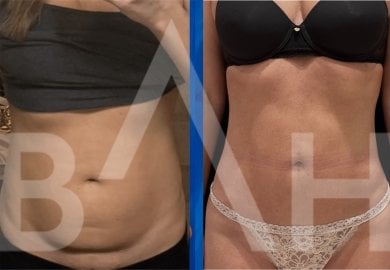
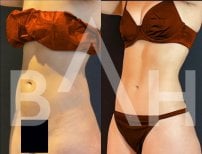
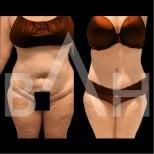
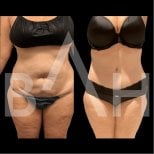
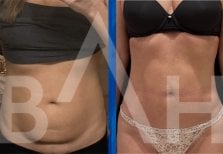
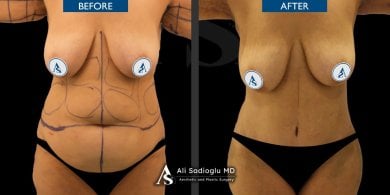
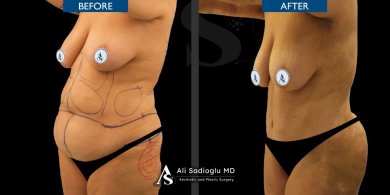
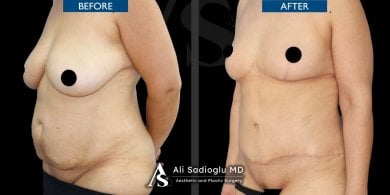
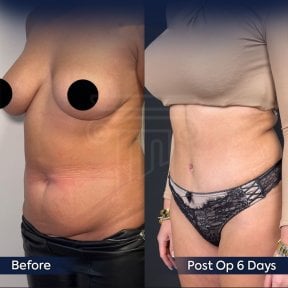
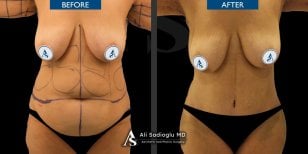
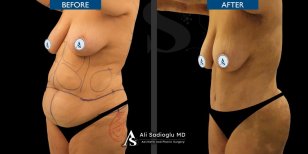
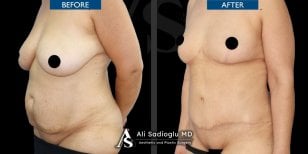
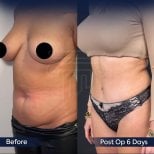
VASER liposuction in Turkey costs $3,800–$5,200, against $7,000–$10,000 in the US – about 45% less. The technique uses ultrasound to loosen fat before it's removed. That lets a surgeon shape stubborn areas with precision and bring out the muscle tone underneath. The decisions that make the trip safe start well before surgery.
Are You a Good Candidate for VASER Liposuction?
VASER works best as a finishing tool for a body that's already close to its goal. A quick self-check tells you whether you fit the profile:
- Your weight is within about 30% of your ideal and has held steady for 6–12 months, so later changes won't distort the result.
- Firm, elastic skin helps everything redrape smoothly over the new contour.
- You're a non-smoker in good general health.
- The aim is to refine diet-resistant pockets and reveal muscle tone, not to lose weight.
Refining diet-resistant pockets rather than losing weight is what matters most. VASER contours localized fat. It isn't a treatment for general weight loss or obesity, and it doesn't reach the deep fat around your organs. Good candidates are near their ideal weight with firm skin, healthy and non-smoking. Most surgeons treat a BMI of 25–30 as the sweet spot for the cleanest definition. The upper limit for elective work is around 35.
Managing a condition like diabetes, a bleeding disorder, or heart disease? Check suitability with your own doctor first – your surgeon also reviews your full medical history at the free consultation.
When another procedure fits better
If you carry significant loose skin or extensive stretch marks, VASER alone won't tighten them. A combined excision procedure such as a tummy tuck usually gives a better result. That's because marked skin laxity is treated by removing skin, not just fat. A free doctor consultation comes with Turkey VASER packages. It confirms which approach suits your body before you plan the trip.
Safe Air Travel Home: Fit-to-Fly Timing and Blood-Clot Prevention
Your surgeon, not the calendar, decides when you can fly. Clearance scales with the size of your surgery, so plan your return around the operation you actually have.
| Extent of surgery | Typical clearance to fly |
|---|
| Minor, localized area | around day 4–5 |
| Standard single or moderate areas | at least 5–7 days |
| Lipo 360, extensive sculpting, or combined work | 2–3 weeks, up to 4 in complex cases |
Cabin air sits at the pressure you'd feel at 6,000–8,000 feet. That drop, long immobility, and low humidity slow circulation in your legs and add swelling. The immobility of long travel after surgery abroad is exactly the risk your surgeon weighs when giving a personal clearance.
Preventing clots on the flight
Some clinics rate your clot risk with a Caprini score, a checklist of your risk factors. The score decides how much support you need. A few simple habits keep circulation moving, and clinics build them into your recovery plan:
- Wear your compression garment for the whole journey.
- Walk the aisle and pump your ankles every 30–60 minutes.
- Drink water, and skip alcohol and salty meals.
- Never sit with your legs crossed.
With compression, hydration, and early movement, clot problems after liposuction are uncommon. Turkey packages make compression and early movement easy to keep up. They routinely include post-op hotel nights and a compression garment, and English-speaking coordinators help arrange your in-person fit-to-fly check. Book a flexible return ticket so you can stay until your surgeon signs off.
How Much Fat Can Be Removed Safely? The 5-Liter Guideline
There's a recognized safety line for a single session, and staying on the right side of it keeps recovery smooth. The American Society of Plastic Surgeons (ASPS) calls removing more than 5 liters of total aspirate (fat plus fluid) "large-volume" liposuction.
The safety numbers
For standard-volume cases under that 5-liter line, the ASPS patient registry puts the complication rate near 1%. That means about 98.9% of patients recover with no complications at all. Surgeons can safely remove larger volumes too. That takes careful management of the amount and close monitoring, according to a review of large-amount cases. The occasional issue is usually a seroma, a small pocket of fluid. A surgeon clears it in minutes with a needle in the office.
Planning a larger removal
Safe volume is relative to your body size, not one fixed figure. Leaner patients tolerate less. Surgeons shape the contour instead of chasing maximum liters, and that careful patient selection keeps complication rates low. Before removing fat, surgeons infiltrate the area with tumescent fluid, a saline mix with anesthetic and adrenaline that limits bleeding.
Be cautious of any clinic advertising 10–12 liter extractions. If your goals need more than about 5 liters removed, the surgeon stages the work across sessions. The surgeon also books a monitored overnight hospital stay. Turkey's network includes JCI-accredited hospitals and packages that bundle a hospital stay with 24-hour nursing for larger cases.
Recovery Aftercare: Lymphatic Drainage and the Compression Schedule
Lymphatic massage and how faithfully you wear compression shape your VASER result after surgery. Neither is a spa extra. After VASER, the body's fluid-clearing lymphatic system is briefly overwhelmed. Manual lymphatic drainage – a gentle, directed massage – moves that trapped fluid out and eases swelling. It also lowers the chance of fluid pockets and hard scar tissue.
Drainage should start around day 1–2, while tissue is still soft. A course of several sessions follows over the next weeks.
Compression, week by week
| Recovery stage | Compression garment |
|---|
| Weeks 1–4 | 24 hours a day, off only to shower |
| Weeks 5–8 | about 12–18 hours a day |
Your recovery timeline
Bruising and swelling peak in the first days, then ease. Light walking starts early. Most people return to routine activity around week 6, once their surgeon clears them. The final contour shows at about 6 months, as the last swelling settles.
The Cleveland Clinic describes the same graded return to activity. Mayo Clinic notes that swelling settles over months, while compression supports the healing shape. Patients describe recovery as manageable but real, and most call it worthwhile.
Some packages remove the guesswork: the 360 VASER Liposuction stay at Dr. Ilker Manavbasi's Clinic bundles lymphatic massage and a compression garment into the aftercare. Confirm your package includes early drainage sessions, and line up a certified lymphatic therapist at home before you fly back.
How Do You Verify Your Surgeon and Clinic in Turkey?
The safest choice comes down to a few credentials tied to the surgeon's own name, not the clinic's brand. A licensed Turkish plastic surgeon trains for about 6 years of medical school and 5–6 years of specialist residency. These credentials confirm it:
- Board certification with the Turkish (TSPRAS) or European (EBOPRAS) board of plastic and reconstructive surgery.
- Membership of a global society such as ISAPS or ASPS.
- Surgery in a JCI-accredited hospital, the top international standard.
Every surgeon in Bookimed's Turkey network is confirmed against these. You can see the pattern across the network:
Make sure your surgeon is the one who operates
The real risk abroad is a clinic that advertises a famous name but hands the surgery to someone else. Choosing a board-certified surgeon and an accredited facility is the safeguard surgical bodies emphasize. So is confirming credentials before you travel. Your treatment agreement should name your lead surgeon. It should state that they personally perform your VASER surgery, and that a qualified anesthesiologist is present throughout.
What a surgeon will put in writing matters more than the quoted price:
- the board credential in their own name;
- facility and anesthesia details;
- a written treatment plan;
- an emergency contact.
Your Bookimed coordinator can confirm each of these before any deposit is paid.
Turkey Travel and Entry: Visas, Documents and Your Patient Rights
The border logistics are simpler than most patients expect, and Turkey's health-tourism law adds real protection once you arrive.
Entry rules by nationality
US, UK, and most EU ordinary-passport holders enter visa-free for up to 90 days within any 180-day window. Australian passport holders now also enter visa-free for up to 90 days and no longer need the former e-Visa. Whatever your nationality, your passport should stay valid for at least 6 months. Arrive 1–2 days before surgery so your consultation, surgical marking, and pre-op tests are never rushed.
Documents to carry
Keep a physical folder with:
- Your hospital invitation and written treatment plan;
- accommodation and transfer confirmations;
- your pre-op health file, including your medical history, ECG, and lab reports;
- medications in original packaging with a doctor's letter;
- a copy of your health-tourism insurance.
Your patient rights
Turkey's health-tourism regulation sets out what a clinic owes an international patient. Facilities treating foreigners must hold Ministry of Health authorization. You also have the right to a detailed treatment plan before travel. Payment goes into the hospital's validated account rather than to a middleman. Ask your coordinator to arrange complication and revision cover plus an emergency clinical contact before you fly.