Esophageal cancer treatment in Turkey — get 3 personalized clinic matches

Medically reviewed by
Dr. Sezer Saglam
How it works
What's the Cost of Esophageal cancer Diagnosis and Treatment in Turkey?
Esophageal cancer treatment cost in Turkey typically ranges from $10,000 to $25,000 for surgical interventions like an esophagectomy. Diagnostic staging with a PET/CT scan runs from $450 to $850. Total expenses depend on the cancer stage, robotic surgical upgrades, and drug protocols, offering up to 80% savings compared to the US. Top cities for these procedures include Istanbul, Ankara, and Antalya.
Typical Esophageal Cancer Treatment Costs in Turkey
- Complex diagnostics of esophageal cancer: $2,000 – $2,200
- Gastroscopy: $150 – $620
- PET/CT scan: $450 – $850
- Consultation with an oncologist: $100 – $250
- Esophagectomy: $10,000 – $25,000
- Chemotherapy for esophageal carcinoma: $1,700 – $6,000
- Radiation therapy for esophageal carcinoma: $6,000 – $10,000
- Resection of the esophagus: $12,000 – $26,900
- Oncothermia: Price on request
- Extended analysis of blood: $70 – $490
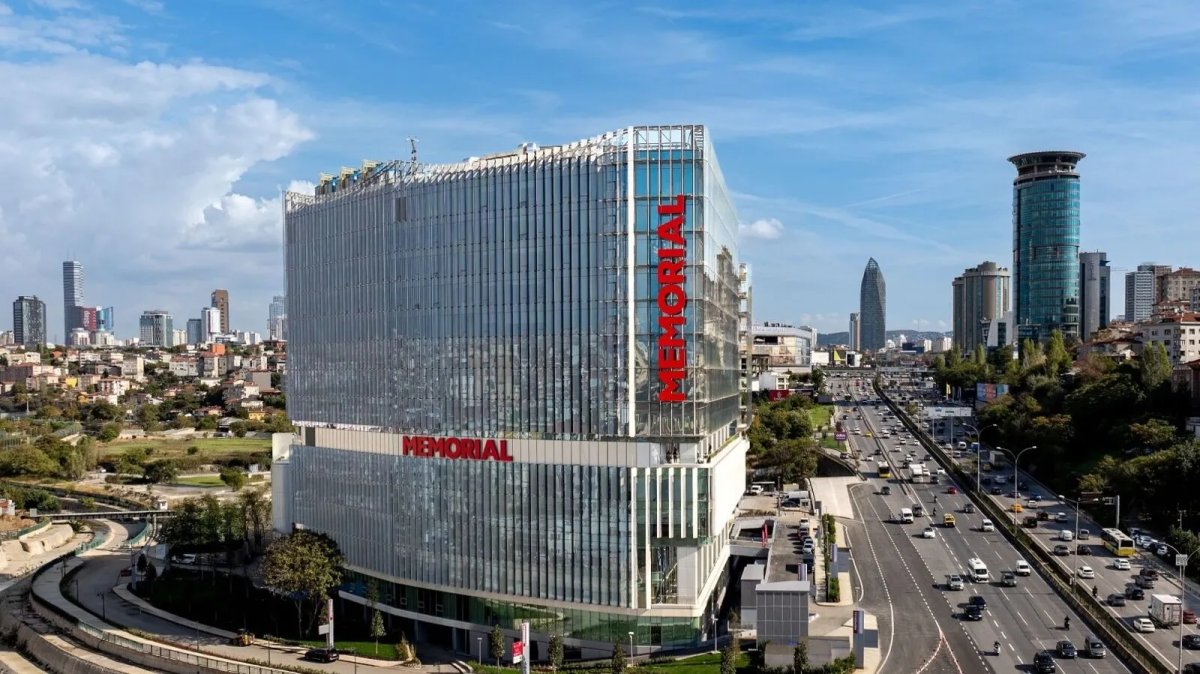
Bookimed Expert Insight: Patients with advanced tumors benefit most from multidisciplinary hubs like Anadolu Medical Center. Their Johns Hopkins affiliation ensures access to targeted therapy protocols. For surgical cases, Memorial Şişli Hospital provides high-value robotic-assisted options. Dedicated gastroenterology surgeons at Hisar Hospital specialize in complex resections for patients needing focused oncology care. These JCI-accredited centers offer international patient bundles that include diagnostic staging and hospital stays.
| Turkey | Austria | Spain | |
|---|---|---|---|
| Resection of the esophagus | from $12,000 | ≈ $26,000 | ≈ $22,000 |
| Radiation therapy for esophageal carcinoma | from $6,000 | ≈ $9,000 | from $6,000 |
| Radiation therapy for colorectal cancer | from $6,000 | from $6,500 | from $10,000 |
| Halcyon | ≈ $9,500 | ≈ $11,500 | ≈ $6,500 |
| Esophagectomy | from $10,000 | ≈ $38,000 | from $26,000 |
Best Esophageal cancer Treatment Centers in Turkey: 37 Verified Options and Prices

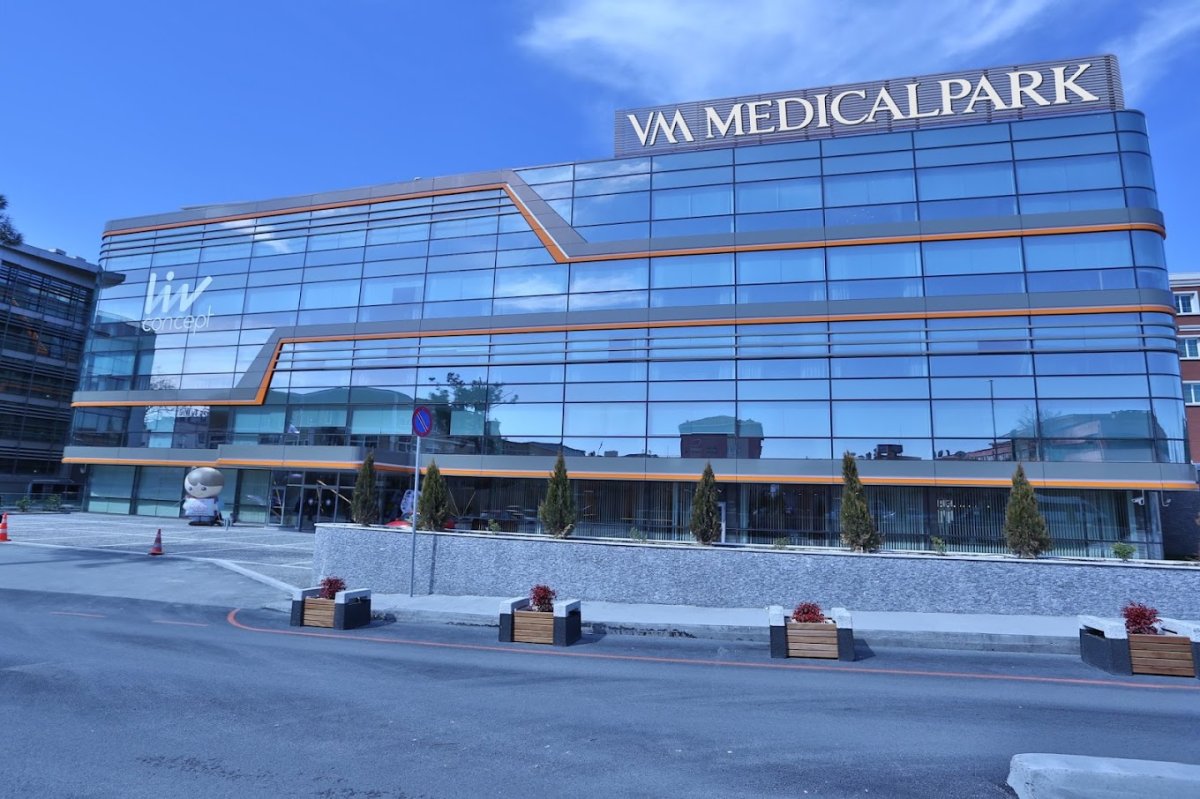

Memorial Şişli Hospital
Serkan Keskin






Hisar Hospital Intercontinental
Mustafa Solak





Memorial Ataşehir Hospital
Kamil Yalçın Polat

Get a Medical Assessment for Esophageal cancer Treatment in Turkey: Consult with 96 Experienced Doctors Now
View all Doctors
Bulent Karagoz
900+ procedures performed – Dr. Bülent Karagöz specializes in esophageal cancer at Anadolu Medical Center, with 33 years of oncology experience.
- Professor at Istanbul Okan University Faculty of Medicine
- Author of 40+ oncology research publications
- Specializes in tumor biology and targeted therapies
- Member of the Turkish Medical Oncology Association

Serdar Turhal
She ranked 3rd in Turkey's medical oncology entrance exam, demonstrating a top-tier command of cancer knowledge. She now practices at Anadolu Medical Center.
- Board-certified specialist in medical oncology
- Over 27 years of experience since earning her medical degree
- Served as head of the oncology unit at a major training hospital
- Actively involved in international clinical trials for new cancer treatments
- Fellowship-trained at Marmara University's Medical Oncology Department

Abdulcabbar Kartal
Specializes in minimally invasive techniques for esophageal cancer at Anadolu Medical Center, with extensive surgical training.
- 19 years of surgical experience, including in leading Turkish hospitals
- Member of multiple prestigious surgical societies, including the European Society of Coloproctology
- Trained in advanced laparoscopic and endoscopic procedures
- Expertise in diagnostic and interventional endoscopy techniques

Vafi Atalay
Dr. Vafi Atalay is a colorectal and general surgeon at Anadolu Medical Center. He developed the tube ileostomy technique to eliminate the need for ostomy-closure surgery. This method was published in the journal Colorectal Disease. Dr. Atalay specializes in pancreatic, colon, rectal, and liver cancers.
- Winner of the Gold Medal Award at the Istanbul International Invention Fair.
- Authored over 30 articles in national and international medical journals.
- Received the Best Scientific Research Award from several surgical congresses.
- Practices at a clinic affiliated with the top-ranked Johns Hopkins Hospital.
Reviews about Bookimed: Discover Patients' Insights
All reviewsShare this content
Video Stories from Bookimed Patients
 Anna Leonova
Expert Overview about Esophageal cancer Treatment in Turkey
What treatment options are available for esophageal cancer in Turkey?
Esophageal cancer treatment in Turkey includes esophagectomy, chemotherapy, and radiation therapy. High-volume centers utilize the da Vinci robotic system for minimally invasive surgery. Patients access advanced diagnostics like digital PET/CT and TrueBeam radiation within JCI-accredited facilities to ensure precise staging.
- Surgical techniques: Surgeons perform laparoscopic and robot-assisted esophagectomies to promote faster recovery.
- Medical oncology: Specialists provide targeted therapy and immunotherapy based on ESMO and ASCO guidelines.
- Advanced radiotherapy: Facilities use Halcyon and TrueBeam STx technology for precise tumor targeting.
- Multidisciplinary care: Treatment plans combine oncology, thoracic surgery, and specialized nutritional support services.
Bookimed Expert Insight: Turkish oncology centers like Anadolu Medical Center and Medipol Mega serve over 65,000 to 1,000,000 patients annually. This massive volume allows surgeons like Dr. Mehmet Zeki Gunluoglu or Dr. Kivanc Derya Peker to maintain high expertise in complex esophageal resections. Patients benefit from this experience through specialized multidisciplinary tumor boards that review every case.
Patient Consensus: Patients emphasize the need for a comprehensive team including dietitians to manage weight loss and swallowing difficulties. Many note the efficiency of Turkish clinics in completing complex diagnostic staging within just 1 week.
How soon can treatment start once I arrive in Turkey?
Esophageal cancer treatment in Turkey typically begins within 1 to 3 days of arrival. Clinical consultations and diagnostic imaging often occur immediately. Private JCI-accredited hospitals prioritize international cases. This ensures rapid staging and surgical scheduling. Most patients start a full treatment plan within 1 week.
- Initial consultations: Doctors often see patients the same morning or 1 day after arrival.
- Diagnostic window: PET-CT, gastroscopy, and pathology reviews usually conclude within 3 to 5 days.
- Surgical scheduling: Complex procedures like esophagectomy are typically performed within 1 week of clearance.
- Integrated logistics: Multi-specialty centers like Anadolu Medical Center bundle diagnostics and specialist reviews.
Bookimed Expert Insight: Data shows that choosing clinics with in-house histopathology labs, such as Anadolu Medical Center or Medipol, can save 48 hours on staging. This speed is critical for esophageal cases where swallowing difficulty requires urgent intervention. Look for packages like the one at Liv Hospital Ulus which includes all preoperative tests to avoid scheduling delays.
Patient Consensus: Patients note that bringing original pathology slides and recent PET-CT scans from home is essential. Having these ready allows Turkish teams to confirm the diagnosis and finalize the surgical plan without repeating every single test.
What should I ask the medical team about my treatment plan?
Ask about your specific tumor type, exact stage, and whether the primary goal is curative or palliative. Verify if the plan is being managed by a multidisciplinary tumor board. Confirm the sequence of chemotherapy, radiation, and surgery using technologies like PET/CT and the da Vinci robot.
- Surgical approach: Ask if laparoscopic or robot-assisted esophagectomy is viable to reduce recovery time.
- Treatment sequence: Confirm the timing of restaging scans after chemoradiation to decide on surgery.
- Nutritional support: Discuss plans for weight maintenance, feeding tubes, or stents before starting treatment.
- Expertise level: Inquire about the surgeon's yearly volume of esophagectomies and specific complication rates.
Bookimed Expert Insight: Turkish oncology centers vary significantly in their surgical technology; for example, Liv Hospital Ulus specifically offers da Vinci robotic systems for esophagectomy. Comparing packages reveal that some include 16 days of total stay (10 hospital, 6 hotel), while others only cover the surgery itself. Choosing a more inclusive package ensures you have the necessary 10-day clinical observation period for monitoring potential postoperative leaks.
Patient Consensus: Patients emphasize finding a lead coordinator for urgent questions about swallowing pain or sudden side effects. They also note that having a dedicated translator at every meeting is vital for understanding complex diagnostic results.
What long-term follow-up schedule is recommended after esophageal cancer treatment?
Patients follow a rigorous screening schedule for 5 years to monitor for recurrence. Check-ups occur every 3 to 6 months during the first 2 years. Frequency reduces to every 6 to 12 months for years 3 to 5. Annual visits begin after reaching the 5-year milestone.
- Diagnostic monitoring: Doctors use PET/CT scans and 512-slice CT to detect early cancer return.
- Physical assessment: Specialists monitor weight maintenance, swallowing function, and potential nutritional deficiencies or reflux.
- Endoscopic surveillance: Periodic gastroscopy allows direct visualization of the esophagus to check for strictures.
- Blood analysis: Extended blood tests monitor tumor markers and overall health during every visit.
Bookimed Expert Insight: Turkish oncology centers like Anadolu Medical Center provide multidisciplinary tumor boards where oncologists and surgeons review follow-up scans together. This collaborative approach ensures that even minor changes in swallowing or weight are assessed for both recurrence and benign post-surgical issues. Some centers offer all-inclusive surgical packages around $24,000 to $26,000 that include initial post-operative follow-up visits and examinations.
Patient Consensus: Patients note it is important to treat new coughing or reflux as a reason for an immediate check-up. Many emphasize that swallowing trouble does not always mean recurrence but require professional dilation.