Good Look Clinic


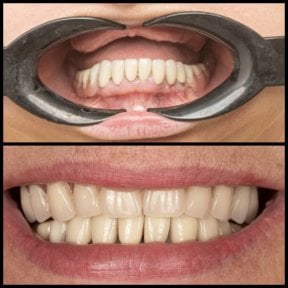
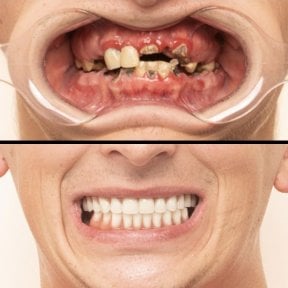
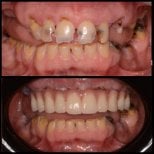
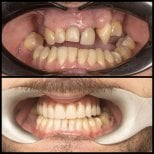



Bone Graft Procedure Overview
The bone loss in the area of a tooth defect is one of the most common relative contraindications to dental implants. Nevertheless, most patients, 70-90% in the maxilla and up to 50% in the mandible need bone augmentation before dental implants installation.
An artificial bone graft material placement is required for those patients who have been missing teeth for more than two months. Unfortunately, most patients have much longer terms, up to 10 years or more. In such cases, various bone grafting procedures come to the rescue.
What Is a Bone Graft for a Dental Implant?
Bone grafting (osteoplasty, sinus lift, bone augmentation) is a surgical intervention during which the surgeon finishes building the tissue volume necessary for dental implant. Top maxillofacial surgeons in the global dental implant clinics perform the procedure following low-traumatic modern protocols and international quality standards.
According to the diagnosis results, a dental professional performs bone grafting simultaneously with implantation or carries it out as a separate operation.
Why is bone growth required?
Often in our surgical practice, there are conditions when the bone is not ready to accept the dental implants. If there is a vertical or horizontal defect, bone grafting is necessary.
Such problems arise for such reasons as:
- traumatic extraction of natural teeth
- individual anatomical features on the upper or lower jaw.
If the tooth is removed long ago, the body is physiologically rebuilt, and a narrow bone ridge can build. To bypass these obstacles during dental implant surgery, dentists do gum tissue augmentation.
How Do They Do Bone Grafts for Dental Implants?
Because of some reasons, over time, after tooth extraction, bone volume decreases. Sometimes, when implanting a tooth, it is necessary to restore tissue. Bone grafting comes to the rescue.
Most often, patients who have lost a tooth more than a year ago face the problem of lack of natural bone. Thus, the body reduces the extra bone volume because it is no longer needed. That is why dentists recommend installing an implant in place of the extracted tooth as soon as possible.
Sometimes bone loss is a physiological feature. In this case, there is also a need for surgery. Bone grafting can be performed on both the upper and lower jaw.
How does it work?
The purpose of the operation is to create a foundation that will serve as the basis for the engraftment of the future implant. The complexity of the process explains the relatively high cost of bone grafting during dental implants placement.
Doctors perform dental bone grafts in different ways:
- transplant the patient's own gum tissue of the upper jaw and other donor areas
- tissues of animal origin
- synthetic fabrics.
The dentist individually determines the type of bone graft procedure for each patient.
After the bone graft is inserted, your body may mend itself. A dental bone graft is like a scaffold on which new bone may grow.
Your dentist may mix a bone transplant with PRP (platelet-rich plasma). Your own blood is utilized to aid healing and tissue repair.
Types of bone graft surgery
Bone augmentation surgeries in dentistry include socket preservation, ridge augmentation, sinus lift, and periodontal bone graft.
- Socket preservation. This graft is inserted in the socket following a tooth extraction. It replaces the lost tooth's socket and prevents collapse.
- Ridge augmentation. If you lack teeth, your jawbone may be thinner. This bone graft widens and thickens the jawbone to support implants or other restorations.
- Sinus lift. Just above your top back teeth are the maxillary sinuses. Sinuses may invade missing upper back tooth roots if they're lacking. Implants would pierce the sinus membrane in this situation. A sinus lift may fix this condition. This treatment elevates the sinus. A sinus bone transplant provides a stable foundation for dental implants.
- Periodontal bone graft. Gum disease may damage tooth-supporting bones and cause loosening teeth. A bone transplant is used to minimize tooth movement and enhance support.
Preparation
Osteoplasty is performed after careful preparation. The patient must undergo oral hygiene a week before the operation and a general examination — blood tests, consultation with a cardiologist, a therapist, and, if necessary, an endocrinologist. The process of the bone graft itself depends on the chosen technique and the materials used. Manipulations are carried out under general or local anesthesia.
Do dental bone grafts tend to fail?
Incredibly high success rates may be seen for dental bone grafts. Failure is possible with any surgery, but it's more likely in those who smoke or have specific health issues. Dental bone graft failure indicators include:
- Post-week pain or swelling.
- Bone graft pus or discharge.
- Receding gum (when the gums pull away from the teeth).
- Jawbone volume unchanged.
How Long After Bone Graft Can Implant Be Placed?
On average, the dental implant is possible about 4 months after bone graft. In the case of complex intervention, the period can increase to 6-9 months. Sometimes parallel grafting and installation are possible. The most suitable option for a particular patient during diagnostics is selected.
Can dental implant and bone graft be done at the same time?
In many countries, dentists resort to parallel bone graft and dental implant, significantly saving treatment money and time. This tendency is prevalent in clinics in countries such as Turkey, Ukraine, and Mexico, where dentistry is developing at a frantic pace, and there is a great demand for such procedures among international patients.
Moreover, doctors in these countries provide patients with dental implant packages — such offers usually include both bone graft and dental implant. Also, tooth packages contain all materials and medicines needed for successful dental implants placement. At the same time, these hot deals are cheaper than the separate procedures.
What happens if you don't get an implant after a bone graft?
The bone will repair, but it will heal in its way, which means that the walls that used to house that tooth may collapse, causing you to lose the height and width of the bone. The more bone you lose, the less likely you will be a suitable candidate for an implant.
How Painful Is a Bone Graft for Dental Implants?
The patient does not feel any pain immediately after the bone grafts because the anaesthesiologist injects painkillers and sedatives before and during the procedure. Anxiety may appear by the end of the day or the next day after the intervention.
To relieve pain, the dentists recommend taking painkillers. Painful feelings should be gone entirely within the first week after the surgery.
Are you put to sleep for a dental bone graft?
Patients are often not put to sleep for bone graft procedures because it may be done simply with a local anaesthetic. Sedation is available in almost all dental implant clinics. Specialists can offer nitrous oxide, oral sedation, and intravenous (IV) sedation.
It's also possible that general anaesthesia may be needed if your scenario is very complex. Ask your dentist for advice on which sedation option is most suited to your case.
How Long Does a Dental Bone Graft Take to Heal?
A healing process after the dental bone graft procedure may take three to nine months. This time is enough to heal completely , and it's not uncommon for this procedure to take longer. Several variables affect recoveries, such as type of graft, location of placement, and your body's ability to mend. Ask your dentists about the healing period in your particular situation.
How Long Does the Recovery Period Last After Bone Grafting?
The duration of the rehabilitation period is determined by the volume of postoperative consequences, which depend on the operation's scale and the body's reaction.
Typically, recovery after bone grafting takes no more than two days. During this time, pain and swelling go away. By the third day, the wound stops bothering, but the stitches are removed only on the 10-14th day after the procedure. Missing bone is formed within a few months.
Patients need to visit a doctor for follow-up examinations. The computed tomogram determines the degree of maturity of the bone tissue. Only after this step, a dentist can determine the optimal implantation period.
Accelerated rehabilitation
For patients who want to quickly go through the period of operational inconvenience and get their dental implants as soon as possible, the leading dental implant clinics provide accelerated rehabilitation programs. Such recovery plans include different therapeutic procedures selected individually for each patient to speed up the rehab time and get back to the patient's everyday lifestyle in the shortest term. The accelerated rehabilitation programs may contain:
- Injections of lymphatic drainage drugs (biostimulants, peptides, a complex of microelements, and vitamins) to improve blood and lymph circulation have anti-inflammatory properties. Minimize swelling and bruising, and accelerate wound healing.
- PRP plasma therapy — the blood plasma is rich in platelets, which use the body's reserve forces. As a result, the work of the immune system is enhanced, and reformation processes proceed faster. Puffiness and bruising disappear, and soft tissues heal more quickly.
- Microcurrent therapy — exposure to the skin of the face with weak currents activates the work of cells. Recovery processes are accelerated, and blood circulation improves. Puffiness and pain syndrome disappear, and spasms of the muscles of the face and neck decrease.
General recommendations after bone grafting
Following your doctor's recommendations during the rehabilitation period will prevent possible complications. Here are the most common of them:
- Refraining from chewing on the operated side in the first days after the bone graft is better.
- Eat only room-temperature chopped food during the first 2-3 days.
- Do not smoke or drink alcohol for two weeks after the surgery.
- Cough carefully and with an open mouth so as not to increase pressure in the oral cavity.
- It is better to sleep with your head up.
- Physical activity and diving are prohibited for several weeks.
- It is not recommended to stay in the sun for a long time. It would be best if you stopped visiting solariums.
- It is forbidden to visit the sauna or take a bath.
- It would help if you refrained from flying in the first few weeks after bone grafting.
- Observe physical and emotional rest. The doctor will monitor your state during your scheduled follow-ups.
Takeaways
If your jawbone begins to deteriorate, it may lead to a domino effect of problems, including tooth loss and mobility issues. You may be eligible for dental implants and other tooth operations if you have bone grafts in your jawbone. Bone graft surgery may be an option if you have jawbone degeneration and want to regain your oral health and function and your general well-being.