76 people have requested a quote last month




Miller Vieira Paula
Mexico, Cancún
Leading doctor for Dental Implant
26 years of experience
Clinic is certified


+2
Location: Mexico, Cancún
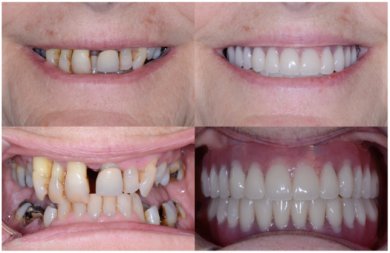
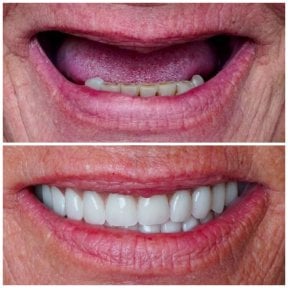
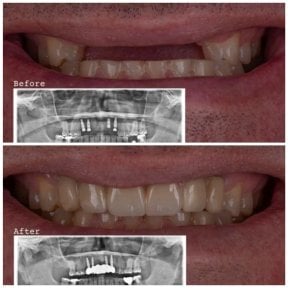
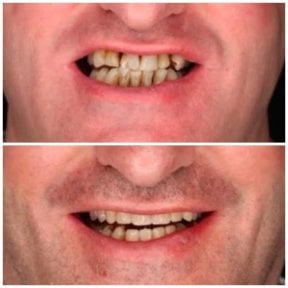
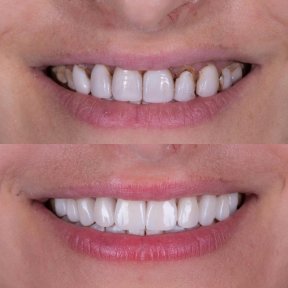
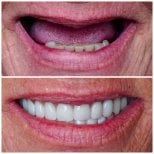
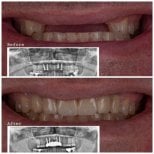
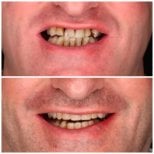
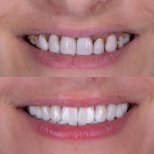
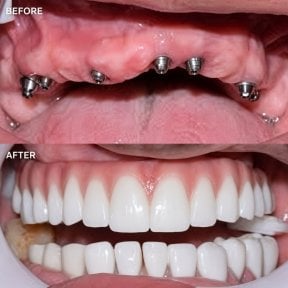
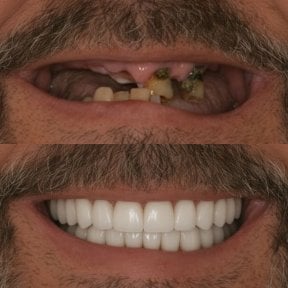
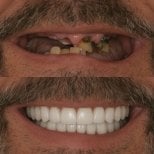
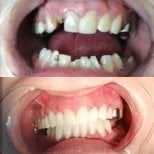
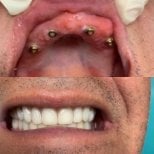
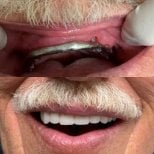
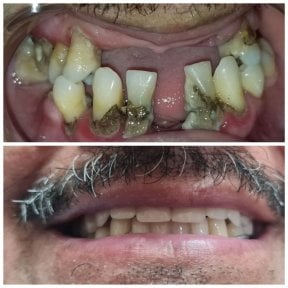
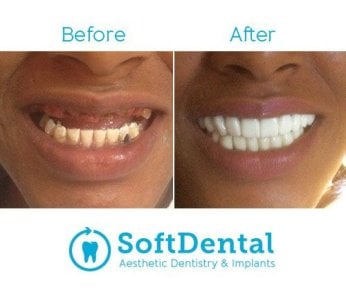
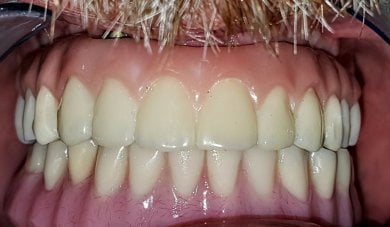
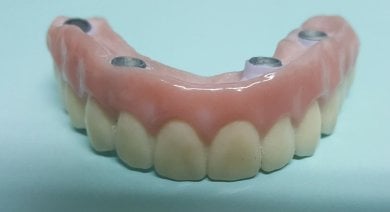
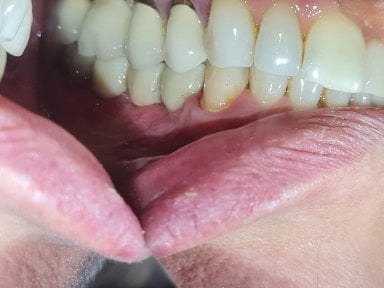
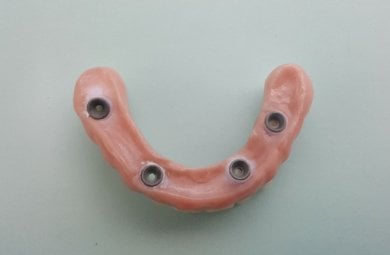
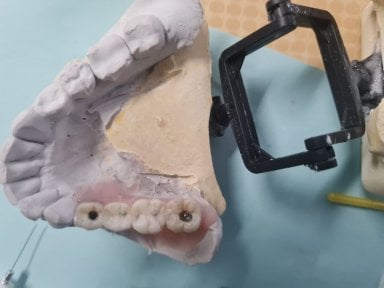
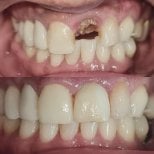
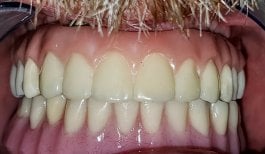
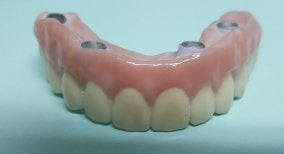
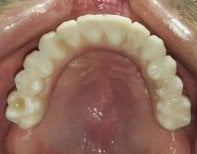
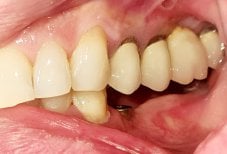
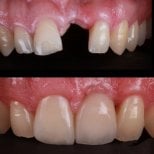
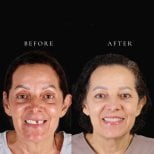
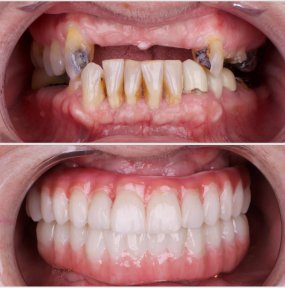
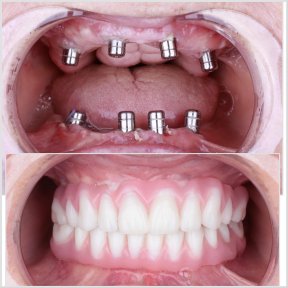
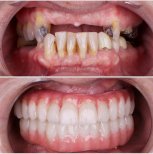
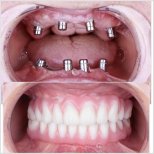
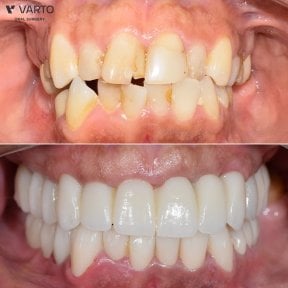
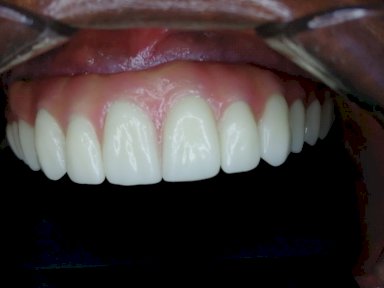
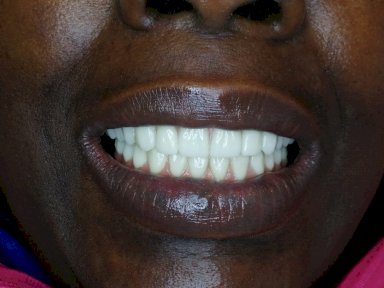
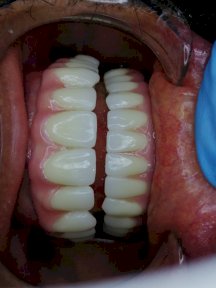
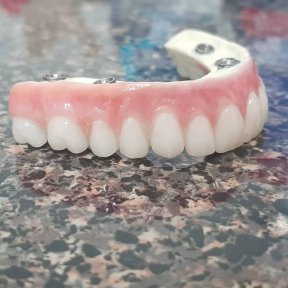
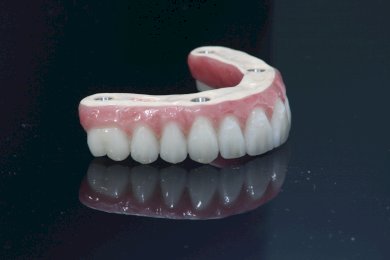
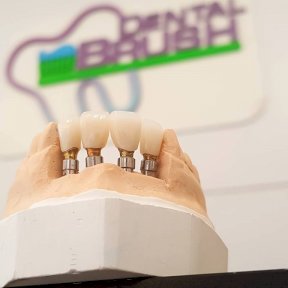
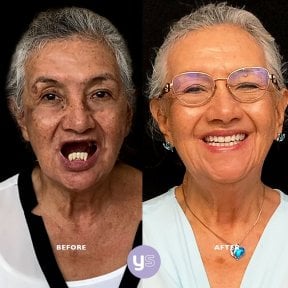
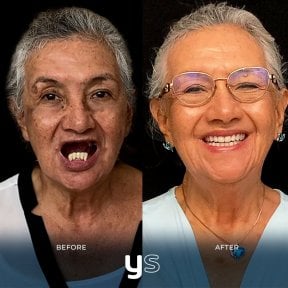
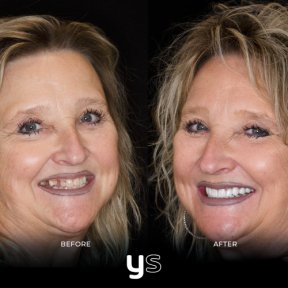
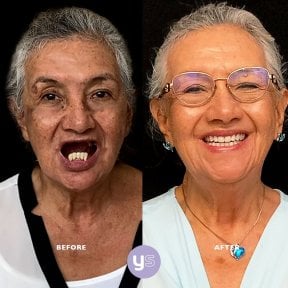
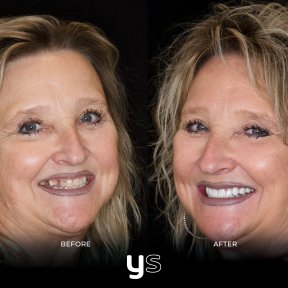
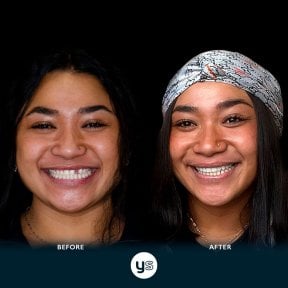
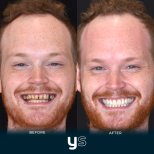
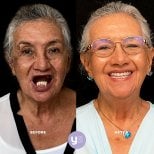
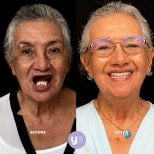
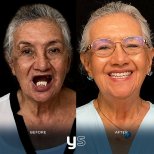
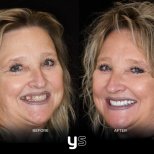
Dr. Miller Vieira Paula has successfully performed more than 25,000 dental procedures. He is the medical lead at YeahSmile Clinic in Cancun. Dr. Paula specializes in All-on-4 and All-on-6 dental implants. He is also a certified dental ceramist and expert in aesthetic dentistry. Dr. Paula serves as a professor and researcher in oral microbiology.
- Member of the American Dental Association and American Academy of Cosmetic Dentistry.
- Recognized by Ivoclar Vivadent as an official Key Opinion Leader.
- Specialist in Digital Smile Design (DSD) and SKYN Concept protocols.
- Trained internationally in Germany, the Netherlands, Spain, and the United States.
Package price from
$2,200Package price from$2,200