Lymphangioma treatment in Austria — get 3 personalized clinic matches

Medically reviewed by
Yesim Yildirim
How it works
What's the Cost of Lymphangioma Diagnosis and Treatment in Austria?
Best Lymphangioma Treatment Centers in Austria: 2 Verified Options and Prices

Get a Medical Assessment for Lymphangioma in Austria: Consult with Experienced Doctors Now
View all Doctors
Wolfgang Köstler
Prof. Wolfgang Köstler is a leading medical oncologist specializing in breast and gynecologic cancers, with a strong focus on personalized therapies.
- Over 22 years of experience in medical oncology
- Expert in targeted therapies and immunotherapy
- Senior consultant at Wiener Privatklinik
- Associate Professor at Medical University of Vienna
- Published extensively on tumor biology and precision oncology

Christian Kainz
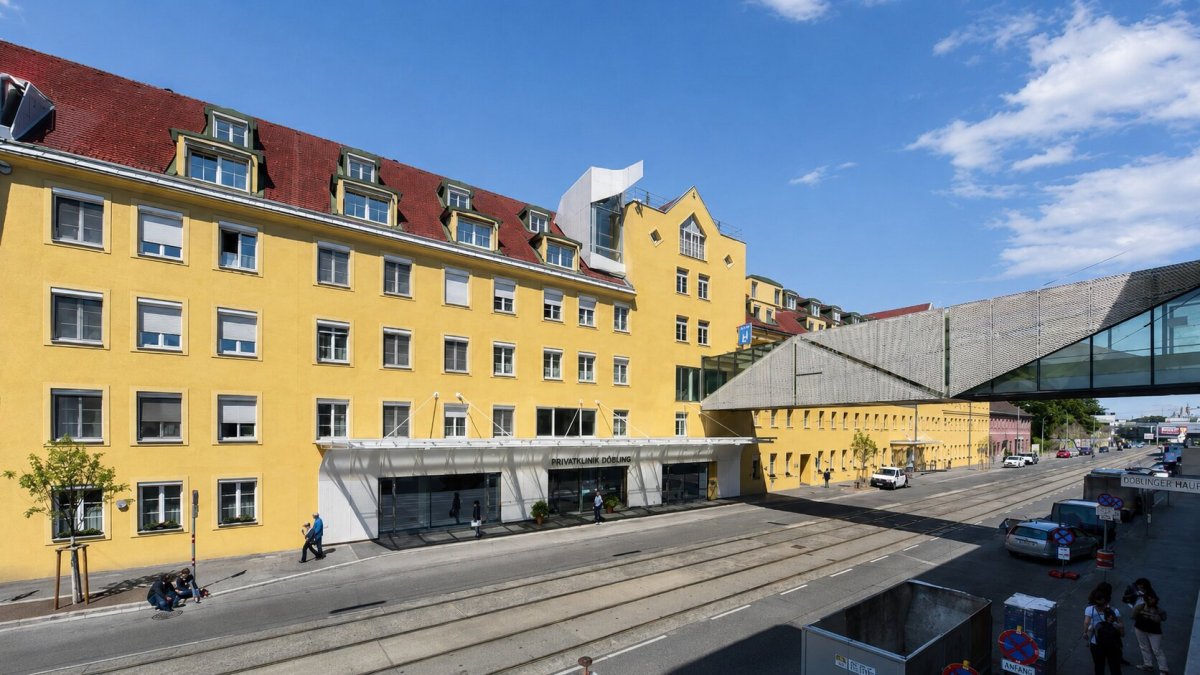
Dr. Christian Kainz is the Medical Director of Döbling Private Hospital in Vienna. He specializes in laparoscopic pelvic surgery, mammology, and oncological gynecology. Dr. Kainz heads the Department of Cervical Pathology at the University Gynecological Clinic in Vienna.
- Acts as Head of the Department of Maternity Care at Döbling Private Hospital.
- Treats complex conditions including cervical cancer, endometriosis, and uterine fibroids.
- Performs breast biopsies, cystoscopies, and specialized pelvic organ operations.
- Served as deputy chief physician at the University Women's Clinic in Vienna.
Share this content
Video Stories from Bookimed Patients
 Anna Leonova
Expert Overview about Lymphangioma Treatment in Austria
What are the primary treatment options available for lymphangiomas in Austria?
Primary treatment for lymphangiomas in Austria includes ultrasound-guided sclerotherapy and function-preserving surgical excision. Expert teams at centers like Döbling Private Hospital utilize multidisciplinary boards. They prioritize minimally invasive methods to protect vital nerves and tissues. Systemic therapies and laser ablation manage complex cases effectively.
- Sclerotherapy techniques: Specialists use OK-432 or doxycycline foam to collapse lymphatic vessels via injections.
- Surgical excision: Surgeons reserve complete removal for localized lesions or those causing structural compression.
- Pharmacotherapy options: Oral mTOR inhibitors like Sirolimus treat extensive or treatment-resistant malformations.
- Energy-based therapies: Carbon Dioxide lasers and radiofrequency ablation target superficial cysts in mucosal linings.
Bookimed Expert Insight: Private facilities in Vienna provide high-level safety with complication rates reported much below nominal values. Döbling Private Hospital alone serves 16,000 patients annually within an ISO-certified environment. This high volume across 27 departments ensures that even rare vascular anomalies receive care from experienced multidisciplinary teams. Choosing a clinic with JCI patient safety goals guarantees rigorous international standards for complex interventions.
Patient Consensus: Patients note that initial sessions of sclerotherapy may cause temporary swelling before improvement. They emphasize seeking specialized vascular anomaly teams rather than general surgeons to manage long-term recurrence risks.
Which hospitals and clinics in Austria specialize in lymphangioma treatment?
Austria treats lymphangioma at specialized university hospitals and private clinics in Vienna. Top facilities include Vienna General Hospital (AKH Wien) and Döbling Private Hospital. They use multidisciplinary teams of pediatric surgeons and interventional radiologists. Common treatments include sclerotherapy and targeted drug therapy.
- Vienna General Hospital: Largest center providing multidisciplinary pediatric surgery and oncology care.
- Döbling Private Hospital: JCI-accredited facility in Vienna serving over 16,000 yearly patients.
- Wiener Privatklinik: Features specialists like Dr. Wolfgang Köstler for targeted systemic therapies.
- Medical University Graz: Specialized university clinic focused on congenital soft tissue anomalies.
Bookimed Expert Insight: Private clinics in Vienna often use an attending doctor system. This allows patients at Wiener Privatklinik or Döbling to access university professors. Experts like Dr. Wolfgang Köstler bring academic research directly to private care. This setup provides high-level expertise within a more personalized hospital environment.
Patient Consensus: Patients emphasize that sclerotherapy is often the preferred first-line option. Many suggest seeking care at tertiary centers that handle these specific lesions frequently.
How successful is lymphangioma treatment in Austria and what is the risk of recurrence?
Lymphangioma treatment in Austria achieves average success rates between 85% and 86.4%. Specialized centers use sclerotherapy and surgical excision to manage these lesions. Recurrence risk for simple cysts is around 17%. More complex malformations carry a 40% to 100% risk if not fully removed.
- Success rate: Sclerotherapy using OK-432 shows an 86.4% positive clinical response rate.
- Recurrence timeline: Most cases of recurrence appear within 14 months after the initial procedure.
- Cyst type: Macrocystic lesions have lower recurrence than microcystic or mixed web-like networks.
- Clinic capacity: Döbling Private Hospital treats 16,000 patients annually using ISO-certified safety protocols.
Bookimed Expert Insight: Success in Austria is often defined by symptom control rather than total elimination. Data from clinics like Döbling Private Hospital shows complication rates remain below nominal values. This is because surgeons often choose partial excision to protect vital nerves and vessels. Patients should prioritize multidisciplinary teams that combine sclerotherapy with debulking to manage long-term stability.
Patient Consensus: Patients note that repeated procedures are common and often part of a standard control strategy. Many emphasize that successful treatment means the lesion stays stable for years even if not fully gone.
What should patients expect during recovery after lymphangioma treatment in Austria?
Austrian recovery protocols prioritize infection prevention and monitoring for localized swelling. Patients typically stay for a short observation period after sclerotherapy. For surgical cases, surgeons use advanced techniques to maintain below nominal complication rates. Most specialized facilities in Vienna provide personalized post-operative care.
- Immediate reaction: Swelling affects 89% of patients following minimally invasive sclerotherapy treatments.
- Post-operative fever: An immune response fever occurs in 81% of sclerotherapy cases.
- Follow-up timing: Specialists typically schedule the first evaluation within 10 to 12 weeks.
- Activity restrictions: Heavy lifting and strenuous exercise require a gradual return over several weeks.
Bookimed Expert Insight: While many expect a quick resolution, Austrian centers like Döbling Private Hospital focus on long-term stability. Their success stems from combining surgical oncology expertise with individualized inpatient monitoring. Data shows that clinics in Vienna often utilize multi-day stays for complex cases to ensure professional dressing management. This approach helps maintain their reported success rates of over 86% for malformation resolution.
Patient Consensus: Patients often note that swelling makes the area look briefly worse before it improves. Many emphasize that managing tightness and pressure is more critical than dealing with sharp pain.