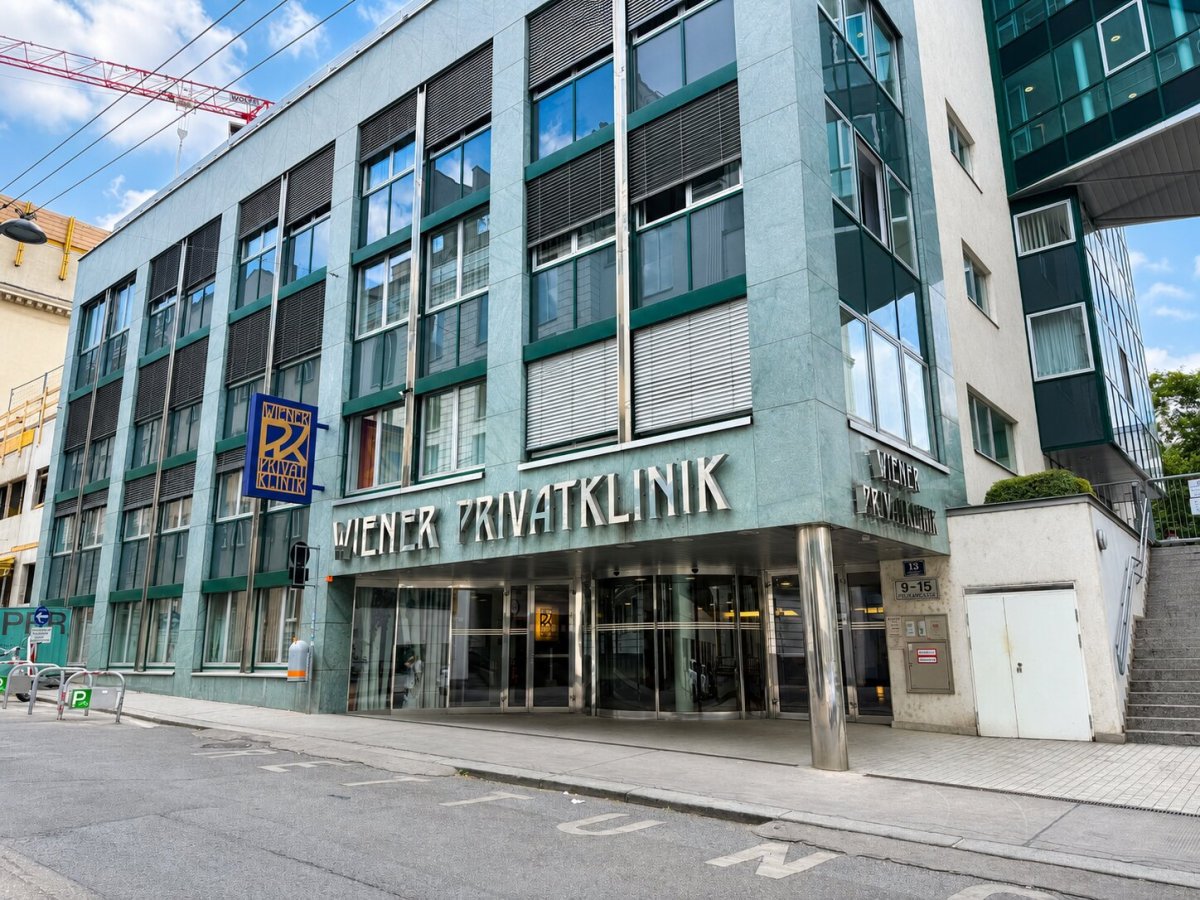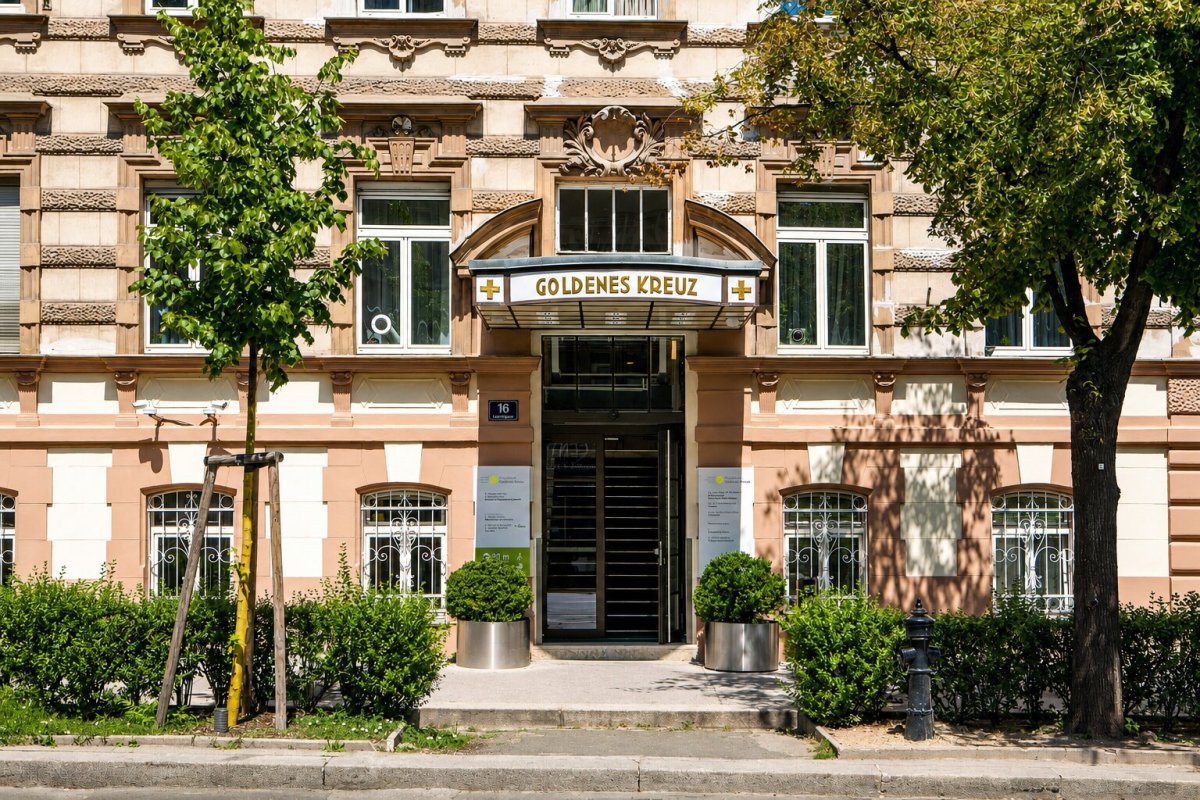
Confraternitaet & Goldenes Kreuz Private Clinic
Austria, Vienna
Bookimed lists 3 immunotherapy clinics in Austria, in Vienna and Braunau am Inn. These clinics are rated 4.6/5 in 183 verified patient reviews on Bookimed.

Medically reviewed by
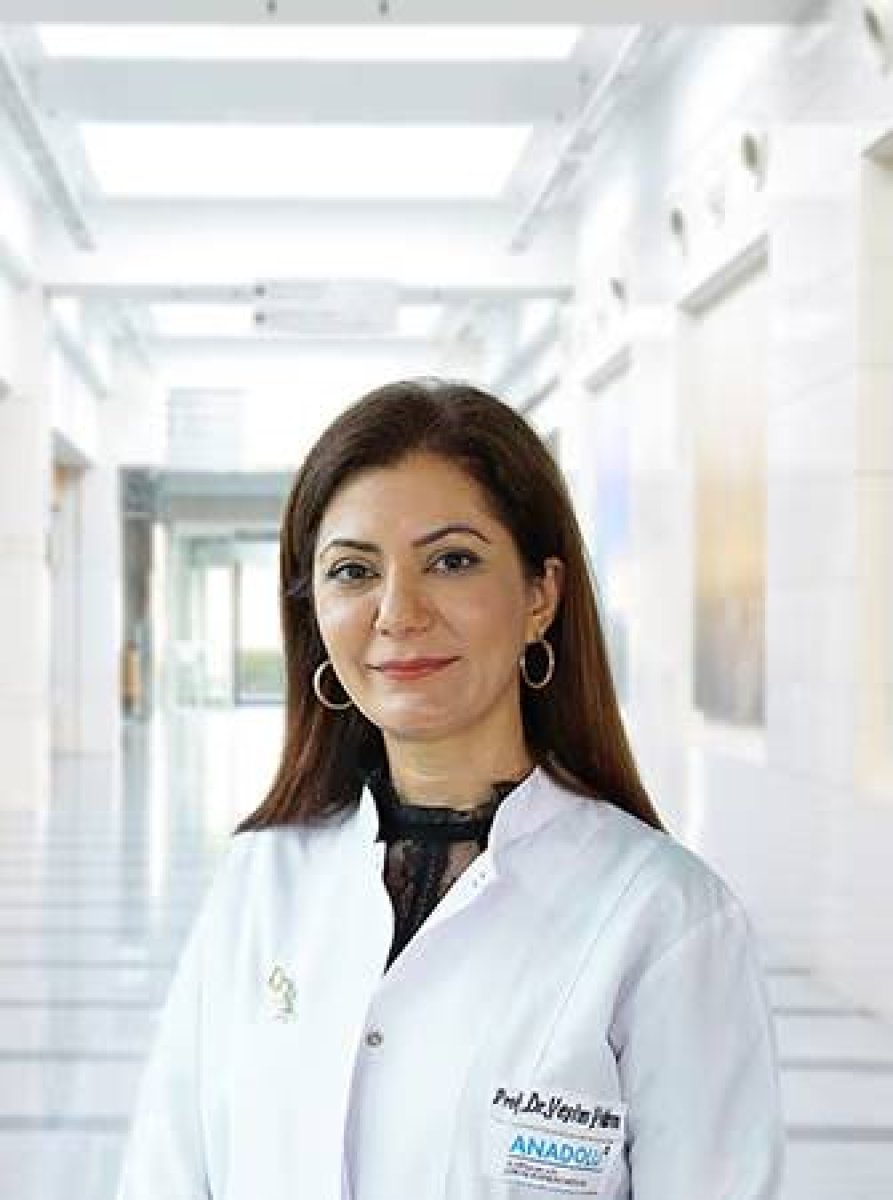
Yesim Yildirim
The cost of immunotherapy in Austria typically ranges from $9,000 to $19,000. Pricing can vary depending on the type of immunotherapy (such as checkpoint inhibitors, CAR T-cell therapy, or monoclonal antibodies), the specific medication, the number of treatment cycles, and the clinic’s location. In the United States, the average cost is $28,500 (according to the American Cancer Society). Immunotherapy in Austria is generally about 51% less expensive than in the U.S.
In Austria, immunotherapy packages usually include medical consultations, treatment planning, drug administration, monitoring, and follow-up visits. Hospitalization, lab tests, and imaging may be included for some protocols. In the U.S., drug costs, infusions, and supportive care are often billed separately, and insurance coverage varies. Always confirm exactly what’s included with your chosen Austrian clinic.
| Turkey | Austria | Spain | |
|---|---|---|---|
| Immunotherapy | from $2,500 | ≈ $9,000 | from $3,500 |
| Sarcoma Immunotherapy | from $8,900 | ≈ $18,000 | from $6,000 |
| Immunotherapy with Keytruda (Pembolizumab) | from $2,800 | ≈ $5,800 | from $13,500 |
| Immunotherapy for prostate cancer | from $8,000 | ≈ $9,500 | from $6,000 |
| Immunotherapy for lung cancer | from $8,000 | ≈ $5,800 | from $5,000 |
No hidden fees – just official clinic prices. Pay at the clinic for Immunotherapy upon arrival and use a flexible installment plan if needed.
Bookimed is committed to your safety. We only work with medical institutions that maintain high international standards in Immunotherapy and have the necessary licenses to serve international patients worldwide.
Bookimed offers free expert assistance. A personal medical coordinator supports you before, during, and after your treatment, solving any issues. You're never alone on your Immunotherapy journey.








Bookimed, a leading global medical tourism platform, is committed to helping clients looking for Immunotherapy in Austria by offering expert assistance and trustworthy medical solutions for every situation. Smart automatic ranking system is used to compose transparent clinic listings, meticulously maintained by a data scientist using AI for accuracy. The platform guarantees authenticity by publishing reviews from real patients after their treatments. Bookimed offers comprehensive medical solutions, with updates from clinics to ensure trustworthiness. The content about Immunotherapy in Austria, crafted by experienced medical authors and reviewed by specialists, adheres to Bookimed"s Editorial Guidelines, reflecting the platform"s commitment to delivering high-quality and clear health information. For more details or inquiries, feel free to contact us at marketing@bookimed.com or learn more about us and our mission About Bookimed .
Prof. Christoph Zielinski is a global leader in immunotherapy with 44 years shaping modern cancer care. He integrates cutting-edge research with personalized patient treatments.

Univ. Prof. Dr. Wolfgang Köstler is a leading expert in breast cancer and gynecologic malignancies, with over 22 years of experience in targeted cancer therapies at Wiener Privatklinik.

Assoc. Prof. Priv.-Doz. Dr. Alexander W. Hauswirth is a specialist in internal medicine and haemato‑oncology at JUVENIS. Since 2010, he has served as the lead senior physician for Haematology/Haemostaseology and Oncology at the Clinic for Internal Medicine I, Medical University of Vienna/AKH Vienna, Austria’s largest hospital.
He earned his medical degree from the University of Vienna in 1999. He received the venia docendi in 2010 and was appointed Associate Professor in 2012. He completed an additional haemato‑oncology qualification in 2014. As a Schrödinger Fellow in Salamanca in 2009–2010, he researched CLL stem and precursor cells. He has published regularly since 2000.
Accreditations include Austrian Medical Chamber diplomas in emergency medicine (since 2009) and sports medicine (2018). Awards include the Schrödinger Fellowship (2009), the ÖGHO award (2009), and the European Society of Chemotherapy poster award (2003). Clinical focus: anaemias, leukaemias, lymph node disorders, clotting and anticoagulation, and pre‑operative clearance. Languages: German and English.

Written by Kateryna Zamkovska
Published research with its context and limitations.
All research summaries → Anna Leonova
When considering Immunotherapy, it’s important to understand the different techniques and which is best suited for you. Here’s a concise comparison of popular options:

Keytruda, a form of immune-based therapy, leverages the body's immune system to target and destroy cancer cells using monoclonal antibodies.
Immunotherapy is a precision treatment that trains the immune system to identify and destroy cancer cells or manage severe allergies. In Austria, clinics apply this via checkpoint inhibitors, monoclonal antibodies, and targeted desensitization protocols, often integrating molecular genetic profiling to ensure therapy matches the specific tumor biology.
Bookimed Expert Insight: Austria stands out for its high concentration of academic leadership within private settings. For example, the Confraternitaet & Goldenes Kreuz is staffed by Medical University of Vienna professors. This provides patients with direct access to research-level protocols, such as biomarker-driven oncology, without the typical wait times found in public university hospitals.
Patient Consensus: Patients value the high level of specialist coordination but emphasize that allergy immunotherapy is a long-term commitment. Those undergoing cancer treatment stress the importance of monitoring organ function, specifically regarding thyroid and liver health, during the protocol.
Austria features leading immunotherapy specialists like Prof. Dr. Christoph Zielinski and Univ.-Prof. Dr. Wolfgang Kostler at Wiener Privatklinik. These experts drive global advancements in personalized oncology, utilizing precision medicine, biomarker development, and clinical trials at institutions like the Medical University of Vienna to treat complex malignancies.
Bookimed Expert Insight: While specialists like Dr. Zielinski and Dr. Kostler practice at top-tier private clinics, they simultaneously hold senior positions at the Medical University of Vienna. This dual affiliation ensures patients access academic-level research and experimental biomarker testing within a more efficient, private hospital setting like Wiener Privatklinik.
Patient Consensus: Patients value the multidisciplinary approach found in Vienna, noting that top specialists provide clear communication and significantly shorter wait times compared to other European hubs. Many emphasize the importance of choosing doctors embedded in major research networks for the latest targeted drug options.
International patients are fully eligible for immunotherapy in Austrian private clinics, particularly in Vienna. Premier institutions like Wiener Privatklinik and Confraternität provide advanced checkpoint inhibitors and personalized systemic therapies. Access depends on clinical evaluation of pathology reports, imaging, and treatment history by multidisciplinary tumor boards.
Bookimed Expert Insight: While 40% of patients at clinics like Wiener Privatklinik come from abroad, eligibility is strictly case-by-case. Success depends on the specific tumor biology rather than just the cancer stage. Data shows that clinics with high international volumes, such as those serving over 12,000 patients annually, have more streamlined logistics for remote second opinions before travel.
Patient Consensus: Patients emphasize the high quality of doctors and staff, often recommending these facilities to others. Many advise framing initial inquiries as oncology consultations to ensure a comprehensive clinical evaluation of treatment history.
Austria features world-class medical centers specializing in advanced immunotherapy, including Wiener Privatklinik and Confraternitaet Private Clinic. These facilities utilize personalized tumor profiling and checkpoint inhibitors, like Keytruda, administered by oncology experts from the Medical University of Vienna to treat lung, breast, and prostate cancers.
Bookimed Expert Insight: Wiener Privatklinik manages a high international volume, with 40% of patients traveling from abroad. This global demand stems from their 95% positive outcome rate and access to prominent researchers like Dr. Wolfgang Köstler. For patients, this means faster access to university-level expertise without the long wait times typical of public systems.
Patient Consensus: Patients value these centers for high-level second opinions and expert staff. Many note that accessing private practices of university-affiliated doctors is the fastest way to secure specialized cancer consultations.