Knee replacement in Austria — get 3 personalized clinic matches
Bookimed lists 3 knee replacement clinics in Austria, in Vienna and Graz, including ISO-certified clinics. These clinics are rated 4.6/5 in 196 verified patient reviews on Bookimed.

Medically reviewed by
Kayhan Turan
How it works
How Much Does Knee replacement Cost in Austria?
Knee replacement in Austria typically costs from $14,500 to $20,500. The final price depends on the chosen technique, surgeon expertise, and the specific medical facility. In the US, similar procedures cost around $45,000 on average. Patients can find significant value in Austria, saving approximately 61%. Standard packages usually include surgery, anesthesia, the prosthesis, and several days of hospitalization.
- Unicompartmental knee replacement: $11,500 to $15,500 for partial joint restoration.
- Knee MAKOplasty: $16,500 to $21,000 for robotic-assisted precision surgery.
- Revision knee arthroplasty: $16,500 to $25,500 to replace existing implants.
- Rehabilitation costs: Specialized post-operative therapy typically adds about 20% to the total budget.
- Medical hub variations: Leading clinics are concentrated in Vienna and Graz.
Bookimed Expert Insight: Quality often correlates with academic expertise in Austria. Facilities like Wiener Privatklinik feature professors from the Medical University of Vienna. These specialists utilize state-of-the-art technology. While packages can reach approximately $33,500, they offer highly integrated care. Choosing a JCI-accredited facility like Döbling Private Hospital ensures safety standards that keep complication rates exceptionally low.
| Turkey | Austria | Spain | |
|---|---|---|---|
| Knee replacement | from $3,500 | ≈ $14,500 | from $12,600 |
| Unicompartmental (partial) knee replacement | from $9,000 | ≈ $11,500 | ≈ $8,200 |
| Total knee replacement (arthroplasty) revision | from $6,600 | ≈ $17,500 | ≈ $14,500 |
| Total knee replacement (TKR) with OMNI | from $11,000 | ≈ $15,500 | ≈ $12,500 |
| Total Knee Replacement (Arthroplasty) | from $7,800 | ≈ $16,500 | from $12,600 |
Discover the Best Knee replacement Clinics in Austria: 3 Verified Options and Prices
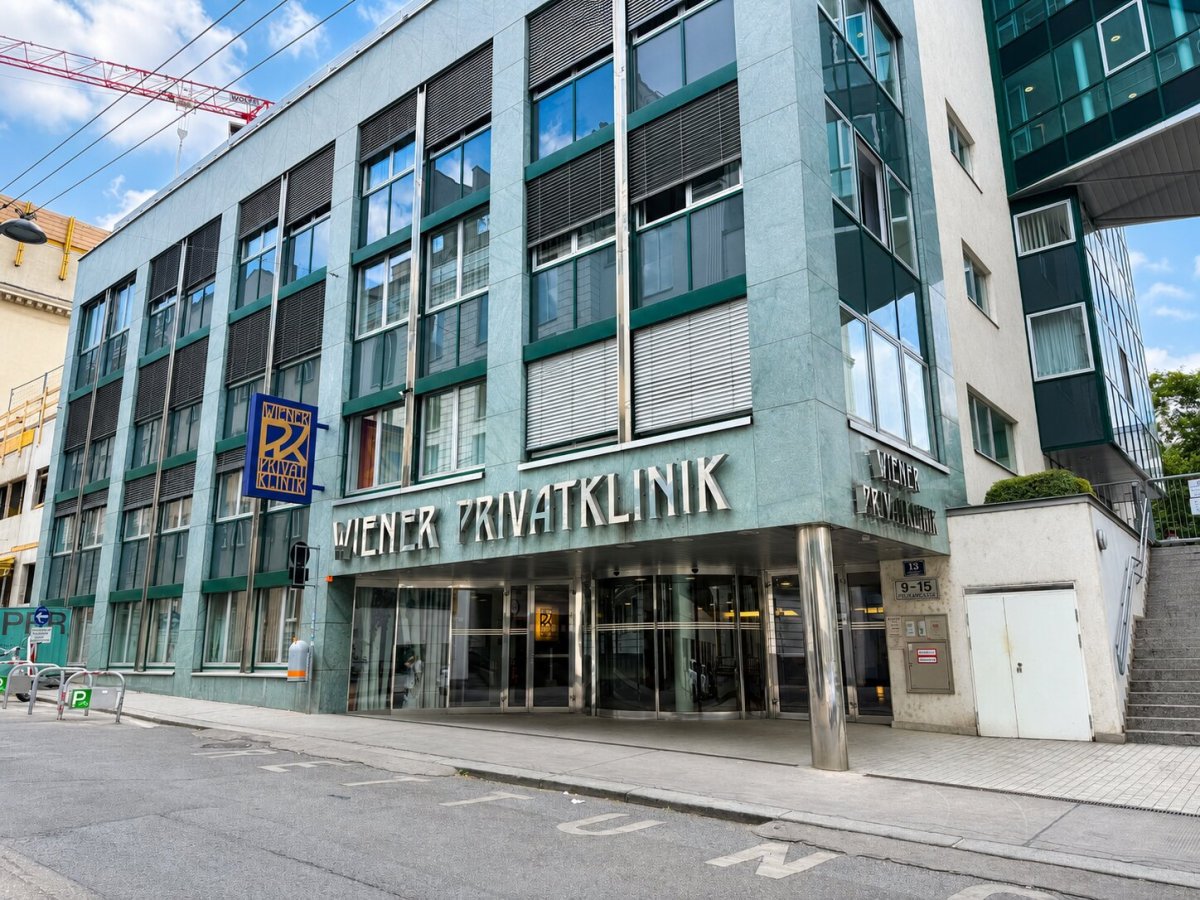





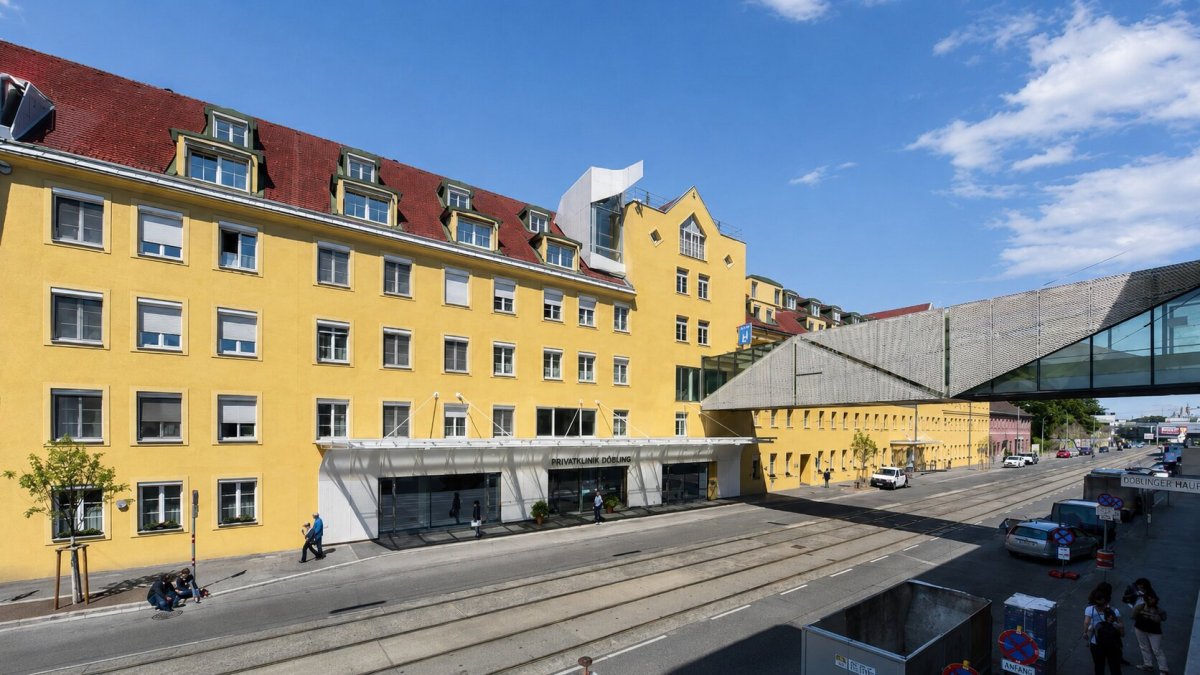
Döbling Private Clinic
Dr Stefan Marlovits



Leech Private Clinic
Knee replacement Overview in Austria
- Knee arthroplastic - from $16,000This therapy replaces damaged knee joints, using implants to enhance mobility and reduce pain. It"s reliable and effective.
Day 1 - Arrival
- Arrive in the country for your knee replacement.
- Transfer to the hospital is not included in the package.
- Check into the general ward at the hospital.
- Language assistance is provided throughout your stay.
Day 2 - Pre-Operation
- Consultation with an orthopedist traumatologist.
- Complete all necessary medical tests.
- Discuss the procedure and any additional treatments if necessary.
Day 3 - Operation Day
- Undergo knee replacement surgery.
- The operation lasts around 1-2 hours.
- General anesthesia is used during the procedure.
Day 4 - Post-Operation
- Stay in the clinic for observation and recovery.
- Start initial physiotherapy and pain management.
Week 1-2 - Rehabilitation
- Continue with daily physiotherapy sessions.
- Gradually increase activity level under supervision.
Week 3-6
- Continue rehabilitation.
- Return to work, depending on your job nature.
Week 6-12
- Return to more strenuous activities and sports.
- Final results of surgery are typically seen by week 12.
Each patient"s recovery timeline may vary depending on individual circumstances and overall health.
- Bookimed deposit: $200 or €200.
- Clinic deposit: Pay a set percentage in advance.
Bookimed, a leading global medical tourism platform, is committed to helping clients looking for Knee replacement in Austria by offering expert assistance and trustworthy medical solutions for every situation. Smart automatic ranking system is used to compose transparent clinic listings, meticulously maintained by a data scientist using AI for accuracy. The platform guarantees authenticity by publishing reviews from real patients after their treatments. Bookimed offers comprehensive medical solutions, with updates from clinics to ensure trustworthiness. The content about Knee replacement in Austria, crafted by experienced medical authors and reviewed by specialists, adheres to Bookimed"s Editorial Guidelines, reflecting the platform"s commitment to delivering high-quality and clear health information. For more details or inquiries, feel free to contact us at marketing@bookimed.com or learn more about us and our mission About Bookimed .
Our Doctors
View all DoctorsDr Stefan Marlovits
Dr. Stefan Marlovits is a specialist in traumatology and regenerative medicine at Döbling Private Hospital. He heads the Center for Cartilage and Orthobiology Regeneration in Vienna. Dr. Marlovits focuses on knee injuries, articular cartilage, and pediatric traumatology. He provides medical care for professional athletes and major sporting events.
- Board Member of the International Society for Cartilage Regeneration and Joint Preservation.
- Head of the working group for the Austrian Society for Cartilage Traumatology.
- Specializes in regenerative treatments for ligament ruptures and meniscus damage.
- Professor at Vienna Medical University and member of the Austrian Society of Traumatology.
Reviews about Bookimed: Discover Patients' Insights
All reviewsKnee replacement: Before & after photos
View all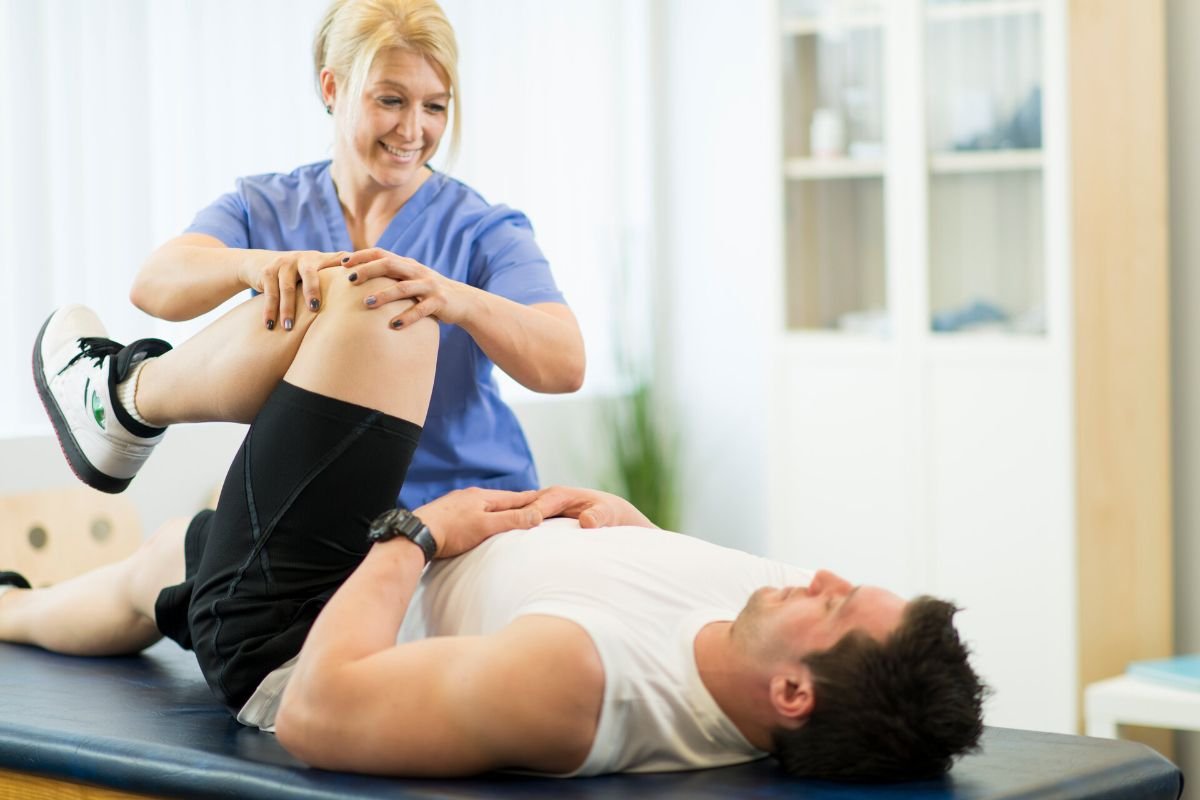
Related Articles

Where to Get the Best Knee Replacement Surgery Abroad: Top Countries, Clinics & Costs
Written by Kateryna Zamkovska
Share this content
Video Stories from Bookimed Patients
 Anna Leonova
Our Knee replacement Techniques: What Suits You Best?
When considering Knee replacement, it’s important to understand the different techniques and which is best suited for you. Here’s a concise comparison of popular options:
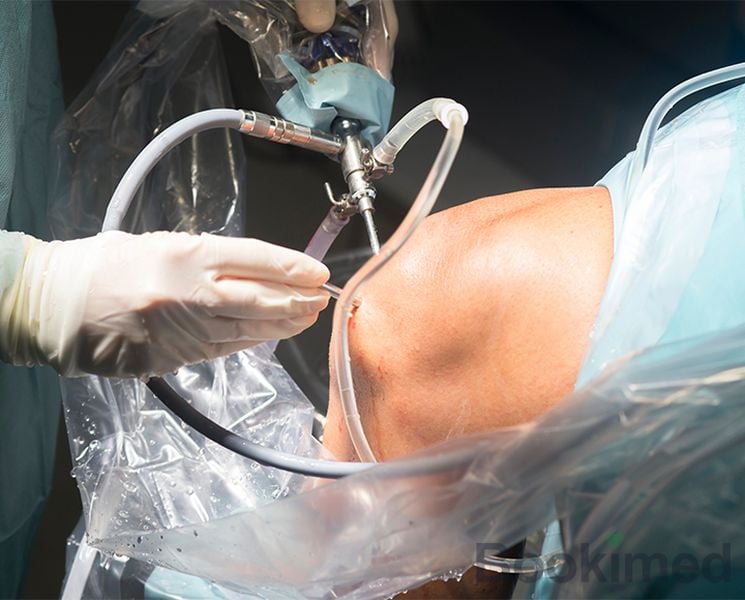
Knee Arthroscopy
A minimally invasive surgical procedure used to diagnose and treat problems in the knee joint by inserting a small camera and instruments through tiny incisions.
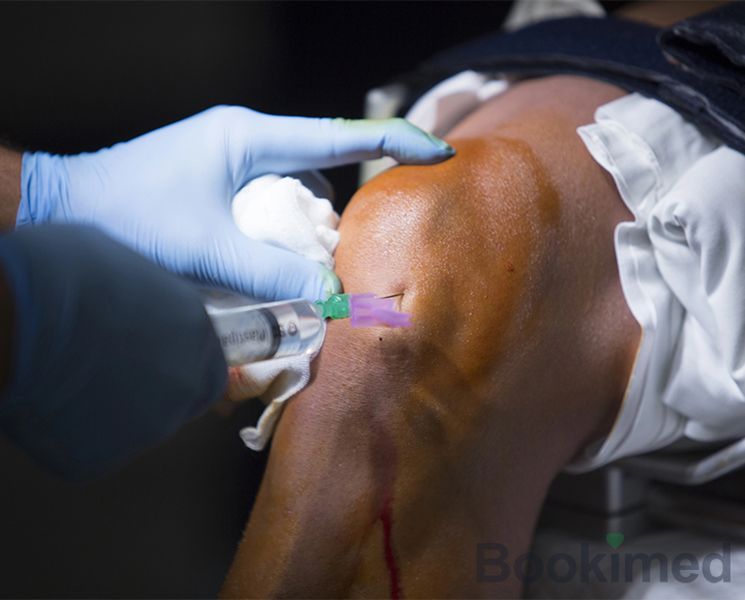
Unicompartmental (partial) knee replacement
This procedure involves replacing only one compartment of the knee joint, preserving more of the patient's natural bone and ligaments.
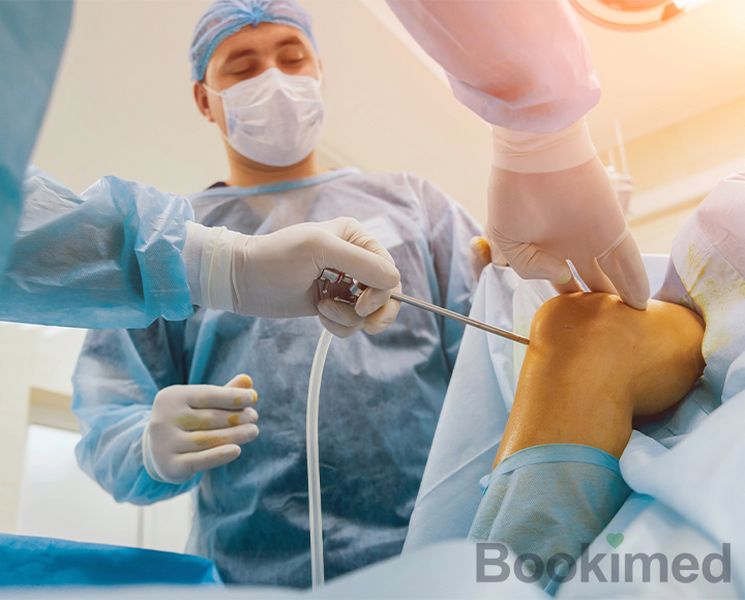
Knee MAKOplasty
Knee MAKOplasty is a minimally invasive knee surgery using robotic assistance to ensure precise implant placement.
FAQ about Knee replacement in Austria
How long is the hospital stay and recovery time in Austria?
Hospital stay for knee replacement in Austria typically lasts 1 to 4 days. While some private facilities offer same-day discharge, most patients remain hospitalized for pain management. Full recovery to normal functionality takes 6 to 18 months, with a return to work usually possible within 4 to 8 weeks.
- Hospital duration: Stays range from 1 to 4 days depending on clinical stability and pain control.
- Initial mobility: Physical therapy frequently starts within 24 hours of surgery to prevent complications.
- Work recovery: Most patients require 4 to 8 weeks off work for basic recuperation.
- Long-term healing: Reaching peak joint function and full mobility takes between 6 and 18 months.
- Rehabilitation transition: Patients often move to specialized centers for 2 to 3 weeks of intensive restoration.
Bookimed Expert Insight: Private clinics like Wiener Privatklinik or Döbling Private Clinic offer significantly more flexibility than public hospitals. While public stays average 6 days, private patients often discharge in 3 days. This speed is driven by higher nurse-to-patient ratios and immediate access to onsite rehabilitation facilities.
Patient Consensus: Patients emphasize that while they walk within days, the emotional reality is a year-long journey. Plan for a significant work absence and prioritize early physical therapy to ensure the best long-term outcome.
Are specialized rehabilitation programs available locally after surgery?
Austria offers comprehensive post-surgical rehabilitation for knee replacement patients through dedicated inpatient wards, specialized outpatient centers, and home-care networks. Facilities in Vienna and Graz provide tailored recovery programs, including physiotherapy and intensive nursing, ensuring a seamless transition from acute surgical care to functional independence.
- Inpatient rehabilitation: Clinics like Leech Private Clinic feature specialized wards for intensive post-operative recovery.
- Integrated care: Döbling Private Clinic provides diagnostics, surgery, and rehabilitation in one location.
- Specialized techniques: Recovery programs accommodate robot-assisted surgery and total knee replacement revision protocols.
- Professional standards: Facilities often hold ISO 9001 certifications and Nursing Excellence awards.
Bookimed Expert Insight: While many premier Austrian hospitals integrate rehab on-site, public insurance-based facilities like Engelsbad require formal doctor referrals. Securing these spots early is vital, as qualified therapists in high-demand cities like Vienna often have significant wait times.
Patient Consensus: Patients emphasize that rehab is not a walk-in service and requires early coordination before hospital discharge. Most recovery plans combine professional clinic sessions with essential home exercises to manage swelling and restore motion.
Can international patients access private clinics easily?
International patients access private clinics in Austria easily through dedicated international departments and streamlined coordination. High-tier facilities like Wiener Privatklinik and Döbling Private Clinic specialize in treating global patients, offering rapid access to world-class orthopedic surgeons, advanced robot-assisted surgery, and premium inpatient amenities without the typical public wait times.
- Specialist selection: Patients choose specific experts, often university professors, for complex knee procedures.
- Access speed: Private routes bypass public waitlists, facilitating faster surgery and specialized rehabilitation.
- Advanced technology: Clinics provide robot-assisted options like MAKOplasty and OMNI robotic-assisted total replacement.
- Administrative support: International departments manage medical records, language translation, and visa invitation letters.
Bookimed Expert Insight: Data shows a high density of expertise in Vienna, where Wiener Privatklinik serves over 12,000 patients annually. Around 40% of their clientele arrives from abroad, indicating a mature infrastructure for international care. Patients should note that many top-tier Austrian surgeons maintain dual practices; booking a private consultation is a strategic way to secure the same expert who leads major university orthopedic departments.
Patient Consensus: Patients value private care primarily for the significantly faster scheduling and the comfort of single-room amenities. It is essential to request itemized quotes for implants and anesthesia to manage out-of-pocket costs effectively.