
Tokuda Clinic
Bulgaria, Sofia


Medically reviewed by
Fahad Mawlood
| Turkey | Austria | |
|---|---|---|
| Varicose veins removal | from $1,500 | from $3,500 |
| Varicose Vein Stripping | from $1,800 | ≈ $2,800 |
| Stenting of Arterial Dissection | ≈ $4,800 | ≈ $7,500 |
| Sclerotherapy of varicose veins | from $710 | ≈ $450 |
| Radiofrequency ablation | from $5,000 | ≈ $7,500 |
No hidden fees – just official clinic prices. Pay at the clinic for Phlebology treatment upon arrival and use a flexible installment plan if needed.
Bookimed is committed to your safety. We only work with medical institutions that maintain high international standards in Phlebology treatment and have the necessary licenses to serve international patients worldwide.
Bookimed offers free expert assistance. A personal medical coordinator supports you before, during, and after your treatment, solving any issues. You're never alone on your Phlebology treatment journey.

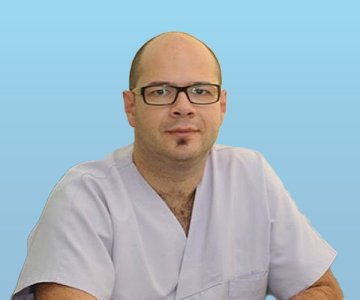
Dr. Anton Elkin is a vascular surgeon at AmeriMed Medical Center in Sofia, Bulgaria. He specializes in phlebology and treats vein conditions. He works with a team of nearly 100 medical specialists. AmeriMed Medical Center performs surgery for local and international patients seeking vascular treatment.

Written by Veronika Kazina
 Anna Leonova

Modern vein treatments in Bulgaria typically utilize local or tumescent anesthesia rather than general anesthesia. Specialized clinics in Sofia and Varna perform procedures like laser ablation virtually painlessly. Patients usually remain awake. The primary sensation involves a mild pinprick during the initial numbing injection. Most people walk out immediately.
Bookimed Expert Insight: Clinics like Tokuda Clinic in Sofia focus on high-volume care. Large institutions often use integrated quality management to standardize anesthesia protocols. This ensures consistent patient comfort during routine vascular procedures. Verify if your package includes compression stockings. These are essential for a smooth recovery and better outcomes.
Patient Consensus: Patients note the numbing injections are the only uncomfortable part. The actual vein work involves only minor tugging sensations. Most report returning to work the next day without issues.
Minimally invasive vein treatments in Bulgaria include laser ablation, radiofrequency therapy, and sclerotherapy. These outpatient procedures require no general anesthesia. Specialists in Sofia and Plovdiv use ultrasound guidance. They offer quick recovery without surgical scars. Most patients return to routine activities immediately.
Bookimed Expert Insight: High-volume medical centers in Sofia, such as Tokuda Clinic, serve 274,000 patients annually. This massive patient flow allows clinics to maintain advanced infrastructure. Many Bulgarian vascular centers now combine thermal ablation with foam sclerotherapy. This hybrid approach addresses both internal reflux and cosmetic surface concerns in one session.
Patient Consensus: Patients note that combining treatments for main veins and surface branches works best. They appreciate walking the same day but suggest planning for minor bruising.
Bulgaria offers specialized phlebology care through multidisciplinary hospitals and dedicated vein centers in Sofia. Prominent facilities focus on minimally invasive endovenous laser ablation and Doppler ultrasound diagnostics. Leading institutions like Tokuda Clinic handle 274,000 patient visits yearly, providing integrated vascular surgery and angiology services.
Bookimed Expert Insight: Sofia's medical landscape shows a trend where high-volume centers like Tokuda Clinic dominate for complex cases. These large facilities often provide faster access to English-speaking staff than smaller regional clinics. We recommend choosing clinics with integrated vascular departments for comprehensive care.
Patient Consensus: Patients note it is important to choose specific specialists based on individual reputation. Most emphasize confirming recovery plans and ultrasound costs before finalizing their clinic choice.
Patients typically wear compression stockings for 1 to 2 weeks after Bulgarian phlebology procedures. Most individuals return to desk work within 2 days. Physical jobs may require 5 days of rest. Walking 30 minutes daily is vital for circulation and successful recovery outcomes.
Bookimed Expert Insight: Large centers like Tokuda Clinic in Sofia manage over 274,000 patient visits annually. Their high volume suggests efficient post-op protocols. Patients often find that clinics with integrated quality awards provide better fitting stockings. Proper sizing prevents numbness and ensures a faster return to daily activities.
Patient Consensus: Many note that swelling increases when standing at work. They recommend wearing stockings during work hours even after the mandatory period. Most patients find that regular walking reduces post-procedure discomfort more than rest alone.
International patients typically stay in Bulgaria for 5 to 7 days for vein treatment. This timeframe covers the initial ultrasound mapping and the primary procedure. It also allows for a critical post-treatment follow-up. This check ensures the veins closed properly before flying home.
Bookimed Expert Insight: Sofia clinics like Tokuda Clinic manage massive patient volumes with over 274,000 annual visits. This high activity suggests efficient diagnostic pipelines. Patients can often get ultrasound mapping and treatment within 24 hours. This speed is vital for international travelers on tight schedules.
Patient Consensus: Patients note that while the actual procedure feels quick, they appreciate having a few days to walk around locally. They say visible improvements take weeks, but feeling safe to fly after the final check is their main priority.