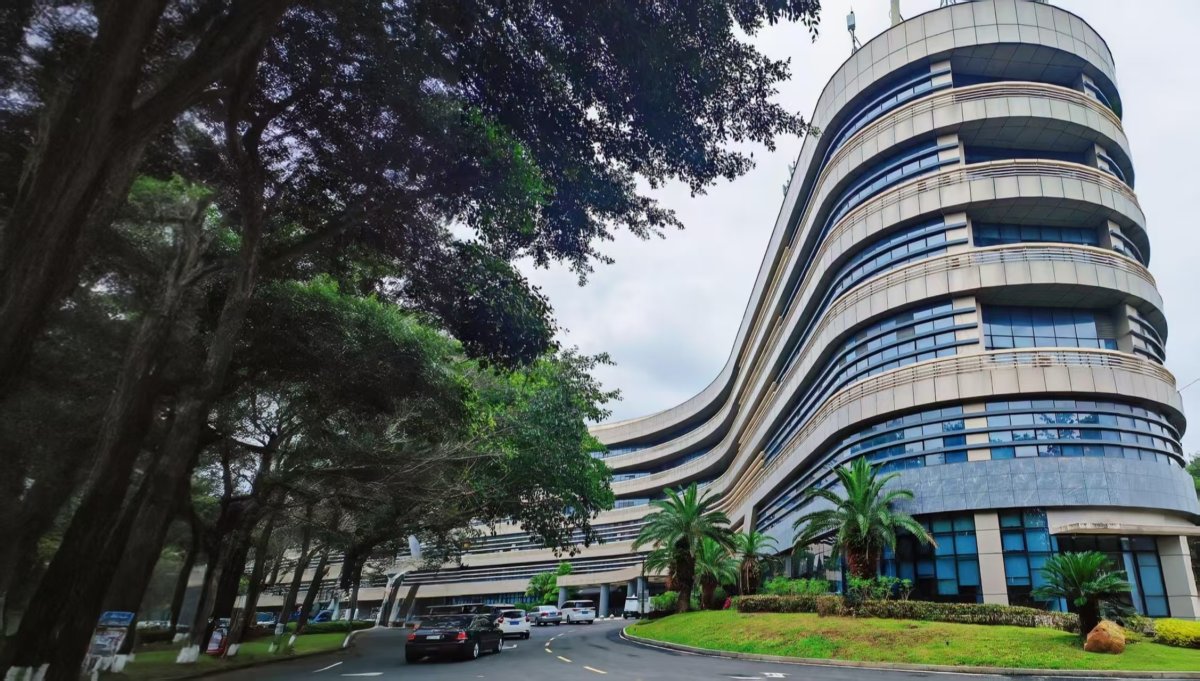
Boao International Medical Center
China, Qionghai

Medically reviewed by
Esra Cabuk Comert
Endometriosis treatment cost in China runs from $5,500 to $9,800 for primary surgical interventions. Expenses depend on the hospital tier, chosen surgical approach, and the city’s economic level. Patients can achieve 30-50% savings compared to the United States. Premier medical services for this condition are concentrated in Beijing, Shanghai, and Guangzhou.
Typical Endometriosis Treatment Costs in China
Bookimed Expert Insight: Patients seeking the highest care standards should prioritize JCI-accredited Class A Level III clinics. Yanda International Hospital in Beijing combines modern technologies with traditional Chinese approaches. This multidisciplinary model is ideal for managing chronic pelvic pain and complex cases. Their facility serves a large international patient volume and maintains 3,000 hospital beds. Such high-capacity centers offer reliable protocols for surgical excision and long-term recovery.
| China | Turkey | Austria | |
|---|---|---|---|
| The Wertheim-Meigs operation | ≈ $7,500 | from $5,600 | ≈ $14,500 |
| Laparoscopic surgery for endometriosis | ≈ $5,500 | from $5,500 | ≈ $5,200 |
| Cervix Conization | ≈ $1,800 | from $800 | ≈ $2,300 |
No hidden fees – just official clinic prices. Pay at the clinic for Endometriosis treatment and use a flexible installment plan if needed.
Bookimed is committed to your safety. We only work with medical institutions that maintain high international standards in Endometriosis treatment and have the necessary licenses to serve international patients worldwide.
Bookimed offers free expert assistance. A personal medical coordinator supports you before, during, and after your treatment, solving any issues. You're never alone on your Endometriosis treatment journey.

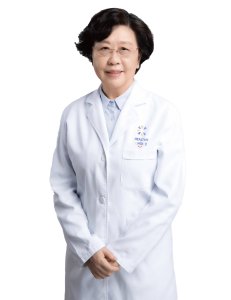
Professor Lin Jinfang is a senior physician and PhD supervisor. She formerly directed the Division of Gynecologic Endocrinology at Fudan University’s Obstetrics and Gynecology Hospital (Red House) in Shanghai. She has more than 40 years of clinical experience. She is a pioneer in gynecologic endocrinology and reproductive medicine and a Lin Qiaozhi Cup honoree.
Focus: complex endocrine infertility; POI and ovarian aging. She developed the "remaining follicle resuscitation" approach. She also treats PCOS, including non-obese types, endometriosis and adenomyosis, amenorrhea, anovulation, and recurrent miscarriage. She provides perimenopausal care, including BHRT, and fertility-preserving minimally invasive surgery such as laparoscopic myomectomy, endometriotic cyst excision, and hysteroscopic septum or polyp resection.
She has published widely on ovarian function preservation and PCOS phenotyping. She mentors future specialists. She also consults at Aiding Women’s Clinic and Kapok Medical in Shanghai.

Dr. Wu Sufang is a Professor, Chief Physician, and Director of Obstetrics and Gynecology at a tertiary hospital in China. She has over 30 years of experience in gynecologic oncology. She trained under Academician Martin and completed postdoctoral research at MD Anderson Cancer Center.
Her surgical expertise includes radical hysterectomy, ovarian cytoreduction, endometrial cancer staging, and complex pelvic and para-aortic lymphadenectomy. She also performs fertility-sparing and minimally invasive procedures. She tailors chemotherapy, radiotherapy, and targeted therapy to each patient to improve survival and quality of life.
She is the principal investigator of four NSFC projects. She has published over 50 SCI papers, most as first or corresponding author. She serves on the standing committee of the Gynecologic Oncology Branch of the Chinese Medical Association and as an expert for the Chinese Anti-Cancer Association. She is an invited speaker and an award-winning mentor.
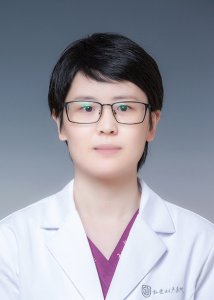
Professor and Chief Physician. Director of Gynecologic Oncology. PhD in Gynecologic Oncology from the Cancer Hospital, Chinese Academy of Medical Sciences. MSc in Obstetrics and Gynecology from Peking Union Medical College Hospital. Nearly 30 years of clinical experience. Published in SCI and core journals. Co‑author of two gynecologic oncology monographs.
Specializes in standardized diagnosis and comprehensive treatment of ovarian, cervical, and endometrial cancers. Provides surgery, chemotherapy, targeted therapy, immunotherapy, and intraperitoneal hyperthermic perfusion. Pioneer of single‑port laparoscopy at her hospital. Also performs multi‑port laparoscopy, open surgery, and hysteroscopic procedures for benign gynecologic disease.
Affiliations: Youth Director, Chinese Anti‑Cancer Association. Youth Member, Gynecologic Oncology Committee, Fujian Anti‑Cancer Association. Member, Peritoneal Tumor Committee, Fujian Anti‑Cancer Association. Youth Member, Obstetrics and Gynecology Committee, Fujian Medical Association.
 Anna Leonova
Endometriosis treatment in China is primarily performed using advanced laparoscopic techniques. Surgeons utilize small incisions between 5mm and 8mm. These procedures ensure rapid recovery and minimal scarring. Most patients report high cosmetic satisfaction. High-level institutions like Yanda International Hospital maintain JCI-accredited standards for these surgeries.
Bookimed Expert Insight: China ranks its top medical facilities as Class A Level III. Yanda International Hospital holds this prestigious status. It manages over 2,500,000 patients annually across 39 departments. This high volume suggests surgical teams maintain exceptional proficiency in repetitive, complex laparoscopic procedures like endometriosis excision.
Patient Consensus: Patients note that the three tiny dots from excision surgery become barely noticeable. They emphasize using silicone sheets post-op to help scars fade even faster.
Chinese medical centers report postoperative pregnancy rates between 61% and 68% for advanced endometriosis. Approximately 87% of patients experience significant pelvic pain relief following laparoscopic surgery. High-level institutions like Yanda International Hospital combine specialized surgical protocols with traditional methods to optimize these clinical outcomes.
Bookimed Expert Insight: Data from China’s highest-rated Class A Level III clinics suggests a unique dual-track approach. Facilities like Yanda International Hospital serve over 2,500,000 patients annually by integrating JCI-standard surgery with traditional recovery protocols. This high volume allows surgeons to master nerve-sparing techniques. These methods often lead to 90% pain reduction while specifically protecting the ovarian reserve.
Patient Consensus: Patients report excellent pain relief after deep lesion removal but emphasize checking ovarian reserve levels before surgery. Many note that natural conception often occurs within nine months of microscopic surgery.
Patients should stay in China for 10 to 14 days after laparoscopic endometriosis excision before flying. This timeframe allows abdominal CO2 gas to dissipate and reduces deep vein thrombosis risks. Most surgeons require being medically stable and mobile before approving long-haul international travel.
Bookimed Expert Insight: Yanda International Hospital in Beijing operates as a Class A level III facility. This is the highest medical tier in China's healthcare system. Choosing such high-volume centers is vital for endometriosis. They often combine international protocols with specialized recovery approaches that prioritize early mobility. This experience helps ensure patients meet strict flying safety criteria within the standard 14-day window.
Patient Consensus: Patients emphasize the importance of walking hourly during the flight and using compression stockings. Many suggest staying in a local hotel for a few days after hospital discharge to ensure follow-up scans are clear.
Chinese surgeons qualifying for complex endometriosis excision hold eight-year medical degrees or PhDs. Most practice at Class 3A hospitals like Yanda International Hospital in Beijing. These specialists must reach Chief Physician status to perform advanced laparoscopic or da Vinci robotic resections independently.
Bookimed Expert Insight: High-volume centers like Yanda International Hospital provide access to advanced da Vinci robotics. Their Class A level III status confirms the highest clinical standards in China. Patients should prioritize doctors at these JCI-accredited facilities to ensure international safety protocols are met.
Patient Consensus: Patients note that while many surgeons perform basic laparoscopy, finding those who offer full excision is vital. Many recommend verifying a surgeon's specific experience through pathology reports from previous complex cases.
Leading endometriosis centers in China are located in Beijing, Shanghai, and Guangzhou. These facilities provide advanced laparoscopic excision and robotic surgery. Many centers hold Joint Commission International (JCI) accreditation. They often combine Western surgical protocols with traditional Chinese medicine to enhance recovery outcomes.
Bookimed Expert Insight: Quality indicators for Chinese centers often correlate with their Class level. A Class A level III designation, like that held by Yanda International Hospital, signifies the highest tier of medical equipment and surgical capability in the country. Patients should prioritize these institutions for complex excisions, as they manage over 2,500,000 patients annually and maintain high-volume surgical departments.
Patient Consensus: Patients note that while public hospitals handle high volumes, private centers in Beijing and Shanghai provide much better English-speaking support. Many mention that local protocols often emphasize fertility preservation over aggressive pain management after surgery.
Choose loose clothing like oversized cotton dresses or drawstring pants. Avoid anything with tight waistbands for 4 weeks. Soft, breathable fabrics like 100% cotton prevent irritation. These items accommodate abdominal swelling after laparoscopic endometriosis surgery. Slip-on shoes are essential to avoid bending over.
Bookimed Expert Insight: Chinese Class A Level III clinics like Yanda International Hospital often provide specific hospital gowns. These gowns simplify access for medical staff during the 9,000 annual operations performed there. Patients should still pack personal oversized pants for the discharge period. This ensures comfort when moving between the 6 buildings on the medical campus.
Patient Consensus: Patients warn that basic supplies like heavy pads and toiletries are often limited in hospital wards. They advise bringing your own large-sized clothes to avoid discomfort from standard-issue hospital linens.