Prostatectomy in China — get 3 personalized clinic matches
Bookimed lists 3 prostatectomy clinics in China, in Guangzhou, Hainan Province, and Indonesia, including JCI-accredited clinics. These clinics are rated 4.6/5 in 19 verified patient reviews on Bookimed.


Medically reviewed by
Yesim Yildirim
How it works
How Much Does Prostatectomy Cost in China?
Prostatectomy in China typically costs from $11,000 to $19,000 depending on the surgical technique, hospital tier, and city. Patients save around 63% compared to the US, where this procedure costs $40,000 on average. Major medical hubs include Beijing, Shanghai, and Guangzhou, with costs typically including airport transfers and translation services at JCI-accredited facilities.
- Robotic da Vinci prostatectomy: $17,000 to $26,000 for advanced robot-assisted precision.
- Laparoscopic prostatectomy: $9,500 to $15,500 for minimally invasive keyhole surgery.
- Transurethral resection of the prostate (TURP): $3,800 to $7,000 for endoscopic removal.
- VIP department premium: International departments in major cities may charge 50% to 200% more.
Bookimed Expert Insight: Choosing Guangzhou clinics like Fuda Cancer Hospital provides high value for complex cases. They offer specialized technologies like NanoKnife and cryosurgery not found in standard packages. While robotic surgery at Hainan Chengmei Hospital uses premium da Vinci tech, it remains affordable. These JCI-accredited centers often provide free airport transfers and dedicated interpreters to streamline the experience.
| China | Turkey | Austria | |
|---|---|---|---|
| Prostatectomy | ≈ $11,000 | from $4,000 | ≈ $16,500 |
| Transurethral resection of the prostate (TURP) | ≈ $3,800 | from $2,800 | ≈ $5,800 |
| Robotic da Vinci prostatectomy | ≈ $17,000 | from $10,000 | ≈ $17,500 |
| Laparoscopic prostatectomy | ≈ $9,500 | from $5,500 | ≈ $13,500 |
Discover the Best Prostatectomy Clinics in China: 3 Verified Options and Prices



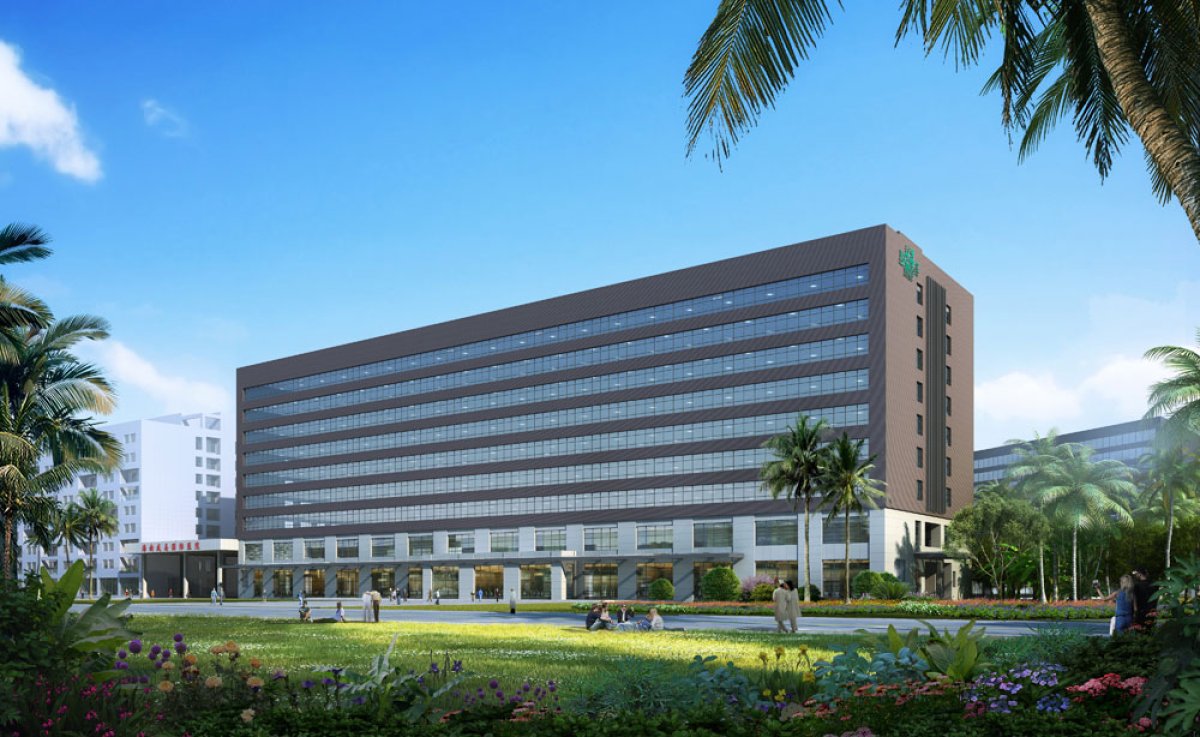

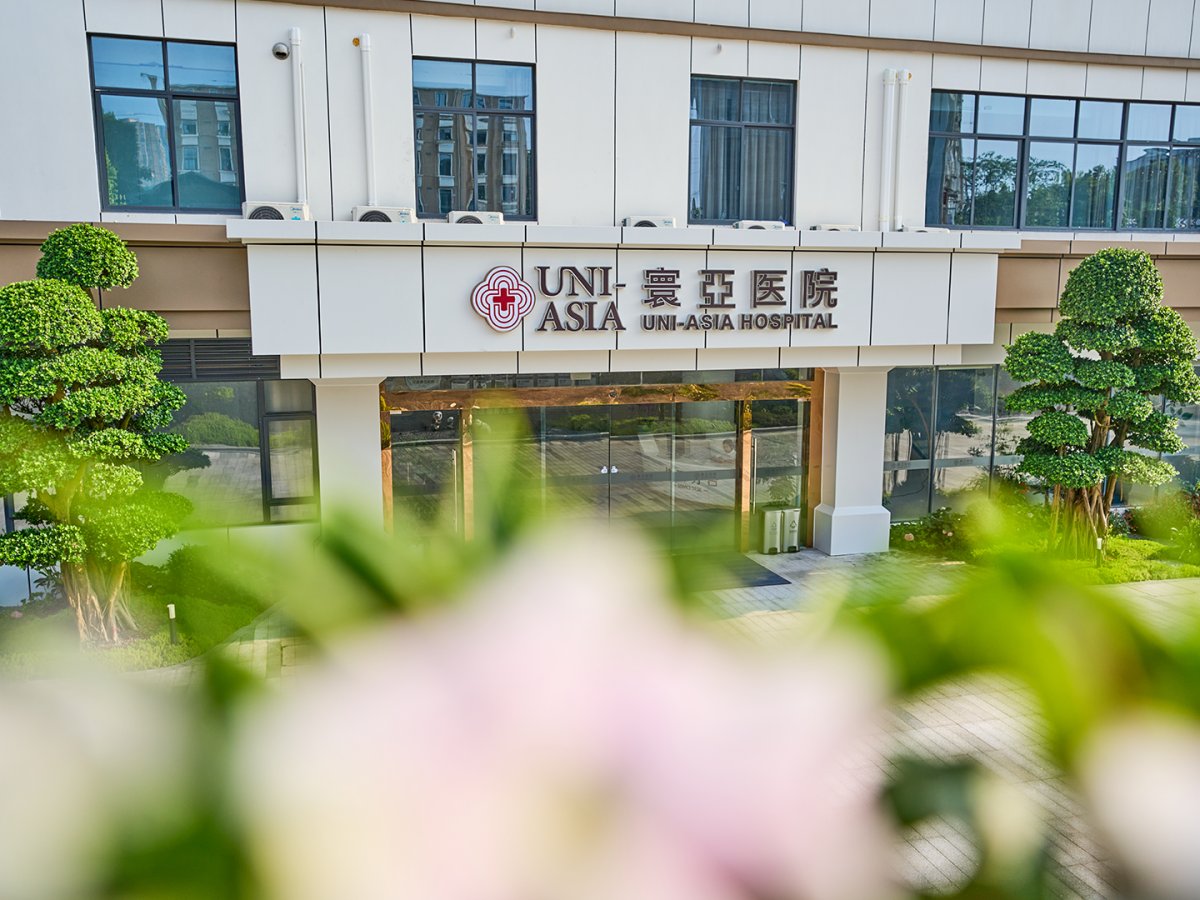
Uni-asia Cancer hospital
Zhang Jinshan

Prostatectomy Overview in China
Day 1
- Arrive in the country and meet your VIP transfer.
- Check-in at the hospital.
- Consultation with a urologist.
- Language assistance provided if necessary.
Day 2
- Undergo pre-operation medical tests.
- Consultation with an anesthesiologist.
Day 3
- Undergo Prostatectomy under general anesthesia.
- Operation lasts about 2 to 4 hours.
Day 4 - Day 7
- Post-operation care in the clinic.
- Monitoring and managing pain and side effects.
Week 1 - Week 2
- Discharge from the hospital.
- Follow-up consultation with the urologist.
Week 3 - Week 4
- Rehabilitation at home.
- Slowly resume normal activities.
Month 1 - Month 2
- Return to work and light physical activities.
- Follow-up consultation with the urologist.
Month 3
- Resume all normal activities.
- Observe the final result of Prostatectomy.
Please note that each patient"s recovery process is different and may vary from this guide.
- Bookimed deposit: $200 or €200.
- Clinic deposit: Pay a set percentage in advance.
Our Doctors
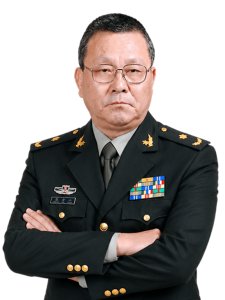
View all DoctorsZhang Jinshan

Niu Lizhi
Dr. Niu Lizhi is the President and chief surgeon at Fuda Cancer Hospital in Guangzhou. He has performed nearly 10,000 cryosurgeries and 500 NanoKnife procedures. Dr. Niu specializes in minimally invasive oncology for lung, pancreatic, and liver cancers. He treats patients ranging from early childhood through age 94.
- Serves as Vice-President of the International Society of Cryosurgery.
- Authored over 100 scientific papers on surgical oncology and NanoKnife.
- Winner of the Award for Outstanding Contribution to Chinese Cryosurgery.
- Works at JCI-accredited Fuda Cancer Hospital, a global standard in healthcare.
Video Stories from Bookimed Patients
Reviews about Bookimed: Discover Patients' Insights
All reviews

Related Articles

Guide to Prostate Cancer Surgery Cost
Written by Anna Leonova
Share this content
 Anna Leonova

Our Prostatectomy Techniques: What Suits You Best?
When considering Prostatectomy, it’s important to understand the different techniques and which is best suited for you. Here’s a concise comparison of popular options:
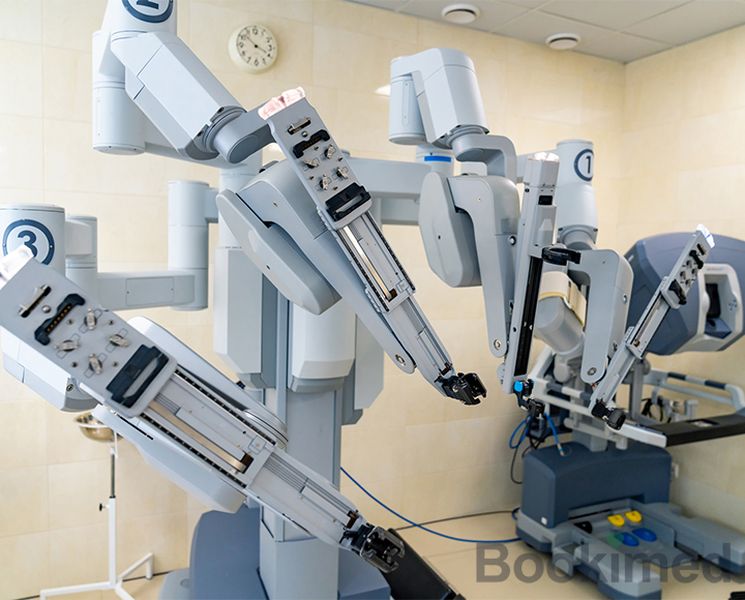
Robotic da Vinci prostatectomy
This minimally invasive procedure uses robotic technology to remove the prostate gland, primarily for prostate cancer treatment.

Transurethral resection of the prostate (TURP)
This prostate surgery involves removing parts of the prostate gland to treat urinary problems due to an enlarged prostate.

Laparoscopic Prostatectomy
It is a minimally invasive procedure for removing the prostate gland, often used in prostate cancer treatment.