Nasopharyngeal Cancer Treatment in Cyprus — Get 3 Personalized Clinic Matches

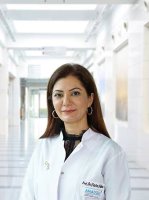
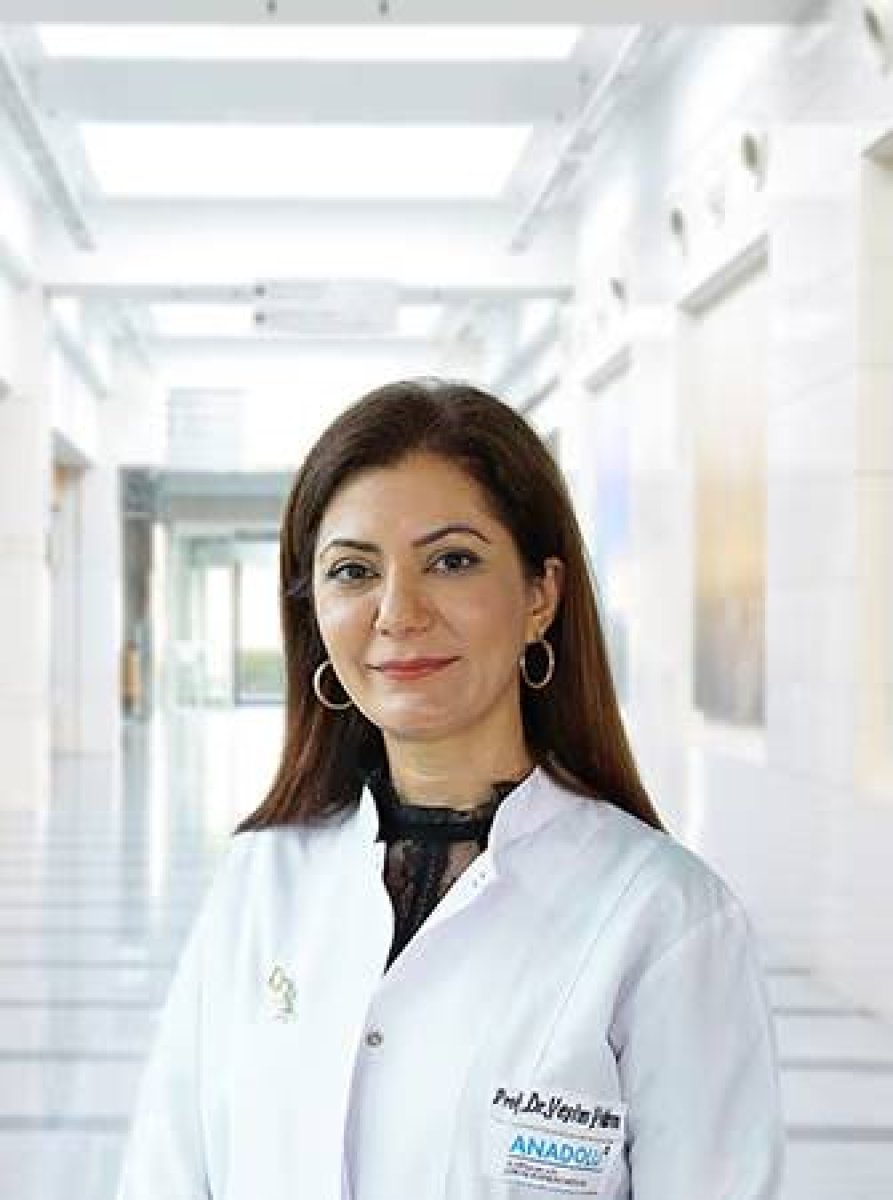
Medically reviewed by
Yesim Yildirim
What's the Cost of Nasopharyngeal cancer Diagnosis and Treatment in Cyprus?
| Turkey | Austria | |
|---|---|---|
| Halcyon | ≈ $9,500 | ≈ $11,500 |
Your Benefits and Guarantees with Bookimed
Transparent Prices & Flexible Installments
No hidden fees – just official clinic prices. Pay at the clinic for Nasopharyngeal cancer treatment and use a flexible installment plan if needed.
Verified Clinics & Doctors Only
Bookimed is committed to your safety. We only work with medical institutions that maintain high international standards in Nasopharyngeal cancer treatment and have the necessary licenses to serve international patients worldwide.
Free 24/7 Assistance
Bookimed offers free expert assistance. A personal medical coordinator supports you before, during, and after your treatment, solving any issues. You're never alone on your Nasopharyngeal cancer treatment journey.

Your personal Bookimed medical coordinator
- Supports you at every stage
- Helps choose the right clinic and doctor
- Ensures quick and convenient access to information
Best Nasopharyngeal cancer Treatment Centers in Cyprus: 1 Verified Option and Prices



Share this content
Video Stories from Bookimed Patients
 Anna Leonova
Expert Overview about Nasopharyngeal cancer Treatment in Cyprus
What are the primary treatment options available for nasopharyngeal cancer in Cyprus?
Primary treatments for nasopharyngeal cancer in Cyprus include intensity-modulated radiotherapy and concurrent chemotherapy. Specialist centers like German Medical Institute (GMI) utilize high-precision technology for these protocols. Surgery is typically reserved for salvage therapy. All protocols follow established European oncology standards.
- Precision radiotherapy: Centers use IMRT to target tumors while protecting critical brain structures.
- Chemoradiotherapy: Platinum-based drugs often combine with radiation to treat locally advanced stages.
- Advanced equipment: High-end systems like the Halcyon radiotherapy platform provide rapid, accurate treatment.
- Systemic therapy: Metastatic cases may receive gemcitabine or immunotherapy depending on biomarker status.
Bookimed Expert Insight: German Medical Institute (GMI) treats over 13,000 patients annually and holds TÜV NORD DIN EN ISO certification. This volume suggests high clinical proficiency in oncology. Patients should verify if centers utilize the Halcyon system for faster radiotherapy sessions.
Patient Consensus: Patients note that standard treatment usually requires daily radiation for 7 weeks. They emphasize finding a multidisciplinary team including an ENT surgeon and radiation oncologist.
Where can patients receive specialized oncology care for nasopharyngeal cancer in Cyprus?
Patients receive specialized oncology care at centers in Nicosia and Limassol. The German Medical Institute in Limassol is a key hub. The Bank of Cyprus Oncology Centre in Nicosia provides tertiary care. These facilities offer radiation and medical oncology. Multidisciplinary teams manage complex head and neck cases.
- Specialized facilities: German Medical Institute serves over 13,000 adult patients annually.
- Accreditation standards: Clinics maintain certifications like TÜV NORD DIN EN ISO and CHKS.
- Treatment teams: Specialists include medical oncologists, radiation oncologists, and nuclear medicine experts.
- Diagnostic capacity: Reference centers utilize diagnostic and interventional radiology for precise tumor staging.
Bookimed Expert Insight: German Medical Institute (GMI) operates with 90 doctors across 29 specialized departments. This scale is significant for a private center founded in 2017. The staff training in Germany and the UK ensures international-standard protocols. Patients benefit from a multilingual environment supporting English, Greek, and German speakers. This reduces communication barriers during complex multidisciplinary tumor board discussions.
Patient Consensus: Patients note that combining radiation with chemotherapy is standard for this condition. It is important to bring all previous pathology reports and scans to the first visit.
Is surgery ever used to treat nasopharyngeal carcinoma locally?
Surgery treats nasopharyngeal carcinoma locally primarily for recurrent tumors or persistent neck lymph nodes. While radiation remains the first choice, surgeons perform endoscopic nasopharyngectomy for localized recurrences. Minimally invasive robotic-assisted approaches help remove tumors while protecting critical blood vessels and the skull base.
- Recurrent tumors: Surgery removes localized cancer if it returns after initial radiation therapy.
- Neck dissection: Surgeons physically remove lymph nodes if cancer remains after primary chemoradiation.
- Early-stage cases: Endoscopic surgery may occasionally treat small, stage T1 tumors in specialized centers.
- Salvage therapy: Local surgery offers a safer alternative to repeating high-dose radiation treatments.
Bookimed Expert Insight: Cyprus provides advanced oncology infrastructure through centers like German Medical Institute (GMI). This facility treats over 13,000 patients annually and holds CHKS accreditation for healthcare data management. Their use of Halcyon technology suggests a focus on precision, which is vital when surgery must be avoided near the skull base. Patients should prioritize centers with multi-disciplinary oncology teams to evaluate if salvage surgery is viable.
Patient Consensus: Patients note that surgery is rarely the first option and usually follows radiation. They emphasize asking doctors if a procedure is for diagnosis or actual tumor removal.
What diagnostic evaluations are performed prior to starting treatment in Cyprus?
Diagnostic evaluations for nasopharyngeal cancer in Cyprus follow standard European oncology pathways. Specialists perform endoscopic nasopharyngoscopy to visualize the tumor. A biopsy is mandatory for confirmation. Imaging protocols include contrast-enhanced CT and high-resolution MRI. PET-CT scans assess lymph node involvement or distant spread.
- Endoscopic examination: ENT specialists perform nasopharyngoscopy to inspect the post-nasal space.
- Tissue biopsy: Pathologists analyze samples to confirm cancer type and EBV status.
- Imaging studies: MRI provides detailed primary tumor mapping for radiation planning.
- Systemic staging: PET-CT scans identify potential metastasis in distant organs or nodes.
Bookimed Expert Insight: Cyprus offers a unique diagnostic advantage through specialized centers like the German Medical Institute. This facility serves over 13,000 patients annually and holds CHKS healthcare accreditation. Its staff, trained in Germany and the UK, facilitates rapid multidisciplinary staging. This ensures treatment plans meet rigorous international quality standards.
Patient Consensus: Patients note that staging involves visiting different specialized radiology centers. They recommend keeping digital copies of all pathology reports to prevent repeating tests at new facilities.