Bone Resection in Germany — Get 3 Top Clinic Matches with Costs
Bookimed lists 6 bone resection clinics in Germany, mostly in Bremen, Frankfurt am Main, and Berlin. These clinics are rated 4.4/5 in 101 verified patient reviews on Bookimed.

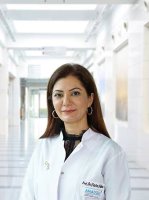
Medically reviewed by
Yesim Yildirim
How Much Does Bone resection Cost in Germany?
Bone resection in Germany typically costs from $6,500 to $11,500. The final price depends on surgical complexity, the specific bone involved, and the clinic category. In the US, similar procedures cost around $40,000 on average. Patients save around 78% compared to US rates. Standard German quotes usually include pre-operative diagnostics, surgery, anesthesia, and inpatient hospital stay.
- Hemipelvectomy: $38,000 to $60,000 for complex pelvic bone removal surgeries.
- Resection with implant replacement: $24,000 to $40,000 including endoprosthesis or specialized implants.
- Advanced technology: Robotic-assisted systems or 3D-printed implants typically add 20-30% to the base cost.
- Medical hubs: Facility fees in Berlin, Munich, or Frankfurt often run 10-20% higher than regional clinics.
Bookimed Expert Insight: Choosing a specialized network provides high-tier care at more predictable rates. Asklepios Hospital Barmbek is ranked as a top clinic by Medical Travel Quality Alliance (MTQA). This hospital handles over 80,000 international patients annually with ISO-certified standards. For complex oncology cases, Nordwest Clinic in Frankfurt offers innovative 3D ultrasound and is recognized by Newsweek. Both provide university-level expertise with transparent pricing structures.
| Germany | Turkey | Austria | |
|---|---|---|---|
| Bone resection | ≈ $6,500 | from $9,000 | ≈ $7,500 |
| Resection of bone with implant replacement | ≈ $24,000 | from $12,000 | ≈ $18,000 |
| Hemipelvectomy | ≈ $38,000 | ≈ $24,000 | ≈ $38,000 |
Your Benefits and Guarantees with Bookimed
Transparent Prices & Flexible Installments
No hidden fees – just official clinic prices. Pay at the clinic for Bone resection upon arrival and use a flexible installment plan if needed.
Verified Clinics & Doctors Only
Bookimed is committed to your safety. We only work with medical institutions that maintain high international standards in Bone resection and have the necessary licenses to serve international patients worldwide.
Free 24/7 Assistance
Bookimed offers free expert assistance. A personal medical coordinator supports you before, during, and after your treatment, solving any issues. You're never alone on your Bone resection journey.

Your personal Bookimed medical coordinator
- Supports you at every stage
- Helps choose the right clinic and doctor
- Ensures quick and convenient access to information
Discover the Best Bone resection Clinics in Germany: 6 Verified Options and Prices










Bone resection Overview in Germany
Day 1 - Arrival
- Arrive at the country for the procedure.
- Transfer from the airport to the hospital.
Day 2 - Pre-operation
- Consultation with orthopedic surgeon.
- Complete necessary medical tests.
- Undergo an audiometry test.
- Prepare for the bone resection surgery.
Day 3 - Bone resection procedure
- Procedure begins in the morning.
- General anesthesia is administered.
- Bone resection takes 2 to 3 hours.
- Post-operative observation in the recovery room.
Day 4 to Day 7 - Post-operation
- Stay in the hospital for monitoring.
- Regular check-ups by the medical team.
- Transfer to a hotel for continued recovery.
Weeks 1 to 4 - Rehabilitation
- Begin gentle physical therapy exercises.
- Regular check-ups by the medical team.
- Gradual return to light activities.
Weeks 4 to 8 - Rehabilitation
- Increase intensity of physical therapy exercises.
- Potentially return to work with doctor"s approval.
Week 8 onwards
- Resume normal activities with caution.
- Regular follow-ups with the orthopedic surgeon.
- Full recovery and final results are expected by 12 weeks.
Please note that each patient"s recovery timeline and ability to return to work or sports will depend on individual circumstances and the complexity of the bone resection procedure.
- Bookimed deposit: $200 or €200.
- Clinic deposit: Pay a set percentage in advance.
As the leading global medical tourism platform, Bookimed.com takes a huge responsibility in providing useful and transparent information to its clients, both patients, and medical centers in Germany. All the information provided on Bookimed.com is grounded in research, foresight, and expertise and meets high interest related to the product and follows:
Smart automatic ranking system
We form our listings of clinics and doctors with strict regulations of our smart automatic ranking system. The system is based on real Bookimed patient rates to provide the most objective and transparent information about clinics and medical services there in Germany.
Our experienced data scientist collects data daily, monitors and optimizes the ranking system using machine learning and artificial intelligence to ensure that the ranking system is up-to-date and provides accurate results.
Real people"s experience only
We collect the opinions of Bookimed clients only after getting medical experience with the clinic in Germany — so everyone on the platform can trust the facility they choose. We strive to make the content on our platform as useful as possible and ensure the freedom to express critical opinions. Thus, we publish positive and negative reviews, aiming at being a source for informed decision-making for our future clients.
Topics with high levels of expertise, authority, and trustworthiness
On Bookimed.com you may find choice and convenience to find the best medical solutions from top medical services providers in Germany just in one place, and often at competitive prices. Making sure to deliver the freshest information, the clinic’s representatives update doctors’ CVs, clinics’ capacities, before-after pictures, prices, packages, and specials by themselves shortly. You may meet the clinic’s representative and check the date of updated content at every clinic’s page to make sure of its trustworthiness.
Our blog and supportive pieces are created by professional authors with at least 3-year experience in medical writing and edited by medical specialists with relevant clinical and research expertise — all carefully recruited to the team. We strive to enhance patient access to health information, making it expert but easy to understand. All pieces follow the Bookimed’s Editorial Guidelines.
Bookimed values
We are made of people and for people — and that"s our core value. That"s why all the data presented on the platform is collected, edited, reviewed, and updated regularly by our patients, our partner clinics in Germany, and our team, including the Bookimed Medical Advisory Board, which consists of the world-renowned doctors with value expertise over 20 years of practice, and a positive reputation. Learn more about us and our mission.
In case you find any mistake or have any questions on the information presented on Bookimed.com, please feel free to contact us at marketing@bookimed.com.
Our Doctors
View all Doctors
Uwe Neubauer
Dr. Uwe Neubauer is the Director of Neurosurgery at Bremen-Mitte Clinic in Germany. He specializes in surgery for the brain, spinal cord, and peripheral nerves. Dr. Neubauer has published research on neurological disorders and complex brain tumors. He works at a hospital ranked among Germany's top medical centers by Focus magazine.
- Performs deep brain stimulation and microsurgery for carpal tunnel disease.
- Treats pituitary gland tumors, glioblastoma, and medulloblastoma.
- Specializes in nerve transplants and neurotraumatology for brain injuries.
- Practices at an ISO-certified clinic recognized by Newsweek as a top global hospital.

Peter Reimer
Dr. Peter Reimer is a professor and oncohematology specialist at Essen University Hospital. He has international recognition for treating T-cell lymphomas and leukemia. Dr. Reimer leads the clinic for hematology, oncology, and stem cell transplantation in Essen. He is certified by the European Society for Medical Oncology (ESMO).
- Specializes in autologous and allogeneic stem cell transplantation and palliative care.
- Authored numerous articles on peripheral T-cell lymphoma diagnosis and therapy.
- Member of the American Society of Clinical Oncology and the German Cancer Society.
- Practices at Essen University Hospital, ranked among the World's Best Smart Hospitals.

Dieter Ukena
Dr. Dieter Ukena is the Head Physician of Pulmonology at Bremen-Ost Clinic in Germany. He oversees the care of over 500 lung cancer patients every year. His work focuses on immunotherapy and treating respiratory malfunctions during sleep. Dr. Ukena is a member of the German Society of Pulmonology and Respiratory Medicine.
- Specializes in immunotherapy for lung cancer and pleural diseases.
- Treats complex conditions like stage 4 lung cancer and bronchial asthma.
- Authored numerous articles on obstructive airway diseases.
- Works at a clinic ranked among the best in Germany by Focus magazine.
Video Stories from Bookimed Patients
Reviews about Bookimed: Discover Patients' Insights
All reviewsShare this content
 Anna Leonova
FAQ about Bone resection in Germany
Why do patients choose Germany for bone tumor resections?
Patients choose Germany for bone tumor resections due to high limb-salvage success rates between 80% and 95%. German orthopedic oncology centers utilize patient-specific 3D-printed implants and computer-navigated surgery to ensure negative tumor margins while preserving maximum joint function and post-operative mobility.
- Advanced reconstruction: Surgeons utilize 3D-printed anatomical prostheses and biological bone grafting for skeletal restoration.
- Limb-sparing priority: Medical teams focus on wide oncological margins to avoid amputation in complex cases.
- Multidisciplinary teams: DKG-certified (German Cancer Society) tumor boards coordinate oncology, radiology, and plastic surgery.
- Certified centers: Elite facilities like Charité Berlin and Nordwest Clinic hold top Newsweek rankings.
Bookimed Expert Insight: While many search for general orthopedics, the highest success rates come from university complexes like Charité Berlin or Essen University Hospital. These centers manage hundreds of thousands of patients annually. This high volume across diverse departments ensures that even the most rare or aggressive bone sarcomas receive treatment based on the latest clinical research and specialized pathology expertise.
Patient Consensus: Patients often seek German specialists for second opinions when local doctors recommend amputation. They value the precise coordination between biopsy and surgical planning, which provides more clarity than general local advice.
How long is the recovery period after bone resection?
Recovery after bone resection in Germany typically lasts 6 to 24 weeks, depending on surgical complexity and anatomical location. While initial wound healing occurs within 14 days, complete bone remodeling takes 3 to 6 months. Major orthopedic limb salvage requires up to 1 year for full functional restoration.
- Early healing phase: Incisions generally heal and sutures are removed within 1 to 2 weeks.
- Jaw and dental: Recovery for osseous jaw procedures usually ranges from 2 to 4 weeks.
- Lower limb weight-bearing: Foot or ankle resection requires 4 to 6 weeks of strict non-weight-bearing.
- Major limb salvage: Intensive rehabilitation usually starts at 8 weeks to restore mobility and strength.
Bookimed Expert Insight: While German university hospitals like Charite or Essen offer world-class oncology and orthopedic expertise, patients often overlook the bureaucratic timeline. Booking through high-volume centers like Nordwest Clinic or Bremen-Mitte, which handle over 40,000 patients annually, typically results in faster admission for time-sensitive resections than the larger research institutes.
Patient Consensus: Many patients find the first 2 weeks the most challenging due to fatigue and swelling. Success often depends on following strict physical therapy protocols rather than relying on pain levels to gauge healing.
Can I get a remote medical opinion before traveling to Germany?
International patients can obtain a remote medical opinion from German specialists before traveling for bone resection. Board-certified surgeons at facilities like Nordwest Clinic or Charité Universitätsmedizin Berlin use telemedicine to verify diagnoses, review DICOM imaging, and develop preliminary treatment strategies prior to patient arrival.
- Required documentation: Submit original DICOM files and pathology reports for precise surgical planning.
- Specialist access: Connect with chief physicians at Top 10 Focus-ranked university hospitals.
- Consultation cost: Expect private billing typically ranging between $215 and $540 per review.
- Legal boundaries: Remote reviews provide guidance but cannot replace mandatory in-person physical exams.
Bookimed Expert Insight: Data shows that university hospitals like Essen or Dusseldorf handle the highest patient volumes, often exceeding 350,000 cases annually. This massive scale allows surgeons to specialize in rare bone conditions. When requesting a remote opinion, ask if the clinic participates in active clinical trials, as this often indicates access to advanced bone resection technologies not yet widely available.
Patient Consensus: Patients emphasize sending full DICOM imaging rather than summaries to ensure accurate measurements. Most warn that remote advice remains tentative until a hands-on evaluation occurs in Germany.
Which hospitals in Germany are top-rated for neurosurgery?
Germany features some of the worlds most prestigious neurosurgery departments, led by Charité – Universitätsmedizin Berlin and University Hospital Heidelberg. These centers excel in treating complex brain tumors and cerebrovascular disorders. They utilize advanced technologies like intraoperative MRI and computer-assisted neuronavigation to maximize procedural success.
- Charité Berlin: Performs 5,000+ surgeries annually. Led by renowned neurosurgeon Dr. Peter Vajkoczy.
- Medical Center Solingen: Dr. Ralf Buhl has performed 4,000+ procedures, including minimally invasive spine surgery.
- Asklepios Nord Clinic: Features Germany's only two-sided intraoperative MRI for real-time surgical precision during tumor removals.
- Nordwest Clinic: Recognized by Newsweek as a leading hospital for innovations in 3D ultrasound technology.
Bookimed Expert Insight: Data shows that choosing high-volume centers often leads to more conservative treatment recommendations. At Medical Center Solingen, which treats 60,000+ patients yearly, surgeons frequently suggest physiotherapy over immediate surgery if risks appear high. This volume-based expertise ensures patients only undergo operations when statistically necessary for recovery.
Patient Consensus: Patients note that German specialists are very cautious and will explain all risks before proceeding. Many emphasize the comfort of modern facilities, though some mention that having a translator is helpful for navigating administrative paperwork.
What are the reported success rates for high-complexity neurosurgery in Germany?
High-complexity neurosurgery in Germany demonstrates exceptional safety. Spinal fusions reach a 99% success rate. Primary brain tumor resections maintain a 97% survival rate. Functional independence is high. Over 82% of patients discharge directly home after treatment. German centers prioritize preserving neurological function using advanced mapping.
- Tumor resection: Surgeons achieve gross total resection in 87.2% of brain metastasis cases.
- Vascular success: Unruptured aneurysm treatments show a 98.7% survival rate in German hospitals.
- Neurological improvement: Nearly 43% of patients see functional score gains after complex resections.
- Surgical safety: Spinal procedures maintain a 98–99% survival rate across major surgical centers.
Bookimed Expert Insight: High-volume surgeons like Dr. Uwe Kehler at Asklepios Altona Clinic perform 2,000+ operations annually. Data shows these experts maintain success rates up to 90% for the most complex cerebral tumors. Choosing a specialist with 4,000+ personal surgeries, such as Dr. Ralf Buhl, ensures technical precision gathered over decades of practice.
Patient Consensus: Patients note that German surgeons often prioritize physical function over aggressive tumor removal. It is important to write down all questions in advance to make the most of short consultations with busy professors.
What advanced technologies are routinely available in German neurosurgical clinics?
German neurosurgical clinics routinely integrate high-precision digital tools and real-time imaging into surgical practice. Core technologies include computer-assisted neuronavigation for brain and spinal procedures. Facilities like Asklepios Nord Clinic use intraoperative MRI to verify tumor removal in real time. These systems provide a 3D GPS for surgeons.
- Neuronavigation: Provides 3D visualization and real-time instrument tracking for sub-millimeter surgical precision.
- Intraoperative imaging: Systems like iMRI and O-arm CT allow immediate verification of successful resection.
- Neuromonitoring: Tracks motor and sensory functions during surgery to protect the nervous system.
- Fluorescence diagnostics: Uses 5-ALA dye to illuminate tumor borders for more complete removal.
- Robotic assistance: Systems like Da Vinci enhance dexterity for complex minimally invasive procedures.
Bookimed Expert Insight: High-volume centers like Charité – Universitätsmedizin Berlin perform 4,000+ neurosurgeries annually, creating a data-rich environment for refining robotic protocols. Medical Center in Solingen offers specialized packages for herniated disc surgery including preoperative diagnostics. This volume allows German clinics to negotiate better rates for consumables, keeping advanced tech accessible.
Patient Consensus: Patients note that modern German clinics significantly reduce recovery times compared to older surgical methods. Many describe the experience as less painful due to smaller incisions and highly competent staff who explain every technical risk clearly.
What specialist training do practicing neurosurgeons in Germany complete?
Neurosurgeons in Germany must complete 6 years of specialized residency training after medical school. This structured program includes intensive care, clinical practice, and a mandatory surgical log. Candidates then pass a state board exam to earn the title Facharzt für Neurochirurgie.
- Clinical residency: Requires 48 to 72 months of dedicated neurosurgical practice.
- Intensive care: Includes mandatory 6-month rotation in a neurosurgical intensive care unit.
- Surgical log: Surgeons document hundreds of procedures, including craniotomies and spinal surgeries.
- Board examination: Candidates must pass a state-administered oral and practical medical assessment.
Bookimed Expert Insight: German neurosurgery training emphasizes high-volume surgical experience. For example, Dr. Ralf Buhl at Medical Center in Solingen has performed 4,000+ surgeries. Dr. Jürgen Kiwit at Meoclinic Hospital brings 25+ years of expertise. This rigorous system ensures that specialists at major centers manage complex cases with proven precision.
Patient Consensus: Patients feel confident knowing their doctors underwent years of strict, state-monitored training. Many note that the detailed documentation of a surgeon's past procedures provides significant peace of mind before surgery.
What language and licensure requirements apply to international surgeons aiming to train or observe neurosurgery cases in Germany?
International neurosurgeons must meet strict language and licensure standards to train or observe in Germany. Training requires a full medical license or temporary permit. Observers need hospital-specific approval. Both paths demand high-level German proficiency to participate in clinical discussions and follow complex surgical protocols safely.
- Language proficiency: General German B2 and medical C1 (Fachsprachprüfung) are mandatory for clinical training.
- Clinical licensure: Surgeons need Approbation for permanent practice or Berufserlaubnis for temporary supervised training.
- Observation status: A Hospitation allows observing surgeries without medical responsibility or a formal license.
- Credential evaluation: Non-EU graduates often face a 3–6 month process to verify their medical degrees.
Bookimed Expert Insight: German clinics with high patient volumes, like Nordwest Clinic or Asklepios Nord, often prioritize candidates who have already secured their preliminary document evaluation. Our data shows that professors like Dr. Uwe Kehler and Dr. Paul Kremer manage thousands of cases annually. Demonstrating German B2 level early can bypass many bureaucratic delays in these busy departments.
Patient Consensus: Patients note that the language barrier is significant. They emphasize that while some international staff help, having a translator or a German-speaking doctor is vital for clear communication.
Does Germany have enough neurosurgeons to handle both domestic and international patient volumes?
Germany maintains the highest density of neurosurgeons in Europe with 2.94 specialists per 100,000 residents. This robust workforce easily manages international volumes through 184 dedicated departments. Key facilities like Charite Berlin perform 4,000+ surgeries annually. High specialist availability ensures additional capacity for complex global cases.
- Specialist density: Germany has 2.94 neurosurgeons per 100,000 people, doubling the European average.
- Clinical infrastructure: Over 182 dedicated neurosurgical departments provide widespread geographic access across Germany.
- Surgical expertise: Prof. Dr. Peter Vajkoczy at Charite Berlin leads over 4,000 annual procedures.
- Advanced technology: Facilities like Asklepios Nord Clinic utilize intraoperative MRI and computerized neuronavigation.
Bookimed Expert Insight: While Germany has high specialist numbers, top-tier professors like Dr. Ralf Buhl or Dr. Uwe Kehler are often concentrated in major hubs like Hamburg or Solingen. Our data shows these high-volume centers actually offer faster access for international patients than smaller clinics. Large academic hospitals maintain dedicated tracks for complex cases, effectively bypassing local capacity bottlenecks found in rural areas.
Patient Consensus: Patients often note that while surgeons are highly professional, clear communication about reports can sometimes take time. One patient mentioned that recovery periods in German clinics are now much shorter and less painful than in previous decades.