Throat cancer operation in Germany — get 3 personalized clinic matches

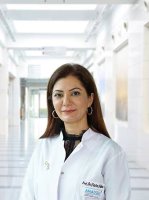
Medically reviewed by
Yesim Yildirim
How it works
How Much Does Throat cancer operation Cost in Germany?
A throat cancer operation in Germany typically costs between $15,000 and $40,000. The final price depends on the surgical method, tumor stage, and the chosen medical facility. In the US, similar procedures cost around $80,000 on average. Patients save around 66% by choosing German clinics, which provide comprehensive surgical care, pre-operative staging, and inpatient recovery stays.
- Laryngectomy: $25,000 to $36,000 for partial or total removal of the voice box.
- Laser surgery for laryngeal cancer: $9,500 to $16,000 for minimally invasive tumor removal.
- Tongue cancer surgery: $12,000 to $33,000 for resection of affected tissues.
- Resection of laryngeal tumor: $13,000 to $21,000 including standard surgical excision techniques.
Bookimed Expert Insight: Choosing a certified German Cancer Society center ensures high-level surgical precision and safety. Medical Center in Solingen stands out with FOKUS-awarded experts like Dr. Andreas Sesterhenn. Many top facilities in Hamburg and Berlin offer specialized robotic interventions through 1 cm incisions. This approach typically reduces hospital stays and speeds up functional recovery for patients undergoing head and neck procedures.
| Germany | Turkey | Austria | |
|---|---|---|---|
| Throat cancer operation | from $15,000 | from $12,000 | ≈ $14,000 |
| Tongue cancer surgery | from $12,000 | from $8,000 | ≈ $35,000 |
| Resection of laryngeal tumor | from $13,000 | from $18,800 | ≈ $9,500 |
| Partial Glossectomy | ≈ $9,500 | ≈ $4,500 | ≈ $9,500 |
| Laser surgery for laryngeal cancer | ≈ $9,500 | from $6,000 | ≈ $9,500 |
Discover the Best Throat cancer operation Clinics in Germany: 7 Verified Options and Prices




Medical Center in Solingen
Ralf Buhl



Department of Urology at Dortmund Clinic





Throat cancer operation Overview in Germany
- Laryngectomy - from $25,000The procedure involves removing the voice box to treat cancer, often preserving the ability to speak and breathe.
- The procedure uses tiny tools to remove throat bumps, enhancing voice quality, with less pain and quick recovery.
- Throat cancer operation - from $15,000Malignant cells surgery in the throat to enhance quality of life and increase survival chances.
- Tongue cancer surgery - from $12,000This procedure removes cancerous growths from the tongue, improving oral health and potentially saving lives.
Day 1 - Arrival
- Check-in at the hospital reception.
- Meet with the care team and assigned room.
Day 2 - Pre-operation
- Consult with an oncologist and surgeon.
- Get a physical examination.
- Conduct blood tests, imaging scans, and biopsies.
- Meet an anesthesiologist to discuss anesthesia options.
Day 3 - Operation Day
- Undergo throat cancer operation under general anesthesia.
- Operation duration can vary from 2 to 5 hours.
- After operation, moved to recovery room for monitoring.
Day 4 - Post-operation
- Shifted to a normal room after recovery room.
- Regular pain management and wound care.
- Start with liquid diet and slowly move to solid food.
Day 5 to Day 10 - Hospital Stay
- Observation for any complications.
- Physiotherapy sessions for early mobilization.
- Discharge planning with the care team.
Week 2 to Week 6 - Rehabilitation
- Regular follow-up appointments with the oncologist.
- Initiate swallowing and speech therapy.
- Resume work and light physical activities from Week 4.
- Gradual return to regular diet and normal activities by Week 6.
Each patient"s recovery process will differ based on individual health conditions and the extent of the disease.
- Bookimed deposit: $200 or €200.
- Clinic deposit: Pay a set percentage in advance.
As the leading global medical tourism platform, we have a huge responsibility before our clients — both patients and medical centers. All the information provided on Bookimed.com about Throat cancer operation in Germany is grounded in research, foresight, and expertise and meets high interest related to the product and follows:
Smart automatic ranking system
We form our listings of clinics and doctors with strict regulations of our smart automatic ranking system for Throat cancer operation in Germany. The system is based on real Bookimed patient rates to provide the most objective and transparent information about clinics and medical services there.
Our experienced data scientist collects data daily, monitors and optimizes the ranking system using machine learning and artificial intelligence to ensure that the ranking system is up-to-date and provides accurate results.
Real people"s experience only
We collect the opinions of Bookimed clients only after getting medical experience with the clinic for Throat cancer operation in Germany — so everyone on the platform can trust the facility they choose. We strive to make the content on our platform as useful as possible and ensure the freedom to express critical opinions. Thus, we publish positive and negative reviews, aiming at being a source for informed decision-making for our future clients.
Topics with high levels of expertise, authority, and trustworthiness
On Bookimed.com you may find choice and convenience to find the best medical solutions from top medical services providers for Throat cancer operation in Germany just in one place, and often at competitive prices. Making sure to deliver the freshest information, the clinic’s representatives update doctors’ CVs, clinics’ capacities, before-after pictures, prices, packages, and specials by themselves shortly. You may meet the clinic’s representative and check the date of updated content at every clinic’s page to make sure of its trustworthiness.
Our blog and supportive pieces are created by professional authors with at least 3-year experience in medical writing for Throat cancer operation in Germany and edited by medical specialists with relevant clinical and research expertise — all carefully recruited to the team. We strive to enhance patient access to health information, making it expert but easy to understand. All pieces follow the Bookimed’s Editorial Guidelines.
Bookimed values
We are made of people and for people — and that"s our core value. That"s why all the data presented on the platform is collected, edited, reviewed, and updated regularly by our patients, our partner clinics, and our team, including the Bookimed Medical Advisory Board, which consists of the world-renowned doctors with value expertise over 20 years of practice, and a positive reputation. Learn more about us and our mission.
In case you find any mistake or have any questions on the information presented on Bookimed.com for Throat cancer operation in Germany, please feel free to contact us at marketing@bookimed.com.
Our Doctors
View all DoctorsRalf Buhl
Dr. Buhl is a renowned neurosurgeon specializing in complex brain and spinal cord surgeries, with a strong focus on neuro-oncology and minimally invasive techniques.
- Author of 47 scientific papers on neuropathology
- Expert in surgical treatment for brain metastases
- Co-founder of a Fund for brain tumor research
- Performs computer-assisted neuronavigation surgeries
- Active in research on intracranial cavernomas

Andreas Sesterhenn
Prof. Andreas Sesterhenn specializes in sparing treatments for head, neck, and upper airway tumors, performing minimally invasive robotic and endoscopic surgeries.
- Chief Physician of Otolaryngology, Head and Neck Surgery at Solingen Clinic
- 26 years of surgical experience in ENT oncology
- Performs robotic interventions through small 1 cm incisions
- Author of 78 scientific publications on ENT treatments
- Studied at University of Health Sciences in Bethesda, USA

Viola Fox
Phd Viola Fox leads a certified interdisciplinary cancer center, specializing in advanced throat cancer treatments.
- 14 years as a haematologist, oncologist, and immunologist
- Expert in chemotherapy, immunotherapy, and targeted therapies
- Active in molecular biology research for cancer treatments
- Member of German and American oncology societies
Wolfgang Schröder
Video Stories from Bookimed Patients
Reviews about Bookimed: Discover Patients' Insights
All reviewsShare this content
 Anna Leonova
FAQ about Throat cancer operation in Germany
What surgical techniques do German hospitals use for throat cancer?
German hospitals utilize minimally invasive transoral laser microsurgery and robotic techniques as primary standards for throat cancer. These methods access tumors through the mouth to preserve speech and swallowing. Advanced cases may require open reconstructive surgery or neck dissection within specialized German Cancer Society certified centers.
- Transoral laser microsurgery: Employs carbon dioxide lasers and microscopes for precise, bloodless tumor resection.
- Robotic-assisted surgery: Uses specialized systems for high-definition 3D visualization in tight anatomical areas.
- Endoscopic resection: Ideal for early-stage carcinomas, removing localized cancer layers using micro-instruments.
- Reconstructive surgery: Involves microvascular tissue transfers to rebuild throat pathways after radical removals.
Bookimed Expert Insight: Data from leading centers like Medical Center in Solingen and Nordwest Clinic shows a transition toward function-preserving protocols. Surgeons like Dr. Andreas Sesterhenn perform robotic interventions with incisions under 1 cm. This technical precision often reduces the need for permanent tracheostomies even in complex cases.
Patient Consensus: Patients often emphasize that surgeons tailor techniques specifically to tumor size rather than using one standard approach. Many find that discussing the tradeoff between function preservation and radical removal helps set realistic recovery expectations.
Is a total laryngectomy always necessary for advanced throat cancer in Germany?
Total laryngectomy is not always necessary for advanced throat cancer in Germany. Following S3 Guidelines, medical boards prioritize organ-preserving strategies like concurrent chemoradiotherapy or endoscopic microsurgery. Surgeons aim to maintain speech and swallowing functions, reserving total removal only for extensive cartilage invasion or non-functional organs.
- Surgical alternatives: Laser surgery and robotic interventions through the mouth avoid large external incisions.
- Organ preservation: Chemoradiation protocols effectively treat Stage 3 and 4 cancers without removing tissue.
- Partial techniques: Horizontal or supracricoid resections remove tumors while reconstructing natural airway and voice.
- Strict criteria: Total removal is only required for T4 tumors invading surrounding bone or cartilage.
Bookimed Expert Insight: German university hospitals like Charite or Helios Wuppertal leverage multidisciplinary tumor boards to find organ-sparing routes. Data shows clinics such as Medical Center Solingen utilize specialists like Professor Andreas Sesterhenn, who performs robotic interventions through 1 cm incisions. This high level of specialization at certified cancer centers often allows for voice preservation even in advanced Stage 3 cases.
Patient Consensus: Many patients find that chemoradiation is frequently offered as a primary alternative to surgery. However, survivors note that airway emergencies or a lack of response to radiation can still necessitate a laryngectomy later.
Which hospitals are considered top-tier for throat cancer surgery in Germany?
Top-tier German hospitals for throat cancer surgery include Charité Berlin, Nordwest Clinic, and Medical Center Solingen. These institutions feature certified Head and Neck Tumor Centers. They utilize advanced technologies like transoral laser microsurgery and robotic systems to preserve vital functions like speaking and swallowing.
- OnkoZert certification: Leading centers hold German Cancer Society (DKG) certification for head and neck oncology.
- Surgical precision: Surgeons specialize in minimally invasive endoscopic laser resections and micro-surgical reconstruction techniques.
- Interdisciplinary approach: Complex cases undergo review by tumor boards including oncologists, radiologists, and pathologists.
- High-volume centers: Charité Berlin manages over 800,000 patients annually, ensuring deep expertise in rare malignancies.
Bookimed Expert Insight: Academic hospitals like Helios University Hospital Wuppertal and Medical Center Solingen often provide faster access to robotic interventions than larger university hubs. Solingen's Chief Physician Andreas Sesterhenn performs robotic surgeries through 1 cm incisions. This smaller infrastructure allows for highly personalized surgical planning while maintaining strict German Cancer Society quality standards.
Patient Consensus: Patients emphasize choosing hospitals with on-site flap reconstruction and dedicated swallowing rehabilitation. They recommend asking surgeons for their specific annual procedure volume to ensure optimal functional outcomes.
Which hospitals in Germany are top-rated for neurosurgery?
Germany features some of the worlds most prestigious neurosurgery departments, led by Charité – Universitätsmedizin Berlin and University Hospital Heidelberg. These centers excel in treating complex brain tumors and cerebrovascular disorders. They utilize advanced technologies like intraoperative MRI and computer-assisted neuronavigation to maximize procedural success.
- Charité Berlin: Performs 5,000+ surgeries annually. Led by renowned neurosurgeon Dr. Peter Vajkoczy.
- Medical Center Solingen: Dr. Ralf Buhl has performed 4,000+ procedures, including minimally invasive spine surgery.
- Asklepios Nord Clinic: Features Germany's only two-sided intraoperative MRI for real-time surgical precision during tumor removals.
- Nordwest Clinic: Recognized by Newsweek as a leading hospital for innovations in 3D ultrasound technology.
Bookimed Expert Insight: Data shows that choosing high-volume centers often leads to more conservative treatment recommendations. At Medical Center Solingen, which treats 60,000+ patients yearly, surgeons frequently suggest physiotherapy over immediate surgery if risks appear high. This volume-based expertise ensures patients only undergo operations when statistically necessary for recovery.
Patient Consensus: Patients note that German specialists are very cautious and will explain all risks before proceeding. Many emphasize the comfort of modern facilities, though some mention that having a translator is helpful for navigating administrative paperwork.
What are the reported success rates for high-complexity neurosurgery in Germany?
High-complexity neurosurgery in Germany demonstrates exceptional safety. Spinal fusions reach a 99% success rate. Primary brain tumor resections maintain a 97% survival rate. Functional independence is high. Over 82% of patients discharge directly home after treatment. German centers prioritize preserving neurological function using advanced mapping.
- Tumor resection: Surgeons achieve gross total resection in 87.2% of brain metastasis cases.
- Vascular success: Unruptured aneurysm treatments show a 98.7% survival rate in German hospitals.
- Neurological improvement: Nearly 43% of patients see functional score gains after complex resections.
- Surgical safety: Spinal procedures maintain a 98–99% survival rate across major surgical centers.
Bookimed Expert Insight: High-volume surgeons like Dr. Uwe Kehler at Asklepios Altona Clinic perform 2,000+ operations annually. Data shows these experts maintain success rates up to 90% for the most complex cerebral tumors. Choosing a specialist with 4,000+ personal surgeries, such as Dr. Ralf Buhl, ensures technical precision gathered over decades of practice.
Patient Consensus: Patients note that German surgeons often prioritize physical function over aggressive tumor removal. It is important to write down all questions in advance to make the most of short consultations with busy professors.
What advanced technologies are routinely available in German neurosurgical clinics?
German neurosurgical clinics routinely integrate high-precision digital tools and real-time imaging into surgical practice. Core technologies include computer-assisted neuronavigation for brain and spinal procedures. Facilities like Asklepios Nord Clinic use intraoperative MRI to verify tumor removal in real time. These systems provide a 3D GPS for surgeons.
- Neuronavigation: Provides 3D visualization and real-time instrument tracking for sub-millimeter surgical precision.
- Intraoperative imaging: Systems like iMRI and O-arm CT allow immediate verification of successful resection.
- Neuromonitoring: Tracks motor and sensory functions during surgery to protect the nervous system.
- Fluorescence diagnostics: Uses 5-ALA dye to illuminate tumor borders for more complete removal.
- Robotic assistance: Systems like Da Vinci enhance dexterity for complex minimally invasive procedures.
Bookimed Expert Insight: High-volume centers like Charité – Universitätsmedizin Berlin perform 4,000+ neurosurgeries annually, creating a data-rich environment for refining robotic protocols. Medical Center in Solingen offers specialized packages for herniated disc surgery including preoperative diagnostics. This volume allows German clinics to negotiate better rates for consumables, keeping advanced tech accessible.
Patient Consensus: Patients note that modern German clinics significantly reduce recovery times compared to older surgical methods. Many describe the experience as less painful due to smaller incisions and highly competent staff who explain every technical risk clearly.
What specialist training do practicing neurosurgeons in Germany complete?
Neurosurgeons in Germany must complete 6 years of specialized residency training after medical school. This structured program includes intensive care, clinical practice, and a mandatory surgical log. Candidates then pass a state board exam to earn the title Facharzt für Neurochirurgie.
- Clinical residency: Requires 48 to 72 months of dedicated neurosurgical practice.
- Intensive care: Includes mandatory 6-month rotation in a neurosurgical intensive care unit.
- Surgical log: Surgeons document hundreds of procedures, including craniotomies and spinal surgeries.
- Board examination: Candidates must pass a state-administered oral and practical medical assessment.
Bookimed Expert Insight: German neurosurgery training emphasizes high-volume surgical experience. For example, Dr. Ralf Buhl at Medical Center in Solingen has performed 4,000+ surgeries. Dr. Jürgen Kiwit at Meoclinic Hospital brings 25+ years of expertise. This rigorous system ensures that specialists at major centers manage complex cases with proven precision.
Patient Consensus: Patients feel confident knowing their doctors underwent years of strict, state-monitored training. Many note that the detailed documentation of a surgeon's past procedures provides significant peace of mind before surgery.
What language and licensure requirements apply to international surgeons aiming to train or observe neurosurgery cases in Germany?
International neurosurgeons must meet strict language and licensure standards to train or observe in Germany. Training requires a full medical license or temporary permit. Observers need hospital-specific approval. Both paths demand high-level German proficiency to participate in clinical discussions and follow complex surgical protocols safely.
- Language proficiency: General German B2 and medical C1 (Fachsprachprüfung) are mandatory for clinical training.
- Clinical licensure: Surgeons need Approbation for permanent practice or Berufserlaubnis for temporary supervised training.
- Observation status: A Hospitation allows observing surgeries without medical responsibility or a formal license.
- Credential evaluation: Non-EU graduates often face a 3–6 month process to verify their medical degrees.
Bookimed Expert Insight: German clinics with high patient volumes, like Nordwest Clinic or Asklepios Nord, often prioritize candidates who have already secured their preliminary document evaluation. Our data shows that professors like Dr. Uwe Kehler and Dr. Paul Kremer manage thousands of cases annually. Demonstrating German B2 level early can bypass many bureaucratic delays in these busy departments.
Patient Consensus: Patients note that the language barrier is significant. They emphasize that while some international staff help, having a translator or a German-speaking doctor is vital for clear communication.
Does Germany have enough neurosurgeons to handle both domestic and international patient volumes?
Germany maintains the highest density of neurosurgeons in Europe with 2.94 specialists per 100,000 residents. This robust workforce easily manages international volumes through 184 dedicated departments. Key facilities like Charite Berlin perform 4,000+ surgeries annually. High specialist availability ensures additional capacity for complex global cases.
- Specialist density: Germany has 2.94 neurosurgeons per 100,000 people, doubling the European average.
- Clinical infrastructure: Over 182 dedicated neurosurgical departments provide widespread geographic access across Germany.
- Surgical expertise: Prof. Dr. Peter Vajkoczy at Charite Berlin leads over 4,000 annual procedures.
- Advanced technology: Facilities like Asklepios Nord Clinic utilize intraoperative MRI and computerized neuronavigation.
Bookimed Expert Insight: While Germany has high specialist numbers, top-tier professors like Dr. Ralf Buhl or Dr. Uwe Kehler are often concentrated in major hubs like Hamburg or Solingen. Our data shows these high-volume centers actually offer faster access for international patients than smaller clinics. Large academic hospitals maintain dedicated tracks for complex cases, effectively bypassing local capacity bottlenecks found in rural areas.
Patient Consensus: Patients often note that while surgeons are highly professional, clear communication about reports can sometimes take time. One patient mentioned that recovery periods in German clinics are now much shorter and less painful than in previous decades.