Transnasal Resection of Tumor in India — Get 3 Top Clinic Matches with Costs
Bookimed lists 7 transnasal resection of tumor clinics in India, mostly in Gurgaon, Bengaluru, and Chennai, including NABH-accredited and NABL-accredited clinics. These clinics are rated 4.5/5 in 19 verified patient reviews on Bookimed.

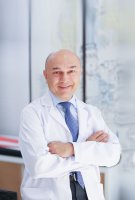
Medically reviewed by
Ali Zirh
How Much Does Transnasal resection of tumor Cost in India?
Transnasal resection of tumor in India typically costs from $5,500 to $8,500. The final price depends on the tumor complexity, the surgical team's expertise, and the hospital's accreditation level. Patients save around 90% compared to the US, where the average cost is $72,500. Packages usually include 4 to 7 days of hospitalization, surgical fees, and initial diagnostic imaging.
- Hospital tier: Prices in JCI-accredited hubs like Delhi or Mumbai are often 15-20% higher.
- Surgeon expertise: Fees vary if the case requires both a neurosurgeon and an ENT specialist.
- Diagnostic investigations: Pre-surgical MRI scans and endocrine tests typically add $500 to $800.
- Advanced technology: Using neuronavigation or intraoperative monitoring can increase the total cost by 20%.
Bookimed Expert Insight: Choosing a high-volume center like Fortis Gurgaon or Global Hospital Chennai offers significant value. These facilities feature advanced tools like neuronavigation and the Da Vinci robot for complex cases. Global Hospital Mumbai explicitly highlights that their treatment costs remain 30-50% lower than in Europe. For the best outcome, look for surgeons like Dr. Rana Patir who specialize in minimally invasive pituitary adenoma removal. Many Indian clinics also provide complimentary airport transfers and tailored meals, further reducing travel-related expenses.
| India | Turkey | Austria | |
|---|---|---|---|
| Transnasal resection of tumor | ≈ $5,500 | from $8,000 | ≈ $16,500 |
Your Benefits and Guarantees with Bookimed
Transparent Prices & Flexible Installments
No hidden fees – just official clinic prices. Pay at the clinic for Transnasal resection of tumor upon arrival and use a flexible installment plan if needed.
Verified Clinics & Doctors Only
Bookimed is committed to your safety. We only work with medical institutions that maintain high international standards in Transnasal resection of tumor and have the necessary licenses to serve international patients worldwide.
Free 24/7 Assistance
Bookimed offers free expert assistance. A personal medical coordinator supports you before, during, and after your treatment, solving any issues. You're never alone on your Transnasal resection of tumor journey.

Your personal Bookimed medical coordinator
- Supports you at every stage
- Helps choose the right clinic and doctor
- Ensures quick and convenient access to information
Discover the Best Transnasal resection of tumor Clinics in India: 7 Verified Options and Prices










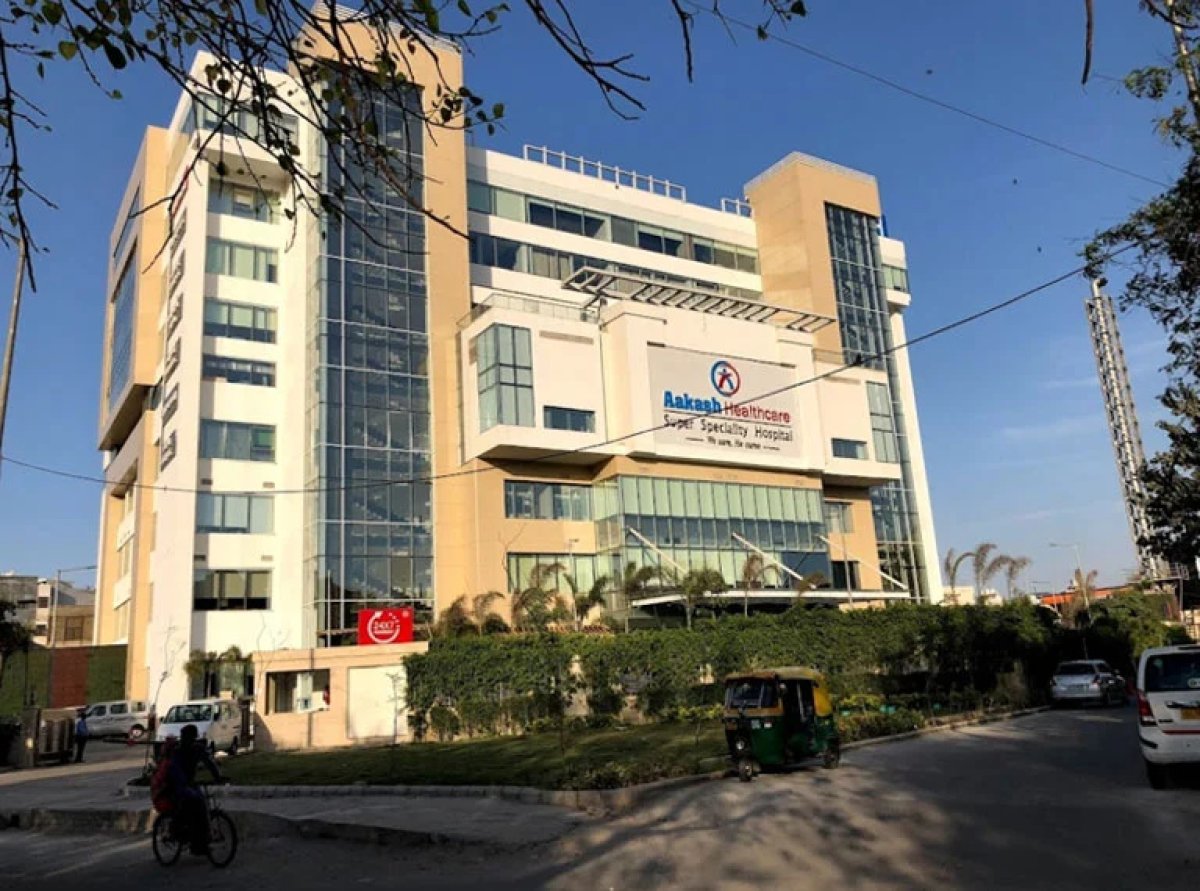
Helal Healthcare
Transnasal resection of tumor Overview in India
- Brain tumor removal - from $7,000The surgery extracts harmful growths in the brain, enhancing patient health and reducing symptoms like headaches or seizures.
- Stereotaxic surgeries - from $5,000The procedure uses precise coordinates to operate in small brain areas, enhancing accuracy and reducing complications.
- Brain tumor surgery - from $7,500Surgery to remove benign or malignant brain neoplasms to stop or control their growth.
- Surgical removal of the brain cyst - from $8,000The procedure aims to remove brain cysts, enhancing patients" life quality by relieving symptoms and preventing complications.
Day 1: Arrival
- Arrival at the airport.
- Transfer from airport to hotel.
Day 2: Pre-operation
- Consultation with neurosurgeon.
- Consultation with anesthesiologist.
- Complete CT angiography.
Day 3: Transnasal Resection of Tumor
- Admission to the clinic.
- Preparation for surgery.
- Administration of general anesthesia.
- Transnasal resection of tumor operation.
- Duration of operation: 2-4 hours.
- Transfer to recovery room post-operation.
Day 4: Post-operation
- Monitoring in the clinic.
- Pain management and wound care.
Day 5-7: Hospitalization
- Regular check-ups by doctors.
- Gradual recovery and start of rehabilitation.
Week 1-2: Rehabilitation
- Transfer from clinic to hotel.
- Slow resumption of normal activities.
- Regular follow-up appointments.
Week 3-4: Return to normal life
- Resumption of work and other activities.
- Final result can be observed.
Please note that this is a general schedule and each case is individual.
- Bookimed deposit: $200 or €200.
- Clinic deposit: Pay a set percentage in advance.
Our Doctors
View all Doctors
Sudheer Kumar Tyagi
Dr. Sudheer Kumar Tyagi is a neurosurgeon at Apollo Hospital Indraprastha in Delhi. He performs stereotactic neurosurgery and deep brain stimulation (DBS). Dr. Tyagi treats brain and spinal cord tumors. He works at a JCI-accredited facility ranked among the World's Best Hospitals by Newsweek.
- Performs transnasal resection for skull base tumors.
- Winner of the Delhi Medical Association Award.
- Member of the Indian Association of Functional Stereotactic Neurosurgery.
- Author of published research on functional stereotactic surgical techniques.

Rana Patir
Dr. Rana Patir is a neuro-oncologist at Fortis Gurgaon in India. He treats brain and spine conditions, including meningioma and pituitary adenoma. Dr. Patir works at a facility ranked among the World's Best Smart Hospitals by Newsweek. He performs specialized procedures such as Gamma Knife surgery and transnasal tumor resection.
- Performs radiotherapy and Gamma Knife treatments for neurological tumors.
- Treats patients at a facility that manages 3,500 people per year.
- Practices neurosurgery and oncology.
- Performs minimally invasive transnasal tumor resection.

Sridhar Krishnamurthy
Dr. Sridhar Krishnamurthy is the Director of the Institute of Neurosciences and Spinal Disorders in Chennai. He is an inventor of specialized surgical tools like the Sridhar Spinal Retractor System. Dr. Krishnamurthy trained at top institutions in Germany and Switzerland. He currently treats complex cases at Global Hospital Chennai.
- Invented the Occipito-Cervical Plate Screw Wire Construct for spinal surgery.
- Completed postgraduate neurosurgery training at KRH Klinikum Nordstadt in Germany.
- Performs deep brain stimulation (DBS) surgery for conditions like Parkinson's disease.
- Works at a hospital ranked among the World's Best Smart Hospitals by Newsweek.

Dr. Amrith Raj Rao
Dr. Amrith Raj Rao is a urologist at Manipal Hospitals in Bengaluru. He is a Fellow of the European Board of Urology (FEBU). Dr. Rao holds board certification from the UK. He specializes in minimally invasive surgeries for urological cancers and stones. His expertise includes robotic-assisted procedures for prostate and bladder conditions.
- Completed robotic surgery fellowships at Roswell Park Cancer Institute and USC.
- Gained minimally invasive surgery training at King’s College University Hospital, London.
- Treats cancers of the prostate, bladder, kidneys, and adrenals.
- Practices at Manipal Hospitals, ranked among the best hospitals by Newsweek.
Video Stories from Bookimed Patients
Reviews about Bookimed: Discover Patients' Insights
All reviewsShare this content
 Anna Leonova
FAQ about Transnasal resection of tumor in India
What documents are required to apply for a visa to India for treatment?
Visa for travel to India requires a number of documents. The necessary list of documents includes:
- ID card
- copy of online visa application form
- certificate of income and availability of funds
- recent size 2 photos
- proof of residential address
- booking of flight and hotel
- medical opinion about the need for treatment in India.
What hotel services are provided here?
In India, hotels of different price ranges and service levels are presented. Most tourists choose 4 and 5-star hotels. Such hotels have everything for a comfortable stay: varied European and Asian food, a vast, well-groomed territory, animation for children and adults. Some hotels have a water park available to guests. Budget travelers can afford to book an economical 3-star hotel with half board or no meals at all.
Do I need a visa?
International patients are required to receive an electronic visa (e-Visa). The maximum period of stay in the country with this visa type is 6 months. Read more about the visa terms for treatment in India here.
What is the level of medicine in India?
Healthcare in India is based on cost-effective models. Most of the hospitals are private — 65% of annual GDP is out-of-pocket medical payments.
1.4 mln doctors provide excellent treatments in the country. 74% of the Indian medical care is private. The local healthcare centers have international and national certificates that confirm the high quality of services and patients' safety:
- JCI (Joint Commission International) — the international improver of healthcare quality and safety across the globe
- NABH (National Accreditation Board for Hospitals & Healthcare Providers) — the Indian quality council establishing healthcare accreditation for medical centers within the country.
India has 39 JCI-accredited medical centers in contrast with 20 JCI-certified facilities in Germany and 10 hospitals in Israel.
What should you know about India before the trip?
Currency | Indian Rupee (you also can pay for services in USD) |
Best period for the trip | October-March |
Language | Hindi (most of medical staff speaks English fluently) |
Visa | is required |
Time difference with Europe | 5 hours |
Time difference with the USA | 10 hours |
Capital | New Delhi |
Medical tourism center | Mumbai, New Delhi |
Popular resorts | Goa, Jaipur, Mumbai |