Aorto-mesenteric Artery Compression Syndrome Treatment in Italy — Get 3 Personalized Clinic Matches

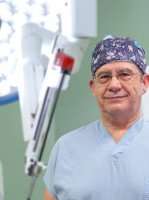
Medically reviewed by
Hasim Ustunsoy
What's the Cost of Aorto-mesenteric artery compression syndrome Diagnosis and Treatment in Italy?
| Italy | Turkey | Austria | |
|---|---|---|---|
| Allogenic bone marrow transplantation from a related donor | ≈ $75,000 | from $49,000 | ≈ $95,000 |
Your Benefits and Guarantees with Bookimed
Transparent Prices & Flexible Installments
No hidden fees – just official clinic prices. Pay at the clinic for Aorto-mesenteric artery compression syndrome treatment and use a flexible installment plan if needed.
Verified Clinics & Doctors Only
Bookimed is committed to your safety. We only work with medical institutions that maintain high international standards in Aorto-mesenteric artery compression syndrome treatment and have the necessary licenses to serve international patients worldwide.
Free 24/7 Assistance
Bookimed offers free expert assistance. A personal medical coordinator supports you before, during, and after your treatment, solving any issues. You're never alone on your Aorto-mesenteric artery compression syndrome treatment journey.

Your personal Bookimed medical coordinator
- Supports you at every stage
- Helps choose the right clinic and doctor
- Ensures quick and convenient access to information
Best Aorto-mesenteric artery compression syndrome Treatment Centers in Italy: 3 Verified Options and Prices








Get a Medical Assessment for Aorto-mesenteric artery compression syndrome in Italy: Consult with Experienced Doctors Now
View all Doctors
Prof Giuseppe Speziale
Prof Speziale specializes in minimally invasive cardiac surgery, with expertise in mitral valve repair and thoracic aortic surgery. He leads cardiac surgery departments at multiple prestigious hospitals.
- Director of Cardiac Surgery at Anthea Hospital and Città di Lecce Hospital
- Co-Founder and President of Mitral Academy's Scientific Committee
- Former Director of the Italian Society of Cardiac Surgery
- Author of over 90 publications in leading cardiothoracic journals
- Recipient of 'Top Doctors Awards' in 2021

Giuseppe Speziale
Dr. Giuseppe Speziale is a cardiac surgeon and Director of Cardiac Surgery at Santa Maria Hospital. He lives and works in Rome. He focuses on minimally invasive and noninvasive valvular surgeries. Dr. Speziale serves as the Vice President of GVM Care & Research. He treats complex conditions like atrial fibrillation and mitral valve prolapse.
- Coordinator of the GVM Care & Research Cardiac Surgery Department.
- Active member of the American Association for Thoracic Surgery.
- Member of the International Society for Minimally Invasive Cardiothoracic Surgery.
- Scientific Director of the Italian Association of Cardiopaths onlus.

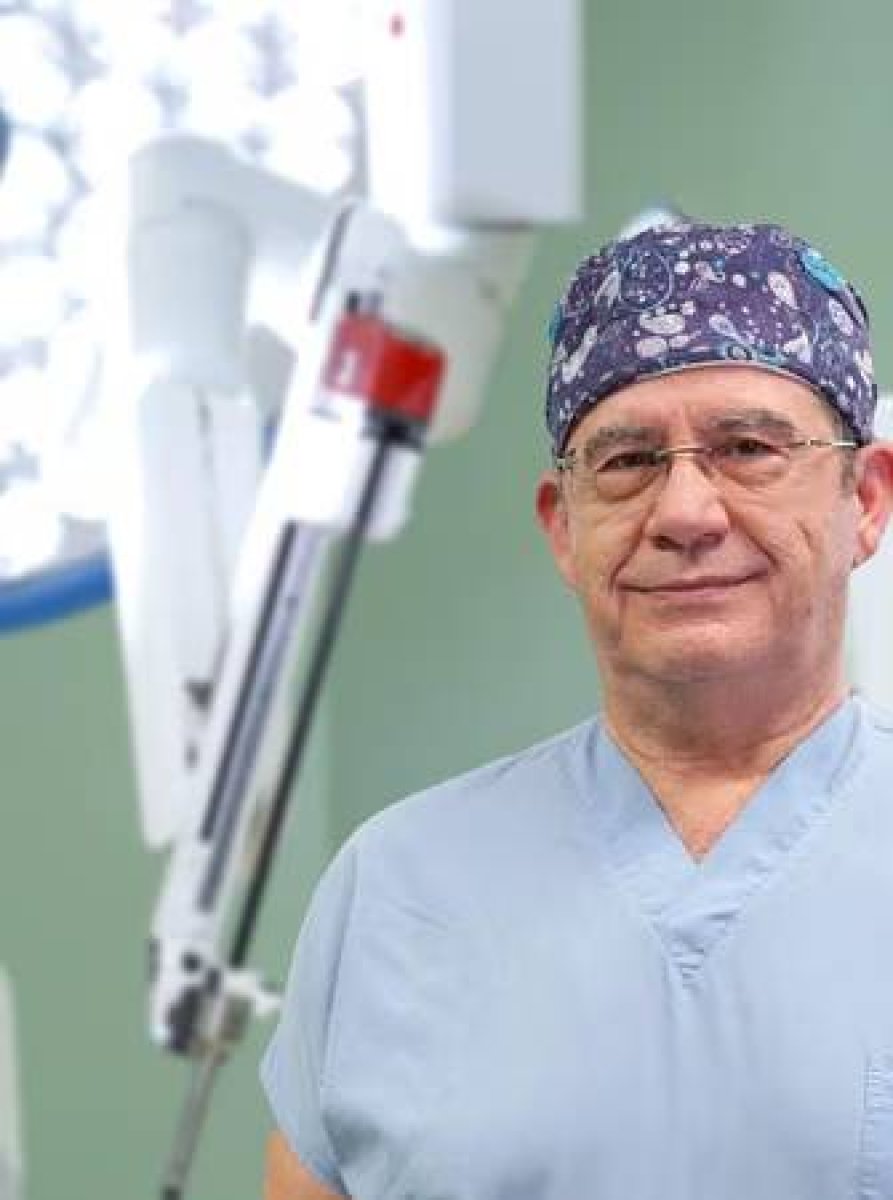
Antonio Braun
Dr. Antonio Braun has performed over 12,000 gastrointestinal interventions at Maria Cecilia Hospital. He is a board-certified general surgeon specializing in bariatric and digestive surgery. He completed a two-year training internship at Johns Hopkins University. Dr. Braun uses laparoscopic techniques to improve patient recovery and safety.
- Completed over 500 successful fundoplication procedures for GERD treatment.
- Member of the Italian Society of Obesity Surgery (SICOB).
- Performs Da Vinci robotic surgeries for gastric sleeve and gastrectomy.
- Works at JCI-accredited Maria Cecilia Hospital, a bariatric center of excellence.
Share this content
Video Stories from Bookimed Patients
 Anna Leonova
Expert Overview about Aorto-mesenteric artery compression syndrome Treatment in Italy
Which hospitals in Italy specialize in treating Aorto-mesenteric artery compression syndrome?
Specialized Italian hospitals treat aorto-mesenteric artery compression syndrome through multidisciplinary vascular and gastrointestinal units. Leading centers like Maria Cecilia Hospital and Ospedale San Carlo di Nancy utilize advanced imaging and minimally invasive surgery. These facilities provide expert care for complex anatomical compression disorders.
- Imaging techniques: Use multi-detector computed tomography (MDCT) for mapping.
- Surgical expertise: Maria Cecilia Hospital handles 15% of Italian cardiac surgeries.
- Specialized doctors: Dr. Giuseppe Speziale coordinates complex vascular care in Rome.
- Facility volume: Ospedale San Carlo di Nancy treats 15,000 patients annually.
Bookimed Expert Insight: Patients should prioritize centers within the GVM Care & Research network. These facilities, such as Maria Cecilia Hospital, share standardized protocols for rare vascular pathologies. Our data shows these hospitals maintain some of the highest patient volumes in Italy. This high frequency helps surgeons maintain proficiency in rare anatomical reconstructions.
Patient Consensus: Patients note that diagnosis is often delayed or confused with other digestive issues. They emphasize seeking multidisciplinary teams that combine vascular and gastric expertise for the most accurate evaluation.
What qualifications should a treating specialist in Italy have?
Treating specialists in Italy must hold a medical degree and a post-graduate Specialization Degree from an accredited university. They must pass the state examination for licensure. Registration with the Provincial Medical Council (OMCeO) is mandatory. Specialists also require Italian Ministry of Health recognition for foreign qualifications.
- Specialty diploma: Surgeons require a post-graduate degree in vascular or general surgery.
- State licensure: Doctors must pass the mandatory Abilitazione Professionale national examination.
- Professional registration: Active membership in the Provincial Medical Council (OMCeO) is required.
- Language proficiency: International specialists must hold C1-level Italian language certification for practice.
Bookimed Expert Insight: Italian cardiology and vascular centers demonstrate high technical mastery. Maria Cecilia Hospital handles over 15% of all Italian cardiac surgeries. This volume suggests that choosing high-capacity centers ensures access to specialists familiar with rare vascular compressions. Look for multidisciplinary teams that manage complex cases through dedicated Heart Teams.
Patient Consensus: Patients emphasize finding a specialist who coordinates closely with radiology and nutrition. They note that choosing a surgeon who takes malnutrition seriously before operating is essential for recovery. Experience with specific compression syndromes is often more valuable than general surgical expertise alone.
How is the syndrome diagnosed in Italy?
Diagnosis in Italy involves identifying the narrowing between the abdominal aorta and superior mesenteric artery. Diagnostic imaging provides definitive evidence by showing duodenal compression. Clinical assessment focuses on post-meal pain, nausea, and weight loss. Specialist centers in Rome and Bologna use contrast-enhanced imaging for confirmation.
- Imaging gold standard: Contrast-enhanced CT or CT angiography confirms the specific aortomesenteric angle and distance.
- Differential diagnosis: Specialists use endoscopy and ultrasound to rule out reflux, gastroparesis, or generic IBS.
- Clinical correlation: Doctors correlate radiographic evidence with obstructive symptoms and significant patient weight loss patterns.
- Specialist consultation: Diagnosis often requires a multidisciplinary heart team or vascular surgeons at JCI-accredited hospitals.
Bookimed Expert Insight: Italian medical centers like Maria Cecilia Hospital manage high volumes of complex cardiac and vascular cases. This concentration of expertise is vital because generalists often miss rare compression syndromes. Data shows these top-rated facilities handle over 15% of Italy's cardiac surgeries. This provides a higher likelihood of accurate vascular diagnosis compared to smaller regional clinics.
Patient Consensus: Patients note that standard tests like endoscopy often appear normal and do not rule out the syndrome. Many emphasize that a CT scan with contrast was the only way they finally received a correct diagnosis.
What non-surgical treatments are used in Italian clinics?
Italian clinics utilize non-surgical therapies including nutritional rehabilitation and weight restoration to treat aorto-mesenteric artery compression. Specialized centers focus on increasing mesenteric fat pads to reduce duodenal pressure naturally. These protocols often involve supervised enteral feeding or high-calorie diets before considering surgical intervention.
- Nutritional rehabilitation: Focuses on increasing body weight to restore the protective mesenteric fat pad.
- Dietary modification: Small, frequent meals reduce gastric pressure and manage chronic abdominal pain.
- Enteral feeding: Tube feeding acts as a bridge for patients unable to maintain weight.
- Thermal ablation: Robotic systems like Ion treat small lung nodules without making incisions.
Bookimed Expert Insight: Italian healthcare networks like GVM Care & Research focus heavily on multidisciplinary screening. Maria Cecilia Hospital handles over 15% of all Italian cardiac surgeries. Their expertise in complex vascular cases often leads to a wait-and-see nutritional approach first. This prioritization of conservative care over surgery helps avoid invasive procedures for many patients.
Patient Consensus: Patients note that Italian clinicians strongly recommend a lengthy nutritional trial first. They emphasize that postural changes and easy-to-digest meals are practical ways to manage daily pain.
When is surgery indicated for SMA syndrome in Italy?
In Italy, surgery for Superior Mesenteric Artery syndrome is indicated primarily after persistent failure of conservative treatment. Specialists generally recommend intervention when 4 to 6 weeks of nutritional therapy fails. It is also necessary for life-threatening complications, severe malnutrition, or structural duodenal damage seen on imaging.
- Conservative failure: Surgery follows failed gastric decompression or failed enteral and parenteral nutrition trials.
- Clinical triggers: Interventions address intractable bilious vomiting, severe postprandial pain, and inability to eat.
- Nutritional status: Progressive weight loss refractory to rehabilitation makes surgical bypass a clinical necessity.
- Anatomical findings: Pronounced duodenal dilatation or a rigid ligament of Treitz often require surgery.
- Standard procedure: Laparoscopic duodenojejunostomy is the preferred approach across major Italian multidisciplinary hospitals.
Bookimed Expert Insight: While many general hospitals handle digestive issues, Maria Cecilia Hospital emphasizes cardiac and vascular expertise. Its JCI accreditation ensures high safety standards for vascular-related compressions. This is critical because SMA syndrome involves both gastrointestinal and vascular mechanics. Choosing a facility with high cardiac surgical volumes often means better management of the mesenteric vessels during the bypass procedure.
Patient Consensus: Patients note that diagnosis is often delayed because symptoms mimic reflux or anxiety. They emphasize that surgery is usually a last resort after months of trying positional changes and liquid diets.
What are the primary surgical techniques offered in Italy?
Surgical techniques in Italy prioritize minimally invasive approaches and advanced robotics for complex conditions. Leading centers utilize laparoscopic duodenojejunostomy for vascular compression syndromes and mechanical assistance for cardiac care. JCI-accredited facilities integrate high-precision technologies like the Da Vinci system to improve patient recovery and surgical accuracy.
- Laparoscopic surgery: Minimally invasive duodenojejunostomy is the preferred technique for treating compression syndromes.
- Robotic systems: Italian clinics use Da Vinci robotics for urology, gynecology, and abdominal oncology.
- Cardiac interventions: Specialized centers handle 15% of national cardiac surgeries using multidisciplinary heart teams.
- Advanced diagnostics: Integrated medical screening protocols support accurate staging before complex vascular or thoracic procedures.
Bookimed Expert Insight: Italian surgical expertise is highly concentrated in specialized high-volume centers. Maria Cecilia Hospital alone manages over 15% of Italy's cardiac surgeries. This high volume often translates to greater precision in complex vascular and thoracic cases. Patients benefit from doctors like Prof. Dr. Giuseppe Speziale, who oversees multiple specialized departments. This structural depth ensures that rare conditions are managed by teams with consistent procedural experience.
Patient Consensus: Patients emphasize that success often depends on specialized nutrition support before undergoing surgery. Many note that recovery is significantly faster when surgeons utilize the laparoscopic approach over open procedures.
How is treatment covered for international patients under the Italian health system?
International patient coverage in Italy depends on residency and nationality. EU citizens access the Servizio Sanitario Nazionale (SSN) using a European Health Insurance Card (EHIC). Non-EU citizens typically pay out-of-pocket or use private insurance unless they hold a valid residence permit for mandatory or voluntary registration.
- EU cittadini access: Use EHIC for medically necessary treatments at public facilities.
- Tourist emergency care: Immediate emergency room access is guaranteed regardless of nationality.
- Private facility options: JCI-accredited hospitals like Maria Cecilia Hospital accept international patients.
- Legal residency permits: Residents with permits over 3 months can register for SSN.
Bookimed Expert Insight: While public hospitals provide universal emergency care, top-tier private facilities like Maria Cecilia Hospital handle over 15% of all Italian cardiac surgeries. These specialized centers often provide faster access for complex vascular conditions. Patients can benefit from facilities that combine National Health Service accreditation with private-sector efficiency in cities like Rome and Bologna.