Coronary Stenting in Italy — Get 3 Top Clinic Matches with Costs

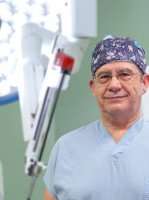
Medically reviewed by
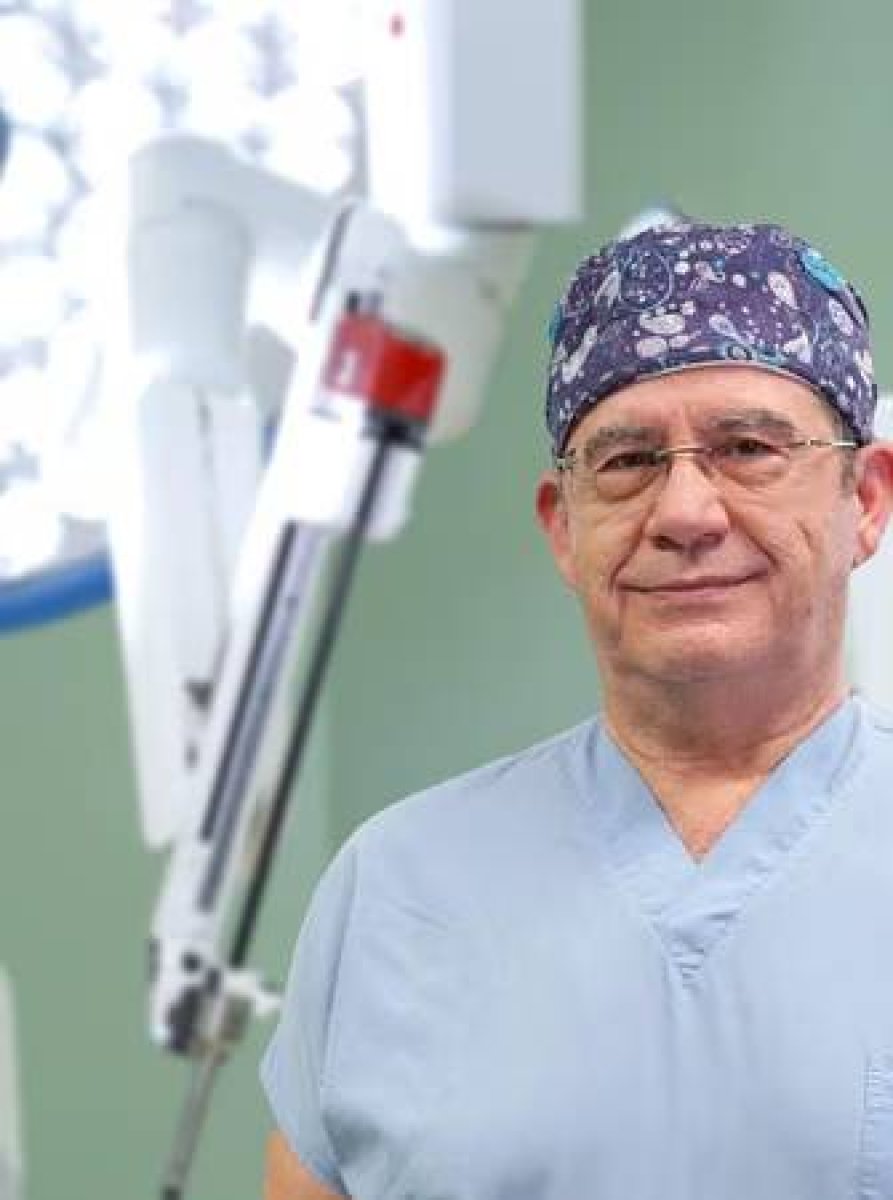
Hasim Ustunsoy
How Much Does Coronary stenting Cost in Italy?
Coronary stenting in Italy typically costs from $11,000 to $14,500. The final price depends on the number of stents, the specific device type, and the chosen city. Patients in the US usually pay $36,500 for this procedure. Choosing Italy offers average savings of about 65%. Standard self-pay packages generally include pre-operative blood tests, the procedure, medical materials, imaging, and hospital stay.
- Number of stents: The total cost scales upward if multiple arterial blockages require several stents.
- Stent technology: Drug-eluting stents (DES) typically carry a higher price than older bare-metal versions.
- City variations: Medical packages in Rome may cost up to 15% more than in Milan.
- Clinical complexity: Additional costs commonly arise if the patient requires intensive care or extended observation.
Bookimed Expert Insight: Italy is a powerhouse for cardiac care, specifically in Milan and Bologna. San Donato Hospital performs over 9,400 heart operations annually, the highest volume in Italy. Maria Cecilia Hospital handles 15% of the country's cardiac surgeries and holds JCI accreditation. Patients often find the best value at these high-volume centers due to their specialized infrastructure and experienced teams.
| Italy | Turkey | Austria | |
|---|---|---|---|
| Coronary stenting | from $11,000 | from $1,100 | ≈ $9,500 |
Your Benefits and Guarantees with Bookimed
Transparent Prices & Flexible Installments
No hidden fees – just official clinic prices. Pay at the clinic for Coronary stenting upon arrival and use a flexible installment plan if needed.
Verified Clinics & Doctors Only
Bookimed is committed to your safety. We only work with medical institutions that maintain high international standards in Coronary stenting and have the necessary licenses to serve international patients worldwide.
Free 24/7 Assistance
Bookimed offers free expert assistance. A personal medical coordinator supports you before, during, and after your treatment, solving any issues. You're never alone on your Coronary stenting journey.

Your personal Bookimed medical coordinator
- Supports you at every stage
- Helps choose the right clinic and doctor
- Ensures quick and convenient access to information
Discover the Best Coronary stenting Clinics in Italy: 4 Verified Options and Prices










Coronary stenting Overview in Italy
- Coronary angioplasty - from $10,000The procedure unclogs heart arteries using a small balloon, reducing heart disease risk and improving blood flow. It"s minimally invasive with swift recovery.
- Coronary stenting - from $11,000The operation involves placing a small tube to open clogged heart arteries, improving blood flow for a healthier heart.
Day 1: Arrival
- Arrive at the airport.
- Transfer to the hotel.
Day 2: Pre-Operation
- Consult with cardiologists and interventional radiologists.
- Perform a CT angiography.
- Prepare for the coronary stenting procedure.
Day 3: Coronary Stenting
- Admission to the hospital.
- Undergo coronary stenting under local anesthesia.
- The procedure lasts 1-2 hours.
Day 4: Post-Operation
- Stay in the hospital for observation.
- Receive care from the medical team.
Day 5: Discharge
- Get discharged from the hospital.
- Transfer back to the hotel.
Week 1-2: Rehabilitation
- Take prescribed medications.
- Follow a heart-healthy diet.
Week 3-4: Rehabilitation
- Gradually return to work and daily activities.
- Avoid strenuous exercises.
Week 5-6: Rehabilitation
- Resume more strenuous activities.
- See the final result of the procedure.
Please note that each patient"s experience may vary. These are typical steps and timeframes for coronary stenting.
- Bookimed deposit: $200 or €200.
- Clinic deposit: Pay a set percentage in advance.
Our Doctors
View all Doctors
Lorenzo Menicanti
15,000+ heart operations performed – Prof. Menicanti pioneered surgical reconstruction of the left ventricle at San Donato Hospital.
- Specialized in cardiac surgery with additional training in urology and pediatric surgery
- Author of 160+ highly cited scientific papers on heart surgery
- Recognized among Italy's leading cardiac surgeons
- Develops innovative surgical techniques for complex heart conditions

Prof Giuseppe Speziale
Prof Giuseppe Speziale is a leading cardiac surgeon specializing in minimally invasive techniques, including coronary stenting, at Ospedale Santa Maria.
- Director of Cardiac Surgery at Anthea Hospital and Città di Lecce Hospital
- Co-Founder and President of the Scientific Committee of Mitral Academy
- Author of over 90 publications in top cardiology journals
- Recipient of the 'Top Doctors Awards' in 2021
- Member of AATS and ISMICS, prestigious international surgical societies

Alberto Margonato
Dr. Alberto Margonato is the Head of the Clinical Cardiology Unit at San Raffaele Hospital. He has performed over 3,000 cardiac catheterizations and coronary angiographies. Dr. Margonato serves as a Full Professor of Cardiology at Vita-Salute University. He specializes in treating coronary artery disease and managing complex heart conditions.
- Performed over 2,000 coronary angioplasties and 1,000 stent implants.
- Expertise in pacemaker implantation and interventional cardiology procedures.
- Member of the European Society of Cardiology (ESC).
- Works at San Raffaele, ranked among the World's Best Hospitals by Newsweek.

Fausto Castriota
Dr. Fausto Castriota is an interventional cardiologist at Maria Cecilia Hospital in Italy. He is the principal investigator for the Protected TAVR study on brain protection. He serves as a Fellow of the European Society of Cardiology (FESC). Dr. Castriota holds dual specializations in cardiology and radiology.
- Authored over 150 full-length publications and 20 chapters in specialized medical volumes.
- Treats coronary artery disease and performs transcatheter aortic valve implantation (TAVI).
- Member of the international editorial board for the journal Eurointervention.
- Works at JCI-accredited Maria Cecilia Hospital, which handles 15% of Italy’s cardiac surgeries.
Video Stories from Bookimed Patients
Reviews about Bookimed: Discover Patients' Insights
All reviews


Share this content
 Anna Leonova
Fast Facts about Coronary stenting

Coronary stenting
Coronary stenting is a cardiac procedure involving the placement of a stent to keep arteries open and improve blood flow.
FAQ about Coronary stenting in Italy
What is the difference between a bare-metal and a drug-eluting stent?
Bare-metal stents are simple mesh tubes used as scaffolds to keep arteries open. Drug-eluting stents feature a medicinal coating that slowly releases drugs like everolimus or zotarolimus. This medication prevents scar tissue overgrowth, significantly reducing the risk of the treated artery narrowing again after placement.
- Restenosis risk: Drug-eluting stents reduce re-narrowing rates from 20–40% down to under 10%.
- Medication requirements: Patients with drug-eluting stents typically require blood thinners for 6 to 12 months.
- Bare-metal use: These are preferred for patients needing urgent surgery or having high bleeding risks.
- Structural function: Both provide physical support to prevent vessels from collapsing after balloon angioplasty.
Bookimed Expert Insight: Italian centers like San Donato Hospital perform over 9,400 cardiac operations annually. This high volume allows surgeons to select stents based on long-term recovery data. While drug-eluting stents are the modern standard, Italian specialists often prioritize bare-metal options for patients who cannot tolerate long-term anti-clotting therapy. Clinics like Maria Cecilia Hospital use multidisciplinary heart teams to match stent types to specific patient vascular profiles.
Is the stent permanent?
Coronary stents are permanent metallic mesh implants designed to remain in your artery for a lifetime. Modern drug-eluting versions eventually integrate into the vessel wall as natural tissue grows over them. Surgeons only remove these medical devices in rare cases involving infection or severe malposition.
- Permanent integration: Stents act as scaffolding and naturally become part of the artery wall.
- Restenosis management: If arteries narrow again, doctors typically layer a new stent inside the old.
- Medication protocol: Patients must follow antiplatelet therapy for 6–12 months to prevent blood clots.
- Extraction rarity: Removal occurs in less than 1% of cases due to surgical complexity.
Bookimed Expert Insight: Italy’s cardiac centers, like San Donato Hospital, handle the largest volume of heart procedures in the country. Data shows that high-volume centers achieve better long-term stent stability. Prof. Lorenzo Menicanti alone has performed over 15,000 operations, which significantly reduces the 5–10% baseline risk of future re-narrowing.
Patient Consensus: Most patients view their stents as a lifelong commitment rather than a temporary fix. Success depends heavily on following a daily aspirin regimen and committing to permanent heart-healthy lifestyle changes.
How long is the hospital stay and recovery?
Most patients undergo coronary stenting in Italy as an overnight procedure requiring a 1 to 2 day hospital stay. Immediate recovery allows for light activities within 1 week, while patients must avoid heavy lifting for 7 days to ensure the access site heals properly without complications.
- Hospital stay: Expect 1 to 2 days for observation and heart rhythm monitoring.
- Access site recovery: Localized pain in the groin or arm typically lasts 3 to 7 days.
- Activity restrictions: Patients should avoid driving and strenuous exercise for at least 7 days.
- Emergency cases: Unplanned procedures or complications may extend the hospital stay to 4 days.
Bookimed Expert Insight: Italian cardiac centers like San Donato Hospital perform over 9,400 procedures annually, which streamlines post-operative protocols. High-volume clinics often prioritize quick discharge. Many patients leave the next day even after Friday procedures. This efficiency maintains low complication rates across Milan and Bologna centers.
Patient Consensus: Patients report being discharged just 24 hours after morning procedures. Many emphasize that following a strict medication schedule is the most critical part of their home recovery journey.
Can the stent move or set off metal detectors?
Coronary stents do not move or trigger metal detectors. Once expanded in the artery, tissue grows over the device within months to secure it permanently. Modern stents use non-ferrous materials like cobalt-chromium, ensuring they remain undetectable by airport scanners and safe for MRI scans.
- Permanent placement: Stents use radial force to lock into the arterial wall permanently.
- Tissue integration: A natural lining covers the device in 6 to 9 months.
- Security scanning: Lightweight non-magnetic metals like nitinol do not trigger standard airport alarms.
- Medical documentation: Surgeons provide wallet IDs to verify implants during high-sensitivity security screenings.
Bookimed Expert Insight: Italian centers like San Donato Hospital lead Europe in cardiac volume, performing over 9,400 heart operations annually. This high frequency means surgeons like Prof. Lorenzo Menicanti, who has performed 15,000 surgeries, use advanced deployment techniques. Expert precision ensures the stent is fully expanded upon initial placement, which eliminates any risk of migration.
Patient Consensus: Patients report passing through airport security worldwide with zero issues or alarms. They emphasize that while carrying an implant card provides peace of mind, it is rarely needed in practice.
What is included in a medical package?
A medical package for coronary stenting in Italy bundles the surgical procedure, specialized cardiac infrastructure, and logistics into a fixed price. These arrangements typically include surgeon and anesthesia fees, stent device costs, hospitalization in JCI-accredited centers, and airport-to-clinic transfers for international patients.
- Surgical fees: Covers the primary cardiologist, surgical team, and anesthesiology services.
- Hospital stay: Includes required nights in facilities like San Donato Hospital in Milan.
- Medical devices: Bundles the cost of the stents and the catheterization laboratory usage.
- International services: Often provides airport transfers and translation assistance for foreign patients.
Bookimed Expert Insight: While US prices average $36,500, Italian centers like Maria Cecilia Hospital offer savings of up to 65% while maintaining elite status. San Donato Hospital alone performs over 9,400 cardiac operations annually. This high volume often translates to more inclusive packages that cover specific aftercare monitoring and follow-up cardiac screenings that private US clinics might bill as separate extras.
How should I choose a clinic in Italy?
Choose an Italian clinic based on medical specialization and national quality rankings. Select centers with IRCCS accreditation for research-led care or JCI certification for safety standards. Focus on facilities in Milan or Rome for heart care, where surgeons often perform thousands of procedures annually.
- Hospital accreditation: Look for IRCCS status from the Italian Ministry of Health for advanced research.
- Cardiology leadership: Select San Donato Hospital in Milan, the leader for heart surgery volume locally.
- Surgeon experience: Prioritize surgeons like Professor Lorenzo Menicanti, who has performed over 15,000 procedures.
- Geographic access: Choose clinics like Maria Cecilia Hospital if you require proximity to international airports.
Bookimed Expert Insight: While many search for general hospitals, data shows Italy has highly specialized `research hospitals` called IRCCS. Clinics like San Raffaele and San Donato share this status. These facilities often handle specific, high-complexity cases that general hospitals may redirect. If looking for coronary stenting, selecting a high-volume leader like San Donato ensures access to teams performing over 9,400 cardiovascular operations annually.
Can I find local cardiologists for a consultation?
You can find local cardiologists in Italy for consultations at IRCCS-accredited research hospitals and JCI-certified facilities. Leading centers in Milan and Bologna offer specialized outpatient evaluations for coronary artery disease and stenting. These institutions provide direct access to professors renowned for minimally invasive cardiac interventions.
- Accredited facilities: Clinics like Ospedale San Raffaele hold IRCCS accreditation from the Italian Health Ministry.
- Expert access: Prof Lorenzo Menicanti at San Donato Hospital has performed over 15,000 heart operations.
- High volume: San Donato Hospital completes over 9,400 cardiac procedures annually, ensuring high clinical expertise.
- Strategic locations: Specialized cardiology hubs are situated in Milan, Bologna, and Bari with airport transfers.
Bookimed Expert Insight: Milan has become the primary hub for complex cardiology in Italy. San Donato Hospital performs the highest number of cardiac operations nationwide. Choosing a clinic with IRCCS status ensures your consultant is active in cutting-edge cardiovascular research. This often translates to better access to the latest stent technologies and drug-eluting protocols.
Patient Consensus: Patients value the efficiency of Italian private clinics, often noting the short wait times for initial specialist consultations. Many describe the coordination of diagnostic tests and surgical planning as seamless in these high-volume centers.