Ventricular Septal Defect Surgery in Italy — Get 3 Top Clinic Matches with Costs

Medically reviewed by
Hasim Ustunsoy
How Much Does Ventricular Septal Defect Surgery Cost in Italy?
Ventricular septal defect surgery in Italy typically costs from $21,000 to $32,000. Total expenses depend on the surgical technique, patient age, and the hospital stay duration. In the US, this procedure costs $95,000 on average. Italy offers savings of approximately 72%. Standard packages usually include the surgery, anesthesia, and initial hospitalization.
- Private sector baseline: $21,000 to $32,000 for standard surgical repair in private hospitals.
- Complex pediatric cases: Costs may increase by 40-50% for infants requiring neonatal intensive care.
- Diagnostic preoperative imaging: Heart MRI and echocardiograms typically add between $600 and $800 total.
- Medical hub variations: Prices in hubs like Bari or Rome often reflect clinic infrastructure tiers.
Bookimed Expert Insight: Choosing a specialist like Prof. Giuseppe Speziale provides access to high-volume cardiac expertise. He serves as the National Coordinator of Cardiac Surgery for GVM Care & Research. Facilities like Ospedale Santa Maria handle over 9,000 patients annually across 18 departments. This high patient volume often ensures better cost-efficiency and clinical outcomes for complex heart repairs.
| Italy | Turkey | Austria | |
|---|---|---|---|
| Ventricular Septal Defect Surgery | ≈ $21,000 | from $15,000 | ≈ $24,000 |
Your Benefits and Guarantees with Bookimed
Transparent Prices & Flexible Installments
No hidden fees – just official clinic prices. Pay at the clinic for Ventricular Septal Defect Surgery upon arrival and use a flexible installment plan if needed.
Verified Clinics & Doctors Only
Bookimed is committed to your safety. We only work with medical institutions that maintain high international standards in Ventricular Septal Defect Surgery and have the necessary licenses to serve international patients worldwide.
Free 24/7 Assistance
Bookimed offers free expert assistance. A personal medical coordinator supports you before, during, and after your treatment, solving any issues. You're never alone on your Ventricular Septal Defect Surgery journey.

Your personal Bookimed medical coordinator
- Supports you at every stage
- Helps choose the right clinic and doctor
- Ensures quick and convenient access to information
Discover the Best Ventricular Septal Defect Surgery Clinics in Italy: 1 Verified Option and Prices



Ventricular Septal Defect Surgery Overview in Italy
Day 1 - Arrival
- Arrive at the hospital and check-in.
- Meet with the cardiac surgeon.
- Undergo a complete physical examination.
Day 2 - Pre-Operation
- Meet with the anesthesiologist for pre-operative assessment.
- Undergo necessary medical tests including ECG and blood tests.
- Discuss the surgical procedure and recovery process.
Day 3 - Operation
- Undergo Ventricular Septal Defect Surgery.
- The surgery lasts about 3-4 hours under general anesthesia.
- Post-surgery, you"ll be moved to the ICU for monitoring.
Day 4 - Day 7 - Post-Operation
- Stay in the hospital for monitoring and recovery.
- Begin light physical therapy to aid recovery.
- Receive pain management and wound care.
Week 2 - Week 4 - Rehabilitation
- Continue physical therapy at home.
- Gradually return to daily activities.
- Attend follow-up appointments with the cardiac surgeon.
Week 5 - Week 8
- Return to work, if it"s not physically strenuous.
- Continue light physical activities.
Week 9 - Week 12
- Return to more strenuous activities and sports.
- Final results of the surgery should be visible.
Please note that each patient"s recovery timeline may vary based on individual health conditions and the complexity of the surgery.
- Bookimed deposit: $200 or €200.
- Clinic deposit: Pay a set percentage in advance.
Our Doctors
View all Doctors
Prof Giuseppe Speziale
Prof Giuseppe Speziale specializes in minimally invasive cardiac surgery, including ventricular septal defect repairs, at Ospedale Santa Maria.
- Director of Cardiac Surgery at multiple prestigious hospitals
- Co-founder and President of Mitral Academy, focusing on minimally invasive techniques
- Member of AATS and ISMICS, leading cardiac surgery associations
- Author of over 90 publications in top cardiology journals
- Recipient of the 'Top Doctors Awards' in 2021
Video Stories from Bookimed Patients
Reviews about Bookimed: Discover Patients' Insights
All reviews


Share this content
 Anna Leonova
Fast Facts about Ventricular Septal Defect Surgery
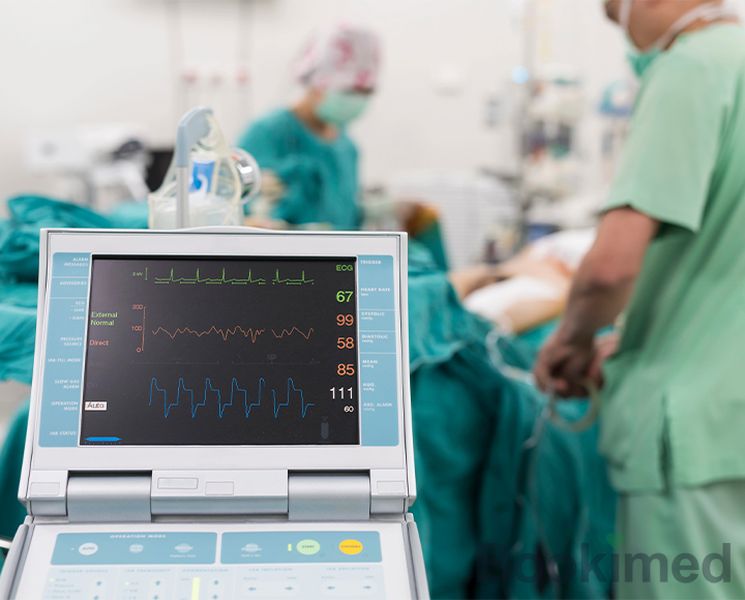
Ventricular Septal Defect Surgery
This cardiac operation involves repairing a hole in the septum between the heart's ventricles to improve blood flow and heart function.
FAQ about Ventricular Septal Defect Surgery in Italy
Which hospitals in Italy are best for ventricular septal defect surgery?
Italy excels in cardiac care, with top facilities located in Milan and Rome specializing in ventricular septal defect repairs. Policlinico San Donato leads with over 9,400 annual procedures, while Ospedale Pediatrico Bambino Gesu is renowned for pediatric congenital heart surgery and minimally invasive techniques.
- Policlinico San Donato: Italian leader for congenital defects performing the highest surgical volume nationwide.
- Monzino Cardiology Center: Ranked first in Italy for cardiovascular care with specialized endoscopic surgery expertise.
- Bambino Gesu Hospital: European hub for pediatric heart surgery reporting recovery times under one week.
- San Raffaele Hospital: IRCCS-accredited research center performing over 1,400 pediatric cardiac surgeries each year.
Bookimed Expert Insight: While Milan is the surgical hub, patient data highlights a critical geographic divide. Northern and central hubs like Milan or Rome offer superior access to English-speaking staff and hybrid catheterization labs. Choosing these centers significantly improves the coordination of complex congenital repairs compared to smaller regional hospitals.
Patient Consensus: Families emphasize prioritizing centers with 100+ annual VSD cases for the best outcomes. Many recommend using an EU health card to manage costs while ensuring surgeons hold ELSO certification for safety.
Who are the leading Italian surgeons for VSD closure?
Leading Italian VSD closure specialists include Professor Giuseppe Speziale at Ospedale Santa Maria and Dr. Mario Carminati at San Donato Hospital. These experts utilize advanced transcatheter and minimally invasive techniques within JCI-accredited facilities, maintaining surgical success rates between 92% and 98%.
- Professor Giuseppe Speziale: National Coordinator at Ospedale Santa Maria with over 34 years of experience.
- Dr. Mario Carminati: Congenital heart specialist at San Donato performing over 200 annual procedures.
- Dr. Alessandro Frigiola: Senior cardiac surgeon at Policlinico San Donato with 41 years of practice.
- Dr. Alessandro Castiglioni: Specialist at Ospedale San Raffaele focusing on structural heart and invasive methods.
Bookimed Expert Insight: While individual surgeon Reputation is high, Bookimed data shows Italian excellence rests in hospital volume. Centers like San Donato perform the most heart operations in Italy. Choosing high-volume clinics often correlates with lower complication rates for complex congenital defects.
Patient Consensus: Patients often recommend private care to bypass 3–6 month public waitlists. Many prioritize clinics in Milan or Rome that offer hybrid device closure over traditional patching.
What is the reported success rate for VSD repair in Italy?
Specialized medical centers in Italy report success rates for ventricular septal defect repair between 92% and 98%. Top-tier pediatric cardiac facilities in Milan and Rome maintain a 95% efficacy rate for septal closures. Over 95% of patients show positive outcome signals one year after surgery.
- Success range: Leading Italian institutions report outcomes between 92% and 98% for standard VSD procedures.
- Closure efficacy: Specialized cardiac centers achieve an approximate 95% success rate for septal closures.
- Technique variation: Percutaneous device closures in specific regional settings show success rates around 81%.
- Long-term stability: Clinical data indicates 95% of patients maintain positive results one year post-surgery.
Bookimed Expert Insight: Patient data suggests that hospital volume serves as a primary indicator of surgical success. IRCCS Policlinico San Donato in Milan performs over 9,400 cardiovascular operations annually. Choosing high-volume centers helps ensure access to surgeons like Prof Giuseppe Speziale, who oversees multiple specialized units. These established facilities typically provide the multidisciplinary neonatal care necessary for complex defect repairs.
Patient Consensus: Families often find that simple muscular defects have near 100% success. They recommend asking surgeons directly about their specific caseload since individual complication rates are rarely published.
What is the typical recovery timeline after VSD surgery in Italy?
Patients undergoing ventricular septal defect surgery in Italy typically achieve full recovery within 6 to 8 weeks. The process begins with a 5 to 7 day hospital stay, including intensive cardiac monitoring. Most children return to school or normal light activity within 3 to 4 weeks post-discharge.
- Hospital stay: Initial recovery takes 5 to 10 days depending on the surgical approach used.
- ICU monitoring: Minimally invasive techniques can reduce pediatric ICU stays to just 1 to 3 days.
- Physical activity: Normal energy levels return by 6 weeks for 90% of pediatric patients.
- Sternal precautions: Patients must avoid lifting or overhead reaching for 4 to 6 weeks.
Bookimed Expert Insight: Italian cardiac centers like Ospedale Santa Maria utilize high-volume experts such as Prof Giuseppe Speziale to manage complex cases. While basic recovery happens fast, fatigue often lingers for 2 full months. Choosing clinics with minimally invasive capabilities can significantly shorten the initial high-intensity ICU phase compared to traditional open surgery.
Patient Consensus: Many families find that while physical healing is quick, emotional recovery and anxiety can persist for several months. Daily tracking of sternum healing is vital to ensure wires remain secure during the first month.
Are minimally invasive or catheter-based techniques available for VSD in Italy?
Italy offers both minimally invasive and catheter-based techniques for Ventricular Septal Defect closure. Advanced centers like Policlinico San Donato and San Raffaele University Hospital utilize transcatheter Amplatzer occluders and specialized tools to repair cardiac defects without traditional open-heart surgery, shortening recovery times.
- Catheter-based closure: Percutaneous methods use septal occluders via blood vessels for specific defect types.
- Surgical innovation: Minimally invasive tools allow repairs through small incisions instead of full sternotomies.
- High success: Leading Italian cardiac centers report success rates of 95% for these procedures.
- Device safety: All implants must hold CE-mark certification to meet strict European Union quality standards.
Bookimed Expert Insight: While percutaneous techniques are popular, Italian cardiac surgery specializes in high-volume traditional repairs for complex cases. Surgeons like Prof Giuseppe Speziale at Ospedale Santa Maria carry extensive experience in minimally invasive approaches. Large Italian hospitals serve over 9,000 patients annually, maintaining low risk levels through sheer procedure volume.
Patient Consensus: Patients recommend seeking second opinions specifically for transcatheter eligibility if a muscular VSD is under 10mm. Many emphasize prioritizing high-volume centers for traditional repairs, noting that complex perimembranous defects often still require conservative open-surgery expertise.
Which Italian cities excel overall for heart surgery tourism?
Milan, Rome, and Bologna are the premier Italian hubs for heart surgery tourism. Milan serves as the primary center for cardiac excellence, hosting specialized Research Institutes (IRCCS). These cities provide advanced care featuring robotic valve repairs, minimally invasive techniques, and high-volume pediatric cardiac surgery centers.
- Milan dominance: San Donato Hospital performs over 9,400 annual cardiac surgeries with 97% success.
- Rome expertise: European Hospital specializes in aortic valve replacements using modern mini-sternotomy techniques.
- Bologna hub: Maria Cecilia Hospital handles over 15% of all Italian cardiac surgical procedures.
- Bari specialty: Ospedale Santa Maria leads Southern Italy in minimally invasive mitral valve repairs.
Bookimed Expert Insight: While Milan and Rome dominate the landscape, Northern Italy maintains a significant performance gap over southern regions. For complex procedures like pediatric VSD, Milanese hospitals like Ospedale San Raffaele offer streamlined 5-day recovery protocols. This efficiency often offsets higher local accommodation costs compared to facilities in the south.
Patient Consensus: Families frequently highlight Milan and Rome for life-saving pediatric repairs, praising the world-class surgical precision. Many suggest using private clinics to bypass public waitlists while recommending bringing a translator for smoother communication.