Hip Arthroscopy in Mexico — Get 3 Top Clinic Matches with Costs


Medically reviewed by
Kayhan Turan
How Much Does Hip Arthroscopy Cost in Mexico?
Hip arthroscopy in Mexico costs from $10,000 to $13,000 on average. Final pricing depends on the city, clinic tier, and specific surgical complexity. Patients save approximately 50% compared to the US, where the average price is $22,800. Most Mexican medical packages include surgeon fees, anesthesia, hospital stays (1–3 nights), and ground transportation from the airport or border.
- Main medical hubs: Major centers for orthopedics include Tijuana, Mexicali, Monterrey, and Guadalajara.
- City price variations: Packages in Tijuana and Mexicali often average 15-20% more than in Ensenada.
- Facility tier: High-end accredited hospitals typically charge 30-50% more than mid-range surgical centers.
- Procedure complexity: Advanced repairs like labral reconstruction or FAI correction increase the total base cost.
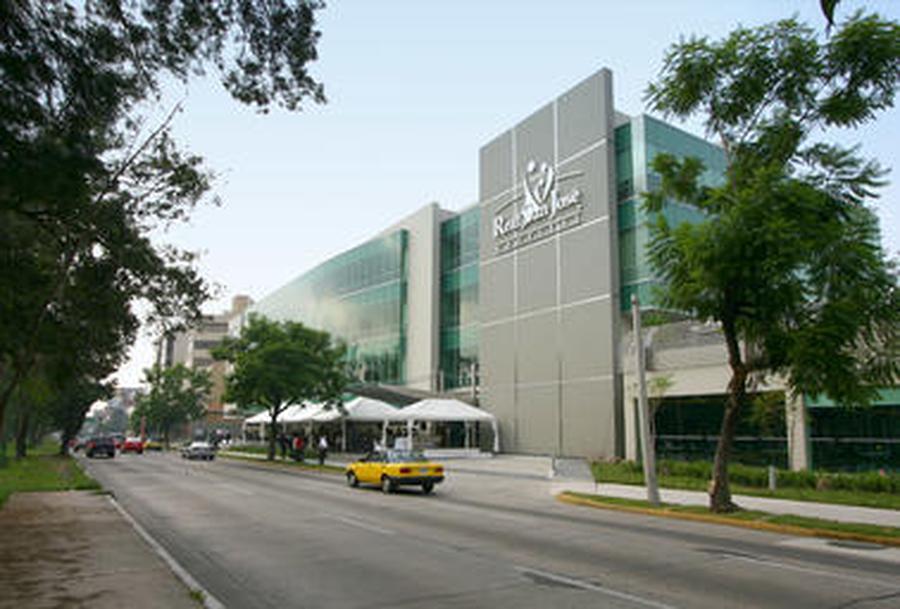
Bookimed Expert Insight: Choosing border clinics like Hospital de la Familia in Mexicali offers significant logistical value. It sits steps from the Calexico border, minimizing travel stress for US patients. While Monterrey’s JCI-accredited facilities like Hospital San Jose may have higher premiums, they provide top-tier hygiene standards. For those seeking innovative environments, Hospital Real San Jose in Guadalajara offers a unique hotel-hospital fusion design.
| Mexico | Turkey | Austria | |
|---|---|---|---|
| Hip Arthroscopy | from $10,000 | from $3,000 | ≈ $8,200 |
Factors affecting Hip Arthroscopy cost in Mexico
Cost variables to consider:
- Board-certified specialists with 15+ years of experience can charge 25%–35% more for their expertise.
- Clinics accredited by JCI or ISO 9001 quality systems may charge 15%–20% more for meeting international safety protocols.
- Procedures in major cities like Mexico City or Guadalajara can cost 20%–30% more due to high-demand urban hospitals.
- Use of FDA-approved arthroscopic implants can increase costs by 10%–18%, depending on implant type and brand used.
- Advanced imaging guidance (3T MRI or intraoperative fluoroscopy) adds 8%–12% to cover high-tech equipment and radiology fees.
- Extent of labral repair or bone reshaping can impact cost by 20%–35%, with complex repairs requiring more surgical time and materials.
Your Benefits and Guarantees with Bookimed
Transparent Prices & Flexible Installments
No hidden fees – just official clinic prices. Pay at the clinic for Hip Arthroscopy upon arrival and use a flexible installment plan if needed.
Verified Clinics & Doctors Only
Bookimed is committed to your safety. We only work with medical institutions that maintain high international standards in Hip Arthroscopy and have the necessary licenses to serve international patients worldwide.
Free 24/7 Assistance
Bookimed offers free expert assistance. A personal medical coordinator supports you before, during, and after your treatment, solving any issues. You're never alone on your Hip Arthroscopy journey.

Your personal Bookimed medical coordinator
- Supports you at every stage
- Helps choose the right clinic and doctor
- Ensures quick and convenient access to information
Hip Arthroscopy in Mexico: Pros and Cons
Hip arthroscopy in Mexico can offer significant cost savings, but it's crucial to weigh the potential benefits against the risks.
| Pros | Cons |
|---|---|
| Lower costs. Hip arthroscopy in Mexico typically costs $8,000–$12,000 versus $15,000+ in the US, offering savings of up to 50%. | Safety concerns. Potential risks include infection rates of 1–2% and nerve injury, similar to rates reported in the US. These can be minimized by selecting accredited, experienced surgeons. |
| Qualified surgeons. Orthopedic surgeons are certified by the Mexican Council of Orthopedic Surgery, often with US/European fellowships and 10+ years of experience. | Follow-up care. Post-operative care may be challenging from abroad. Some clinics offer telemedicine and detailed discharge plans to support international patients. |
| Modern facilities. Procedures are performed in hospitals accredited by JCI or ISO, using equipment from brands such as Stryker and Smith & Nephew. | Different regulatory standards. COFEPRIS standards differ from the FDA, but leading clinics meet international accreditations and follow FDA-aligned protocols. |
| Minimally invasive approach. Hip arthroscopy offers less tissue disruption, faster recovery, and reduced scarring compared to open surgery, when performed by qualified specialists. | Procedure-specific risks. Potential risks include stiffness or incomplete symptom relief. Published revision rates range from 5–10% and are comparable to global averages. |
| Personal coordinator support. Bookimed’s medical coordinator helps compare clinics, request personalized quotes, and manage treatment logistics at no additional cost. |
It's crucial to thoroughly research clinics and verify surgeon credentials before making a decision. Carefully research and choose reputable providers to maximize safety and outcomes for hip arthroscopy in Mexico.
Discover the Best Hip Arthroscopy Clinics in Mexico: 6 Verified Options and Prices
The best Hip Arthroscopy clinics in Mexico hold JCI and General Health Council accreditations, operating in cities like Mexicali, Monterrey, and Tijuana. According to Bookimed’s ranking, the top clinics are Hospital de la Familia, Advance Health Medical Center, and Hospital Zambrano Hellion. They stand out for board-certified orthopedic surgeons, bilingual surgical teams, and certified post-surgical care. When choosing a provider, look for Consejo de Salubridad General accreditation, board certification, and proven surgical outcomes, with cost-effective packages. Always consult a qualified orthopedic surgeon before making a decision.




Advance Health Medical Center

Hospital Zambrano Hellion



Hip Arthroscopy Overview in Mexico
- Hip replacement - from $8,000The operation substitutes damaged hip joints with artificial ones, reducing pain and improving movement.
- Hip Arthroscopy - from $10,000This therapy involves utilizing a camera and small tools to diagnose and treat hip joint problems, providing minimal recovery time.
Day 1
- Arrival at the airport.
- Transfer to the hotel.
- Rest and acclimatization.
Day 2
- Transfer from hotel to clinic.
- Consultation with orthopedic specialist.
- Undergoing MRI of the hip joint.
Day 3
- Pre-operative preparation.
- Undergoing necessary blood tests.
- Reviewing MRI results with your doctor.
Day 4
- Admission to the hospital.
- Undergoing Hip Arthroscopy under general anesthesia.
- Procedure lasts for 1-2 hours.
Day 5-7
- Post-operative care in the hospital.
- Initial physiotherapy sessions.
- Discharge from the hospital on Day 7.
Week 1-2
- Continued physiotherapy sessions.
- Rest and recovery at home.
- Follow-up appointment with your doctor.
Week 3-4
- Gradual return to light work.
- Progressive increase in physical activity.
Week 5-6
- Return to regular work.
- Continued physiotherapy.
- Follow-up MRI if necessary.
Week 7-12
- Full return to sports and other activities.
- Final follow-up with your doctor.
Please note that this timeline may vary based on individual patient"s condition and recovery rate.
- Bookimed deposit: $200 or €200.
- Clinic deposit: Pay a set percentage in advance.
Our Doctors
View all Doctors
Juan Bustamante
Dr. Juan Bustamante is an orthopedic surgeon at Hospital de la Familia in Mexicali. He specializes in traumatology, sports medicine, and spinal surgery. He completed a specialized fellowship in sports medicine and arthroscopy in the USA. Dr. Bustamante treats international patients near the US-Mexico border at a CSG-accredited facility.
- Completed a fellowship at Hughston Sport Medicine Hospital in Georgia, USA.
- Held a scholarship from the Mexican Society of Orthopedic Investigation.
- Member of the American Academy of Orthopedic Surgeons.
- Maintains membership in the Latin American Society of Orthopedics and Traumatology.
Reviews about Bookimed: Discover Patients' Insights
All reviewsShare this content
Video Stories from Bookimed Patients
 Anna Leonova
Fast Facts about Hip Arthroscopy

Hip Arthroscopy
A minimally invasive orthopedic surgery used to diagnose and treat problems within the hip joint.
FAQ about Hip Arthroscopy in Mexico
Is it safe to get hip arthroscopy in Mexico?
Hip arthroscopy in Mexico is safe when performed at private facilities accredited by the Joint Commission International or Mexico General Health Council. Success depends on selecting surgeons certified by the Mexican Council of Orthopedic Surgery who use modern diagnostic imaging and specialized traction equipment.
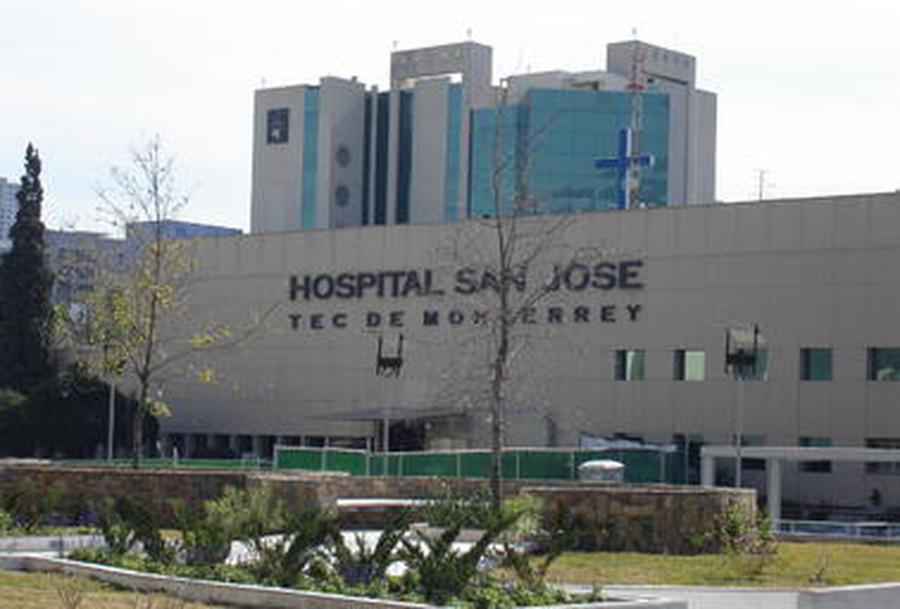
- Hospital accreditation: Top centers like Hospital San Jose Tecnologico de Monterrey maintain global safety standards.
- Surgeon credentials: Verified surgeons often possess international fellowships and certifications from CMCO or CMCPER.
- Facility quality: Leading hospitals in Mexicali and Tijuana offer boutique, private rooms with high-tech equipment.
- Border proximity: Clinics like Hospital de la Familia sit steps from the border for easier access.
Bookimed Expert Insight: While many focus on cost, the real differentiator in Mexico is the geographical specialization of clinics. Hospitals near the California-Mexico border, like those in Mexicali, specifically design their recovery protocols for American patients. These facilities often facilitate coordination with physical therapists in the United States, which is essential because late-stage recovery happens entirely after you return home.
Patient Consensus: Safety is surgeon-dependent, so patients emphasize verifying specific monthly procedure volumes for labral tears. They often warn that while the surgery is minimally invasive, the recovery is long and requires a pre-arranged local physical therapist.
How do I choose a qualified orthopedic surgeon in Mexico?
To choose a qualified orthopedic surgeon in Mexico, verify their Mexican Council of Orthopedics and Traumatology (CMOT) certification and federal Cédula Profesional license. Ensure the facility holds General Health Council (CSG) or Joint Commission International (JCI) accreditation to guarantee safety standards.
- License verification: Request two Cédula Profesional numbers for general medicine and orthopedic specialization.
- Board certification: Confirm active status via the National Council for Medical Certification (CONACEM) registry.
- Facility standards: Select clinics with CSG accreditation like Hospital Real San Jose or Hospital de la Familia.
- Specialization focus: Prioritize surgeons focused on hip preservation rather than general trauma specialists.
Bookimed Expert Insight: Many patients focus solely on the surgeon, but facility location is a major differentiator. For instance, Hospital de la Familia in Mexicali sits directly at the United States border. This proximity simplifies post-operative logistics and simplifies access to specialized imaging and anesthesia support.
Patient Consensus: Experienced patients recommend asking a surgeon how they handle labral tears if MRI findings differ from actual surgical visuals. Success often depends on a surgeon who provides a clear rehabilitation plan coordinated with specialized physical therapists.
What does the immediate post-operative recovery after hip arthroscopy look like?
Immediate recovery involves managing anesthesia side effects and protecting the joint through strict mobility limits. Most patients return home the same day as surgery. Success depends on using crutches, managing narcotic-induced constipation, and performing early physical therapy to prevent scar tissue formation in Mexican facilities.
- Pain management: Combination of narcotics and anti-inflammatories; stool softeners prevent medication-related constipation.
- Restricted mobility: Crutches are mandatory to avoid deep squats or bending past 90 degrees.
- Ice therapy: Continuous cold therapy for 20 minutes hourly helps resolve dramatic swelling and bruising.
- Incision care: Keep original dressings dry for 48 hours before starting supervised waterproof showers.
Bookimed Expert Insight: Patients traveling to Mexico benefit from clinics like Hospital de la Familia, located steps from the border. This proximity simplifies the first 72 hours when mobility is most restricted. While US costs average $22,800, Mexican surgeries start at $10,000, allowing patients to afford extended professional care during the critical `dead leg` phase.
Patient Consensus: Many feel the first few days are more restrictive and annoying than painful. Challenges often center on logistics like using the bathroom or getting dressed while maintaining hip protection.
When is it safe to fly home after hip arthroscopy in Mexico?
Most patients can safely fly home 10 to 14 days after hip arthroscopy in Mexico. While short flights are possible after 2 to 4 days, waiting 2 weeks allows for surgical monitoring, initial physical therapy, and reduced risk of deep vein thrombosis.
- Travel window: Wait 10 to 14 days for flights under 4 hours to manage swelling.
- Clot prevention: Use compression stockings and prescribed blood thinners to prevent venous thromboembolism during travel.
- Airport assistance: Request wheelchair services to avoid long walks and standing in customs lines.
- In-flight protocol: Perform hourly ankle pumps and maintain hip flexion under 90 degrees while seated.
Bookimed Expert Insight: High-volume centers like Hospital de la Familia in Mexicali benefit from being steps from the California border. For patients flying further, choosing JCI-accredited facilities like Hospital San José Tecnológico de Monterrey ensures recovery protocols meet international safety standards before you depart.
Patient Consensus: Patients emphasize that navigating the airport is often more physically demanding than the flight itself. Many recommend staying near the clinic for at least 7 days to ensure you can handle a full travel day.
How long must I stay in Mexico after hip arthroscopy before leaving the country?
Patients should plan to stay in Mexico for 7 to 14 days after hip arthroscopy before flying home. This duration ensures surgeons can monitor your incisions for infection and assess early mobility. Final air travel clearance depends on pain management and your risk for blood clots.
- Travel safety: Stay at least 7 days to minimize deep vein thrombosis (DVT) risks during flights.
- Wound monitoring: Surgeons check portal incisions for healing and signs of infection before you depart.
- Clinical check-up: Expect a final follow-up visit between days 7 and 14 for medical clearance.
- Mobility milestones: Patients must be comfortable using crutches or walkers before navigating busy airport terminals.
Bookimed Expert Insight: Many patients choose Mexicali for procedures because clinics like Hospital de la Familia sit steps from the California border. This allows for recovery in the US or easier ground transport. If choosing Monterrey or Guadalajara, ensure your package includes 5-7 hotel nights beyond hospital discharge.
Patient Consensus: Travelers emphasize that sitting in cramped airplane seats too early causes intense hip stiffness. Most recommend booking aisle seats with extra legroom and requesting airport wheelchair assistance in advance.