Lingual Braces in Mexico — Get 3 Top Clinic Matches with Costs


Medically reviewed by
Fahad Mawlood
How Much Does Lingual braces Cost in Mexico?
Lingual braces in Mexico typically cost from $3,800 to $6,000. Total expenses depend on the orthodontic system used and the treatment complexity. Patients usually save 52% compared to the US, where costs average $10,300. Standard packages in cities like Tijuana and Cancun often include diagnostic X-rays, personalized bracket installation, and final retainers.
- Main medical hubs: Major centers for orthodontic care include Mexico City, Tijuana, and Cancun.
- Tijuana clinics: Prices for a full setup frequently reach 15-20% above the national average.
- Mexico City options: Specialized lingual systems in the capital often start around the middle price range.
- Tourist hub pricing: Clinics in Playa del Carmen and Cancun typically offer competitive all-inclusive pricing.
Bookimed Expert Insight: Choosing clinics in Playa del Carmen or Cancun offers distinct value for international patients. Facilities like Bokanova Riviera Maya hold American Dental Association (ADA) accreditation. They regularly treat patients from the USA and Canada with over 30 years of expertise. Since lingual braces require frequent adjustments, many patients bundle these visits with vacation travel to maximize their savings.
| Mexico | The USA | Turkey | |
|---|---|---|---|
| Lingual braces | ≈ $3,800 | ≈ $8,000 | from $2,500 |
Factors affecting Lingual braces cost in Mexico
Cost variables to consider:
- Board-certified dentists with AACD or ADA memberships can charge 20% more, especially those trained in the US.
- Clinics accredited by the Asociación Dental Mexicana or the ADA may charge 15%–20% more.
- Treatment in border cities like Tijuana can cost up to 25% more than in other regions of Mexico.
- Custom-made lingual brackets increase costs by 25%–35%, using brands like Incognito or WIN.
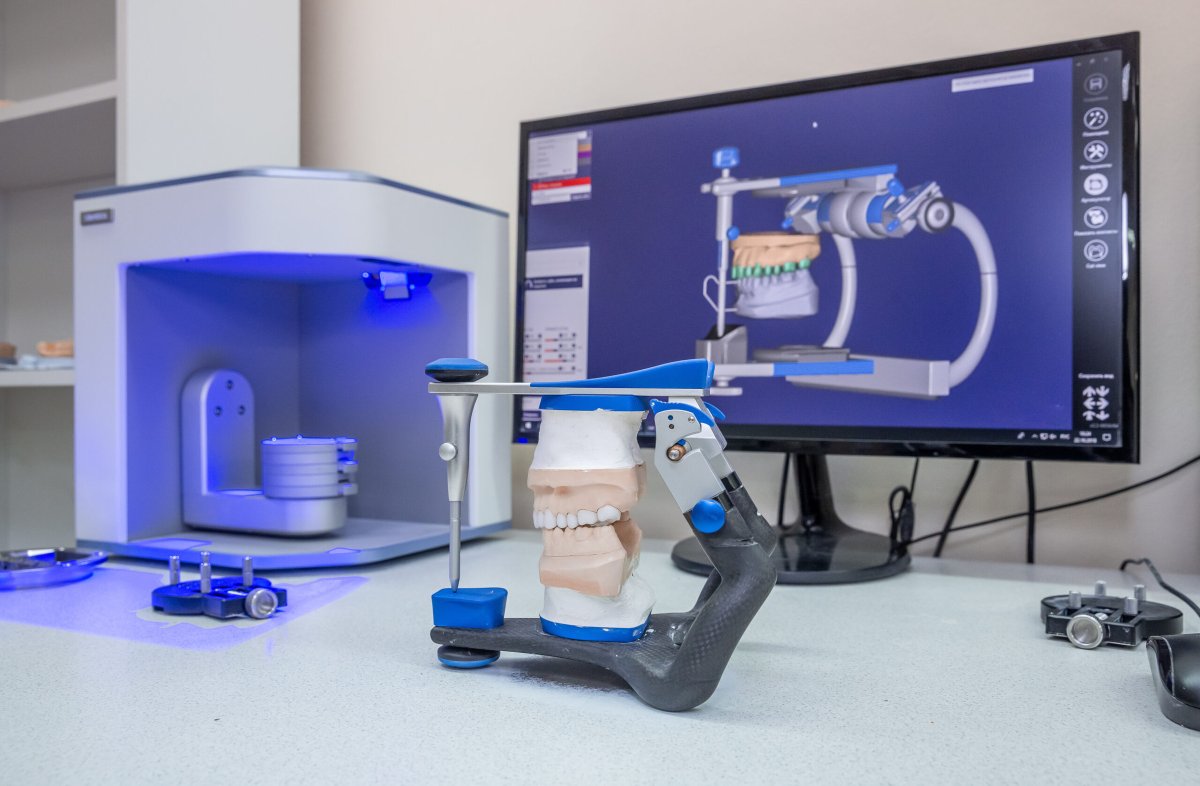
- Advanced digital scanning and 3D treatment planning can add 10%–15% to the total cost.
- Case complexity and treatment duration can influence price by 20%–30%, especially for severe misalignment.
Your Benefits and Guarantees with Bookimed
Transparent Prices & Flexible Installments
No hidden fees – just official clinic prices. Pay at the clinic for Lingual braces upon arrival and use a flexible installment plan if needed.
Verified Clinics & Doctors Only
Bookimed is committed to your safety. We only work with medical institutions that maintain high international standards in Lingual braces and have the necessary licenses to serve international patients worldwide.
Free 24/7 Assistance
Bookimed offers free expert assistance. A personal medical coordinator supports you before, during, and after your treatment, solving any issues. You're never alone on your Lingual braces journey.

Your personal Bookimed medical coordinator
- Supports you at every stage
- Helps choose the right clinic and doctor
- Ensures quick and convenient access to information
Lingual braces in Mexico: Pros and Cons
Lingual braces in Mexico can offer significant cost savings, but it's crucial to weigh the potential benefits against the risks.
| Pros | Cons |
|---|---|
| Lower costs. Lingual braces in Mexico cost $2,000–$4,000, compared to $5,000–$13,000 in the US, offering up to 50% savings. | Safety concerns. Potential risks include a 2–5% chance of tongue irritation and minor speech issues, similar to rates in the US and manageable with proper follow-up. |
| Qualified orthodontists. Many orthodontists are certified by the Mexican Board of Orthodontics, often with US or European training and 8–15 years of experience. | Follow-up care. Multiple adjustment visits may be needed. Coordination with a local orthodontist at home is recommended for ongoing care. |
| Modern facilities. Clinics use advanced CAD/CAM systems, digital imaging, and ISO 9001-certified protocols, matching international standards. | Different regulatory standards. COFEPRIS regulations differ from the FDA, but leading clinics follow ISO and international protocols to ensure safety. |
| Discreet appearance. Lingual braces are placed behind the teeth, making them virtually invisible, which is a key benefit for adults and professionals. | Adjustment period. Some patients experience temporary speech difficulties or discomfort, which typically resolves as they adapt to the braces. |
| Personal coordinator support. Bookimed’s medical coordinator helps compare clinics, request personalized quotes, and manage treatment logistics at no additional cost. |
It's crucial to thoroughly research clinics and verify surgeon credentials before making a decision. When performed by qualified orthodontists, lingual braces in Mexico can be a discreet and cost-effective solution for orthodontic care.
Discover the Best Lingual braces Clinics in Mexico: 3 Verified Options and Prices
The best lingual braces clinics in Mexico are accredited by the Asociación Dental Mexicana (ADM) and uphold high clinical standards, especially in cities like Riviera Maya. According to Bookimed’s ranking, the top clinic is Bokanova Riviera Maya. It stands out for specialists with 30+ years of experience and American Dental Association certification. When choosing a provider, look for ADA accreditation, proven orthodontic experience, and warranty options. Always consult a qualified orthodontist before making a decision.

Dental Hospital

BAZA clinic Dental Integral
Lingual braces Overview in Mexico
- Braces - from $500This therapy helps straighten teeth and align jaws, requiring regular adjustments over a period for best results.
- Lingual braces installation - from $1,800This therapy helps straighten teeth using braces attached behind, offering a concealed and efficient orthodontic solution.
- Ceramic Braces - from $1,800This treatment uses ceramic tooth-colored brackets and wires for a less visible way to straighten teeth.
- Damon Clear self-ligating ceramic braces (USA), 1 jaw - from $1,500The procedure uses advanced braces to align one jaw, featuring discreet, efficient, minimal discomfort and faster treatment.
Day 1
- Arrival in the country.
- Check-in at your accommodation.
Day 2
- Visit to the clinic for initial consultation.
- Health history discussion with the orthodontist.
Day 3
- Dental X-rays and impressions taken.
- Discussion on the braces and treatment plan.
Day 4
- The braces are custom made in a lab.
- No clinic visit necessary this day.
Day 5
- Fitting of lingual braces by the orthodontist.
- Instructions on care and maintenance given.
Post-Operation Week 1
- Adjustment to the braces and potential discomfort.
- Soft food diet recommended.
Post-Operation Week 2
- Return to a normal diet.
- Regular cleaning and care of braces continue.
Rehabilitation Week 6
- First follow-up appointment.
- Tightening of braces if necessary.
Rehabilitation Month 6
- Regular follow-up appointments every 6 weeks.
- Minor adjustments made as necessary.
Rehabilitation Month 12
- Final result should be visible.
- Removal of braces if treatment is complete.
Please note, each case is individual and specific timelines may vary depending on the complexity of the case and individual"s response to the treatment.
- Bookimed deposit: $200 or €200.
- Clinic deposit: Pay a set percentage in advance.
Video Stories from Bookimed Patients
Reviews about Bookimed: Discover Patients' Insights
All reviewsShare this content
 Anna Leonova

Fast Facts about Lingual braces
Lingual Braces
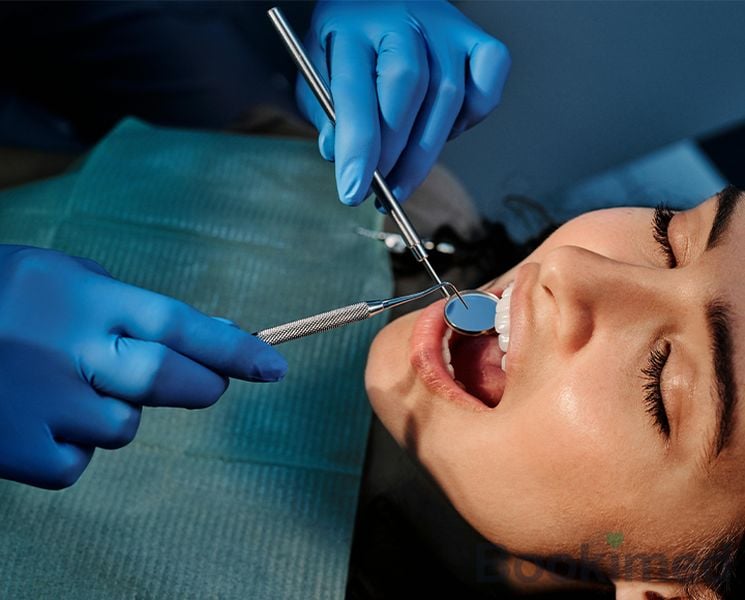
Lingual braces are dental appliances fitted behind the teeth, making them invisible from the front.
FAQ about Lingual braces in Mexico
Can I have lingual braces installed in Mexico and continue maintenance in the United States?
Continuing maintenance in the United States for lingual braces installed in Mexico is statistically unlikely and clinically difficult. Most orthodontists refuse to adjust proprietary, custom-made Mexican hardware due to liability issues, specialized tool requirements, and lack of compatible spare parts for distinct lingual systems.
- System incompatibility: American Dental Association doctors often lack specialized tools for proprietary Mexican lingual brands.
- Liability concerns: US orthodontists typically refuse legal responsibility for tooth movement initiated by others.
- Financial impact: You must usually pay full local rates to remove and restart treatment locally.
- Adjustment frequency: Lingual systems require precise in-person troubleshooting every 4 to 6 weeks.
Bookimed Expert Insight: While standard braces in Mexico cost $500 to $2,000, lingual options average $1,800. Data shows patients save around 52% versus the US average of $10,300. However, these savings vanish if you cannot travel to Tijuana or Mexico City monthly. We recommend choosing clinics with American Dental Association (ADA) accreditation to ensure digital records are compatible with US standards.
Patient Consensus: Patients emphasize that emergency repairs like broken brackets are difficult with lingual systems. Most advise securing a written agreement from a US orthodontist before starting any work in Mexico.
Who is a good candidate for lingual braces in Mexico?
Ideal candidates for lingual braces in Mexico include adults and teenagers with healthy gums who seek 100% invisible orthodontics. This treatment suits professionals, athletes, and patients needing discreet correction for crowding or gaps. Candidates must have sufficient tooth surface area to bond brackets to the back of teeth.
- Oral health: Candidates require healthy gum tissue and strong bone structure without active periodontal disease.
- Bite mechanics: Patients with severe deep overbites may be better suited for traditional orthodontic methods.
- Compliance level: Ideal for individuals who prefer fixed appliances over removable aligners like Invisalign.
- Travel flexibility: International patients must manage follow-up trips to Mexico every 4 to 8 weeks.
Bookimed Expert Insight: While many seek lingual braces for aesthetics, our data shows they are particularly effective for patients who struggle with aligner discipline. Clinics like Beamann Hobbs Dental Clinic serve nearly 1,900 patients annually, often providing this invisible alternative to those who need complex adjustments without the hassle of removable trays.
Patient Consensus: Patients describe lingual braces as a premium invisible option for non-compliant aligner users. Most advise preparing for a short adaptation period involving speech changes and temporary tongue sensitivity.
What are the primary side effects and challenges of lingual braces?
Lingual braces cause temporary speech impediments, tongue soreness, and restricted oral hygiene access. Unlike traditional brackets, these sit behind teeth, leading to a lisp and irritation. Adaptation typically takes 2 to 4 weeks for patients in clinics like those in Mexico City or Tijuana.
- Speech changes: Brackets alter tongue placement, causing lisps on s, t, and d sounds.
- Tongue irritation: Continual metal contact often creates painful sores or ulcers during early adjustment.
- Hygiene difficulty: Food traps easily behind teeth, requiring interdental brushes or specialized water flossers.
- Dietary limits: Sticky or hard foods can damage hidden brackets that are difficult to repair.
Bookimed Expert Insight: While lingual braces cost $1,800 to $5,800 in Mexico, savings reach 52% versus the US. Beamann Hobbs Dental Clinic performs 1,900 procedures yearly. This high volume suggests their specialists handle the complex, restricted angles of lingual adjustments more efficiently.
Patient Consensus: Patients report that while lisping and tongue guards are frustrating initially, the invisible cosmetic benefit makes the first 3 weeks of discomfort worthwhile. Orthodontic wax becomes an essential tool for managing irritation after long conversations.
How long does lingual-braces treatment typically last?
Lingual-braces treatment typically lasts between 18 and 36 months. Mild cosmetic adjustments may finish in 12 to 18 months. Complex orthodontic cases involving major bite alignment or severe crowding often require 30 months or longer to achieve stable results.
- Treatment timeframe: Most standard cases require 18 to 24 months for complete alignment.
- Complexity factor: Severe bite corrections can extend the timeline to over 3 years.
- Adaptation phase: Patients usually need 4 to 8 weeks to adjust speech and eating.
- Adjustment frequency: In-person orthodontic visits are required every 6 to 8 weeks for progress.
Bookimed Expert Insight: While Mexico offers significant savings, treatment duration depends entirely on clinical complexity rather than location. Clinics like Beamann Hobbs Dental Clinic employ orthodontists with over 15 years of experience. Choosing such highly seasoned specialists is vital. Lingual systems require more intricate adjustments than traditional braces. Expert precision at every 6-week visit prevents unnecessary delays in your final result.
Patient Consensus: Patients emphasize that the first month is the most challenging for speech and tongue comfort. Many advise that staying consistent with hygiene prevents setbacks that might otherwise extend the timeline.
Describe the step-by-step installation process used in Mexican clinics.
Lingual braces installation in Mexico involves a precise step-by-step clinical workflow focused on customization and discreet alignment. The process requires digital scanning, lab fabrication of custom-made appliances, and indirect bonding techniques to ensure brackets fit the unique lingual surfaces of your teeth.
- Initial diagnostics: Dentists take 3D digital scans, X-rays, and photos for precise planning.
- Custom fabrication: Specialized labs create individual brackets matching the back of each tooth.
- Indirect bonding: Surgeons use custom trays to place all brackets simultaneously for accuracy.
- Wire activation: Orthodontists secure initial archwires and check for bite alignment issues.
- Early follow-up: Patients return within days to adjust wires and manage tongue irritation.
Bookimed Expert Insight: While many Mexican clinics offer standard braces starting at $500, premium centers like Beamann Hobbs Dental Clinic specialize in complex orthodontics. Our data shows that top-rated clinics in Mexico City and Cancun often utilize indirect bonding. This method significantly reduces the time you spend in the dental chair compared to traditional direct placement.
Patient Consensus: Most patients report that the first 2 weeks require the most adaptation due to tongue irritation and speech changes. Many recommend asking for digital scans upfront to ensure a more comfortable fit than traditional impressions.