Complex Treatment of Thyroid Cancer in Republic of Korea — Get 3 Top Clinic Matches with Costs
Bookimed lists 5 complex treatment of thyroid cancer clinics in the Republic of Korea, in Seoul, Goyang, and Incheon. These clinics are rated 4.6/5 in 38 verified patient reviews on Bookimed.


Medically reviewed by
Yesim Yildirim
How Much Does Complex treatment of thyroid cancer Cost in Republic of Korea?
Complex treatment of thyroid cancer in the Republic of Korea typically costs from $9,500 to $18,000. The total price depends on the cancer stage, hospital tier, and surgical technique. Patients save approximately 80% compared to the US, where average costs reach $70,000. Standard packages often include oncology diagnostics, surgical intervention, and necessary adjuvant therapies like radioactive iodine.
- Oncology diagnostics: Usually includes consultations, blood panels, biopsies, and imaging like ultrasound or MRI.
- Advanced imaging: PET/CT scans are often billed separately to precisely stage the disease.
- Surgical interventions: Robotic or endoscopic nerve-sparing thyroidectomy typically costs 20-30% more than standard open surgery.
- Adjuvant therapies: Radioactive iodine therapy or chemotherapy courses add to the base surgical cost.
Bookimed Expert Insight: South Korea offers world-leading survival rates that often exceed US averages. Seoul National University Hospital (SNUH) reports a 91.9% breast cancer survival rate for comparison. Most top-tier centers in Seoul, like Samsung Medical Center, are fully digital. This integration allows for real-time sharing of MRI and CT images between departments. Choosing a hospital with JCI or KOIHA accreditation ensures international safety standards are met. For the best value, consider clinics in Goyang or Incheon to reduce non-medical expenses.
| Republic of Korea | Turkey | Austria | |
|---|---|---|---|
| Complex treatment of thyroid cancer | ≈ $9,500 | ≈ $7,500 | ≈ $17,500 |
Your Benefits and Guarantees with Bookimed
Transparent Prices & Flexible Installments
No hidden fees – just official clinic prices. Pay at the clinic for Complex treatment of thyroid cancer upon arrival and use a flexible installment plan if needed.
Verified Clinics & Doctors Only
Bookimed is committed to your safety. We only work with medical institutions that maintain high international standards in Complex treatment of thyroid cancer and have the necessary licenses to serve international patients worldwide.
Free 24/7 Assistance
Bookimed offers free expert assistance. A personal medical coordinator supports you before, during, and after your treatment, solving any issues. You're never alone on your Complex treatment of thyroid cancer journey.

Your personal Bookimed medical coordinator
- Supports you at every stage
- Helps choose the right clinic and doctor
- Ensures quick and convenient access to information
Discover the Best Complex treatment of thyroid cancer Clinics in Republic of Korea: 5 Verified Options and Prices









Complex treatment of thyroid cancer Overview in Republic of Korea
- Thyroid resection - from $5,000The operation removes part or all of the thyroid gland to treat various thyroid conditions.
- Thyroidectomy - from $6,000The operation involves removing all or part of the thyroid gland to treat thyroid diseases.
Day 1
- Arrival at the hospital.
- Check-in at the reception.
- Initial consultation with a specialist.
Day 2 - 3
- Consultation with an endocrinologist.
- Thyroid function tests are performed.
- Ultrasound and biopsy if needed.
Day 4
- Consultation with a surgeon.
- Final tests before surgery.
- Preparation for surgery.
Day 5
- Complex thyroid cancer treatment procedure.
- Procedure duration is 2-3 hours.
- General anesthesia is administered.
Day 6 - 7
- Post-operative monitoring in the clinic.
- Starting light physical activity.
- Patient"s discharge from the hospital.
Week 1 - 2
- Regular follow-ups with the surgeon.
- Taking prescribed medications.
- Gradually increasing physical activities.
Week 3 - 4
- Returning to work.
- Gradually resuming regular activities.
- Continuing follow-ups with the surgeon.
Week 5 - 6
- Returning to sport activities.
- Final post-operative consultation with the surgeon.
- Final result is achieved.
Please note that every patient"s recovery process is individual and might vary.
- Bookimed deposit: $200 or €200.
- Clinic deposit: Pay a set percentage in advance.
Our Doctors
View all Doctors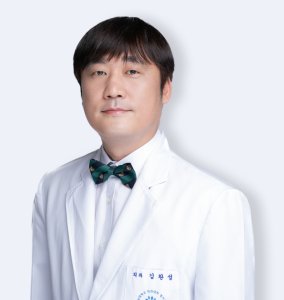
Kim Wan Song
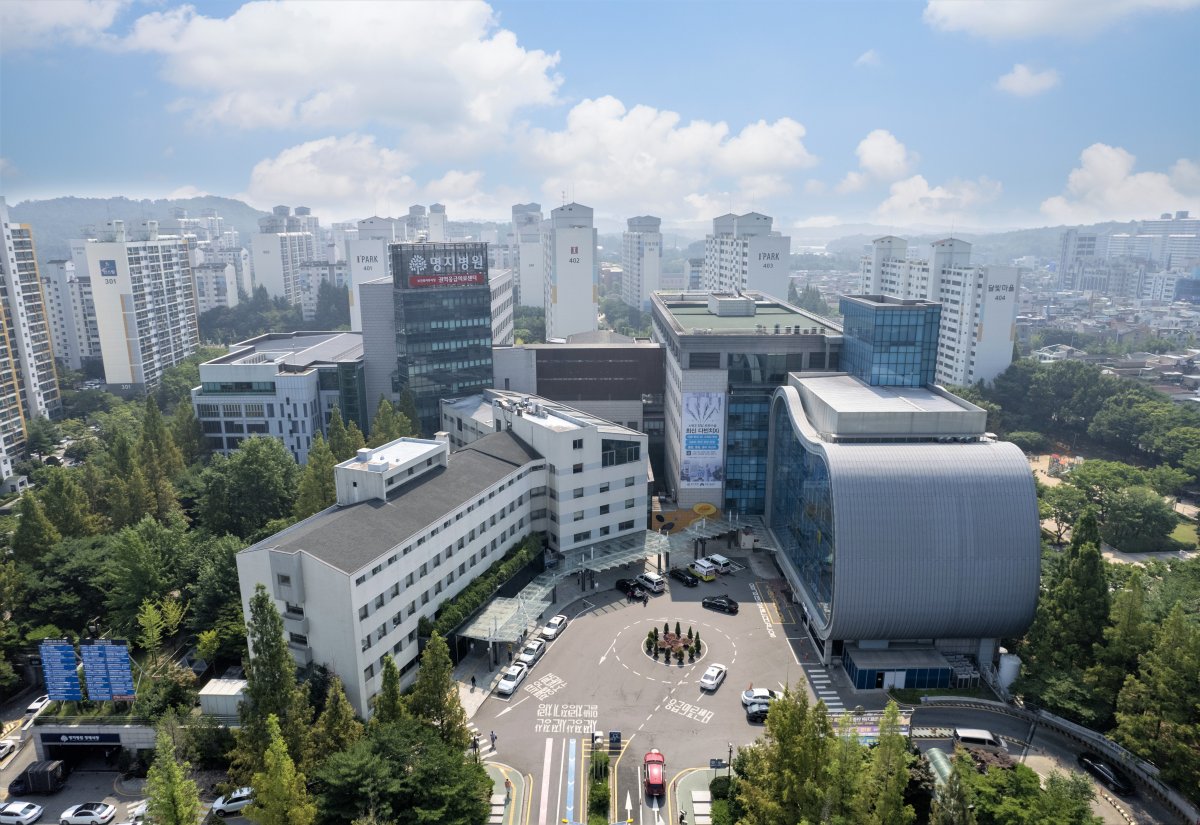
Dr. Wan‑Sung Kim, MD, PhD, is Director of the Thyroid Center and an Associate Professor of Surgery at Myongji Hospital, an educational partner of Hanyang University. He is a breast and thyroid surgeon. He treats cancer and benign disease and focuses on minimally invasive thyroid and adrenal surgery.
Expertise: endoscopic and robotic thyroidectomy (transoral, axillary-areolar), thyroid radiofrequency ablation, ethanol ablation for thyroid lesions, and endoscopic or robotic adrenal tumor surgery.
He previously served as Head of Surgery at Myongji Hospital and Chuncheon Gangnam Hospital. He completed his residency and a breast and thyroid fellowship at Myongji. He holds an MD and MS from Catholic Kwandong University and a PhD from Kangwon National University. He is a member of the Korean Association of Thyroid and Endocrine Surgeons, the Korean Breast Cancer Society, the Korean Surgical Society, and the Korean Surgical Ultrasound Society.

Lee, Han-Byoel
The doctor is an expert in oncoplastic surgery and breast cancer, with extensive experience from prestigious institutions. The doctor holds an M.D. degree from Seoul National University College of Medicine and an M.S. degree in Surgery from the same institution. Additionally, the doctor earned a B.S. in biological sciences from the Korea Advanced Institute of Science and Technology (KAIST) and a Ph.D. in Surgery from Seoul National University Graduate School.
Video Stories from Bookimed Patients
Reviews about Bookimed: Discover Patients' Insights
All reviewsShare this content
 Anna Leonova

FAQ about Complex treatment of thyroid cancer in Republic of Korea
Do I need a visa to South Korea?
Today, South Korea has visa-free agreements with 112 states. None visa is required for stays under 90 days or less. To stay longer in this country, you need a visa. What states need a visa for treatment in South Korea and what countries can cross the border free and easy read here.
What is the level of medicine in South Korea?
Healthcare is the key development sector of the Korean government. The Korean authorities are convinced that care for the citizens' health should be an absolute priority of state policy and spend about 1 billion a year for medical tourists attraction.
According to Mark Britnell, hospitals dominate the health system. 94% of hospitals are privately owned.
What are the most popular plastic surgery procedures?
According to ASPS statistics, 17.7 mln cosmetic surgeries and 5.8 mln reconstructive procedures have been performed in 2018. Among cosmetic procedures the most popular are:
- breast augmentation
- liposuction
- rhinoplasty (nose job)
- eyelid surgery
- tummy tuck.
Tumor removal, laceration repair, maxillofacial surgery, scar revision, hand surgery are the most common operations in the context of reconstructive surgery.
What documents are required to apply for a visa to South Korea for treatment?
Visas for travel to South Korea require a number of documents. The necessary papers can be submitted 90 days before the planned departure. Lists of documents includes:
- ID card
- confirmation of online registration and filling out the questionnaire
- certificate of income and availability of funds
- insurance policy for a stay in South Korea (original and copy)
- 2 photos (5x6)
- visa receipt
- booking of flight and hotel
- medical opinion about the need for treatment.
What should you know about South Korea before the trip?
Currency | South Korean Won (you also can pay for services in dollars) |
Best period for the trip | April, May & June or September, October & November. |
Language | Korean (most of medical staff speaks English fluently) |
Visa | none required for stays under 90 days or less |
Time difference with Europe | 9 hours |
Time difference with the USA | 9 hours |
Capital | Seoul |
Medical tourism center | Seoul |
Popular resorts | Gangwon-do, Gyeongju, Boseong, Jeju |
What hotel services are provided here?
In South Korea, hotels of different price ranges and service levels are presented. Most tourists choose 4 and 5 star hotels with all-inclusive meals. Such hotels have everything for a comfortable stay: varied food, a large well-groomed territory, animation for children and adults. Some hotels have their own water park, which guests can use for free. Budget travelers can afford to book an economical 3-star hotel with half board or no meals at all.