Dermatoscopy in Republic of Korea — Get 3 Top Clinic Matches with Costs


Medically reviewed by
Yesim Yildirim
How Much Does Dermatoscopy Cost in Republic of Korea?
Dermatoscopy in the Republic of Korea typically costs from $90 to $180. The total price depends on the number of skin lesions and the clinic location. Patients save about 48% compared to the US, where this diagnostic costs $270 on average. Most screenings in Seoul include a detailed examination by a board-certified dermatologist.
- Technological tier: Newer digital systems for mapping moles often cost more than manual handheld devices.
- Clinical setting: Specialist university hospitals usually charge 10–20% more than smaller private skin clinics.
- Procedure scope: Examining a single suspicious spot is cheaper than a full-body mole map.
- Location factor: Prices in Seoul clinics stay consistent due to high competition among providers.
Bookimed Expert Insight: The Republic of Korea offers high-tier diagnostic safety through its digital health systems. Leading centers like Seoul National University Hospital have used electronic patient records since 2004. This allows for precise tracking of skin changes over time. Many top clinics are accredited by KOIHA and JCI. Severance Hospital alone treats about 4,000,000 patients annually. This high volume helps maintain competitive pricing for expert skin cancer screenings.
| Republic of Korea | Turkey | Austria | |
|---|---|---|---|
| Dermatoscopy | ≈ $90 | from $200 | ≈ $90 |
Your Benefits and Guarantees with Bookimed
Transparent Prices & Flexible Installments
No hidden fees – just official clinic prices. Pay at the clinic for Dermatoscopy upon arrival and use a flexible installment plan if needed.
Verified Clinics & Doctors Only
Bookimed is committed to your safety. We only work with medical institutions that maintain high international standards in Dermatoscopy and have the necessary licenses to serve international patients worldwide.
Free 24/7 Assistance
Bookimed offers free expert assistance. A personal medical coordinator supports you before, during, and after your treatment, solving any issues. You're never alone on your Dermatoscopy journey.

Your personal Bookimed medical coordinator
- Supports you at every stage
- Helps choose the right clinic and doctor
- Ensures quick and convenient access to information
Discover the Best Dermatoscopy Clinics in Republic of Korea: 8 Verified Options and Prices














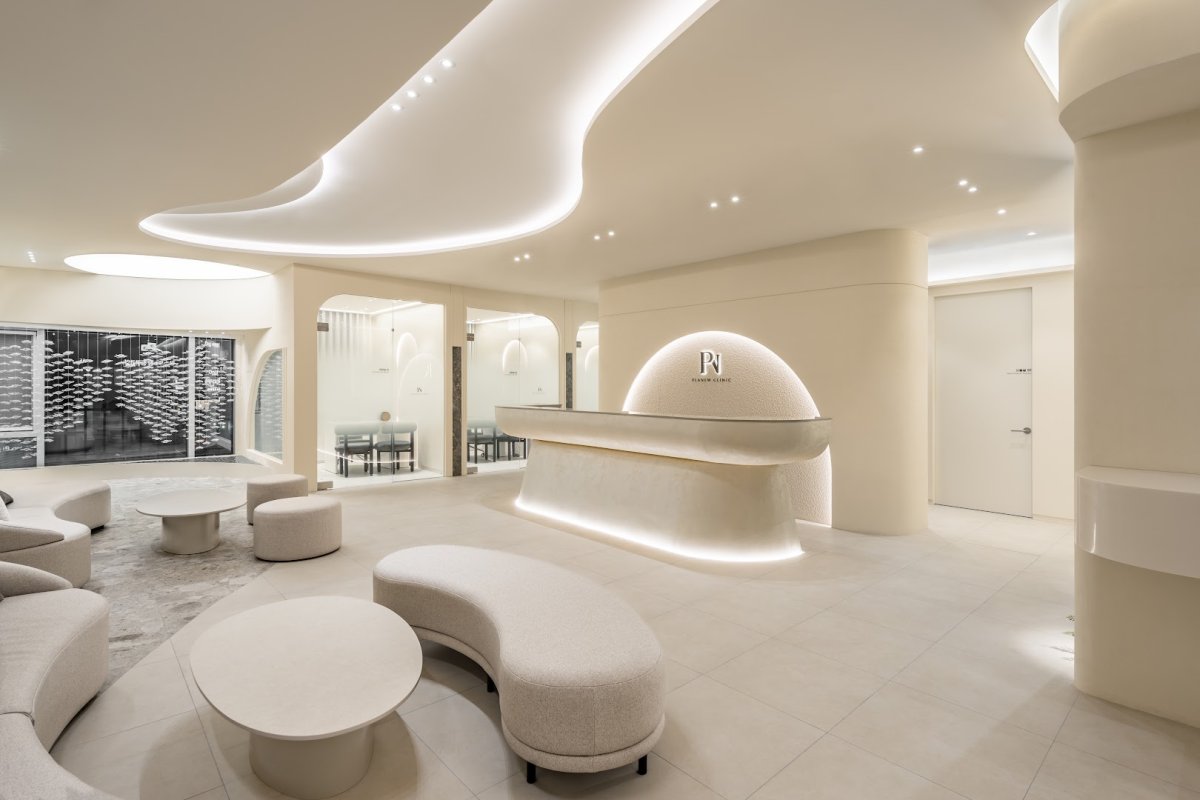
PLANEW CLINIC
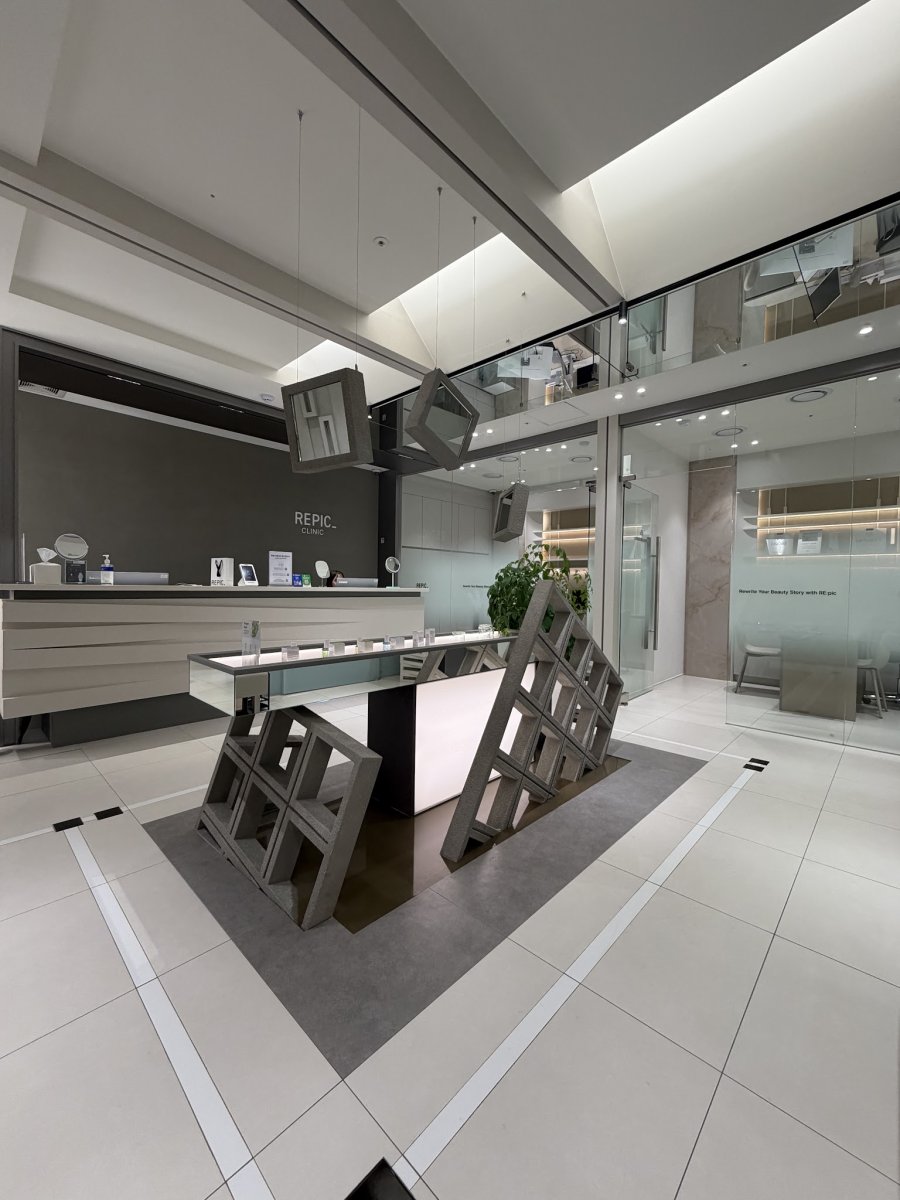
REPIC Clinic Gangnam
Our Doctors
View all Doctors
Hwang Sung Joo
Professor Hwang Sung-joo is Director of the Hair Transplant Center at Myongji Hospital. He is an internationally recognized hair restoration surgeon with more than 30 years of experience. He performs FUT, FUE, and complex repair procedures. He has transplanted about 50 million hairs.
He was the first Korean President of the ISHRS. He founded and led the Asian and Korean hair restoration surgery societies. He received the ISHRS Platinum Follicle Award. He developed DCT (Depth Controlled Transplantation) and an implantation device to improve graft survival. He performed Korea’s first sister-to-sister hair transplant after bone marrow transplantation in 2005, and a mother-to-daughter transplant in 2025. He wrote a Korean textbook and co-wrote U.S. and Asian texts.
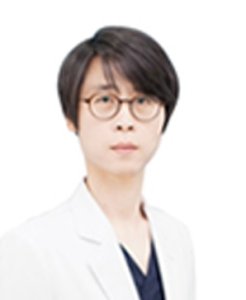
Jiwoo Kim
Dr. Jiwoo Kim is a board-certified specialist at Seoul National University Hospital. Dr. Kim holds a Master of Medical Science from Gachon University. This expertise supports a range of aesthetic and regenerative skin treatments. Dr. Kim specializes in non-surgical anti-aging and skin rejuvenation.
- Published research in Biochemical Pharmacology on oxidative stress and cell protection.
- Treats dermatological conditions including psoriasis, dermatitis, and alopecia.
- Performs stem cell therapies for anti-aging and hair restoration.
- Practices at BIOFACE Clinic, a KOIHA-accredited center in Seoul.

Sang Eun Lee
Dr. Sang Eun Lee is an oncologist at Severance Hospital. This medical center is a top-ranked institution in South Korea.
- Treats skin cancer cases at one of Seoul's premier teaching hospitals
- Works within a specialized oncology department
- Provides expert clinical evaluation for suspicious skin lesions during dermatoscopy
Video Stories from Bookimed Patients
Share this content
 Anna Leonova

FAQ about Dermatoscopy in Republic of Korea
Do I need a visa to South Korea?
Today, South Korea has visa-free agreements with 112 states. None visa is required for stays under 90 days or less. To stay longer in this country, you need a visa. What states need a visa for treatment in South Korea and what countries can cross the border free and easy read here.
What is the level of medicine in South Korea?
Healthcare is the key development sector of the Korean government. The Korean authorities are convinced that care for the citizens' health should be an absolute priority of state policy and spend about 1 billion a year for medical tourists attraction.
According to Mark Britnell, hospitals dominate the health system. 94% of hospitals are privately owned.
What are the most popular plastic surgery procedures?
According to ASPS statistics, 17.7 mln cosmetic surgeries and 5.8 mln reconstructive procedures have been performed in 2018. Among cosmetic procedures the most popular are:
- breast augmentation
- liposuction
- rhinoplasty (nose job)
- eyelid surgery
- tummy tuck.
Tumor removal, laceration repair, maxillofacial surgery, scar revision, hand surgery are the most common operations in the context of reconstructive surgery.
What documents are required to apply for a visa to South Korea for treatment?
Visas for travel to South Korea require a number of documents. The necessary papers can be submitted 90 days before the planned departure. Lists of documents includes:
- ID card
- confirmation of online registration and filling out the questionnaire
- certificate of income and availability of funds
- insurance policy for a stay in South Korea (original and copy)
- 2 photos (5x6)
- visa receipt
- booking of flight and hotel
- medical opinion about the need for treatment.
What should you know about South Korea before the trip?
Currency | South Korean Won (you also can pay for services in dollars) |
Best period for the trip | April, May & June or September, October & November. |
Language | Korean (most of medical staff speaks English fluently) |
Visa | none required for stays under 90 days or less |
Time difference with Europe | 9 hours |
Time difference with the USA | 9 hours |
Capital | Seoul |
Medical tourism center | Seoul |
Popular resorts | Gangwon-do, Gyeongju, Boseong, Jeju |
What hotel services are provided here?
In South Korea, hotels of different price ranges and service levels are presented. Most tourists choose 4 and 5 star hotels with all-inclusive meals. Such hotels have everything for a comfortable stay: varied food, a large well-groomed territory, animation for children and adults. Some hotels have their own water park, which guests can use for free. Budget travelers can afford to book an economical 3-star hotel with half board or no meals at all.