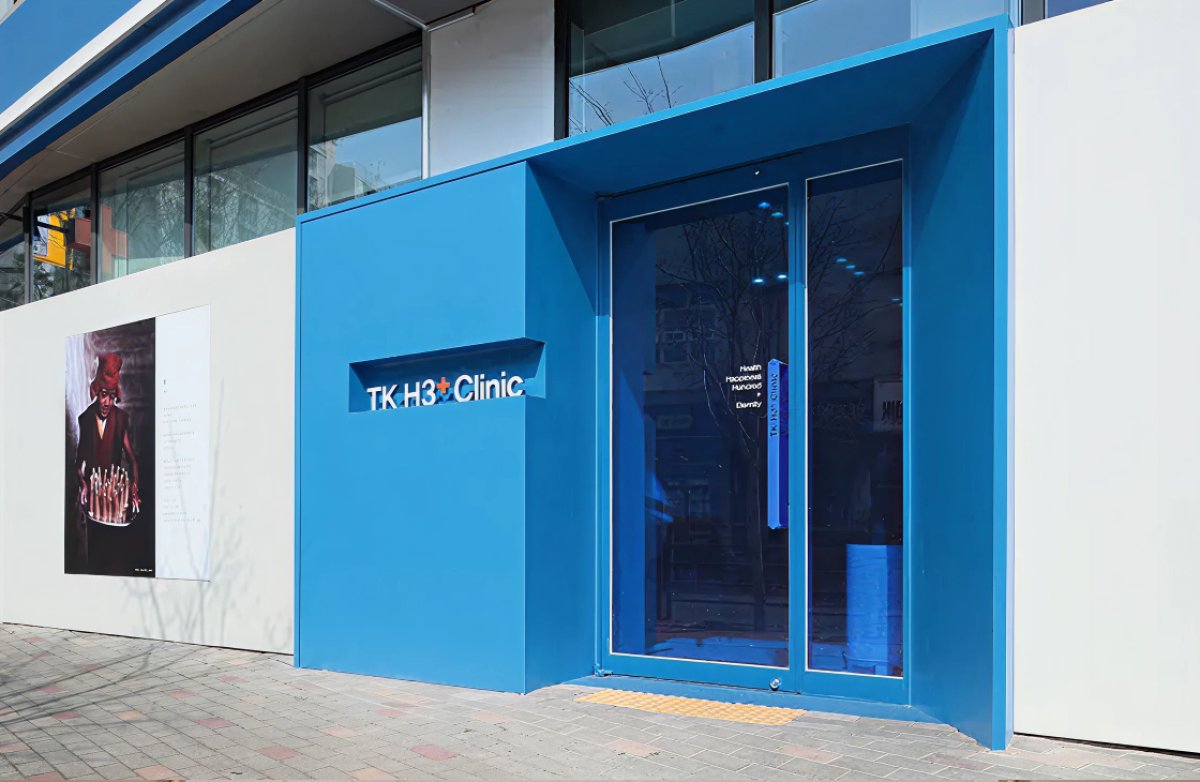
Bundang TK Hospital
Republic of Korea, Seongnam


Medically reviewed by
Fahad Mawlood
Rehabilitation with exoskeleton in the Republic of Korea typically costs from $2,500 to $5,200. Prices depend on the device tier, session duration, and specific mobility goals. In the US, similar programs cost around $15,300 on average. Patients in Korea save approximately 75% compared to US rates. Therapy usually includes robotic gait training and professional progress monitoring.
Bookimed Expert Insight: Choosing specialized centers like Bundang TK Hospital ensures access to surgeons trained at Johns Hopkins. Their expertise in complex joint recovery complements robotic therapy for better outcomes. While regional centers offer lower rates, Seoul-based facilities provide the latest C-ARM and MRI diagnostic integration. This technology is vital for calibrating exoskeleton resistance to your specific muscle recovery needs.
| Republic of Korea | Turkey | Austria | |
|---|---|---|---|
| Rehabilitation with Exoskeleton | ≈ $2,500 | ≈ $1,800 | from $3,000 |
No hidden fees – just official clinic prices. Pay at the clinic for Rehabilitation with Exoskeleton upon arrival and use a flexible installment plan if needed.
Bookimed is committed to your safety. We only work with medical institutions that maintain high international standards in Rehabilitation with Exoskeleton and have the necessary licenses to serve international patients worldwide.
Bookimed offers free expert assistance. A personal medical coordinator supports you before, during, and after your treatment, solving any issues. You're never alone on your Rehabilitation with Exoskeleton journey.

Day 1
Day 2-7
Week 1
Week 2-3
Week 4-6
Week 7
Please note, the timeline and progress can vary for each individual according to their specific health condition and recovery pace.

Dr. Woo Kyung Kwak is an orthopedic surgeon at Leadheal Hospital in Seoul. He specializes in minimally invasive bunion correction using the MICA technique. Dr. Kwak also performs total knee arthroplasty and arthroscopic joint surgery. He completed the FIFA Diploma in Football Medicine for sports injury management.
 Anna Leonova

Today, South Korea has visa-free agreements with 112 states. None visa is required for stays under 90 days or less. To stay longer in this country, you need a visa. What states need a visa for treatment in South Korea and what countries can cross the border free and easy read here.
Healthcare is the key development sector of the Korean government. The Korean authorities are convinced that care for the citizens' health should be an absolute priority of state policy and spend about 1 billion a year for medical tourists attraction.
According to Mark Britnell, hospitals dominate the health system. 94% of hospitals are privately owned.
According to ASPS statistics, 17.7 mln cosmetic surgeries and 5.8 mln reconstructive procedures have been performed in 2018. Among cosmetic procedures the most popular are:
Tumor removal, laceration repair, maxillofacial surgery, scar revision, hand surgery are the most common operations in the context of reconstructive surgery.
Visas for travel to South Korea require a number of documents. The necessary papers can be submitted 90 days before the planned departure. Lists of documents includes:
Currency | South Korean Won (you also can pay for services in dollars) |
Best period for the trip | April, May & June or September, October & November. |
Language | Korean (most of medical staff speaks English fluently) |
Visa | none required for stays under 90 days or less |
Time difference with Europe | 9 hours |
Time difference with the USA | 9 hours |
Capital | Seoul |
Medical tourism center | Seoul |
Popular resorts | Gangwon-do, Gyeongju, Boseong, Jeju |
In South Korea, hotels of different price ranges and service levels are presented. Most tourists choose 4 and 5 star hotels with all-inclusive meals. Such hotels have everything for a comfortable stay: varied food, a large well-groomed territory, animation for children and adults. Some hotels have their own water park, which guests can use for free. Budget travelers can afford to book an economical 3-star hotel with half board or no meals at all.