Heart Transplant in Republic of Korea — Get 3 Top Clinic Matches with Costs

Medically reviewed by
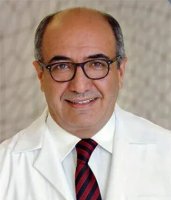
Kamil Yalcin Polat
How Much Does Heart transplant Cost in Republic of Korea?
Heart transplant in the Republic of Korea typically costs from $140,000 to $190,000. Final pricing depends on hospital tier, intensive care duration, and specific post-operative management needs. In the US, similar procedures cost around $800,000 on average. South Korea offers savings of around 79%. Estimates generally include pre-transplant evaluation, surgery, anesthesia, and initial hospitalization stay.
- Hospital tier: Major medical centers in Seoul often carry higher rates than regional hospitals.
- ICU duration: Costs increase significantly if complications require a prolonged stay in intensive care.
- Insurance status: International patients pay full cash rates without local government subsidies.
- Post-operative care: Fees for specialized immunosuppressant medications and follow-up diagnostics are usually billed separately.
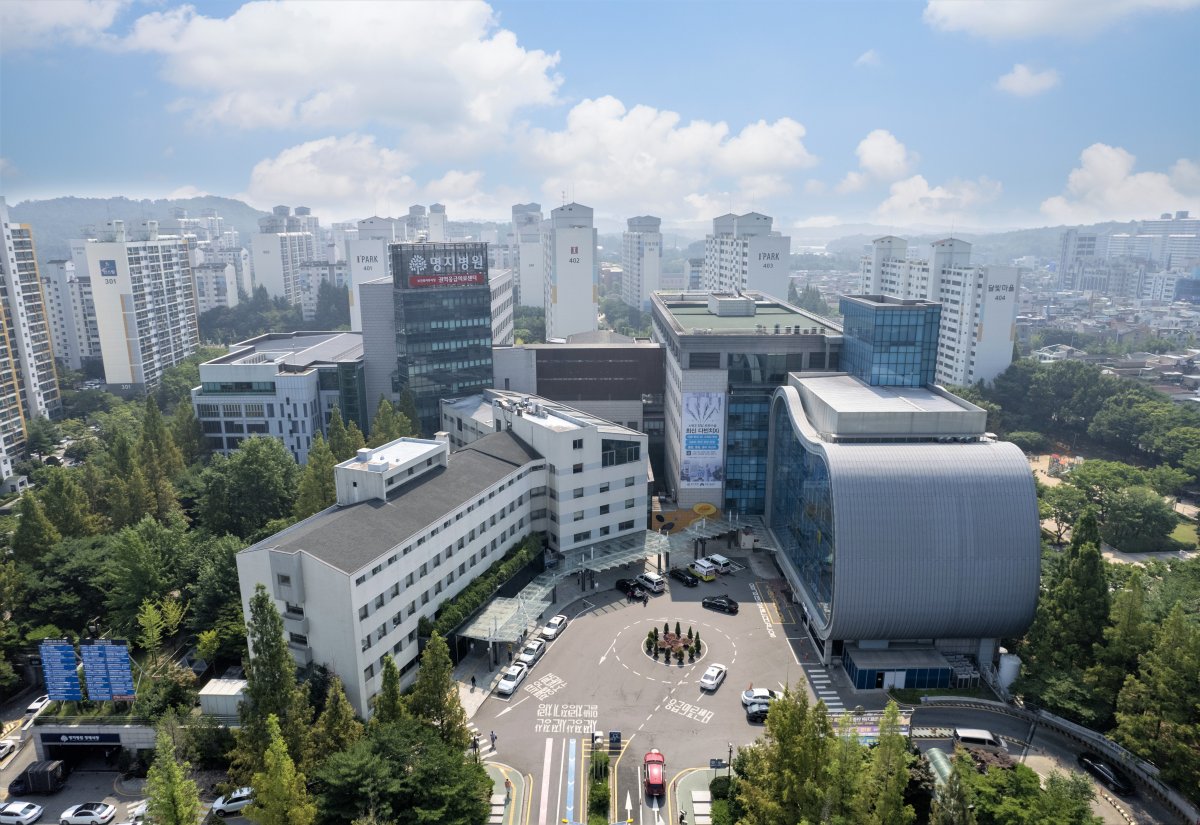
Bookimed Expert Insight: Choosing centers with high surgical volumes like Myongji Hospital offers access to elite expertise. Dr. Kim Ki Bong, a pioneer in advanced cardiac surgery, leads their cardiovascular team. This facility handles 600,000 patients annually and holds South Korean government designation for advanced regenerative medicine. Patients benefit from international healthcare centers providing dedicated interpretation and coordination services for overseas residents.
| Republic of Korea | Turkey | Austria | |
|---|---|---|---|
| Heart transplant | ≈ $140,000 | ≈ $70,000 | ≈ $140,000 |
Your Benefits and Guarantees with Bookimed
Transparent Prices & Flexible Installments
No hidden fees – just official clinic prices. Pay at the clinic for Heart transplant upon arrival and use a flexible installment plan if needed.
Verified Clinics & Doctors Only
Bookimed is committed to your safety. We only work with medical institutions that maintain high international standards in Heart transplant and have the necessary licenses to serve international patients worldwide.
Free 24/7 Assistance
Bookimed offers free expert assistance. A personal medical coordinator supports you before, during, and after your treatment, solving any issues. You're never alone on your Heart transplant journey.

Your personal Bookimed medical coordinator
- Supports you at every stage
- Helps choose the right clinic and doctor
- Ensures quick and convenient access to information
Discover the Best Heart transplant Clinics in Republic of Korea: 1 Verified Option and Prices
Heart transplant Overview in Republic of Korea
Day 1
- Arrive in the country and settle into your accommodation.
- Consultation with a cardiologist about the heart transplant process.
Day 2-7
- Conduct necessary medical tests including blood tests and imaging.
- Meet with other specialists if needed (e.g. pulmonologist, nephrologist).
- Prepare for operation, which includes nutritional planning and psychological support.
Day 8
- Undergo the heart transplant surgery under general anesthesia.
- The operation may last around 4-6 hours.
Day 9 - Week 2
- Recover in the intensive care unit under close monitoring.
- Shift to an individual chamber for further recovery.
- Start mild physiotherapy as part of early rehabilitation.
Week 3 - Week 6
- Continue with rehabilitation which includes moderate exercise and physiotherapy.
- Regular check-ups to monitor heart function and overall health.
Week 7 onwards
- Gradually return to normal activities.
- Can return to work by Week 8 post-operation.
- Final results of the transplant are usually seen by Week 12.
Please note: Each patient"s recovery process is unique and may vary based on individual health conditions and response to the transplant.
- Bookimed deposit: $200 or €200.
- Clinic deposit: Pay a set percentage in advance.
Our Doctors
View all Doctors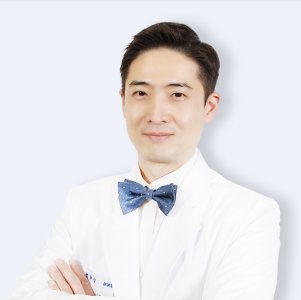
Yang Jae Yeol
Dr. Jeyul Yang, MD, is a Clinical Professor of Neurosurgery and Director of Planning at Myongji Hospital, an educational partner of Hanyang University. His clinical focus includes brain tumors, pediatric neurosurgery (congenital malformations, tumors, disorders, and plagiocephaly), epilepsy surgery, cerebral hemorrhage, hydrocephalus, and neurosurgical trauma.
Credentials: MD, Dong-A University. Master’s in Medicine and completed doctoral coursework, Seoul National University. Training includes an internship and a fellowship at Seoul National University Hospital. He completed his residency at Seoul National University Bundang Hospital and a fellowship at the National Cancer Center.
Accreditations/Achievements: Member of KNS, KSNO, and ISPN. Korean Society for Pediatric Neurosurgery member and Director of Educational Support. Awards include the Woong-Hun Academic Award (2022), Ahae Outstanding Research Award (2019), and JSPN–KSPN Excellent Presentation Award (2018). Selected publications include caudal duplication syndrome (2021), secondary neurulation (JKNS 2021), occult tethered cord syndrome (2021), and disulfiram plus cisplatin in AT/RT (2020).
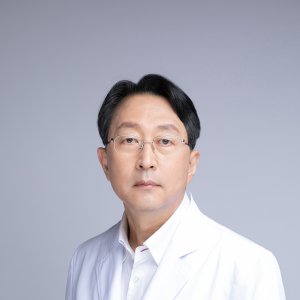
Kim Ki Bong
Professor Kim Ki-bong specializes in CABG, valve surgery, atrial fibrillation, and heart transplantation. He is Director of the Cardiac Surgery and Cardiovascular Centers at Myongji Hospital. He pioneered advanced coronary bypass in Korea. He has extensive OPCAB experience and works on the TECAB team using the da Vinci Xi.
In 2025, his team performed Korea’s first totally endoscopic CABG without cardiopulmonary bypass. In August 2026, they achieved the nation’s first multivessel TECAB.
He is former Chair of Thoracic and Cardiovascular Surgery at Seoul National University College of Medicine. He is also former Chief of the same department at Seoul National University Hospital. He serves on the Editorial Board of The Annals of Thoracic Surgery. He is a member of AATS, STS, and EACTS. He is a past President of the Korean Societies of Coronary Artery Surgery, Surgical Treatment of Arrhythmias, and Thoracic and Cardiovascular Surgery. His research includes 130+ international and 140+ Korean papers. He has given 80+ international and 80+ Korean lectures. He earned his MD, Master’s, and PhD at Seoul National University.
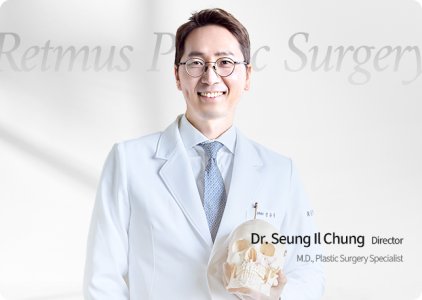
Seung Il Chung
Video Stories from Bookimed Patients
Share this content
 Anna Leonova
FAQ about Heart transplant in Republic of Korea
Do I need a visa to South Korea?
Today, South Korea has visa-free agreements with 112 states. None visa is required for stays under 90 days or less. To stay longer in this country, you need a visa. What states need a visa for treatment in South Korea and what countries can cross the border free and easy read here.
What is the level of medicine in South Korea?
Healthcare is the key development sector of the Korean government. The Korean authorities are convinced that care for the citizens' health should be an absolute priority of state policy and spend about 1 billion a year for medical tourists attraction.
According to Mark Britnell, hospitals dominate the health system. 94% of hospitals are privately owned.
What are the most popular plastic surgery procedures?
According to ASPS statistics, 17.7 mln cosmetic surgeries and 5.8 mln reconstructive procedures have been performed in 2018. Among cosmetic procedures the most popular are:
- breast augmentation
- liposuction
- rhinoplasty (nose job)
- eyelid surgery
- tummy tuck.
Tumor removal, laceration repair, maxillofacial surgery, scar revision, hand surgery are the most common operations in the context of reconstructive surgery.
What documents are required to apply for a visa to South Korea for treatment?
Visas for travel to South Korea require a number of documents. The necessary papers can be submitted 90 days before the planned departure. Lists of documents includes:
- ID card
- confirmation of online registration and filling out the questionnaire
- certificate of income and availability of funds
- insurance policy for a stay in South Korea (original and copy)
- 2 photos (5x6)
- visa receipt
- booking of flight and hotel
- medical opinion about the need for treatment.
What should you know about South Korea before the trip?
Currency | South Korean Won (you also can pay for services in dollars) |
Best period for the trip | April, May & June or September, October & November. |
Language | Korean (most of medical staff speaks English fluently) |
Visa | none required for stays under 90 days or less |
Time difference with Europe | 9 hours |
Time difference with the USA | 9 hours |
Capital | Seoul |
Medical tourism center | Seoul |
Popular resorts | Gangwon-do, Gyeongju, Boseong, Jeju |
What hotel services are provided here?
In South Korea, hotels of different price ranges and service levels are presented. Most tourists choose 4 and 5 star hotels with all-inclusive meals. Such hotels have everything for a comfortable stay: varied food, a large well-groomed territory, animation for children and adults. Some hotels have their own water park, which guests can use for free. Budget travelers can afford to book an economical 3-star hotel with half board or no meals at all.