Bundang TK Hospital
Republic of Korea, Seongnam


Medically reviewed by
Fahad Mawlood
Inpatient rehabilitation in Republic of Korea typically costs from $6,500 to $11,000. Final prices depend on therapy intensity, facility tier, and the length of stay. Patients save around 70% compared to the US, where costs average $29,000. Standard programs include specialized nursing, intensive physical therapy, and room board in medical hubs like Seoul and Seongnam.
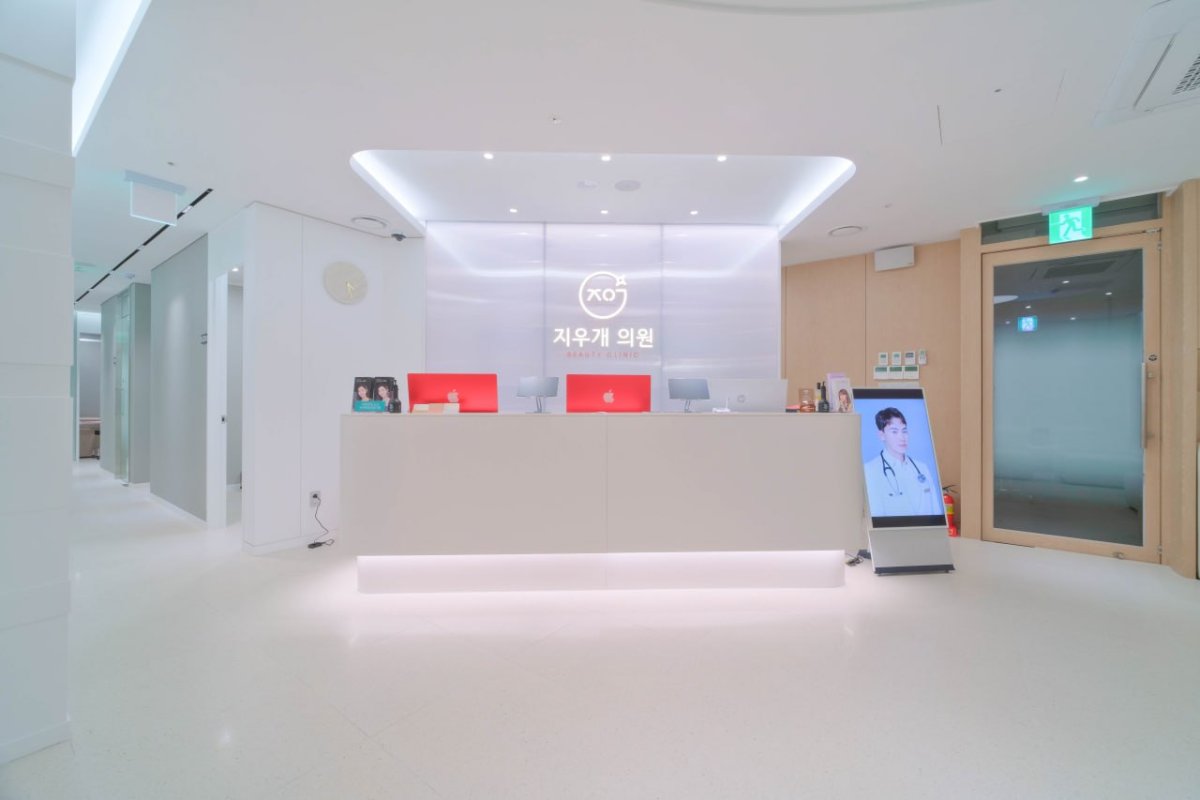
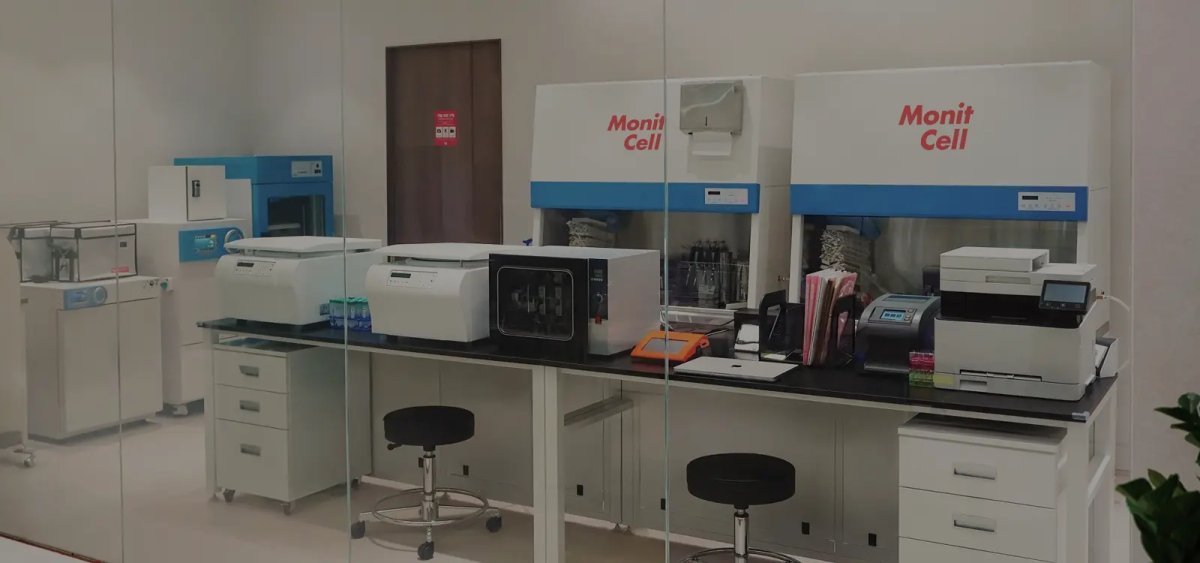
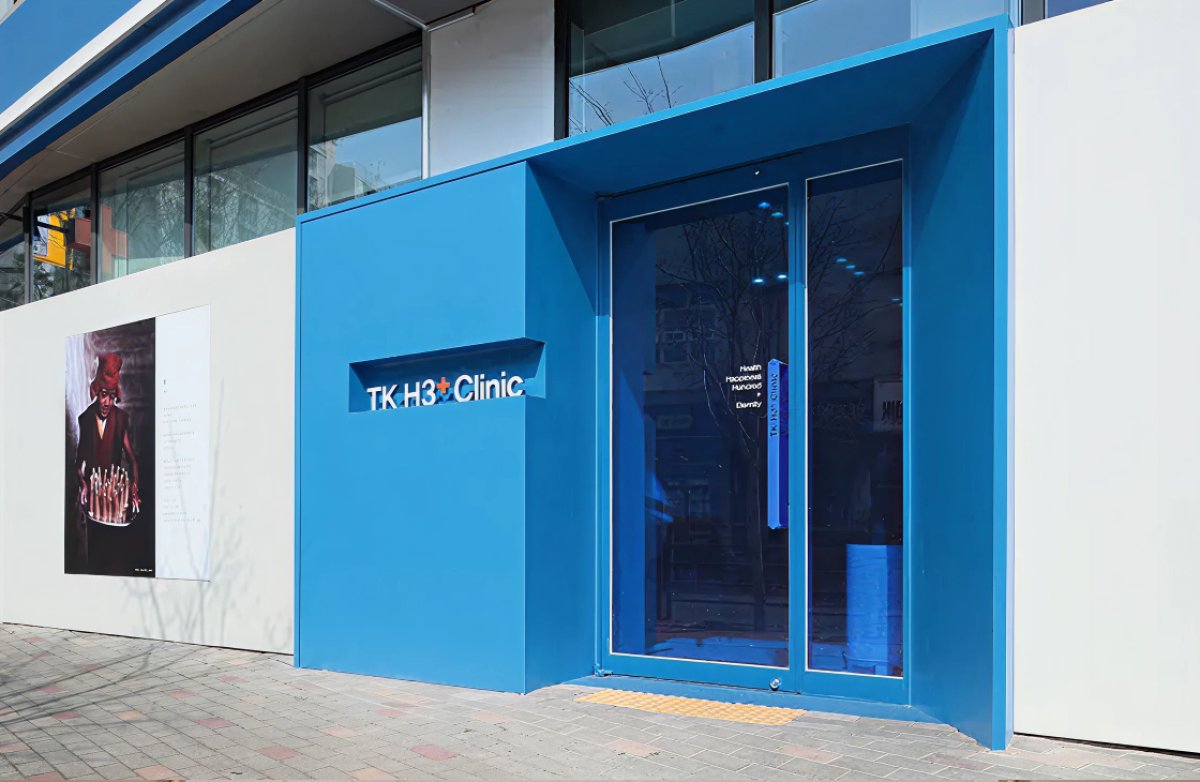
Bookimed Expert Insight: Choosing specialized hospitals in Seongnam offers exceptional value for orthopedic recovery. Bundang TK Hospital, for example, features a 51-bed specialized recovery ward. Their medical team includes experts trained at Johns Hopkins School of Medicine. With over 16,000 knee surgeries performed, their focus ensures high surgical success rates. Comprehensive recovery programs here typically start around $100,200 for long-term specialized care. This model provides university-level expertise without the higher costs of Seoul central hubs.
| Republic of Korea | Turkey | Austria | |
|---|---|---|---|
| Inpatient rehabilitation | ≈ $6,500 | from $490 | from $3,000 |
No hidden fees – just official clinic prices. Pay at the clinic for Inpatient rehabilitation upon arrival and use a flexible installment plan if needed.
Bookimed is committed to your safety. We only work with medical institutions that maintain high international standards in Inpatient rehabilitation and have the necessary licenses to serve international patients worldwide.
Bookimed offers free expert assistance. A personal medical coordinator supports you before, during, and after your treatment, solving any issues. You're never alone on your Inpatient rehabilitation journey.

Day 1
Day 2
Week 1
Week 2-3
Week 4
Post-operation and Rehabilitation
Please note, the timeline and process may vary depending on individual health conditions and progress.
 Anna Leonova

Today, South Korea has visa-free agreements with 112 states. None visa is required for stays under 90 days or less. To stay longer in this country, you need a visa. What states need a visa for treatment in South Korea and what countries can cross the border free and easy read here.
Healthcare is the key development sector of the Korean government. The Korean authorities are convinced that care for the citizens' health should be an absolute priority of state policy and spend about 1 billion a year for medical tourists attraction.
According to Mark Britnell, hospitals dominate the health system. 94% of hospitals are privately owned.
According to ASPS statistics, 17.7 mln cosmetic surgeries and 5.8 mln reconstructive procedures have been performed in 2018. Among cosmetic procedures the most popular are:
Tumor removal, laceration repair, maxillofacial surgery, scar revision, hand surgery are the most common operations in the context of reconstructive surgery.
Visas for travel to South Korea require a number of documents. The necessary papers can be submitted 90 days before the planned departure. Lists of documents includes:
Currency | South Korean Won (you also can pay for services in dollars) |
Best period for the trip | April, May & June or September, October & November. |
Language | Korean (most of medical staff speaks English fluently) |
Visa | none required for stays under 90 days or less |
Time difference with Europe | 9 hours |
Time difference with the USA | 9 hours |
Capital | Seoul |
Medical tourism center | Seoul |
Popular resorts | Gangwon-do, Gyeongju, Boseong, Jeju |
In South Korea, hotels of different price ranges and service levels are presented. Most tourists choose 4 and 5 star hotels with all-inclusive meals. Such hotels have everything for a comfortable stay: varied food, a large well-groomed territory, animation for children and adults. Some hotels have their own water park, which guests can use for free. Budget travelers can afford to book an economical 3-star hotel with half board or no meals at all.