Radiotherapy for Uterine Cancer in Republic of Korea — Get 3 Top Clinic Matches with Costs
Radiotherapy for uterine cancer in the Republic of Korea costs $10,000 to $19,000, compared with about $31,000 in the US (Bookimed data, November 2026). It is offered by Severance Hospital, a JCI-accredited and KOIHA-accredited clinic in Seoul. The clinic is rated 4.5/5 in 43 verified patient reviews on Bookimed.

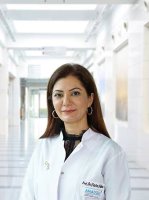
Medically reviewed by
Yesim Yildirim
How Much Does Radiotherapy for uterine cancer Cost in Republic of Korea?
Radiotherapy for uterine cancer in the Republic of Korea typically costs from $10,000 to $19,000. The final price depends on the specific radiation technique, total sessions required, and the medical center tier. In the US, this procedure costs $31,000 on average. Most international patient packages include oncologist consultations, treatment planning, and 24/7 interpretation services.
- Radiation technique. Advanced protocols like IMRT or IGRT typically add 20–30% to the cost.
- Treatment location. Major medical hubs include Seoul and Goyang.
- Preliminary diagnostics. Initial pelvic MRIs and specialized oncologist consultations are often billed separately.
- Hospital tier. University-affiliated centers in Seoul often have higher administrative fees for international patients.
Bookimed Expert Insight. Top-tier centers like Severance Hospital and SNUH offer survival rates that rival or exceed US averages. Severance Hospital partners with MD Anderson and Johns Hopkins for oncology protocols. At Severance, radiotherapy packages for international patients typically range from $10,000 to $22,000. Choosing a JCI-accredited facility ensures international safety standards are met during complex radiation planning.
| Republic of Korea | Turkey | Austria | |
|---|---|---|---|
| Radiotherapy for uterine cancer | from $10,000 | from $6,000 | from $6,600 |
Your Benefits and Guarantees with Bookimed
Transparent Prices & Flexible Installments
No hidden fees – just official clinic prices. Pay at the clinic for Radiotherapy for uterine cancer upon arrival and use a flexible installment plan if needed.
Verified Clinics & Doctors Only
Bookimed is committed to your safety. We only work with medical institutions that maintain high international standards in Radiotherapy for uterine cancer and have the necessary licenses to serve international patients worldwide.
Free 24/7 Assistance
Bookimed offers free expert assistance. A personal medical coordinator supports you before, during, and after your treatment, solving any issues. You're never alone on your Radiotherapy for uterine cancer journey.

Your personal Bookimed medical coordinator
- Supports you at every stage
- Helps choose the right clinic and doctor
- Ensures quick and convenient access to information
Discover the Best Radiotherapy for uterine cancer Clinics in Republic of Korea: 6 Verified Options and Prices
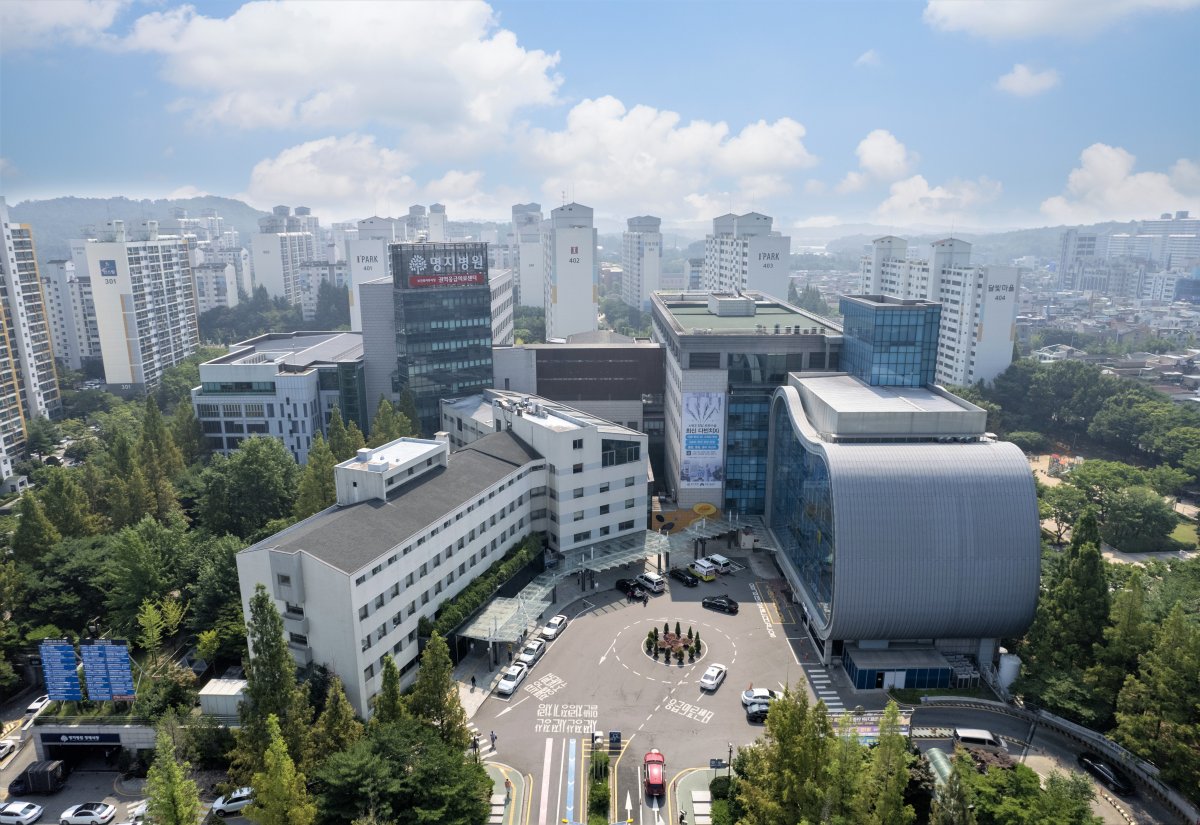


Ewha Womans University Medical Center
Paik Nam-sun













Radiotherapy for uterine cancer Overview in Republic of Korea
- Radiotherapy - from $8,000This therapy uses high-energy waves to destroy cancer cells, providing a non-surgical treatment with few side effects.
- Radiosurgery of a brain tumor - from $15,000This therapy selectively targets brain tumors, using precise radiation to eliminate cells while sparing surrounding tissue.
- Radiation therapy for brain tumor - from $15,000This therapy aims to destroy brain tumors using high-energy rays, reducing symptoms and improving survival rates.
- Radiotherapy for prostate cancer - from $12,000This therapy targets prostate tumors with radiation, annihilating cancer cells while preserving healthy tissue.
- Radiotherapy for lung cancer - from $10,000This therapy aims to kill cancer cells in the lungs using high-energy x-rays.
- Radiotherapy for breast cancer - from $15,000This therapy aims to eliminate cancer cells in the breast using controlled radiation.
- Radiotherapy for uterine cancer - from $10,000This therapy targets damaging uterine cancer cells, involving multiple sessions of radiation, often resulting in high success rates.
- Radiotherapy for cervical cancer - from $10,000A non-invasive procedure uses high-energy beams to destroy cervical cancer cells.
Day 1
- Arrive at the medical facility.
- Consult with oncologist and radiologist.
- Undergo medical tests including blood tests and imaging scans.
Day 2
- Receive results from medical tests.
- Discuss treatment plan with specialists.
- Understand the process of Radiotherapy.
Day 3 - Day 5
- Start the Radiotherapy sessions.
- Each session lasts for 1-2 hours without anesthesia.
- Experience minor discomfort during the treatment.
- Sessions are usually daily, excluding weekends.
Day 6
- Rest day, no Radiotherapy sessions.
- Monitor any side effects and report to the medical team.
Week 2 - Week 6
- Continuation of daily Radiotherapy sessions.
- Regular monitoring of side effects.
- Adjustments to treatment plan if needed.
Week 7
- End of Radiotherapy sessions.
- Post-treatment consultation with specialists.
- Plan for follow-up appointments.
Week 8 - Week 10
- Period of recovery and rest at home.
- Gradual return to daily activities.
- Regular follow-up appointments for monitoring.
Week 11
- Return to work, depending on individual recovery.
- Continue follow-up appointments.
- See the final result of the treatment.
Please note that each patient"s case is unique, and timelines may vary based on individual health conditions and response to treatment.
- Bookimed deposit: $200 or €200.
- Clinic deposit: Pay a set percentage in advance.
Our Doctors
View all Doctors
Choi Du Kho
Dr. Choi Du Kho specializes in cardiac surgery with of experience, including robot-assisted heart surgery at Samsung Medical Center.
- Expert in heart transplantation and coronary artery surgery
- Skilled in valve repair and replacement procedures
- Trained at University of California, San Diego and University of North Carolina, Chapel Hill
Paik Nam-sun
Dr. Paik Nam-sun is a surgical oncologist at Ewha Womans University Medical Center in Seoul. He is recognized as one of the world's top 100 gastric and breast cancer surgeons. He performed the first breast-conserving surgery in South Korea. Dr. Paik also invented a proprietary stomach cancer technique to reduce reflux disease risk.
- Director of the Cancer Center for Women at Ewha Womans University Medical Center.
- Former President of Konkuk University Hospital.
- Served as the Director of the Korea Cancer Center Hospital.
- Former President of the Korean Society of Cancer Prevention.

Lee, Han-Byoel
The doctor is an expert in oncoplastic surgery and breast cancer, with extensive experience from prestigious institutions. The doctor holds an M.D. degree from Seoul National University College of Medicine and an M.S. degree in Surgery from the same institution. Additionally, the doctor earned a B.S. in biological sciences from the Korea Advanced Institute of Science and Technology (KAIST) and a Ph.D. in Surgery from Seoul National University Graduate School.
Video Stories from Bookimed Patients
Reviews about Bookimed: Discover Patients' Insights
All reviewsShare this content
 Anna Leonova
FAQ about Radiotherapy for uterine cancer in Republic of Korea
Do I need a visa to South Korea?
Today, South Korea has visa-free agreements with 112 states. None visa is required for stays under 90 days or less. To stay longer in this country, you need a visa. What states need a visa for treatment in South Korea and what countries can cross the border free and easy read here.
What is the level of medicine in South Korea?
Healthcare is the key development sector of the Korean government. The Korean authorities are convinced that care for the citizens' health should be an absolute priority of state policy and spend about 1 billion a year for medical tourists attraction.
According to Mark Britnell, hospitals dominate the health system. 94% of hospitals are privately owned.
What are the most popular plastic surgery procedures?
According to ASPS statistics, 17.7 mln cosmetic surgeries and 5.8 mln reconstructive procedures have been performed in 2018. Among cosmetic procedures the most popular are:
- breast augmentation
- liposuction
- rhinoplasty (nose job)
- eyelid surgery
- tummy tuck.
Tumor removal, laceration repair, maxillofacial surgery, scar revision, hand surgery are the most common operations in the context of reconstructive surgery.
What documents are required to apply for a visa to South Korea for treatment?
Visas for travel to South Korea require a number of documents. The necessary papers can be submitted 90 days before the planned departure. Lists of documents includes:
- ID card
- confirmation of online registration and filling out the questionnaire
- certificate of income and availability of funds
- insurance policy for a stay in South Korea (original and copy)
- 2 photos (5x6)
- visa receipt
- booking of flight and hotel
- medical opinion about the need for treatment.
What should you know about South Korea before the trip?
Currency | South Korean Won (you also can pay for services in dollars) |
Best period for the trip | April, May & June or September, October & November. |
Language | Korean (most of medical staff speaks English fluently) |
Visa | none required for stays under 90 days or less |
Time difference with Europe | 9 hours |
Time difference with the USA | 9 hours |
Capital | Seoul |
Medical tourism center | Seoul |
Popular resorts | Gangwon-do, Gyeongju, Boseong, Jeju |
What hotel services are provided here?
In South Korea, hotels of different price ranges and service levels are presented. Most tourists choose 4 and 5 star hotels with all-inclusive meals. Such hotels have everything for a comfortable stay: varied food, a large well-groomed territory, animation for children and adults. Some hotels have their own water park, which guests can use for free. Budget travelers can afford to book an economical 3-star hotel with half board or no meals at all.