Bladder removal in Republic of Korea — get 3 personalized clinic matches
Bookimed lists 8 bladder removal clinics in the Republic of Korea, in Seoul and Goyang, including KOIHA-accredited and ISO-certified clinics. These clinics are rated 4.6/5 in 94 verified patient reviews on Bookimed.


Medically reviewed by
Yesim Yildirim
How it works
How Much Does Bladder removal Cost in Republic of Korea?
Bladder removal in the Republic of Korea typically costs from $22,000 to $34,000. The final price depends on the surgical technique, hospital tier, and necessity for urinary diversion reconstruction. In the US, similar procedures cost around $72,500 on average. Patients save around 61% in South Korea, where the price usually includes the surgery, anesthesia, and initial hospital stay.
- Robotic-assisted surgery: Typically adds 20-30% to the total cost compared to standard open surgery.
- Urinary reconstruction: Combined procedures with neobladder formation or ileal conduit increase surgical time and fees.
- Hospital location: Major medical hubs in Seoul and Seongnam are the primary destinations for this surgery.
- Diagnostic requirements: Pre-operative PET/CT scans and specialist consultations represent additional costs to factor into the budget.
Bookimed Expert Insight: Choosing a digitalized facility like Seoul National University Bundang Hospital or Severance Hospital offers exceptional value. These centers use the Da Vinci surgical system and AI-integrated systems to minimize errors. Asan Medical Center performs over 65,000 operations annually with high success rates. Patients receive world-class care at JCI-accredited facilities for roughly half the cost of US private hospitals.
| Republic of Korea | Turkey | Austria | |
|---|---|---|---|
| Bladder removal | ≈ $22,000 | from $8,500 | ≈ $24,000 |
| Transurethral resection of the bladder | ≈ $3,800 | from $3,900 | ≈ $4,800 |
| Bladder removal with reconstruction | ≈ $24,000 | from $15,000 | ≈ $32,000 |
Discover the Best Bladder removal Clinics in Republic of Korea: 8 Verified Options and Prices
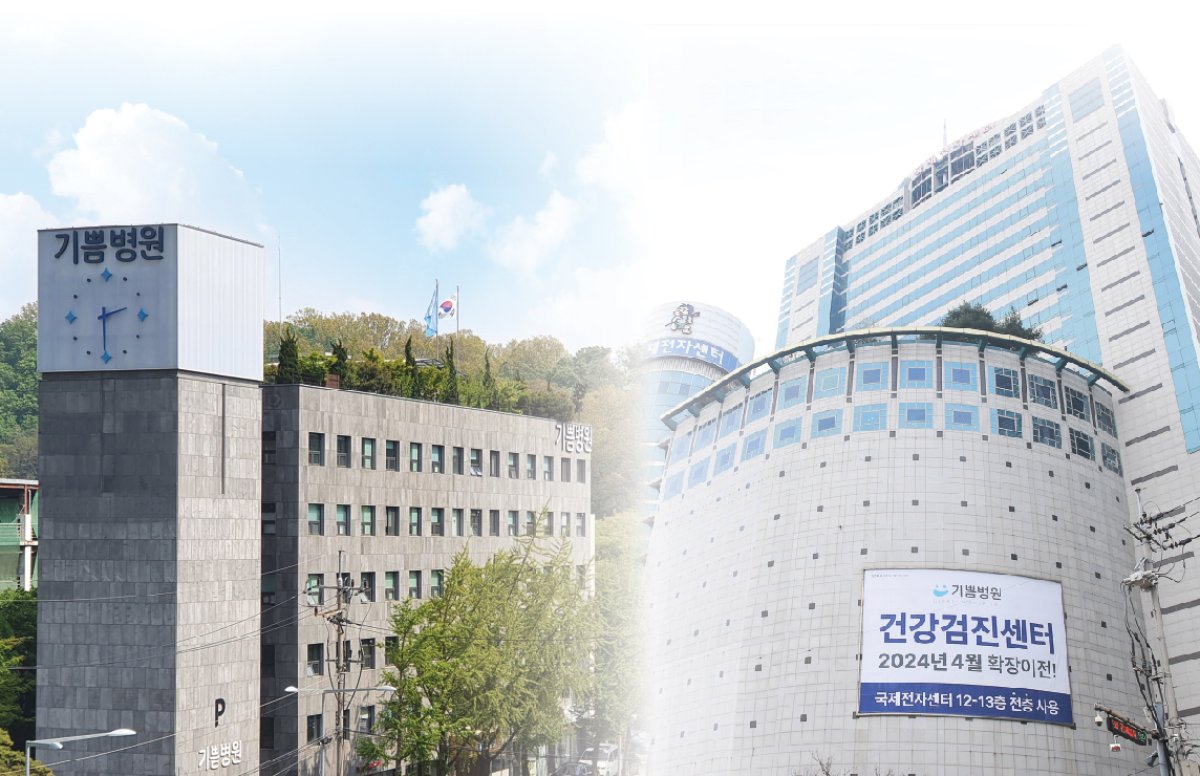




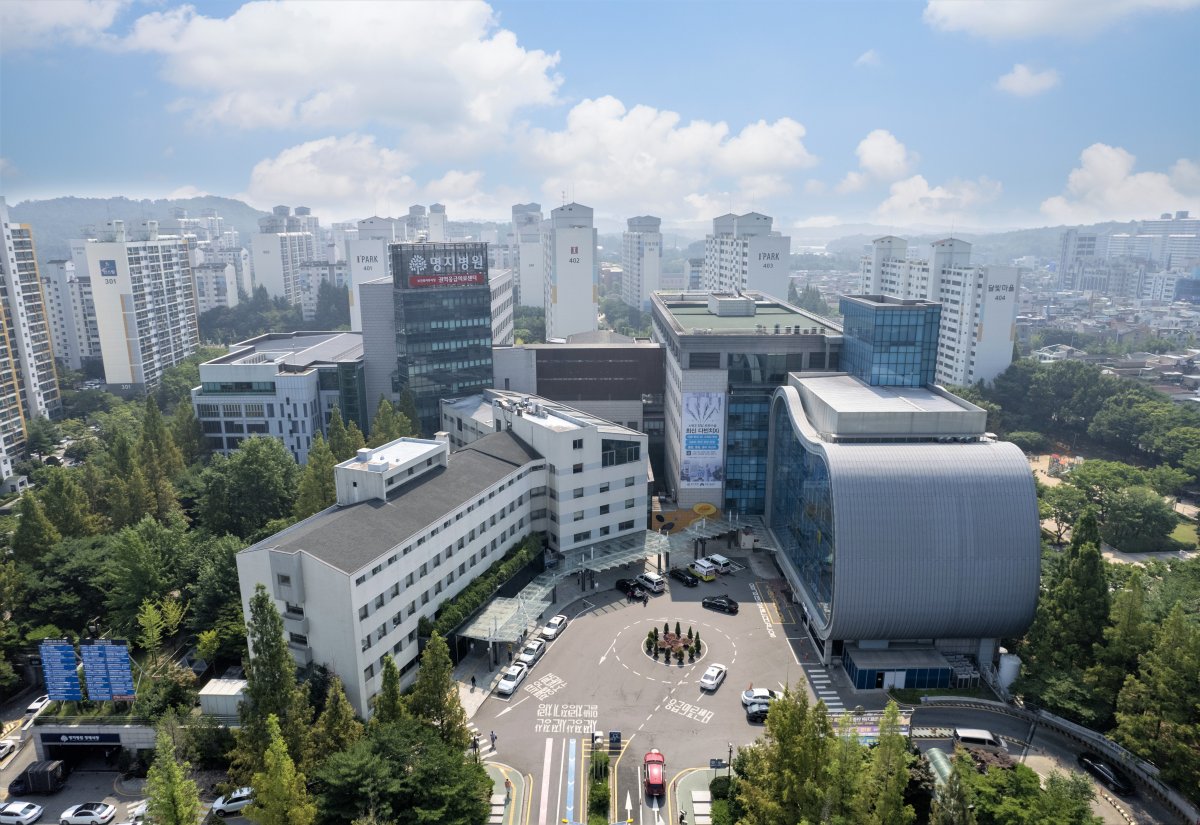


Ewha Womans University Medical Center
Paik Nam-sun













Bladder removal Overview in Republic of Korea
Day 1
- Arrival and registration at the hospital.
- Consultation with a urologist.
- Preoperative blood and urine tests conducted.
- CT scan or Ultrasound if needed.
Day 2
- Consultation with the anesthesiologist.
- Final preoperative briefing with the surgeon.
Day 3
- Undergoing bladder removal surgery, typically lasts 3-6 hours.
- General anesthesia is administered.
- Post-operative recovery in the intensive care unit.
Day 4 - Day 10
- Monitoring of the patient"s recovery in the hospital.
- Start of light physical activity under supervision.
- Implementation of a catheter for urine drainage.
Week 2 - Week 4
- Discharge from the hospital.
- Regular follow-up appointments with the urologist.
- Continuation of light physical activity.
Week 5 - Week 8
- Gradual return to daily activities, excluding strenuous physical work.
- Continued follow-up appointments with the urologist.
Week 9 - Week 12
- Return to work, depending on the job nature.
- Gradual reintroduction of sports and strenuous activities.
After 3 months
- See the final result and full return to regular activities.
Please note that the recovery timeline may vary depending on individual circumstances and overall health condition.
What patients like:
- Cost.The Bladder removal cost in Republic of Korea ranges from $22,000 to $34,000. This price is notably lower compared to the average cost of Bladder removal in countries such as the United States where it can reach up to $15000.
- Doctor’s professionalism.. Patients appreciate the high level of professionalism demonstrated by the Korean doctors. They are well-trained, certified, and have a proven track record of successful Bladder removal procedures.
- Service level. Patients commend the excellent service level in Korean healthcare facilities. The staff is known for their genuine care, prompt response, and supportive nature.
- Bladder removal efficacy. The use of modern techniques in Bladder removal procedures in Korea leads to high efficacy rates. Patients report quick recovery and minimal complications.
- Logistics. Patients value the well-organized logistics in Korea. From admission to discharge, the process is seamless, reducing stress and enhancing their comfort.
What patients don't like:
- Patients may find the language barrier challenging. Although translators are provided, communication might not always be smooth.
- Some patients express concerns about the post-operative follow-up system, which could be more comprehensive and personalized.
- Patients may experience longer waiting times due to the high demand for these procedures in Korea.
- Bookimed deposit: $200 or €200.
- Clinic deposit: Pay a set percentage in advance.
Our Doctors
View all Doctors
Hyun Moo Lee
Prof. Hyun Moo Lee specializes in surgeries for diseases of the liver, gall bladder, bile duct, and pancreas with of experience.
- Member of multiple surgical societies including the Korean Surgical Society and the Asian Pacific Hepato-Pancreato-Biliary Association
- Completed MD and Doctor's degree from Seoul National University
- Received awards for research in HBP surgery
- Published papers on gallbladder cancer and pediatric cholecystectomy
Paik Nam-sun
Dr. Paik Nam-sun is a surgical oncologist at Ewha Womans University Medical Center in Seoul. He is recognized as one of the world's top 100 gastric and breast cancer surgeons. He performed the first breast-conserving surgery in South Korea. Dr. Paik also invented a proprietary stomach cancer technique to reduce reflux disease risk.
- Director of the Cancer Center for Women at Ewha Womans University Medical Center.
- Former President of Konkuk University Hospital.
- Served as the Director of the Korea Cancer Center Hospital.
- Former President of the Korean Society of Cancer Prevention.

Koon Ho Rha
Dr. Koon Ho Rha is a urologist and oncosurgeon at Severance Hospital in Seoul. He performs laparoscopic and robotic surgeries for prostate, bladder, and kidney cancer, including robotic da Vinci prostatectomies and nephrectomies. Severance Hospital is a JCI-accredited facility that treats 4 million patients annually and is ranked among the World's Best Smart Hospitals by Newsweek.

Seong Soo Jeon
Dr. Seong Soo Jeon is the Head of the Urology Department at Samsung Medical Center. He specializes in the treatment of prostate, kidney, and bladder cancer. Dr. Jeon uses robotic and laparoscopic techniques to preserve potency and urinary function. He earned his medical degree from Seoul National University.
- Directs the Genitourinary Cancer Treatment Center at Samsung Medical Center.
- Performs minimally invasive procedures to ensure faster patient recovery.
- Practices at a clinic ranked among the World's Best Smart Hospitals by Newsweek.
- Holds a doctoral degree in medicine from Chungbuk National University.
Video Stories from Bookimed Patients
Reviews about Bookimed: Discover Patients' Insights
All reviewsShare this content
 Anna Leonova

FAQ about Bladder removal in Republic of Korea
Do I need a visa to South Korea?
Today, South Korea has visa-free agreements with 112 states. None visa is required for stays under 90 days or less. To stay longer in this country, you need a visa. What states need a visa for treatment in South Korea and what countries can cross the border free and easy read here.
What is the level of medicine in South Korea?
Healthcare is the key development sector of the Korean government. The Korean authorities are convinced that care for the citizens' health should be an absolute priority of state policy and spend about 1 billion a year for medical tourists attraction.
According to Mark Britnell, hospitals dominate the health system. 94% of hospitals are privately owned.
What are the most popular plastic surgery procedures?
According to ASPS statistics, 17.7 mln cosmetic surgeries and 5.8 mln reconstructive procedures have been performed in 2018. Among cosmetic procedures the most popular are:
- breast augmentation
- liposuction
- rhinoplasty (nose job)
- eyelid surgery
- tummy tuck.
Tumor removal, laceration repair, maxillofacial surgery, scar revision, hand surgery are the most common operations in the context of reconstructive surgery.
What documents are required to apply for a visa to South Korea for treatment?
Visas for travel to South Korea require a number of documents. The necessary papers can be submitted 90 days before the planned departure. Lists of documents includes:
- ID card
- confirmation of online registration and filling out the questionnaire
- certificate of income and availability of funds
- insurance policy for a stay in South Korea (original and copy)
- 2 photos (5x6)
- visa receipt
- booking of flight and hotel
- medical opinion about the need for treatment.
What should you know about South Korea before the trip?
Currency | South Korean Won (you also can pay for services in dollars) |
Best period for the trip | April, May & June or September, October & November. |
Language | Korean (most of medical staff speaks English fluently) |
Visa | none required for stays under 90 days or less |
Time difference with Europe | 9 hours |
Time difference with the USA | 9 hours |
Capital | Seoul |
Medical tourism center | Seoul |
Popular resorts | Gangwon-do, Gyeongju, Boseong, Jeju |
What hotel services are provided here?
In South Korea, hotels of different price ranges and service levels are presented. Most tourists choose 4 and 5 star hotels with all-inclusive meals. Such hotels have everything for a comfortable stay: varied food, a large well-groomed territory, animation for children and adults. Some hotels have their own water park, which guests can use for free. Budget travelers can afford to book an economical 3-star hotel with half board or no meals at all.