
To homepage
1M+ patient inquiries
32+ countries
1,700+ partner clinics
13,000+ certified doctors

How Much Does Thyroid function tests (including T3, T4, TSH) Cost in Republic of Korea?

In Korea, thyroid function tests including T3, T4, and TSH cost from $60 to $100. Final costs depend on insurance status, test scope, clinic setting, and screening package inclusions. Bookimed-listed providers are in Seoul, Goyang, and Incheon.

  • Insurance status: NHIS-covered testing can cost less than self-pay testing, according to local pricing guidance.
  • Test scope: A single TSH marker generally costs less than TSH, T3, T4, and antibody panels.
  • Screening packages: Thyroid tests bundled with ultrasound or broader health checks can raise the total package cost.
  • Clinic setting: Private international care may cost more than NHIS-covered local testing. Self-pay patients pay commercial rates.

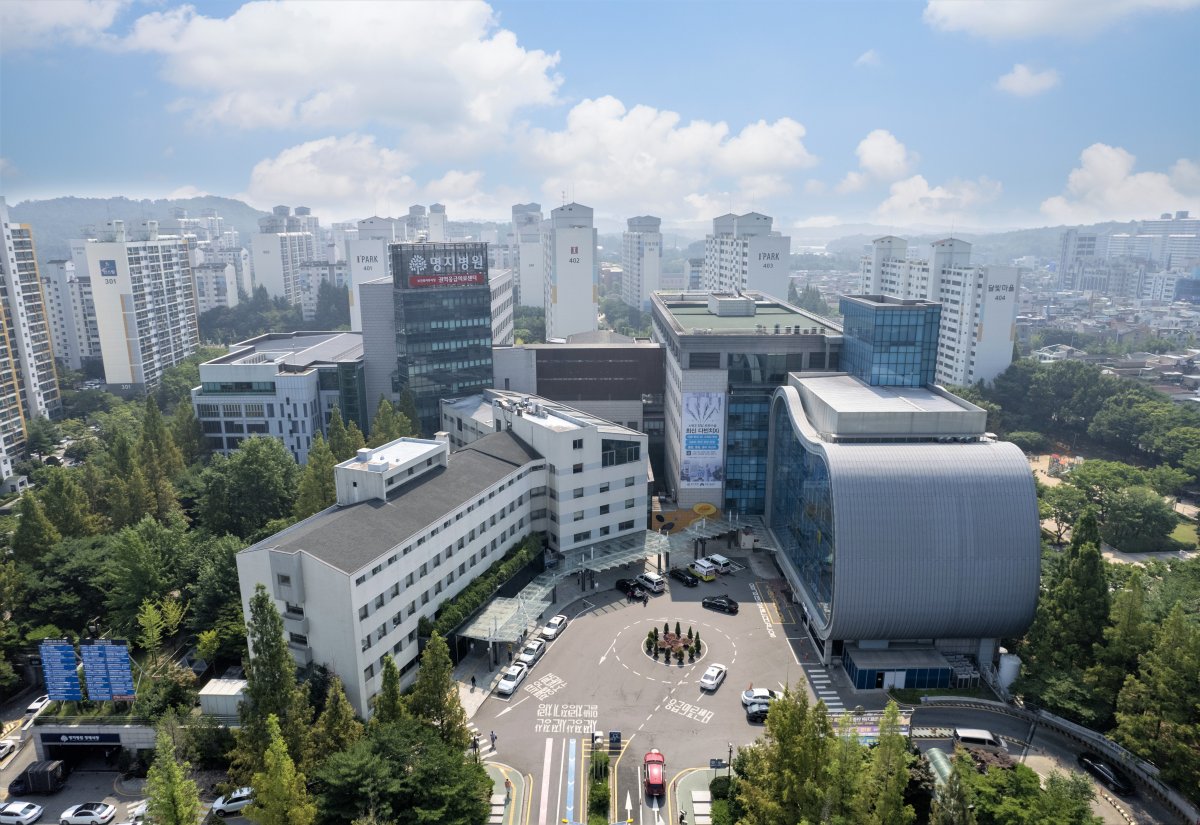
Bookimed Expert Insight: Bundled screening can make sense when thyroid testing comes alongside other health checks. At Seoul Miz Hospital, a women's check-up is around $400. It bundles thyroid and reproductive tests, an AMH test, a VIP room, and translation. This package suits patients seeking those services together, not a standalone thyroid panel. For thyroid-focused assessment, Myongji Hospital lists a dedicated Thyroid Center and endocrinology services. Patients can compare requested blood markers with package inclusions before booking.

Republic of KoreaTurkeyAustria
Thyroid function tests (including T3, T4, TSH)≈ $60from $40≈ $60

Your Benefits and Guarantees with Bookimed

Transparent Prices & Flexible Installments

No hidden fees – just official clinic prices. Pay at the clinic for Thyroid function tests (including T3, T4, TSH) upon arrival and use a flexible installment plan if needed.

Verified Clinics & Doctors Only

Bookimed is committed to your safety. We only work with medical institutions that maintain high international standards in Thyroid function tests (including T3, T4, TSH) and have the necessary licenses to serve international patients worldwide.

Free 24/7 Assistance

Bookimed offers free expert assistance. A personal medical coordinator supports you before, during, and after your treatment, solving any issues. You're never alone on your Thyroid function tests (including T3, T4, TSH) journey.

assistant avatar
Why we?

Your personal Bookimed medical coordinator

  • Supports you at every stage
  • Helps choose the right clinic and doctor
  • Ensures quick and convenient access to information

Thyroid function tests (including T3, T4, TSH) Packages in Republic of Korea — November 2026

Republic of Korea, Seoul

Yeoun E Park

37 years of experience
Yeoun E Park

Seoul Miz Hospital is a private women's health center in Seoul treating 200,000 patients each year. Its main specialties include obstetrics, gynecology, aesthetic medicine, and mammology. The hospital uses a Da Vinci surgical system for minimally invasive procedures.

  • Performed over 10,000 treatments for ovarian cysts and uterine fibroids.
  • Completed more than 5,000 incontinence surgeries using the TOT method.
  • A new 16-story building opened in September, housing an International Patient Center.
  • Houses specialized centers: Gynecological Disease Center, Uterine Fibroid/Ovarian Cyst Center, and Infertility Center.
  • An upcoming Stem Cell Regenerative Medicine Center will focus on reproductive health and gynecology.
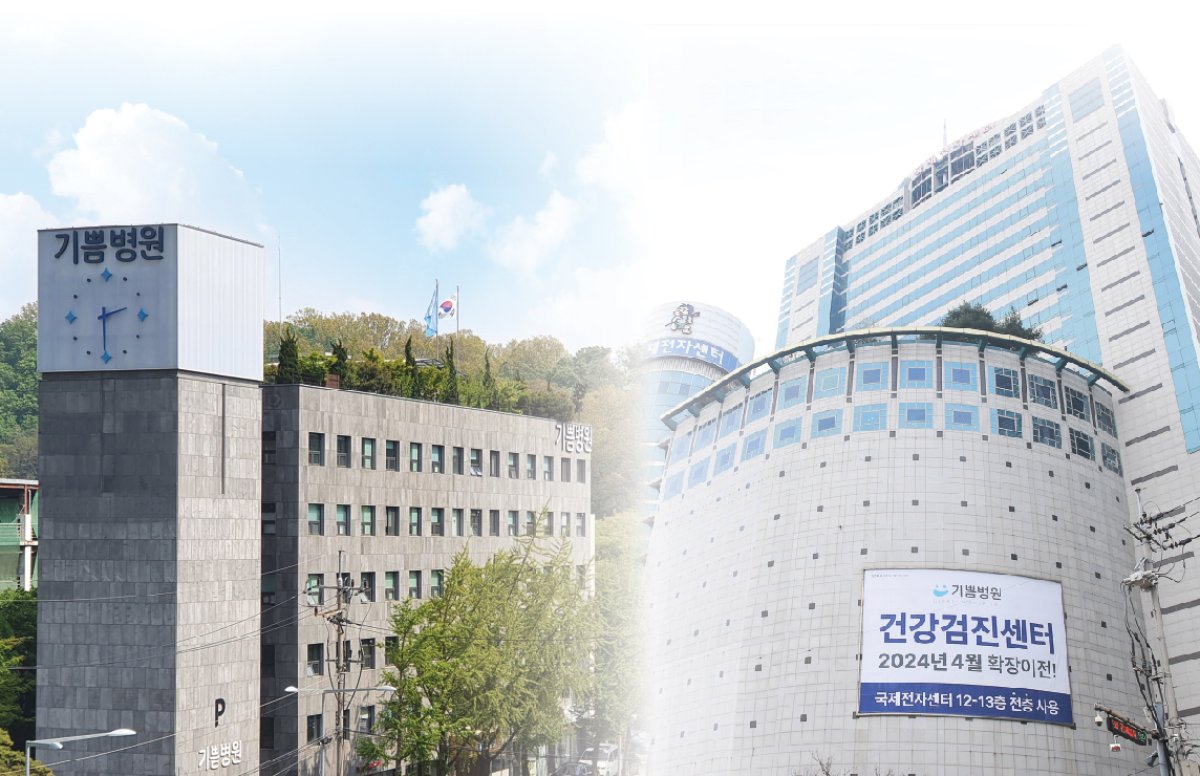
Discover the Best Thyroid function tests (including T3, T4, TSH) Clinics in Republic of Korea: 13 Verified Options and Prices

The Bookimed clinic ranking is based on data science algorithms, providing a trusted, transparent, and objective comparison. It takes into account patient demand, review scores (both positive and negative), the frequency of updates to treatment options and prices, response speed, and clinic certifications.
You’ve viewed 9 of 13 clinics

Our Trusted Doctors

View all Doctors
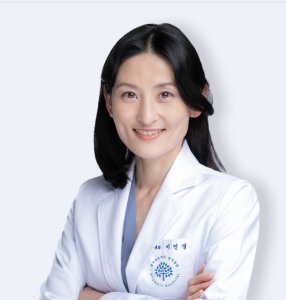
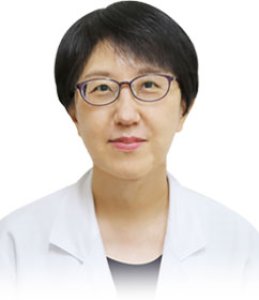
Lee Min Kyung
verified

Lee Min Kyung

21 years of experience

Dr. Min‑Kyung Lee, MD, PhD, is an endocrinologist. She is an Associate Professor and Director of the Clinical Research Institute at Myongji Hospital.

Clinical focus includes diabetes, thyroid disease, osteoporosis, hyperlipidemia, and adrenal and pituitary disorders. She also performs thyroid ultrasound and biopsy.

Her research includes nationwide cohort studies on metabolic syndrome and type 2 diabetes (Scientific Reports 2020;10:2313; Diabetes Res Clin Pract 2020;165:108237). She has also studied weight change and microvascular outcomes (Korean J Intern Med 2021;36(4):932–941).

Professional roles and memberships include the Scientific Committee of the Korean Society of Lipid and Atherosclerosis and Education Secretary of the Korean Society of Cardiometabolic Syndrome. She serves on the PR Committee of the Korean Society for the Study of Obesity. She is a lifetime member of the Korean Endocrine Society, the Korean Diabetes Association, and the Korean Association of Internal Medicine. She is also a member of the Korean Society for Bone and Mineral Research.

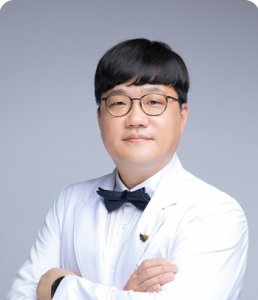
Shin Hyuk Jai
verified

Shin Hyuk Jai

30 years of experience

Dr. Hyuk‑Jai Shin, MD, PhD, is a Clinical Professor of Surgery at Myongji Hospital in South Korea. He is also Director of the Breast Center and Vice President for Medical Affairs. His work focuses on breast cancer, benign breast disease, robotic and endoscopic breast surgery, and systemic therapy. He chairs the Korean Breast Cancer Society group for robotic and endoscopic minimally invasive surgery. He is a full member of ASCO.

He earned his MD and PhD from Dankook University. He completed a breast fellowship and served as a principal proteomics researcher at Seoul National University Hospital. He received endoscopic training at Kameda Hospital in Japan. He was an exchange professor at the University of Melbourne and a visiting surgeon at the Peter MacCallum Cancer Centre. He previously led the Breast & Thyroid Center and the Precision Medicine Center at Myongji Hospital. His publications include first‑author chapters in Translational Research in Breast Cancer (Chapter 30, pp. 567–590, Springer) and the Textbook of Surgical Ultrasound (Chapter 3‑3, VABB). He also co‑authored a nationwide VABB survey (Anticancer Research, 2012; 32(12):5459–64).

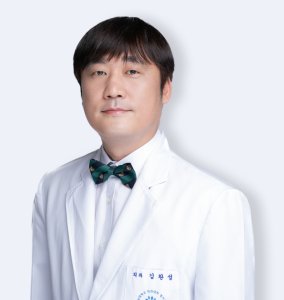
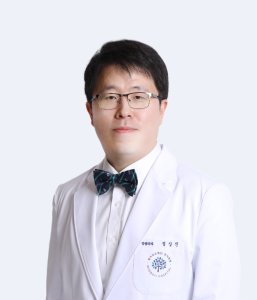
Kim Wan Song
verified

Kim Wan Song

22 years of experience

Dr. Wan‑Sung Kim, MD, PhD, is Director of the Thyroid Center and an Associate Professor of Surgery at Myongji Hospital, an educational partner of Hanyang University. He is a breast and thyroid surgeon. He treats cancer and benign disease and focuses on minimally invasive thyroid and adrenal surgery.

Expertise: endoscopic and robotic thyroidectomy (transoral, axillary-areolar), thyroid radiofrequency ablation, ethanol ablation for thyroid lesions, and endoscopic or robotic adrenal tumor surgery.

He previously served as Head of Surgery at Myongji Hospital and Chuncheon Gangnam Hospital. He completed his residency and a breast and thyroid fellowship at Myongji. He holds an MD and MS from Catholic Kwandong University and a PhD from Kangwon National University. He is a member of the Korean Association of Thyroid and Endocrine Surgeons, the Korean Breast Cancer Society, the Korean Surgical Society, and the Korean Surgical Ultrasound Society.

Jung Sang Jin
verified

Jung Sang Jin

9 years of experience

Dr. Jung Sang Jin is a Clinical Professor of Orthopedic Surgery at Myongji Hospital, an educational partner of Hanyang University. He specializes in joint replacement, knee conditions, lower-extremity trauma, diabetic foot, arthritis, and osteoporosis.

He earned his MD and MSc from Konyang University. He completed his internship and orthopedic residency at Konyang University Hospital. He then finished a hip and knee arthroplasty clinical fellowship at Samsung Medical Center. He also completed AO Recon advanced arthroplasty training in Davos. In addition, he finished the AO Trauma Masters and AO Recon Hip and Knee courses. He is a member of the Korean Orthopaedic Association, Korean Knee Society, Korean Fracture Society, Korean Society of Sports Medicine, Korean Hip Society, and AO Trauma and AO Recon. He has published on hip replacement outcomes. He received a KOA poster award in 2023.

Video Stories from Bookimed Patients

Dayana
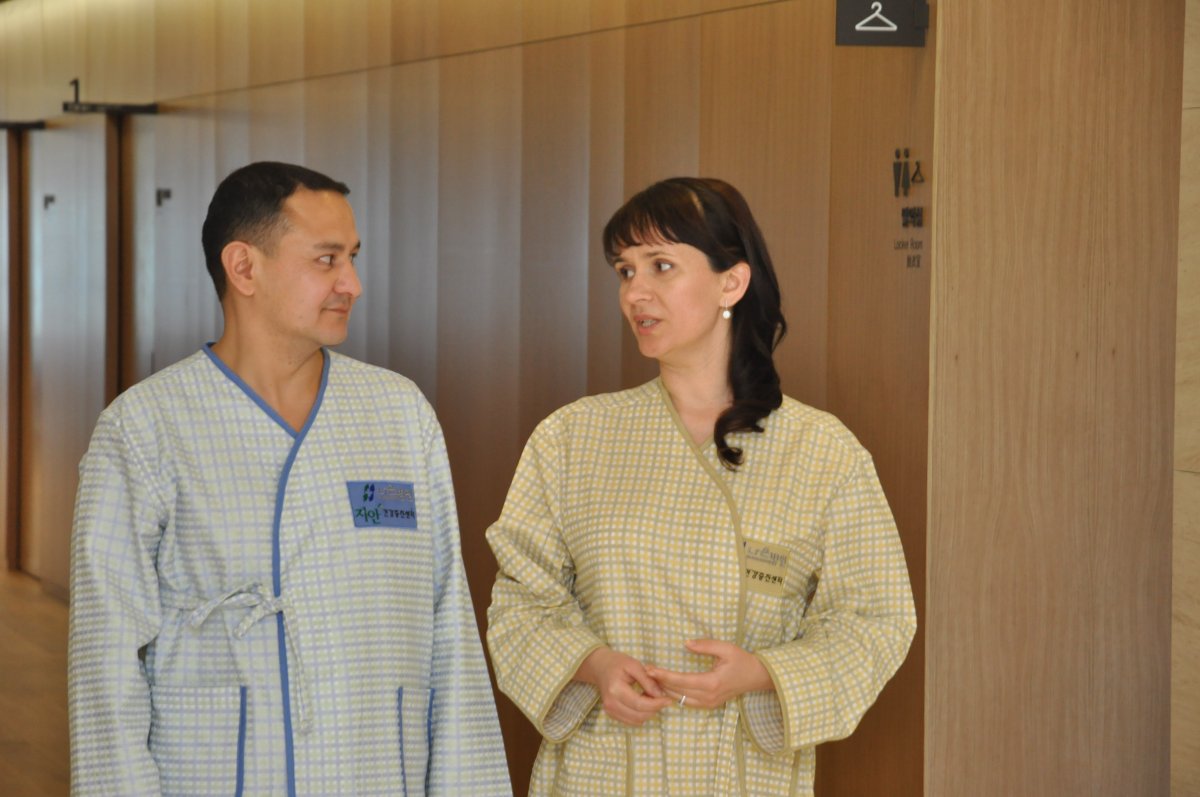
I combined my vacation in Antalya with a check-up.
Procedure: Female check-up
Marina
Bookimed did everything for me. I didn't have to worry about anything.
Procedure: Female check-up
Sabrina
The check-up went great — but honestly, what surprised me most was Turkey itself. I never expected to combine health and travel like this!
Procedure: Hearing check-up

Share this content

Updated: Nov 18, 2026
Authored by
Anna LeonovaAnna Leonova
Anna Leonova
Head of Content Marketing Team
A certified medical writer with 10+ years of experience, developed Bookimed’s trusted content, backed by a Master’s in Philology and medical expert interviews worldwide.
Gokhan Temiz
Gokhan Temiz
Nephrologist
Prof. Dr. Gökhan Temiz is a nephrologist specializing in kidney transplantation, dialysis, and glomerular diseases. He has published more than 60 scientific articles and is a member of the European Renal Association (ERA-EDTA).
Gokhan Temiz Linkedin
This page may feature information relating to various medical conditions, treatments, and healthcare services available in different countries. Please be advised that the content is provided for informational purposes only and should not be construed as medical advice or guidance. Please consult with your doctor or a qualified medical professional before starting or changing medical treatment.

FAQ about Thyroid function tests (including T3, T4, TSH) in Republic of Korea

These FAQs come from real patients seeking medical assistance through Bookimed. Answers are given by experienced medical coordinators and trusted clinic representatives.

Do I need a visa to South Korea?

Today, South Korea has visa-free agreements with 112 states. None visa is required for stays under 90 days or less. To stay longer in this country, you need a visa. What states need a visa for treatment in South Korea and what countries can cross the border free and easy read here.

What is the level of medicine in South Korea?

Healthcare is the key development sector of the Korean government. The Korean authorities are convinced that care for the citizens' health should be an absolute priority of state policy and spend about 1 billion a year for medical tourists attraction.

According to Mark Britnell, hospitals dominate the health system. 94% of hospitals are privately owned.

What are the most popular plastic surgery procedures?

According to ASPS statistics, 17.7 mln cosmetic surgeries and 5.8 mln reconstructive procedures have been performed in 2018. Among cosmetic procedures the most popular are:

  • breast augmentation
  • liposuction
  • rhinoplasty (nose job)
  • eyelid surgery
  • tummy tuck.

Tumor removal, laceration repair, maxillofacial surgery, scar revision, hand surgery are the most common operations in the context of reconstructive surgery.

What documents are required to apply for a visa to South Korea for treatment?

Visas for travel to South Korea require a number of documents. The necessary papers can be submitted 90 days before the planned departure. Lists of documents includes:

  • ID card
  • confirmation of online registration and filling out the questionnaire
  • certificate of income and availability of funds
  • insurance policy for a stay in South Korea (original and copy)
  • 2 photos (5x6)
  • visa receipt
  • booking of flight and hotel
  • medical opinion about the need for treatment.

What should you know about South Korea before the trip?

Currency

South Korean Won (you also can pay for services in dollars)

Best period for the trip

April, May & June or September, October & November.

Language

Korean (most of medical staff speaks English fluently)

Visa

none required for stays under 90 days or less

Time difference with Europe

9 hours

Time difference with the USA

9 hours

Capital

Seoul

Medical tourism center

Seoul

Popular resorts

Gangwon-do, Gyeongju, Boseong, Jeju

What hotel services are provided here?

In South Korea, hotels of different price ranges and service levels are presented. Most tourists choose 4 and 5 star hotels with all-inclusive meals. Such hotels have everything for a comfortable stay: varied food, a large well-groomed territory, animation for children and adults. Some hotels have their own water park, which guests can use for free. Budget travelers can afford to book an economical 3-star hotel with half board or no meals at all.

Get a free consultation

Select the best way to contact you