Topical Therapy of Melanoma in Republic of Korea — Get 3 Top Clinic Matches with Costs

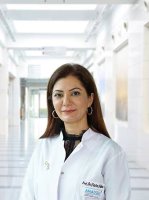
Medically reviewed by
Yesim Yildirim
How Much Does Topical therapy of melanoma Cost in Republic of Korea?
Topical therapy of melanoma in Republic of Korea costs from $2,500 to $5,800 on average. Final pricing depends on the medication type, lesion size, and necessary diagnostic biopsies. Patients save approximately 38% compared to the US, where costs average $6,800. Treatment typically includes specialist consultations and prescription creams for early-stage or superficial lesions.
- Specialist consultation: Costs range from $50 to $100 for oncology or dermatology experts.
- Topical medication: Prescription courses typically run between $50 and $150 per cycle.
- Diagnostic histopathology: Biopsies and staging revisions add approximately $200 to $400 to totals.
- Administrative fees: International patient services in Seoul clinics may add 10-20% to base rates.
Bookimed Expert Insight: Choosing top-tier digital hospitals in Seoul offers exceptional value beyond the price tag. Seoul National University Hospital (SNUH) provides 24/7 interpreter services and achieves breast cancer survival rates exceeding US averages. For melanoma patients, the integration of AI and smart building technologies at SNUH and SNUBH ensures precise staging. This high-tech infrastructure often reduces the need for repeated diagnostic tests during follow-up visits.
| Republic of Korea | Turkey | Austria | |
|---|---|---|---|
| Topical therapy of melanoma | ≈ $2,500 | ≈ $1,800 | ≈ $1,800 |
Your Benefits and Guarantees with Bookimed
Transparent Prices & Flexible Installments
No hidden fees – just official clinic prices. Pay at the clinic for Topical therapy of melanoma upon arrival and use a flexible installment plan if needed.
Verified Clinics & Doctors Only
Bookimed is committed to your safety. We only work with medical institutions that maintain high international standards in Topical therapy of melanoma and have the necessary licenses to serve international patients worldwide.
Free 24/7 Assistance
Bookimed offers free expert assistance. A personal medical coordinator supports you before, during, and after your treatment, solving any issues. You're never alone on your Topical therapy of melanoma journey.

Your personal Bookimed medical coordinator
- Supports you at every stage
- Helps choose the right clinic and doctor
- Ensures quick and convenient access to information
Discover the Best Topical therapy of melanoma Clinics in Republic of Korea: 2 Verified Options and Prices







Topical therapy of melanoma Overview in Republic of Korea
Day 1
- Arrival to the country and check-in at the clinic.
- Initial consultation with a dermatologist.
- Performing necessary medical tests including skin biopsy.
Day 2
- Discussion of test results with the dermatologist.
- Planning and scheduling the topical therapy session.
Day 3
- Topical therapy of melanoma is performed.
- The therapy takes about 1-2 hours, no anesthesia is required.
- The treatment involves the application of a cream or gel.
Day 4
- Post-treatment consultation with the dermatologist.
- Instruction on home care for the treated area is given.
Week 1
- Follow-up consultation to monitor the healing process.
- Any necessary adjustments to the treatment plan are made.
Week 2-4
- Regular follow-up visits to ensure the melanoma is responding to treatment.
- Return to work and other activities can usually be resumed.
Please note, each patient"s case is unique, and treatment plans may vary.
- Bookimed deposit: $200 or €200.
- Clinic deposit: Pay a set percentage in advance.
Our Doctors
View all Doctors
Lee, Han-Byoel
The doctor is an expert in oncoplastic surgery and breast cancer, with extensive experience from prestigious institutions. The doctor holds an M.D. degree from Seoul National University College of Medicine and an M.S. degree in Surgery from the same institution. Additionally, the doctor earned a B.S. in biological sciences from the Korea Advanced Institute of Science and Technology (KAIST) and a Ph.D. in Surgery from Seoul National University Graduate School.
Video Stories from Bookimed Patients
Reviews about Bookimed: Discover Patients' Insights
All reviewsShare this content
 Anna Leonova
FAQ about Topical therapy of melanoma in Republic of Korea
Is topical therapy a common primary treatment for melanoma in Korea?
Topical therapy is not a common primary treatment for melanoma in South Korea. Korean oncologists prioritize surgical excision as the gold standard for high-risk cases. Specialist centers like Seoul National University Hospital focus on complete tumor removal to prevent aggressive spreading in early stages.
- Standard protocol: Wide local excision remains the primary treatment for most Korean patients.
- Acral melanoma: Surgeons may perform digital amputations for subtypes common in the Korean population.
- Limited usage: Topical imiquimod only serves patients with Stage 0 melanoma who cannot undergo surgery.
- Secondary roles: Doctors use topical agents primarily for palliative care or metastatic skin lesions.
Bookimed Expert Insight: Clinical data from Seoul National University Bundang Hospital shows a preference for integrated digital systems to ensure surgical precision. While some patients seek non-invasive creams, top Korean facilities maintain some of the highest cancer survival statistics by favoring aggressive early-stage surgery over topical alternatives.
Patient Consensus: Patients report that Korean doctors strongly recommend immediate surgery to avoid worsening the prognosis. Most confirm that topical options are only introduced after surgical feasibility is fully ruled out by specialists.
Which topical drug is actually available for melanoma in Korea?
Imiquimod (Aldara) and Diphencyprone (DPCP) are currently available for melanoma treatment in South Korea. While the Ministry of Food and Drug Safety primarily approves these for other conditions, expert dermatologists at centers like Seoul National University Hospital prescribe them off-label for Lentigo Maligna and cutaneous metastases.
- Imiquimod (Aldara): Commonly used off-label for early-stage Lentigo Maligna or positive surgical margins.
- Diphencyprone (DPCP): Applied as topical immunotherapy for skin metastases in specialized oncology clinics.
- Regulatory status: No topical drug holds primary regulatory approval specifically for melanoma treatment.
- Systemic alternatives: Advanced cases typically require pembrolizumab or ipilimumab instead of topical creams.
Bookimed Expert Insight: Patients seeking topical options often encounter a strong clinical preference for surgery. Top-tier facilities like Seoul National University Hospital manage the highest cancer volumes in Korea. Their data indicates that topicals are strictly reserved for non-invasive cases. If a lesion shows any depth, surgeons will likely prioritize excision over cream-based therapy.
Patient Consensus: Many patients report that getting imiquimod requires specific Health Insurance Review and Assessment (HIRA) approval. They also emphasize the importance of strict sun avoidance to prevent severe skin irritation during the treatment period.
What are the main limitations and risks of topical therapy for melanoma?
Topical therapy for melanoma in South Korea carries risks of high recurrence and early metastasis. This off-label treatment is limited to superficial melanoma in situ. It lacks standardized dosing and results in inferior clearance compared to surgical excision. Treatment often causes severe inflammation, pain, and ulceration.
- Metastasis risk: Failure to clear cells may lead to aggressive progression or fatal metastasis.
- Recurrence rate: Recurrence rates are 20% to 50% higher than standard surgical wide excision.
- Depth limitation: Ineffective for invasive melanoma deeper than 0.5mm or involving hair follicles.
- Systemic reactions: Over 70% of patients experience flu-like symptoms, fever, and severe malaise.
Bookimed Expert Insight: Clinical data from Seoul National University Hospital shows a strong preference for digitalized monitoring. While topical therapy is accessible, it requires monthly follow-ups for at least 2 years. The risk is that healed skin can hide underlying cancer. Patients should prioritize facilities like SNUBH that use digital BESTcare systems for precise tracking.
Patient Consensus: Patients emphasize that topicals may buy time but rarely offer a permanent cure. Many warn that initial visual responses can mask deeper progression, making subsequent surgery more difficult.
Which Korean hospitals offer dedicated melanoma (including topical-therapy) services?
Seoul National University Hospital (SNUH), Asan Medical Center, and Samsung Medical Center offer dedicated melanoma services through specialized skin cancer units. These centers combine topical therapies with Mohs surgery and radiation. Programs like Severance Hospital's fast-track system ensure treatment begins within one week of diagnosis.
- Specialized units: SNUH houses a dedicated Skin Cancer and Chemotherapy Skin Care Center.
- Digital integration: SNU Bundang Hospital uses the BESTcare system for safe topical therapy administration.
- Rapid diagnosis: Severance Hospital provides dedicated melanoma consultations every Tuesday to accelerate care.
- Advanced monitoring: Asan Medical Center utilizes dermatopathology specialists and laser devices for postoperative recovery.
Bookimed Expert Insight: While many associate Korea with cosmetic skin care, their university hospitals handle massive volumes. Seoul National University Hospital treats over 10,700 patients daily. This high turnover leads to refined protocols for rare conditions like melanoma. Choosing a hospital with a dedicated multidisciplinary skin cancer unit often provides better access to emerging topical treatments.
Patient Consensus: Patients recommend requesting topical options early during consultations for early-stage cases. Many emphasize using international coordinators to manage complex medical records and avoid communication gaps regarding therapy choices.
Is there Korean research on natural or complementary topical agents for melanoma?
Korean research actively investigates natural topical agents for melanoma, focusing on Traditional Korean Medicine (TKM) extracts and nanotechnology. Notable studies at institutions like Seoul National University Hospital (SNUH) explore ginsenosides, fermented soybeans, and seaweed extracts to inhibit melanin production and trigger cancer cell death in laboratory settings.
- Ginseng extracts: Korean Red Ginseng oil reduces melanoma cell proliferation by modulating signaling pathways.
- Proprietary mixtures: SH003 combines three traditional herbs to induce apoptosis and enhance cisplatin chemotherapy.
- Nanotechnology delivery: Gold and silver nanoparticles using ginseng berries improve skin penetration and target cells.
- Seaweed derivatives: Extracts from local brown alga (Dolmiyeok) significantly inhibit melanogenesis in B16 cells.
Bookimed Expert Insight: While laboratory research is robust, practical application in South Korea remains focused on hospital-led clinical trials. Facilities like Seoul National University Hospital (SNUH), which serves 10,700 patients daily, prioritize these breakthroughs for integrated oncology. Patients should look for Phase II or III trial participation at digitalized centers like SNUBH or SNUH rather than over-the-counter K-beauty formulations.
Patient Consensus: Survivors warn that misapplying natural Korean skincare to undiagnosed lesions can lead to irritation or dangerous delays in treatment. Patients emphasize that while research is promising, immediate biopsy and surgical excision remain the only proven methods to prevent metastasis.