Adult Braces in Spain — Get 3 Top Clinic Matches with Costs


Medically reviewed by
Fahad Mawlood
How Much Does Adult braces Cost in Spain?
The cost of adult braces in Spain typically ranges from $2,300 to $4,200. Prices depend on the type of appliance (metal, ceramic, lingual, or clear aligners), the orthodontist’s experience, and case complexity. In the United States, the average cost is $6,300 (per AAO). This means adult braces in Spain are about 48% less expensive than in the U.S.
Spanish clinics usually include the initial consultation, dental evaluation, X-rays, a personalized treatment plan, placement of braces, all adjustment visits, post-treatment retainers, and ongoing support. In the U.S., many of these—like retainers and extra adjustments—are often billed separately. Always confirm exactly what’s included with your chosen clinic.
| Spain | Turkey | The USA | |
|---|---|---|---|
| Adult braces | ≈ $2,300 | from $2,000 | ≈ $4,800 |
Your Benefits and Guarantees with Bookimed
Transparent Prices & Flexible Installments
No hidden fees – just official clinic prices. Pay at the clinic for Adult braces upon arrival and use a flexible installment plan if needed.
Verified Clinics & Doctors Only
Bookimed is committed to your safety. We only work with medical institutions that maintain high international standards in Adult braces and have the necessary licenses to serve international patients worldwide.
Free 24/7 Assistance
Bookimed offers free expert assistance. A personal medical coordinator supports you before, during, and after your treatment, solving any issues. You're never alone on your Adult braces journey.

Your personal Bookimed medical coordinator
- Supports you at every stage
- Helps choose the right clinic and doctor
- Ensures quick and convenient access to information
Discover the Best Adult braces Clinics in Spain: 3 Verified Options and Prices


Adult braces Overview in Spain
Day 1 - Arrival
- Arrive at the dental clinic for your initial consultation.
- Complete necessary medical history paperwork.
- Meet the orthodontist for a preliminary oral examination.
Day 2 - Pre-Operation
- Undergo detailed diagnostic tests, including X-rays and photographs.
- Discuss your dental history and orthodontic needs with the specialist.
- Receive a personalized treatment plan from the orthodontist.
Day 3 - Braces Placement
- Arrive at the clinic for braces placement.
- Experience minimal discomfort during the process.
- Expect the procedure to last approximately 1-2 hours.
Day 4 - Post-Operation
- Receive instructions on proper braces care and hygiene.
- Schedule follow-up appointments for adjustments.
- Expect mild discomfort to last for a few days.
Week 1-2 - Rehabilitation
- Adjust to eating softer foods initially.
- Gradually reintroduce harder foods into your diet.
- Continue practicing good oral hygiene.
Month 1 and Beyond
- Attend regular adjustments to tighten your braces.
- Monitor your progress with the orthodontist.
- Expect to see noticeable changes after 4-6 weeks.
End of Treatment
- Expect the treatment to last between 18 months to 3 years.
- Receive retainers to maintain your new smile.
- Enjoy your improved teeth alignment and smile.
Please note that each patient"s experience with adult braces can differ depending on their individual dental needs and the complexity of the case.
- Bookimed deposit: $200 or €200.
- Clinic deposit: Pay a set percentage in advance.
Video Stories from Bookimed Patients
Reviews about Bookimed: Discover Patients' Insights
All reviewsShare this content
 Anna Leonova

FAQ about Adult braces in Spain
Does public healthcare (Seguridad Social) cover adult braces in Spain?
Spain's public healthcare system, Seguridad Social, does not cover adult braces. Orthodontic treatment is classified as an elective cosmetic procedure rather than an essential medical service. Coverage for adults is strictly limited to emergency dental interventions, such as treating active infections, managing acute injuries, or necessary tooth extractions.
- Treatment classification: Orthodontics are considered non-essential and excluded from standard public dental benefits.
- Adult coverage limits: Public services only cover emergencies like infections, trauma, or simple extractions.
- Specific exceptions: Coverage may apply for severe skeletal abnormalities or cleft palate primarily in children.
- Cost responsibility: Patients must pay out-of-pocket for metal, ceramic, or clear aligner treatments.
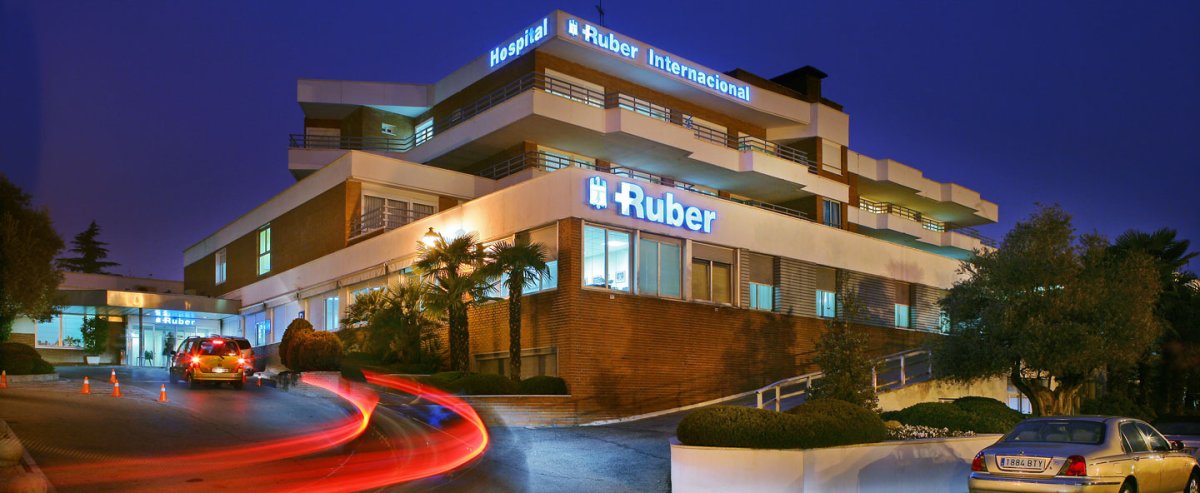
Bookimed Expert Insight: While Seguridad Social may cover corrective jaw surgery for functional issues, patients still pay for the required orthodontic splints. Top facilities like Hospital Ruber Internacional in Madrid maintain high standards with Joint Commission International (JCI) accreditation. For braces, most private clinics offer flexible monthly installments to make the investment manageable.
Patient Consensus: Expect to pay privately for all orthodontic needs as public insurance focuses only on urgent oral health. Many patients find that adding a private dental plan helps lower the costs of routine care and diagnostics.
Are braces in Spain safe?
Braces in Spain are safe and adhere to rigorous European Union medical standards. The private dental sector manages 95% of care, ensuring modern equipment and high professional accountability. Most clinics utilize top-tier diagnostic tools like 3D imaging to guarantee precision in orthodontic treatment.
- Regulatory oversight: Clinics follow strict Spanish General Council of Odontologists and Stomatologists regulations.
- Safety certifications: Top facilities maintain Joint Commission International (JCI) and ISO safety accreditations.
- Sanitation protocols: European sterilization standards ensure a sterile environment for all orthodontic procedures.
- Specialized techniques: Patients access advanced options like Invisalign, ceramic, and lingual braces safely.
Bookimed Expert Insight: Spain’s dental landscape is unique because nearly all care is private. This competition drives clinics like Hospital Ruber Internacional to adopt advanced tech like 3-Tesla MRI. High standards are standard practice here, not just a premium feature for internationals.
Patient Consensus: Patients value the highly regulated clinical environment. Many suggest bringing your own interdental brushes and cleaning tools when traveling for adjustments.
Is it too late to get braces as an adult?
It is never too late for adults to get braces. One in three orthodontic patients is an adult seeking aesthetic improvement. Spanish clinics like Hospital Ruber Internacional offer advanced solutions including Invisalign and metal braces. These treatments effectively correct bite issues and prevent gum disease at any age.
- Treatment timeframe: Most adult orthodontic plans in Spain last approximately 1.5 years.
- Adjustment phase: Speech changes like lisping usually resolve within one month of starting.
- Follow-up care: Expect clinic visits every 4 to 8 weeks for necessary adjustments.
- Advanced options: Adults can successfully use jaw expanders or clear aligners for alignment.
Bookimed Expert Insight: Spain is a strategic choice for JCI-accredited care at Hospital Ruber Internacional. While treatment is highly effective, follow-ups are essential every 4 to 8 weeks. This makes Spain ideal for long-term residents or frequent travelers. Metal braces remain the most cost-effective choice compared to newer aligner brands.
Patient Consensus: Patients often start treatment in their 30s purely for confidence. They recommend checking if insurance like Sanitas covers installments to manage the total investment.
What are the best, least-visible options for adults?
Clear aligners like Invisalign and ceramic braces are the best, least-visible orthodontic options for adults in Spain. These systems utilize transparent materials or tooth-colored brackets to correct alignment discreetly. Modern techniques can resolve mild cases in approximately 8 months within JCI-accredited clinics.
- Clear aligners: Removable trays from Invisalign or ClearCorrect offer near-invisibility for mild dental crowding.
- Ceramic braces: Fixed tooth-colored brackets provide a subtle look while handling complex structural corrections.
- Treatment duration: Mild cases typically conclude in 8 months, though complex movements take longer.
- Post-treatment care: Mandatory nighttime retainers prevent shifting after completing the initial alignment phase.
Bookimed Expert Insight: While clear aligners are popular for aesthetics, orthodontists at top centers like Hospital Ruber Internacional often recommend ceramic fixed braces for better precision. Fixed systems allow for more predictable outcomes in complex cases. Choosing a provider experienced in multiple systems ensures the technology matches your specific dental needs.
Patient Consensus: Many adults prefer ceramic options because they balance invisibility with the high effectiveness of traditional fixed treatment. Patients frequently highlight that clear aligners require strict discipline to wear for 22 hours daily to reach goals.
How long do adult braces take?
Adult braces typically take between 8 to 24 months to complete. While minor cosmetic adjustments may finish in under a year, complex bite corrections require more time due to the natural physiological limits of alveolar bone remodeling in mature patients.
- Treatment methods: Traditional metal braces and Invisalign clear aligners are standard options.
- Duration factors: Mild cases finish in 8 months; complex bite issues take 24.
- Maintenance schedule: Metal braces require monthly check-ups; Invisalign needs only 2 to 3 visits.
- Mandatory retention: Patients must wear retainers post-treatment to prevent teeth from shifting back.
Bookimed Expert Insight: Clear aligner technology in Spain offers a significant time advantage for international patients. While traditional braces demand visits every 4 weeks, Invisalign protocols allow for just 3 total appointments. This makes Madrid clinics like Hospital Ruber Internacional highly efficient for those traveling from abroad.
Patient Consensus: Many adults highlight that significant visual changes appear within the first 6 months. Patients emphasize following dietary rules to avoid damaging brackets, which prevents unnecessary delays in their treatment timeline.
Do adult braces hurt?
Adult braces cause mild to moderate discomfort rather than sharp pain. Patients typically feel pressure and soreness within hours of placement as teeth begin shifting. While initial soreness peaks during the first 48 hours, discomfort is temporary and manageable with orthodontic wax or over-the-counter relief.
- Adjustment period: Soreness usually peaks within the first 1 to 3 days after placement.
- Soft tissue: Brackets may irritate cheeks and lips until tissues toughen after 2 months.
- Bone density: Mature adult jawbones require more sustained pressure than younger patients to move.
- Adjustment visits: Routine wire tightening results in minor dull aches lasting 1 to 3 days.
Bookimed Expert Insight: While many focus on wire tightening, the placement of spacers or bands often causes more acute discomfort than the brackets themselves. Choosing a facility like Hospital Ruber Internacional in Madrid ensures access to JCI-accredited care where specialists use advanced imaging to monitor root health during high-pressure movements.
Patient Consensus: Many adults find the first month hardest on the lips and tongue. They recommend practicing speaking aloud and using a water flosser early on to manage sensitivity and irritation.