Braces for Open Bite in Spain — Get 3 Top Clinic Matches with Costs


Medically reviewed by
Fahad Mawlood
How Much Does Braces for open bite Cost in Spain?
The cost of braces for open bite in Spain typically ranges from $2,600 to $4,300. Prices vary depending on the type of braces (metal, ceramic, lingual, or clear aligners), the orthodontist’s experience, and the complexity of the bite correction. In the United States, the average cost is $6,000 (per AAO). This means getting braces for open bite in Spain can be about 42% less than in the U.S.
Spanish orthodontic packages often include the initial consultation, diagnostic X-rays, bracket or aligner placement, routine adjustments, and final retainers. In the U.S., the base price may not cover retainers, emergency visits, or extra aligner trays, which are often billed separately. Always confirm exactly what your treatment package includes with each clinic.
| Spain | Turkey | The USA | |
|---|---|---|---|
| Braces for open bite | ≈ $2,600 | from $1,500 | ≈ $4,500 |
Your Benefits and Guarantees with Bookimed
Transparent Prices & Flexible Installments
No hidden fees – just official clinic prices. Pay at the clinic for Braces for open bite upon arrival and use a flexible installment plan if needed.
Verified Clinics & Doctors Only
Bookimed is committed to your safety. We only work with medical institutions that maintain high international standards in Braces for open bite and have the necessary licenses to serve international patients worldwide.
Free 24/7 Assistance
Bookimed offers free expert assistance. A personal medical coordinator supports you before, during, and after your treatment, solving any issues. You're never alone on your Braces for open bite journey.

Your personal Bookimed medical coordinator
- Supports you at every stage
- Helps choose the right clinic and doctor
- Ensures quick and convenient access to information
Discover the Best Braces for open bite Clinics in Spain: 1 Verified Option and Prices
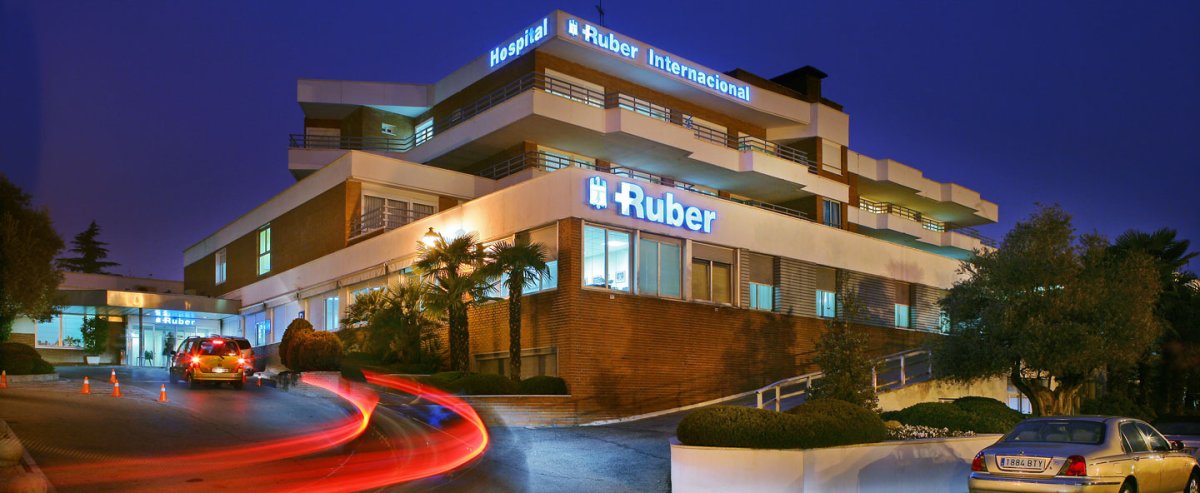


Braces for open bite Overview in Spain
- Braces - from $1,500This therapy helps straighten teeth and align jaws, requiring regular adjustments over a period for best results.
- Ceramic Braces - from $2,800This treatment uses ceramic tooth-colored brackets and wires for a less visible way to straighten teeth.
- Damon Clear self-ligating ceramic braces (USA), 1 jaw - from $4,100The procedure uses advanced braces to align one jaw, featuring discreet, efficient, minimal discomfort and faster treatment.
Day 1
- Arrive at the hospital.
- Consult with the orthodontist for initial evaluation.
- Undergo diagnostic tests, including x-rays and bite impressions.
Day 2
- Receive a custom treatment plan from your orthodontist.
- Have braces fitted and adjusted for your open bite.
Week 1
- Adapt to the feeling of braces in your mouth.
- Learn how to clean and care for your braces.
Month 1
- Visit the orthodontist for your first follow-up appointment.
- Get adjustments to your braces if necessary.
Every 4-6 Weeks
- Visit your orthodontist for regular check-ups and adjustments.
- Monitor the progress of your open bite correction.
6-24 Months
- Continue regular orthodontist visits and brace adjustments.
- Begin to see significant improvements in your bite.
End of Treatment
- Braces are removed and a retainer is fitted.
- See the final results of your open bite correction.
Please note that the timeline and treatment process may vary based on individual cases and the severity of the open bite. Always consult with your orthodontist for personalized treatment information.
- Bookimed deposit: $200 or €200.
- Clinic deposit: Pay a set percentage in advance.
Our Doctors
View all DoctorsMar García Gómez
Video Stories from Bookimed Patients
Reviews about Bookimed: Discover Patients' Insights
All reviewsShare this content
 Anna Leonova

FAQ about Braces for open bite in Spain
Can clear aligners (like Invisalign or Angel Aligners) fix an open bite?
Clear aligners successfully treat mild-to-moderate dental open bites in adults and children. These devices utilize molar intrusion, composite attachments, and box elastics to pull front teeth together. Spanish JCI-accredited hospitals like Hospital Ruber Internacional provide these specialized orthodontic solutions for complex bite alignments.
- Treatment mechanics: Clinicians use molar intrusion and box elastics to close the anterior gap.
- Success rates: High effectiveness for dental open bites caused by improper tooth positioning.
- Treatment timeframe: Full correction typically ranges from 17.5 to 24 months for stability.
- Case complexity: Skeletal issues may require surgical approaches or temporary anchorage devices (TADs).
Bookimed Expert Insight: Spanish orthodontic centers often favor camouflage orthodontics for skeletal cases. Intrusion of the back molars by just 1mm can close the front bite by 3mm. This strategy yields significant aesthetic results without needing invasive jaw surgery for many patients.
Patient Consensus: Success relies on identifying if the issue is dental or skeletal. Patients focus on strict 22-hour daily wear and myofunctional therapy to prevent the bite from reopening.
Will my open bite come back after braces?
An open bite can return after braces if the underlying causes like tongue thrusting or jaw patterns remain uncorrected. While relapse occurs more frequently than with other orthodontic issues, consistent retainer use and habit retraining effectively stabilize the dental arch and alignment.
- Habit correction: Address tongue thrusting through myofunctional therapy to prevent teeth from shifting forward again.
- Retainer compliance: Wear prescribed retainers indefinitely to hold teeth in place against natural muscle forces.
- Adult risk: Adults have less adaptable bone structure, often requiring permanent bonded retainers for stability.
- Treatment planning: Select Joint Commission International (JCI)-accredited facilities like Hospital Ruber Internacional for specialized care.
Bookimed Expert Insight: Retaining open bite results in Spain usually requires a dual-retainer approach rather than just one. Data from top-tier Madrid hospitals shows that combining a fixed wire with a removable இரவு retainer significantly lowers relapse rates for complex skeletal cases. This redundant system compensates for the high muscle pressure common in open bite patients.
Patient Consensus: Many patients emphasize that correcting mouth breathing and tongue posture was just as vital as the braces themselves. Most recommend getting a permanent retainer immediately to safeguard their investment and prevent subtle shifting during sleep.
What techniques are used to treat open bites in Spain?
Clinics in Spain treat open bites using a combination of specialized orthodontic mechanics and orthofacial surgery. Specialists utilize Temporary Anchorage Devices (TADs) for molar intrusion and Maxillary Skeletal Expansion (MSE) to address dental misalignments, while severe skeletal cases often require bimaxillary jaw surgery.
- Miniscrew intrusion: Temporary Anchorage Devices (TADs) intrude molars to rotate the lower jaw forward.
- Skeletal expansion: Surgically Assisted Rapid Palatal Expansion (SARPE) widens the upper jaw for better fit.
- Jaw repositioning: Bimaxillary surgery corrects severe skeletal gaps by adjusting both upper and lower jaws.
- Functional aligners: Clear aligners with specific attachments and rubber bands manage mild dental cases.
Bookimed Expert Insight: Spanish centers like Hospital Ruber Internacional in Madrid integrate advanced 3D imaging for maxillofacial planning. This high-tech approach is vital because skeletal open bites often require SARPE before braces even begin. Always confirm if your clinic houses both orthodontic and surgical departments to streamline these multi-phase treatments.
Patient Consensus: Patients emphasize determining if your bite is skeletal or dental early on. Many suggest prioritizing cities like Barcelona for jaw surgery due to the high concentration of specialized orthofacial surgeons.
How long does the treatment take?
Treatment for an open bite in Spain typically takes 1.5 to 3 years. This timeframe allows for gradual bone remodeling to close the gap between upper and lower teeth safely. Complex adult cases involving surgical jaw correction require additional time for preparation and recovery.
- Standard correction: Most orthodontic plans require 18 to 36 months for stable results.
- Surgical recovery: Severe cases needing jaw surgery involve 4 to 5 months for initial healing.
- Retention phase: Patients must wear retainers full-time for 2 to 3 months after brace removal.
- Early intervention: Screening children by age 7 can shorten future treatment through palate expansion.
Bookimed Expert Insight: Open bite correction is slower than closing simple gaps. Spanish clinics like Hospital Ruber Internacional often use bite blocks for back tooth intrusion. This method is more effective than elastics. It prevents root damage while ensuring long-term bite stability.
Patient Consensus: Expect a multi-year commitment for standard correction. Patients emphasize that strict retainer use is vital to prevent the bite from reopening after treatment ends.
Does Spanish public health (Seguridad Social) cover this?
Spanish public health (Seguridad Social) generally does not cover braces for an open bite in adults. This is classified as a non-essential or cosmetic dental service. However, coverage may apply if the condition is skeletal and requires corrective orthognathic surgery.
- Adult coverage: Braces are typically excluded for adults as they are considered cosmetic.
- Skeletal cases: The public system covers jaw surgery but usually not the orthodontic hardware.
- Pediatric exceptions: Public dental plans offer some support for children under age 16.
- Regional variations: Policies change between autonomous regions; check your local Centro de Salud.
Bookimed Expert Insight: While public health covers the cost of jaw surgery for skeletal open bites, patients still face costs between $2,600 and $4,300 for the necessary braces. Multi-disciplinary centers like Hospital Ruber Internacional in Madrid offer both surgical and orthodontic expertise to manage these complex cases smoothly.
Patient Consensus: Patients emphasize that distinguishing between a dental and skeletal diagnosis is vital for planning finances. Many individuals report navigating the system by paying for braces privately while using public health for the actual surgical procedure.