Nipple correction in Spain — get 3 top clinic matches with costs
Nipple correction in Spain costs $800 to $3,400, about 53% less than the US average of $4,500 (Bookimed data, November 2026). Bookimed lists 3 nipple correction clinics in Spain, in Alicante and Marbella.


Medically reviewed by
Fahad Mawlood
How it works
How Much Does Nipple correction Cost in Spain?
Nipple correction in Spain typically costs from $800 to $3,400 depending on technique complexity and whether one or both sides require treatment. Common hubs for this surgery include Barcelona, Madrid, Marbella, and Alicante. Patients save around 53% compared to the US, where the average cost is $4,500. Most Spanish clinics include the consultation, surgeon fees, local anesthesia, and follow-up care in the price.
- Inverted nipple surgery: $1,900 to $3,400 for correcting retracted tissue.
- Nipple reduction: $1,900 to $3,100 for resizing the nipple area.
- Regional price factors: Clinics in Madrid and Barcelona often charge 15-20% more than other cities.
- Extended care: Surgical packages often cover all post-operative medications and follow-up visits for one year.
Bookimed Expert Insight: Spain offers a unique balance of high-end private hospital security and specialized boutique clinics. Facilities like Centro Médico Teknon and Hospital Quiron Barcelona hold JCI accreditation. They maintain celebrity-level standards while serving over 10,000 patients annually. Choosing a JCI-accredited facility in Spain ensures adherence to global safety protocols. This is particularly valuable for international patients seeking specialized care in Marbella or Barcelona.
| Spain | Turkey | The USA | |
|---|---|---|---|
| Nipple correction | from $800 | from $950 | ≈ $3,000 |
| Nipple reduction | ≈ $1,900 | from $2,200 | ≈ $3,000 |
| Inverted nipple surgery | ≈ $1,900 | from $860 | ≈ $3,000 |
Discover the Best Nipple correction Clinics in Spain: 7 Verified Options and Prices








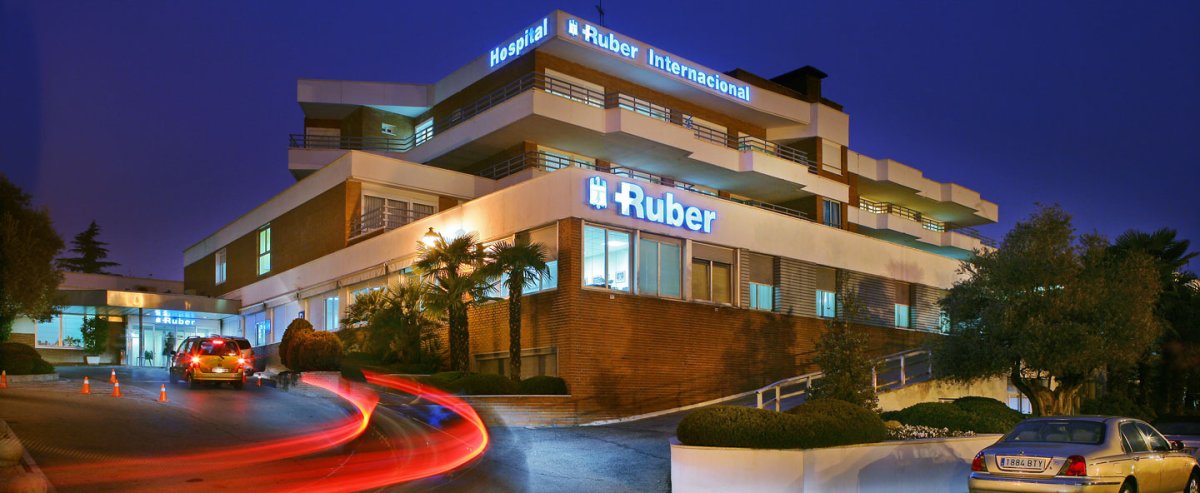


Hospital Quiron Barcelona
Mireia Ruiz Castilla







Nipple correction Overview in Spain
- Nipple correction - from $800This treatment reshapes outlying nipples for aesthetic pleasure, utilizing minimally invasive methods for natural results with quick recovery.
Day 1: Arrival
- Arrive in the country and check into your accommodations.
- Rest and adapt to the new time zone.
Day 2: Pre-operation
- Visit the clinic for initial consultation with the surgeon.
- Physical examination and medical history review.
- Undergo necessary blood tests and ECG if required.
- Receive final confirmation for the surgery.
Day 3: Nipple Correction Surgery
- Arrive at the clinic in the morning.
- Procedure performed under local anesthesia.
- Process takes approximately 1-2 hours.
- Return to accommodations post-surgery.
Day 4: Post-operation
- Attend a post-operative check-up at the clinic.
- Receive instructions for wound care and healing process.
- Start taking prescribed medications if any.
Week 1: Rehabilitation
- Rest and recover from the procedure.
- Continue with wound care as instructed.
- Avoid strenuous activities.
Week 2-4: Rehabilitation
- Gradually resume light activities and work.
- Attend follow-up appointments as scheduled.
- Continue with wound care and medications.
Week 6: Final Result
- Expect to see the final result of the surgery.
- Resume all normal activities including sports.
Please note that each patient"s recovery process can vary and the timeline provided should be used as a general guide.
- Bookimed deposit: $200 or €200.
- Clinic deposit: Pay a set percentage in advance.
Our Doctors
View all Doctors
Javier Herrero Jover
Dr. Herrero is a pioneer in plastic surgery with 46 years of experience, specializing in advanced 3D surgical planning for precise and natural results.
- Expert in breast surgery including nipple correction
- Founder of Alma IT Systems for virtual surgical planning
- Leads the Herrero Jover Médicos Unit at Centro Médico Teknon
- Author of 150+ publications and speaker at 350+ congresses
- Offers virtual consultations for international patients

Manel Alos
Dr. Manel Alos is a plastic, reconstructive, and aesthetic surgeon in Zaragoza, Spain. He is a member of the Gender Medic team at Clínica San Clemente. He has five years of surgical experience. He provides gender-affirming surgical care with a focus on safety and natural results.
He performs the full range of reconstructive plastic surgery and gender-affirming procedures. He tailors each plan to the patient. He completed advanced training in gender-affirming surgery at IM GENDER Clinic, a leading European center dedicated to transgender healthcare.
His experience includes reconstructive microsurgery, oncologic reconstruction, and aesthetic surgery. He upholds high standards of patient safety and evidence-based care.

José Luis Martín Del Yerro Coca
First Prize winner in the SECPRE resident competition with extensive expertise in breast reconstruction and aesthetic surgery.
- 44 years in plastic and reconstructive surgery
- Director of International Symposium on Breast Reconstruction
- Member of EBOPRAS and European Union of Medical Specialists
- Specialized in experimental microsurgery and superficial liposuction
- Published 40+ papers in international journals

Antonio Rivera Munoz
Dr. Rivera specializes in nipple correction with over 19 years of experience in plastic and cosmetic surgery at Quirónsalud Marbella.
- Co-director of Plastic Surgery Units at two Quirónsalud hospitals
- Trained in advanced tissue engineering techniques
- Regular participant in international surgical conferences
- Works within a full hospital environment for patient safety
Video Stories from Bookimed Patients
Reviews about Bookimed: Discover Patients' Insights
All reviewsShare this content
 Anna Leonova

FAQ about Nipple correction in Spain
Will I be able to breastfeed after the surgery?
Most patients can breastfeed after nipple correction surgery in Spain if the surgeon preserves the milk ducts. While modern techniques at JCI-accredited clinics aim to protect lactation, the specific method used for inverted nipples or nipple reduction determines if milk flow remains possible.
- Duct preservation: Surgeons like Dr. Javier Herrero Jover use techniques that avoid cutting milk ducts.
- Surgical approach: Inverted nipple correction may stretch or sever ducts depending on inversion severity.
- Non-surgical alternatives: Options like suction devices can correct inversion without risking surgical duct damage.
- Post-operative timing: You can typically nurse as soon as anesthesia wears off and medications clear.
Bookimed Expert Insight: Spanish plastic surgeons at top-tier centers like Centro Médico Teknon often prioritize microsurgical techniques to leave ducts intact. However, many women find that the hormonal changes of pregnancy naturally correct inverted nipples. If you are planning a family within 1–2 years, delaying surgery might save you $2,500 while preserving your natural breastfeeding potential.
Patient Consensus: Many patients report that while surgery provides a cosmetic fix, the ability to breastfeed remains unpredictable. Some suggest using nipple shields or pre-feed pumping to assist with latching if you choose to avoid surgery.
How long does nipple correction surgery take and what is the recovery time?
Nipple correction surgery in Spain typically takes 30 to 60 minutes for standalone procedures. Most patients return to light activities within 1 to 3 days. While initial swelling and bruising resolve in 1 to 2 weeks, full healing and nerve recovery take 6 months.
- Surgery duration: Procedures average 15 to 30 minutes per nipple under local anesthesia.
- Activity resumption: Patients generally feel functional and return to light work within 3 days.
- Lifting restrictions: Avoid lifting over 1kg for 6 weeks to prevent hematoma or complications.
- Full recovery: Swelling subsides gradually over 6 weeks, with scar maturation taking 6 months.
Bookimed Expert Insight: Spain’s top clinics like Centro Médico Teknon and Hospital Ruber Internacional leverage JCI-accredited safety standards, yet patients often overlook minor costs. Plan for roughly €150 for a medical-grade recovery binder. Clinics in Barcelona and Madrid often offer 3D surgical planning to visualize outcomes before the first incision.
Patient Consensus: Patients report feeling surprisingly functional within 3 days, with discomfort often coming from tight compression garments rather than surgical pain. Many mention that while physical activity resumes quickly, nipple sensitivity and hardness can take months to normalize.
Is the procedure permanent?
Surgical nipple correction in Spain provides permanent results by physically restructuring the tissue or milk ducts. While surgical outcomes for reduction or inversion are lifelong, factors like severe tissue tension, significant weight fluctuations, or future pregnancies can occasionally affect the long-term aesthetic appearance.
- Surgical permanence: Correcting Grade 3 inversion requires cutting milk ducts for lasting results.
- Functional trade-off: Permanent duct removal for severe inversion typically prevents future breastfeeding.
- Reversion risk: Duct-preserving techniques offer higher chances of nipples reverting over time.
- Non-surgical limits: Suction devices and piercings only provide temporary or semi-permanent changes.
Bookimed Expert Insight: Data from top-tier Spanish facilities like Centro Médico Teknon shows that surgeons often combine functional and aesthetic goals. In Spain, many patients opt for nipple correction alongside breast augmentation. This dual approach ensures the nipple position remains proportional to the new breast volume, preventing the need for secondary adjustments as the body ages.
Patient Consensus: Many patients with severe inversion find that only surgery offers a final solution after suction devices fail. They highlight the importance of deciding whether breastfeeding is a future priority before committing to the most permanent surgical methods.
Will there be visible scars after nipple correction?
Nipple correction surgery in Spain results in small, discreet scars that typically fade significantly within few months. Incisions for inverted nipple correction or reduction are usually less than 1 centimeter and hidden within the natural texture of the areola or nipple base.
- Incision size: Most surgical incisions remain under 1 centimeter in length.
- Strategic placement: Surgeons place cuts along the areola border to camouflage healing.
- Healing timeline: Scars usually transition from pink to faint white within 12 months.
- Advanced techniques: Specialists like Dr. Javier Herrero Jover use minimally invasive 3D planning.
Bookimed Expert Insight: Spanish clinics like Centro Médico Teknon often prioritize combined aesthetic goals. While standard correction focuses on function, many patients in Barcelona pair this with areola resizing. Choosing a surgeon with 30+ years experience ensures these micro-incisions align with natural skin tension for nearly invisible results.
Patient Consensus: Most patients report that scars become virtually undetectable from a few feet away after a year. Long-term results often require a magnifying glass to spot the fine white lines once fully matured.
What types of nipple issues can be corrected?
Nipple correction addresses inverted, flat, oversized, or absent nipples through surgical and non-surgical techniques. Specialized surgeons in Spain correct Grade 1 to 3 inversion, asymmetry, and projection issues to restore natural aesthetics. Procedures include duct release, tissue reconstruction, and reduction mammoplasty to enhance nipple-areola proportions.
- Inverted nipple grades: Grades 1-3 range from manual protrusion to permanent surgical retraction.
- Surgical duct release: Surgeons cut constricted milk ducts to allow the nipple to protrude.
- Non-surgical suction: Vacuum devices or breast shells help stretch adhesions for milder cases.
- Tissue reconstruction: Autologous tissue creates a new nipple for patients with total absence.
Bookimed Expert Insight: While many clinics offer nipple reduction, high-volume centers like Centro Médico Teknon in Barcelona focus on advanced 3D surgical planning. This technology allows surgeons to visualize projection results before the first incision. This level of precision is why Spain remains a top 5 global destination for complex plastic surgery.
Patient Consensus: Many find that non-surgical tools like breast shells or suction devices work for minor inversion over 3 months. However, those with Grade 3 inversion emphasize that surgery is the only way to achieve a permanent, erect result.
Is nipple correction painful?
Nipple correction in Spain is generally described as involving minimal pain because surgeons perform the procedure under local anesthesia. Most patients report only brief pressure during the 10-minute surgery. Post-operative discomfort typically feels like mild soreness and subsides significantly within 24 hours.
- Procedure sensation: Patients feel only initial anesthetic needle pricks followed by light pulling sensations.
- Recovery experience: Most individuals return to work within 24 hours with manageable tenderness.
- Pain management: Surgeons typically advise that over-the-counter medication is sufficient and optional for soreness.
- Long-term comfort: Swelling usually resolves within one week with protective shields preventing clothing irritation.
Bookimed Expert Insight: Spain ranks among our top 5 destinations for plastic surgery, likely due to high surgeon credentials. Specialists like Prof. Dr. Javier Herrero Jover at Centro Médico Teknon have performed over 10,000 procedures. Highly experienced surgeons tend to complete these corrections in just 10 minutes, significantly reducing the duration of physical stress and post-operative swelling.
Patient Consensus: The anesthetic injections are usually the most uncomfortable part, while the rest of the surgery feels like odd pressure. Patients often find the recovery much easier than expected, needing no strong painkillers at all.
Will there be visible scars?
Nipple correction surgery in Spain results in minimal scarring that typically fades into faint white lines over 2 to 3 years. Surgeons utilize circumferential incisions around the areola or small horizontal cuts to camouflage marks within the natural skin texture and pigment transitions.
- Incision placement: Borders are often hidden at the natural edge of the areola.
- Healing timeline: Red or dark scars typically flatten and pale within 6–12 months.
- Long-term visibility: Most scars mature into nearly invisible lines after 24–36 months.
- Minimizing marks: Clinics like Centro Médico Teknon use 3D planning for precise, smaller incisions.
Bookimed Expert Insight: Spain’s top specialists often perform nipple and breast procedures as a single surgical unit. Dr. Javier Herrero Jover at Centro Médico Teknon has completed 10,000 surgeries. His use of 3D visualization helps ensure incision edges are paper-thin. This is why Spanish clinics maintain higher patient ratings than many lower-cost European hubs.
Patient Consensus: Patients mention that scars appear textured or dark immediately after surgery. However, they emphasize that after a few years, the marks are barely visible from a few feet away.
How long is the recovery time?
Nipple correction recovery in Spain typically allows a return to normal activities within 1 to 2 weeks. Most procedures use local anesthesia, enabling patients to go home immediately. While basic healing occurs in 4 weeks, complex reconstructions require up to 3 months for full tissue stabilization.
- Daily activities: Patients often resume light work or social outings within 1 to 2 days.
- Tissue healing: Full internal healing for piercing-based corrections takes approximately 4 weeks.
- Physical restrictions: Avoid heavy lifting or intense gym sessions for at least 2 weeks.
- Long-term care: Piercing-based correction bars must remain in place for 6 months for stability.
Bookimed Expert Insight: Data from top-tier Spanish centers like Centro Médico Teknon shows that local anesthesia is standard, meaning zero hospital stays for most. Surgeons like Dr. Javier Herrero Jover, who has performed 10,000+ procedures, emphasize that while numbness lasts only 5 hours, skipping tight bras for the first few days is the most critical factor for preventing pressure-related complications.
Patient Consensus: Patients report a remarkably straightforward process, with many feeling well enough for dinner the same evening. The primary practical concern is sleeping on your back and wearing protective coverings to ensure the surgical site remains pressure-free during the initial healing phase.