Prosthetic Ear in Spain — Get 3 Top Clinic Matches with Costs


Medically reviewed by
Fahad Mawlood
How Much Does Prosthetic ear Cost in Spain?
The cost of a prosthetic ear in Spain typically ranges from $1,800 to $5,000. Prices vary depending on the clinic, the surgeon’s expertise, the complexity of the ear reconstruction, and materials used for the prosthesis. In the United States, the average cost is $7,800 (per ASPS). This means prosthetic ear procedures in Spain are about 56% less expensive than in the U.S.
Spanish clinics usually include the initial consultation, pre-op evaluation, post-op medication, follow-up visits, personalized treatment planning, and 24/7 patient support. Meals during your clinic stay and English-speaking staff are also standard. In the U.S., the base price often covers only the surgeon’s fee, with anesthesia, prosthesis fabrication, and follow-up billed separately. Always confirm exactly what’s included with your chosen clinic.
| Turkey | Austria | Spain | |
|---|---|---|---|
| Prosthetic ear | from $4,200 | ≈ $3,800 | ≈ $1,800 |
Your Benefits and Guarantees with Bookimed
Transparent Prices & Flexible Installments
No hidden fees – just official clinic prices. Pay at the clinic for Prosthetic ear upon arrival and use a flexible installment plan if needed.
Verified Clinics & Doctors Only
Bookimed is committed to your safety. We only work with medical institutions that maintain high international standards in Prosthetic ear and have the necessary licenses to serve international patients worldwide.
Free 24/7 Assistance
Bookimed offers free expert assistance. A personal medical coordinator supports you before, during, and after your treatment, solving any issues. You're never alone on your Prosthetic ear journey.

Your personal Bookimed medical coordinator
- Supports you at every stage
- Helps choose the right clinic and doctor
- Ensures quick and convenient access to information
Discover the Best Prosthetic ear Clinics in Spain: 1 Verified Option and Prices



Prosthetic ear Overview in Spain
- Otoplasty (ear surgery) - from $1,700The operation corrects ear shape or positions, enhancing facial symmetry. It"s safe, offers permanent results and boosts self-esteem.
Day 1
- Arrival to the country and check-in at the clinic.
- Initial consultation with the surgeon.
Day 2
- Preoperative assessment by an audiologist.
- Medical tests including hearing, ear structure examination.
Day 3
- Prosthetic ear creation process begins.
- Impression of the ear area is taken.
Day 4
- Prosthetic ear is prepared in the laboratory.
- Adjustment of color and shape to match the patient"s other ear.
Day 5
- Prosthetic ear fitting under local anesthesia.
- Procedure duration is approximately 2-3 hours.
Day 6
- Post-operation check-up with the surgeon.
- Instructions on care and maintenance of the prosthetic ear.
Day 7
- Follow-up consultation with the audiologist.
- Departure from the clinic and the country.
Week 2 - 4
- Gradual recovery at home.
- Regular cleaning of the prosthetic ear as advised.
Month 1
- Return to work and normal activities.
- Final result is typically visible by this time.
Please note that each patient"s recovery time may vary, and the above timeline is a general guideline. Always follow the advice of your medical professional.
- Bookimed deposit: $200 or €200.
- Clinic deposit: Pay a set percentage in advance.
Our Trusted Doctors
View all Doctors
Carlos Pollan
Specializes in prosthetic ear surgery with 38 years of ENT expertise, including robotic and minimally invasive techniques at Centro Médico Teknon.
- Fellowship-trained in endoscopic skull base surgery at University of Pittsburgh
- Expert in Da Vinci robotic surgery for head and neck procedures
- Faculty member at Germans Trias i Pujol ENT Teaching Unit
- Published multiple peer-reviewed papers on advanced ENT techniques
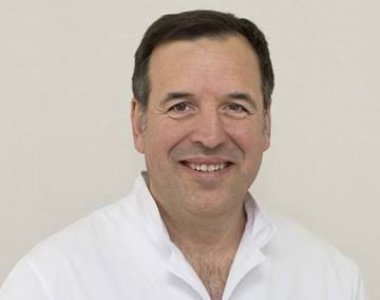
Josep Ramon Claramunt Vives
The doctor is an experienced ENT specialist with over 20 years of clinical practice, currently serving at Centro Médico Teknon in Barcelona and as the Founder and Medical Director of the Instituto Médico Dr. Claramunt. The doctor holds a degree in Medicine and Surgery from the Universidad Central de Barcelona, completed a specialization in Otolaryngology at the Catholic University of Leuven, and undertook a fellowship in ear surgery at the Hospital Universitario San Carlos.
The doctor's clinical focus encompasses general otolaryngology, adult and pediatric ENT care, complex ear surgery, and diagnostic evaluations. Additionally, the doctor holds a Master’s degree in Laser and Phototherapy and is an active contributor to scientific literature in the field.
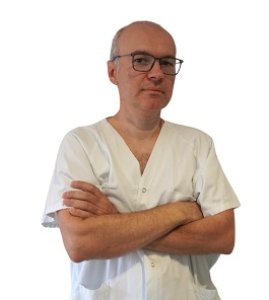
Mircea Liviu Avram

O Connor Reina
Dr. O'Connor is a pioneer in ENT surgery – first to perform a soft palate implant in Spain and author of Europe's first report on injection snoreplasty.
- Co-Director of the Otorhinolaryngology Unit at Quironsalud Marbella since 2006
- President of the Spanish Commission for Respiratory Disorders
- Member of multiple prestigious ENT societies worldwide
- Published first manuscript on radiofrequency treatment for pediatric nasal turbinates
Video Stories from Bookimed Patients
Share this content
 Anna Leonova

Fast Facts about Prosthetic ear

Prosthetic Ear
A prosthetic ear is an artificial device designed to replace the appearance of a natural ear.
FAQ about Prosthetic ear in Spain
What is an auricular epithesis?
An auricular epithesis is a custom silicone prosthesis that replaces a missing or malformed external ear. This specialized device restores facial symmetry for patients with microtia or trauma. Modern options include temporary medical-grade adhesives for children or permanent bone-anchored titanium implants for adults.
- Fixation methods: Medical-grade adhesives provide non-invasive attachment for pediatric patients.
- Skeletal maturity: Titanium implants are reserved for patients who have completed skeletal growth.
- Custom fabrication: Maxillofacial prosthodontists sculpt silicones to match natural skin tone and texture.
- Safety protocols: Patients must remove magnet-based systems before undergoing any MRI procedures.
Bookimed Expert Insight: Spain offers a unique clinical landscape where highly specialized ENT surgeons like Dr. Karin Oomen perform over 5,000 procedures. Leading facilities like Hospital Ruber Internacional combine JCI-accredited safety with advanced imaging. Patients often choose these centers because they provide integrated care between surgical implantation and aesthetic prosthetic fitting in one location.
Patient Consensus: Patients value the artistic collaboration required to match their unique facial features. Many find that permanent implant-based solutions offer greater daily confidence compared to adhesive-mounted options.
How are prosthetic ears attached?
Prosthetic ears are attached using medical-grade adhesive, magnetic retention on bone-anchored titanium implants, or mechanical clipping. Surgeons in Spain utilize JCI-accredited facilities to secure custom silicone prostheses, ensuring anatomical alignment and stability. Magnetic systems require minor surgery but provide the most secure fit for active lifestyles.
- Bone-anchored implants: Titanium screws integrate with skull bone to provide permanent attachment points.
- Magnetic retention: Small magnets inside the prosthesis snap onto titanium implants for easy removal.
- Medical adhesives: Skin-safe glue bonds the silicone directly to the skin for non-surgical cases.
- Mechanical clipping: A bar-and-clip system provides high stability using a titanium framework.
Bookimed Expert Insight: Spain’s ENT specialists, such as Dr. Karin Petra Quirina Oomen who has performed 5,000 procedures, emphasize that titanium implants offer a lifestyle advantage. While adhesives are cheaper, magnetic systems allow patients to use headphones and participate in sports without displacement risks. These bone-anchored systems typically require 2 to 3 months of osseointegration before final fitting.
Patient Consensus: Patients find that magnetic implants offer much better daily stability than adhesives. They frequently mention the need for daily cleaning and recommend replacing the silicone structure every 2 years.
Who are top specialists for prosthetic ears in Spain?
Top prosthetic ear specialists in Spain include Dr. Karin Petra Quirina Oomen in Barcelona and Dr. O Connor Reina in Marbella. These experts specialize in complex auricular reconstruction and osseointegrated surgical solutions for microtia or ear loss within JCI-accredited facilities and specialized ENT units.
- Dr. Karin Petra Quirina Oomen: Surgeon at ANDSURGEONS Clinic Barcelona specializing in pediatric and adult ear reconstruction.
- Dr. O Connor Reina: ENT specialist at Quirónsalud Marbella focusing on minimally invasive prosthetic surgery.
- Dr. Carlos Pollan: Consultant at Centro Médico Teknon Barcelona experienced in complex head and neck procedures.
- José Luis Roch Leuba: Specialist at Centro de Anaplastología Valencia providing custom-made, non-surgical silicone ear prostheses.
Bookimed Expert Insight: While custom silicone prostheses cost $1,800 to $5,000 in Spain, patients often save 56% compared to US averages of $7,800. Data highlights that top specialists like Dr. Karin Oomen have performed over 5,000 procedures, ensuring significant experience for complex cases.
Patient Consensus: Patients recommend verifying if a specialist focuses on cosmetic silicone prosthetics or functional hearing implants. Many suggest contacting hospitals with dedicated craniofacial units to ensure a proper internal referral for adult or pediatric care.
Are there benefits to getting a prosthetic ear in Spain?
Spain offers high-quality prosthetic ear solutions with costs ranging from $1,800 to $5,000. Patients benefit from advanced silicone craftsmanship, JCI-accredited facilities in Madrid and Barcelona, and specialized ENT surgeons providing custom-made 3D surgical modeling for congenital or traumatic ear loss.
- Cost savings: Patients save approximately 56% compared to average US prices of $7,800.
- Surgeon expertise: Specialists like Dr. Karin Oomen in Barcelona have performed over 5,000 procedures.
- Advanced attachment: Clinics offer secure osseointegrated bone-anchored implants or magnetic snap-on attachment systems.
- Elite facilities: Hospital Ruber Internacional holds JCI accreditation and ranks among Spain top 6 hospitals.
Bookimed Expert Insight: Spain medical landscape uniquely blends private luxury with technical ENT depth. While many seek prosthetics for aesthetics, our data shows top surgeons at Quironsalud Marbella often prioritize functional alternatives like cochlear implants. Choose a Spanish clinic if you require complex multidisciplinary care beyond just the external prosthesis.
Patient Consensus: Patients value the natural look of 3D-printed silicone despite the reality that these remain cosmetic. Many emphasize that while prosthetics restore confidence, functional hearing often requires additional medical interventions.
Can I wear glasses or earrings with a prosthetic ear?
Patients can comfortably wear glasses and earrings with a prosthetic ear. Specialized technicians customize the silicone shape to accommodate eyeglass arms. Bone-anchored or magnetic implants provide the necessary stability for standard jewelry. Most prosthetic silicone can be safely pierced for post or hook earrings.
- Stability options: Implant-supported prosthetics offer the most secure base for heavy glasses or frames.
- Eyewear customization: Specialists contour the upper prosthetic rim to fit specific glasses you wear daily.
- Eyewear accessories: Silicone friction sleeves or heat-adjusted temple arms help minimize pressure on the silicone.
- Earring compatibility: You can wear standard jewelry by piercing the prosthetic material with specialist guidance.
Bookimed Expert Insight: While Spain offers high-level expertise, costs range from $1,800 to $5,000. This is roughly 56% less than the $7,800 average in the US. Joint Commission International accredited facilities like Hospital Ruber Internacional ensure materials meet strict safety standards.
Patient Consensus: Many find success using heat-adjusted spectacle arms to better fit their unique head shape. Others prefer headband loops to secure glasses without putting any weight on the prosthetic ear itself.
How long does the process take?
Prosthetic ear restoration in Spain takes between one day and 12 months. Synthetic silicone implants like Medpor require a single outpatient surgery with a few weeks of recovery. Biological rib cartilage reconstruction involves multiple surgical stages spanning 6 to 12 months for completion.
- Planning phase: Consultations and medical imaging typically require 1 to 2 weeks.
- Custom fabrication: Creating a personalized silicone mold takes approximately 2 to 4 weeks.
- Surgical duration: Medpor implants use a single-day outpatient approach for faster results.
- Fitting process: Final adjustments and prosthetic fitting usually require 1 to 2 weeks.
Bookimed Expert Insight: While traditional cartilage reconstruction offers biological longevity, Medpor is becoming the preferred choice in Spain. Clinics like Hospital Ruber Internacional utilize advanced imaging to complete the structural phase in one day. This significantly reduces travel costs for international patients compared to multi-stage rib grafts.
Patient Consensus: Patients report that while surgical recovery takes a few weeks, the custom mold process requires patience. Most feel the realistic appearance justified the month-long wait for fabrication.
How do I choose a clinic?
To choose a prosthetic ear clinic in Spain, prioritize facilities with Joint Commission International accreditation and Ear, Nose, and Throat specialists. Verify surgeon credentials specifically for aural prosthetics, as these require distinct expertise from general plastic surgery or standard ear procedures.
- Accreditation standards: Select clinics like Hospital Ruber Internacional that hold Joint Commission International or ISO certifications.
- Specialized expertise: Seek doctors with ENT backgrounds, such as those at Quirónsalud Marbella or ANDSURGEONS.
- Global recognition: Consider hospitals ranked highly for excellence, including those recognized among Spain top facilities.
- Consultation depth: Ensure the surgeon has experience in cochlear implants or robotic head and neck surgery.
Bookimed Expert Insight: Spain premier hospitals often integrate ENT and maxillofacial departments for prosthetic cases. While costs range from $1,800 to $5,000, top-tier facilities in Madrid and Barcelona offer higher security through advanced technologies like 3-Tesla MRI and robotic systems.
Patient Consensus: Patients emphasize the need to verify surgeon credentials for aural reconstruction specifically. Many suggest checking specialized units in Spain larger hospital networks to ensure the prosthetic matches functional and aesthetic needs.