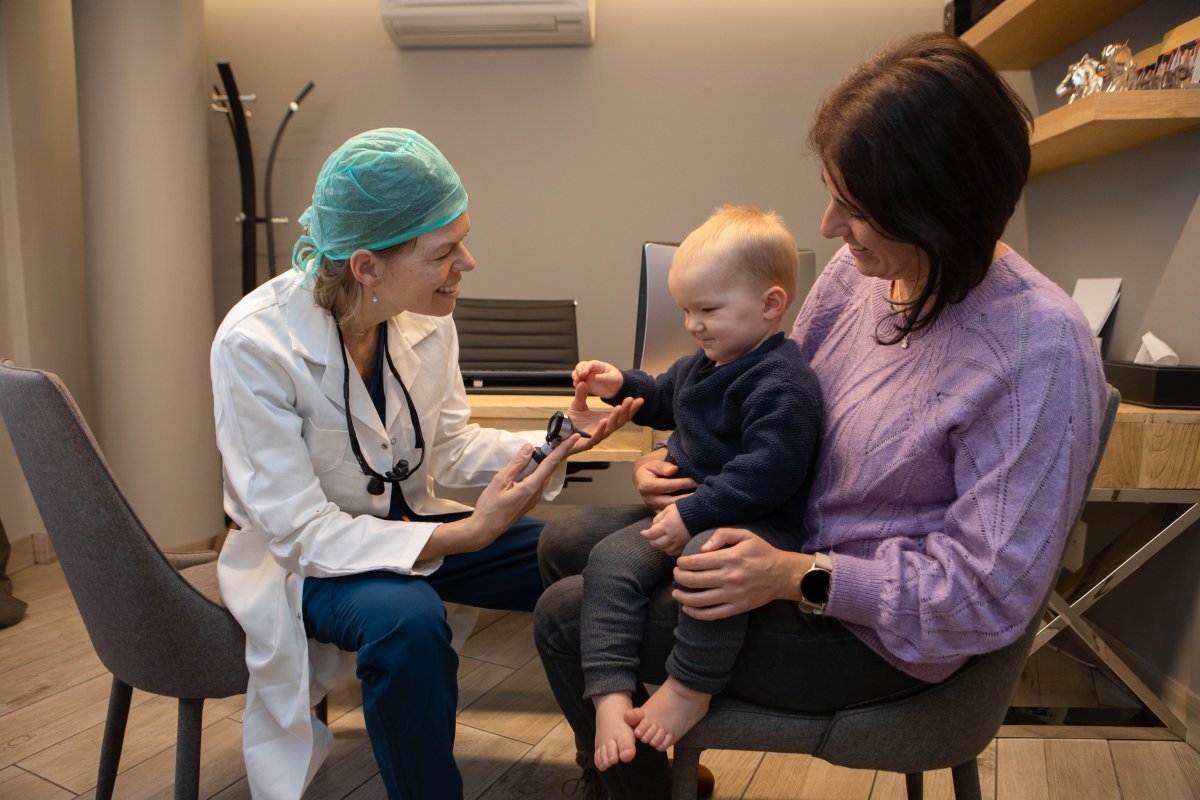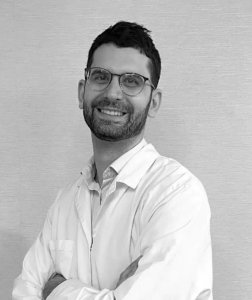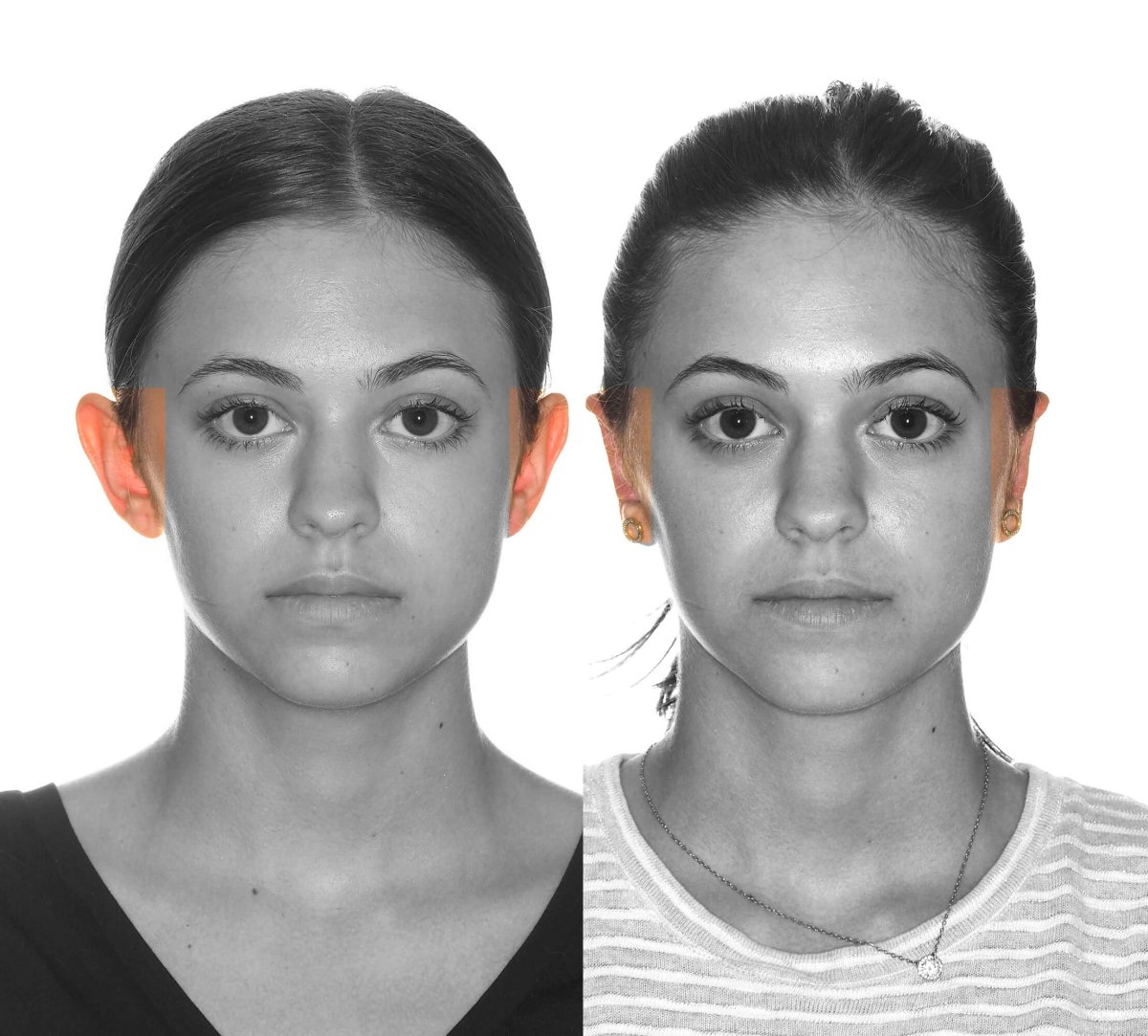

Dr. Javier Herrero Jover, a pioneer in 3D visualization for surgical planning, uses advanced computer-assisted navigation for this ear reshaping procedure at the JCI-accredited Centro Médico Teknon. The package costs around $9,873 and includes complete pre-operative evaluation, high-resolution imaging, all surgical fees, and a 10-day hotel stay. With over 10,000 procedures performed, Dr. Herrero Jover ensures discreet incisions for minimal scarring, and patients typically return to daily activities within 5–7 days.

How it works
How Much Does Otoplasty (ear surgery) Cost in Spain?
Otoplasty in Spain typically costs from $1,600 to $2,500 depending on the surgical technique, clinic location, and case complexity. Patients can save approximately 65% compared to the United States, where the average price is $6,000. Most Spanish packages include surgeon fees, anesthesia, 3D surgical modeling, and follow-up care in major hubs like Madrid and Barcelona.
- Ear reconstruction: $3,800 to $6,800 for complex structural or congenital cases.
- Ear lift surgery: $2,800 to $4,500 for cosmetic ear positioning.
- Prosthetic ear: $1,800 to $5,000 for advanced restorative solutions.
- Regional variations: Costs in tourist-heavy areas like Marbella may start 15% lower than in Madrid.
- No-bandage technique: Innovative methods using specialized suturing often bypass traditional bulky post-op dressings.
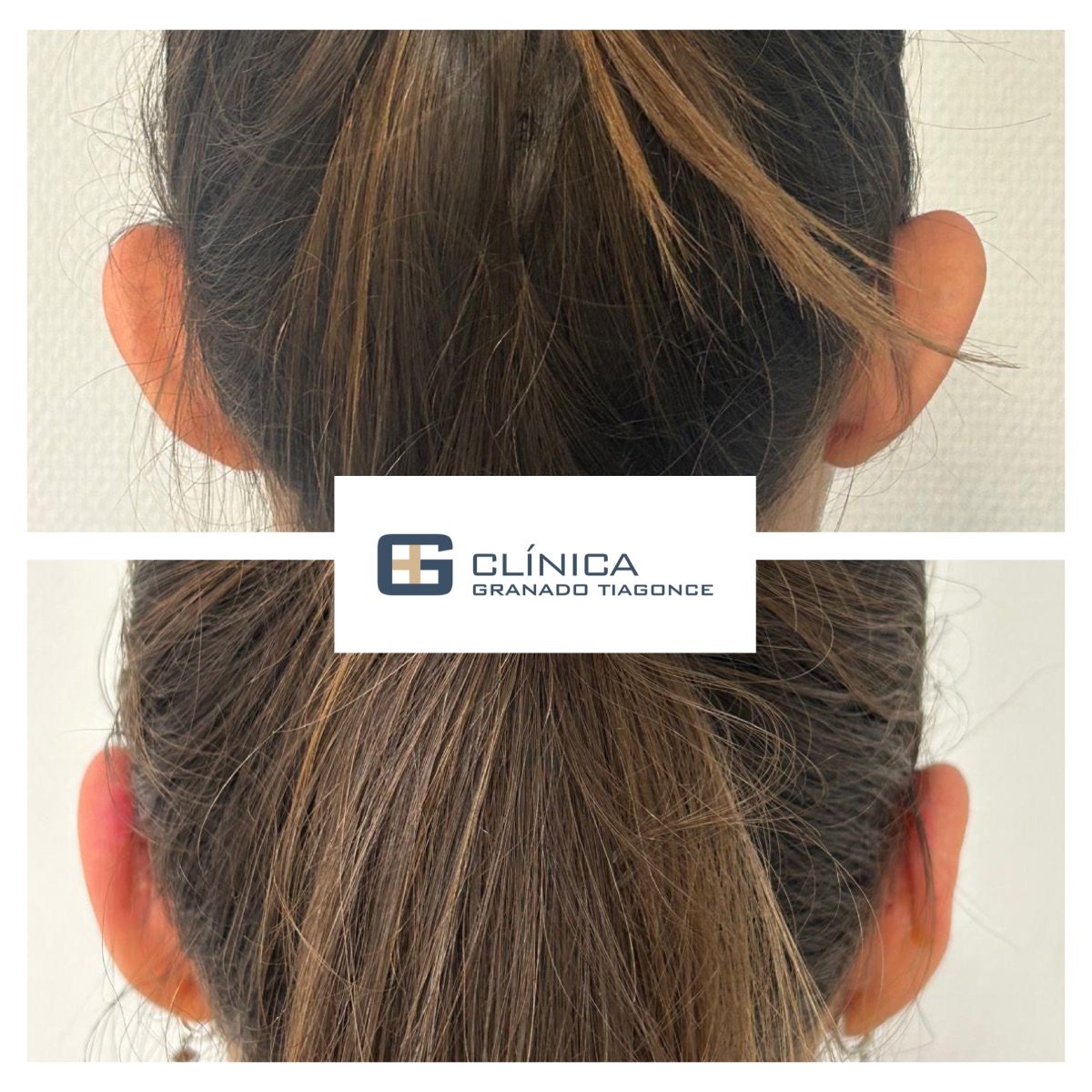
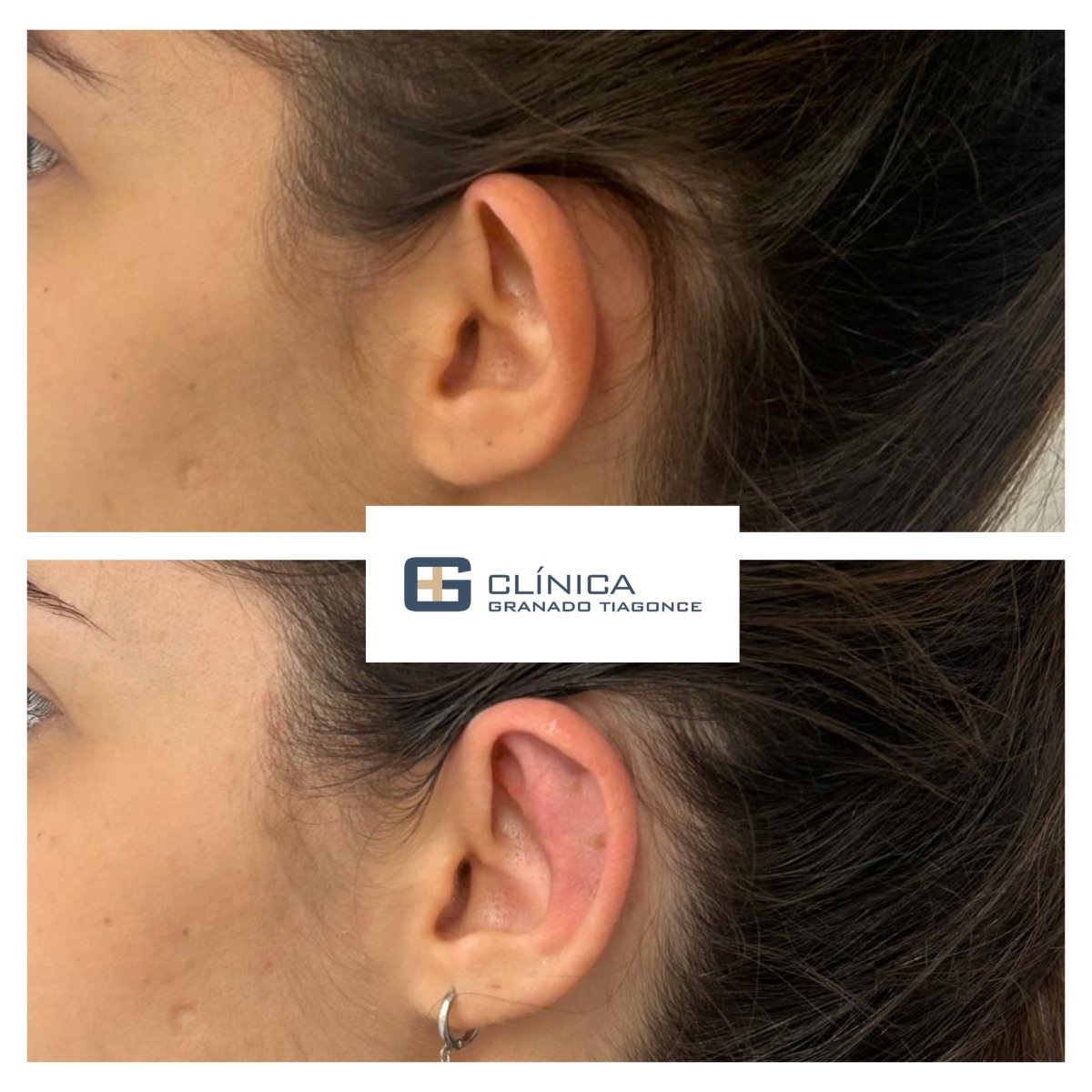
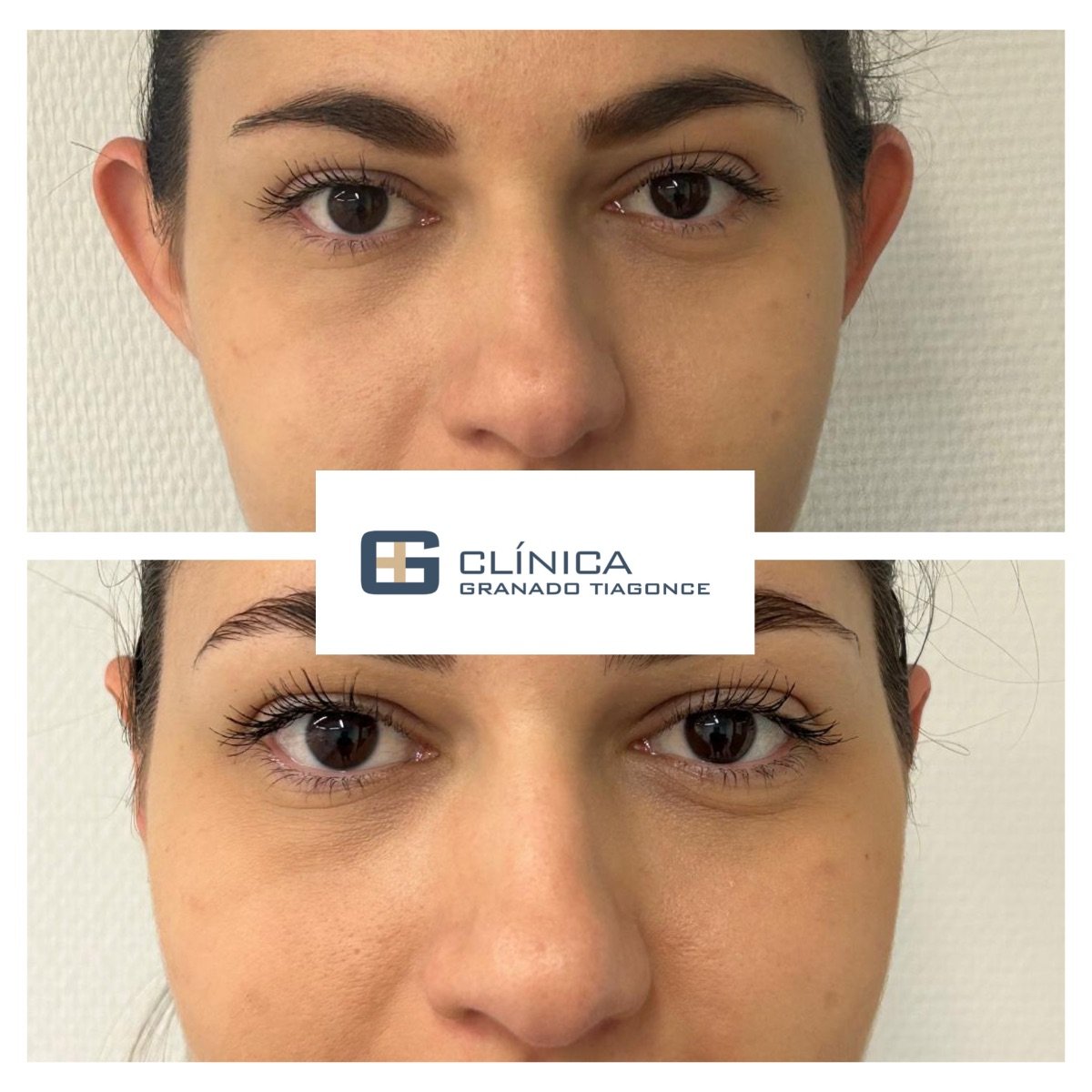
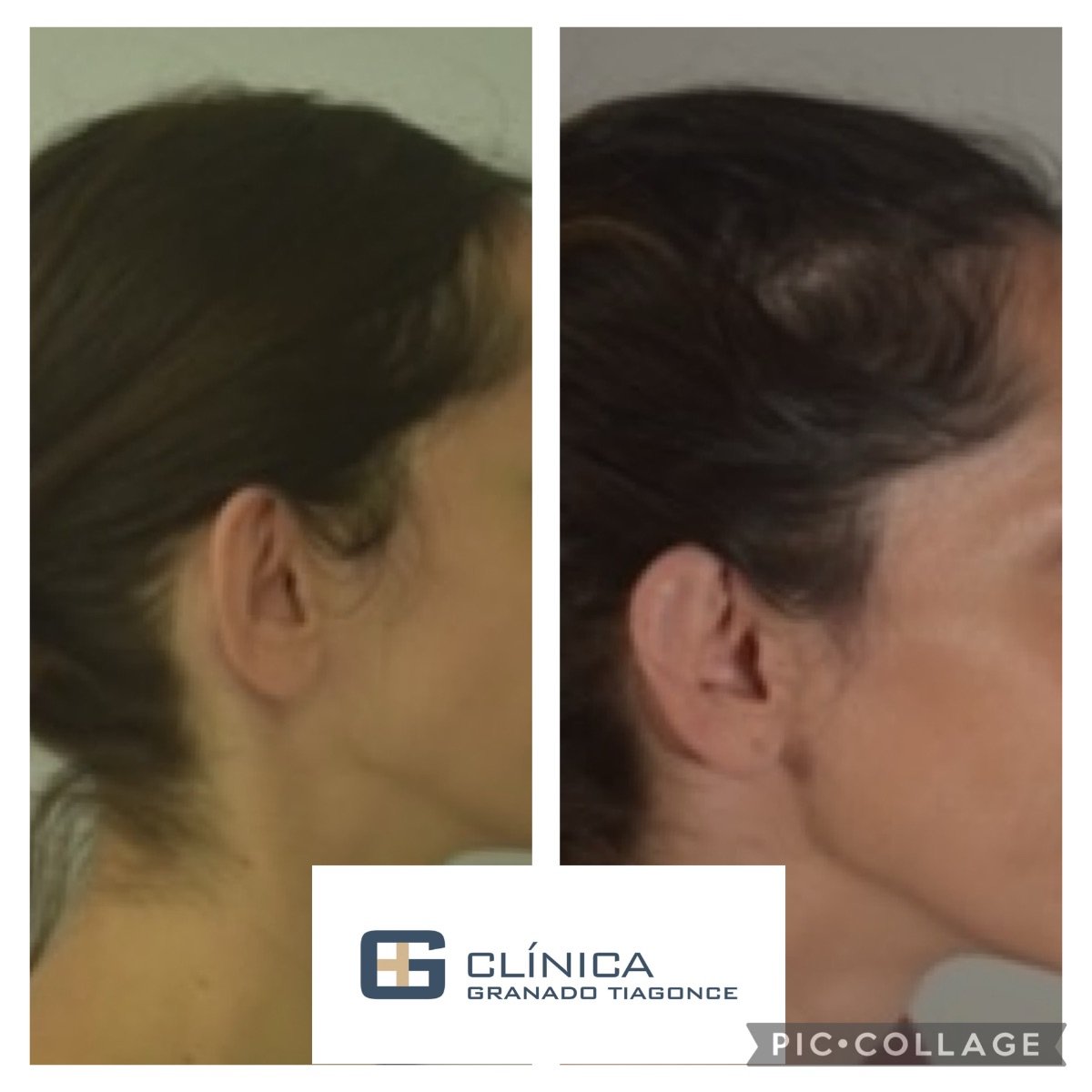
Bookimed Expert Insight: Choosing a clinic with advanced 3D planning offers the best value for aesthetic precision. For instance, Centro Médico Teknon uses virtual navigation for patients, including professional athletes and celebrities. While their specialized packages start around $10,550, they include ten days of hotel stay. Alternatively, Clinica Granado Tiagonce in Madrid offers "no-bandage" technology for approximately $3,300, which significantly simplifies the early recovery phase.
| Spain | Turkey | The USA | |
|---|---|---|---|
| Otoplasty (ear surgery) | from $1,600 | from $900 | from $4,500 |
| Prosthetic ear | ≈ $1,800 | from $4,200 | ≈ $4,500 |
| Preauricular Skin Tag Removal | ≈ $750 | ≈ $450 | ≈ $1,500 |
| Ear lift surgery | ≈ $2,800 | from $1,500 | ≈ $4,500 |
| Ear Reconstruction | ≈ $3,800 | from $3,000 | ≈ $9,000 |
Otoplasty (ear surgery) Packages in Spain — November 2026

Clínica San Clemente has provided expert care for over 20 years, serving 5,000+ patients annually. Dra. Sonia Peña leads the surgical unit with over 20 years of specialized experience in reconstructive procedures. The clinic stands out by including manual lymphatic drainage and Indiba radiofrequency therapy to speed up recovery. These sessions, along with a full year of follow-up care, are typically included in the treatment plan. The facility is affiliated with the Hernán Cortés hospital group and holds multiple patient service awards.
Discover the Best Otoplasty (ear surgery) Clinics in Spain: 18 Verified Options and Prices
Clinica Granado Tiagonce
Agustin Granado Tiagonce


ANDSURGEONS Clinic
Volkert Boudewijn Wreesmann

Hospital HM Nou Delfos
Rodrigo Rocamora


Policlinica Ntra. Sra. del Rosario
Otoplasty (ear surgery) in Spain: Your Travel Plan
Day 1: Arrival in Spain
- Upon landing in Spain, you should ensure you have all necessary documentation, including passports and medical history documents. These are required for your initial consultation and preoperative examinations.
- Settle into your accommodation. Ensure you have the clinic's contact information for any immediate concerns or clarifications.
- Rest and hydrate well to prepare for the upcoming medical appointments.
Day 2: Preoperative Consultation and Examinations
- You need to attend the scheduled consultation with the surgeon specializing in otoplasty.
- Undergo a physical examination of the ears to determine the best surgical approach. This may include medical imaging if necessary to assess the ear cartilage and structure.
- Complete any required blood tests and general health evaluations to ensure safe anesthesia administration.
- Discuss anesthesia options, which may include local anesthesia with sedation or general anesthesia, depending on personal needs and preferences.
- Confirm the surgical plan and address any questions or concerns you may have with the surgeon.
Day 3: Rest Day
- Use this day to rest and relax. Avoid any strenuous activities to ensure you're in the best condition for surgery.
- Prepare any items you might need post-surgery, such as comfortable clothing and prescribed medications.
- Maintain a light diet and stay hydrated.
Day 4: Otoplasty Surgery
- Arrive at the clinic at the scheduled time for the otoplasty procedure.
- The surgery typically lasts 1.5 to 2 hours. The incision is made behind the ear to ensure no visible scars. The cartilage is reshaped and secured with sutures.
- Post-surgery, you will be monitored for a few hours before being discharged the same day, as it is an outpatient procedure.
- Receive postoperative care instructions, including how to manage mild swelling and discomfort with prescribed pain relievers.
Day 5-11: Postoperative Recovery
- Wear a protective bandage for the first 5-7 days as instructed by your surgeon.
- Avoid strenuous activities for about two weeks to ensure proper healing.
- Attend any scheduled follow-up consultations included in the surgical package to monitor recovery progress.
- Maintain a healthy diet and stay hydrated to support the healing process.
Day 12: Final Follow-Up and Preparation for Departure
- Attend a final follow-up consultation to ensure that healing is progressing as expected.
- Discuss any concerns or questions you may have with the surgeon.
- Receive clearance to travel and any additional postoperative care instructions to follow once you return home.
- Prepare for your departure, ensuring you have all necessary medical documentation and contact information for future correspondence with the clinic if needed.
Day 13: Departure from Spain
- Check out of your accommodation and proceed to the airport for your return flight home.
- Continue to follow postoperative care instructions and attend any additional follow-up appointments as recommended by your surgeon upon returning home.
- Contact the clinic if any unexpected issues arise during your recovery period.
Our Trusted Doctors
View all Doctors
Javier Herrero Jover
Dr. Javier Herrero Jover pioneers 3D surgical planning for otoplasty, ensuring precision and personalized results at Centro Médico Teknon.
- 46 years of experience in aesthetic and reconstructive surgery
- Founder of Alma IT Systems for advanced virtual surgical planning
- Leads a dedicated team focused on natural, safe aesthetic outcomes
- Internationally recognized speaker at 350+ congresses and author of 150+ publications
- Specializes in otoplasty techniques tailored for both adults and children

Roberto Herrero

Vicente Paloma
Forbes-ranked among Spain's top 100 doctors – Dr. Paloma leads plastic surgery at Centro Medico Teknon with 38 years of experience.
- Specializes in revision rhinoplasty and otoplasty
- Heads one of Teknon's plastic surgery teams since 1997
- Recognized as one of Europe's top rhinoplasty surgeons

Jordi Coromina Isern
Dr. Jordi Coromina Isern is the director of Otolaryngology at Centro Médico Teknon in Barcelona. He pioneered the use of Da Vinci robotic surgery for ENT care in Spain. Dr. Coromina holds the César Bertrán Award for surgical innovation. He completed fellowships at Mayo Clinic and Boston Children’s Hospital.
- Specializes in cochlear implants, cleft palate repair, and laser-assisted head and neck surgery.
- Pioneered diode-laser tonsillotomy to ensure faster recovery for pediatric patients.
- Authored over 40 peer-reviewed articles on sleep apnea and micro-surgical oncology.
- Works at JCI-accredited Centro Médico Teknon, a preferred facility for international athletes.
Video Stories from Bookimed Patients
Reviews about Bookimed: Discover Patients' Insights
All reviewsOtoplasty (ear surgery): Before & after photos
View allRelated Articles

Affordable Otoplasty Guide 2025: Complete Cost Breakdown & Budget-Friendly Options Worldwide
Written by Mariia Mytrofankina

Correcting the Left Earlobe: Mark’s Otoplasty Journey
Written by Kateryna Zamkovska
Share this content
Anna Leonova
Our Otoplasty (ear surgery) Techniques: What Suits You Best?
When considering Otoplasty (ear surgery), it’s important to understand the different techniques and which is best suited for you. Here’s a concise comparison of popular options:

Ear Reconstruction
Ear reconstruction is a surgical procedure to restore the form and function of a damaged or missing ear.

Prosthetic Ear
A prosthetic ear is an artificial device designed to replace the appearance of a natural ear.

Ear Lift Surgery
Ear lift surgery is a cosmetic procedure aimed at reshaping and lifting the ears for aesthetic enhancement.
FAQ about Otoplasty (ear surgery) in Spain
Is the result of otoplasty permanent?
Otoplasty results are lifelong and considered permanent once the ears have fully healed. Surgeons reshape the cartilage and secure it with permanent sutures to prevent the ears from returning to their original position. Minor changes may only occur due to natural aging or significant injury.
- Suture stability: Permanent sutures maintain the new ear shape by securing reshaped cartilage during healing.
- Settling period: Ear positioning settles into its final natural look over 3 to 6 months post-op.
- Age factor: Adult cartilage provides higher stability, though results are also lasting for young children.
- Reversion risk: Reversion is very rare when performed by board-certified surgeons using appropriate internal fixation.
Bookimed Expert Insight: Data from top Spanish clinics shows a shift toward advanced 3D modeling and no-bandage techniques to improve long-term symmetry. At Centro Médico Teknon, Professor Javier Herrero Jover utilizes 3D planning to visualize permanent outcomes before the first incision. This precision reduces the rare need for future adjustments and ensures the final result matches the initial surgical plan.
Patient Consensus: Patients emphasize that ears appear very close to the head initially and gradually settle into a natural position. Many highlight the importance of high-quality permanent sutures to prevent any partial reversion years after the procedure.
Does otoplasty affect my hearing?
Otoplasty does not affect hearing because the surgery only reshapes the outer ear cartilage. The procedure focuses on the pinna and does not involve the middle or inner ear structures. Advanced techniques in Spain ensure these sound-transmitting components remain completely untouched during surgery.
- Surgical focus: Procedures target only the auricle cartilage to correct prominent or misshapen ears.
- Hearing safety: The ear canal and eardrum are not modified during standard cosmetic reshaping.
- Sensory changes: Patients may experience temporary numbness or pressure rather than actual hearing loss.
- Advanced planning: Surgeons use 3D modeling to ensure precise results without impacting auditory function.
Bookimed Expert Insight: Data from top Spanish clinics like Centro Médico Teknon shows that experienced surgeons use 3D surgical planning to maximize precision. This clinical approach confirms that cosmetic changes are strictly external. Choosing a specialist with over 10,000 procedures further ensures the focus remains on aesthetic cartilage molding without risk to hearing.
Patient Consensus: Patients often report a temporary muffled sensation caused by postoperative headbands or swelling. These feelings typically resolve once bandages are removed and the initial healing phase concludes.
At what age is otoplasty recommended for children?
Otoplasty is typically recommended for children aged 5 to 6 years. At this stage, ears have reached 90% of adult size, ensuring stable surgical results. Performing the procedure before school starts helps prevent psychological distress from bullying while ensuring the cartilage is firm enough to hold its new shape.
- Developmental milestone: Ears are physically mature enough by age 5 for permanent surgical outcomes.
- Psychological timing: Surgery before ages 9 to 11 prevents school-based teasing or emotional distress.
- Recovery period: Patients need 1 to 2 weeks away from school and physical sports.
- Post-operative care: Children must wear protective headbands continuously for up to 2 weeks.
Bookimed Expert Insight: While age 5 is the medical minimum, many top Spanish specialists, like those at Centro Médico Teknon, now use 3D modeling and navigation. This technology allows children and parents to visualize exact outcomes during the consultation, which helps older children participate more actively in the final decision-making process.
Patient Consensus: Parents frequently emphasize that while surgery is possible at age 5, waiting until the child expresses their own desire for the change often leads to better cooperation during the recovery phase.
How long does an otoplasty procedure last?
Otoplasty in Spain typically lasts 1 to 3 hours depending on the anatomical corrections required. Surgeons often perform the procedure under local anesthesia with sedation for adults or general anesthesia for children. Most patients return home the same day as hospitalization is rarely necessary.
- Surgical duration: Most ear corrections reach completion within 60 to 180 minutes per session.
- Anesthesia options: Clinics offer local anesthesia for minor adjustments or general anesthesia for complex cases.
- Hospital stay: Patients typically require 0 days of hospitalization and go home after brief observation.
- Initial recovery: Expect to resume a light routine and return to work within 7 to 14 days.
Bookimed Expert Insight: Advanced 3D modeling at centers like Centro Médico Teknon significantly streamlines the surgical process. By visualizing the final ear position before the first incision, surgeons reduce intraoperative trial-and-error. This precision often leads to shorter operating times and more predictable aesthetic results.
Patient Consensus: Expect the first 5 to 10 days to be the most uncomfortable due to pressure from bandages. Most patients find that wearing front-opening clothes and sleeping upright helps protect the ears during early healing.