Stem Cell Therapy for ALS (Amyotrophic Lateral Sclerosis) in Spain — Get 3 Top Clinic Matches with Costs


Medically reviewed by
Fahad Mawlood
How Much Does Stem cell therapy for ALS (amyotrophic lateral sclerosis) Cost in Spain?
The cost of stem cell therapy for ALS in Spain typically ranges from $9,000 to $16,000. Prices can vary depending on the clinic, the type of stem cells used (autologous vs. allogeneic), the number of treatment cycles, and the experience of the medical team. In the United States, the average price is $26,500. This means stem cell therapy for ALS in Spain is about 53% less than in the U.S.
Spanish clinics usually offer packages that include initial consultation, laboratory tests, stem cell harvesting and processing, the infusion procedure, and post-treatment monitoring. In the U.S., costs often cover only the procedure itself, with additional charges for lab work, follow-up visits, and aftercare. Always confirm exactly what each clinic’s package includes before booking.
| Turkey | Austria | Spain | |
|---|---|---|---|
| Stem cell therapy for ALS (amyotrophic lateral sclerosis) | from $10,000 | ≈ $14,000 | ≈ $9,000 |
Your Benefits and Guarantees with Bookimed
Transparent Prices & Flexible Installments
No hidden fees – just official clinic prices. Pay at the clinic for Stem cell therapy for ALS (amyotrophic lateral sclerosis) upon arrival and use a flexible installment plan if needed.
Verified Clinics & Doctors Only
Bookimed is committed to your safety. We only work with medical institutions that maintain high international standards in Stem cell therapy for ALS (amyotrophic lateral sclerosis) and have the necessary licenses to serve international patients worldwide.
Free 24/7 Assistance
Bookimed offers free expert assistance. A personal medical coordinator supports you before, during, and after your treatment, solving any issues. You're never alone on your Stem cell therapy for ALS (amyotrophic lateral sclerosis) journey.

Your personal Bookimed medical coordinator
- Supports you at every stage
- Helps choose the right clinic and doctor
- Ensures quick and convenient access to information
Discover the Best Stem cell therapy for ALS (amyotrophic lateral sclerosis) Clinics in Spain: 1 Verified Option and Prices
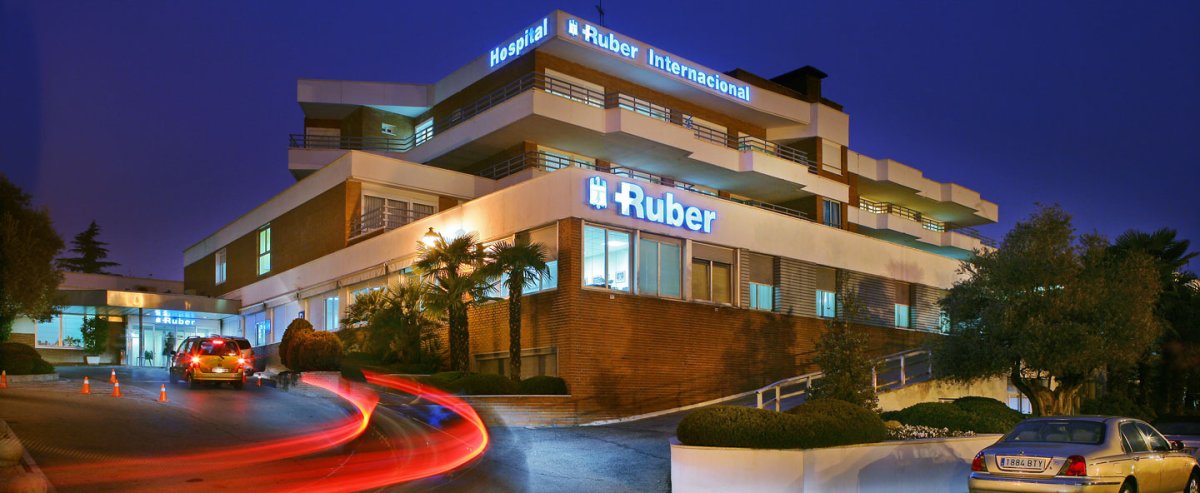


Stem cell therapy for ALS (amyotrophic lateral sclerosis) Overview in Spain
- Stem Cell Therapy - from $41,700This therapy is a treatment using body cells to repair damaged tissues. It"s efficient, safe, and versatile.
- Bookimed deposit: $200 or €200.
- Clinic deposit: Pay a set percentage in advance.
Video Stories from Bookimed Patients
Share this content
 Anna Leonova

FAQ about Stem cell therapy for ALS (amyotrophic lateral sclerosis) in Spain
Is stem cell therapy a standard or approved cure for ALS in Spain?
Stem cell therapy is not a standard or approved cure for ALS in Spain. The Spanish Agency of Medicines and Medical Devices (AEMPS) classifies these procedures as investigational. Current medical care in Spain relies on approved pharmacological options like Riluzole to slow progression.
- Regulatory status: The AEMPS considers stem cells experimental for ALS treatment.
- Authorized access: Legitimate treatments are strictly limited to formal clinical trials.
- Current standards: Spanish healthcare uses Riluzole and targeted genetic therapies.
- Disease reality: ALS remains progressive without a recognized medical cure globally.
Bookimed Expert Insight: While Spain hosts top-tier JCI-accredited centers like Hospital Ruber Internacional in Madrid, they prioritize evidence-based protocols. Patients often find that reputable Spanish hospitals focus on multidisciplinary supportive care. This approach often leads to better quality of life than unproven commercial clinics.
Patient Consensus: Many families emphasize the need to distinguish between regulated clinical trials and paid commercial offers. Practical advice from others often warns against clinics promising disease reversal or guaranteed results.
What regulatory and safety warnings should patients keep in mind regarding stem cell therapy for ALS?
Regulatory bodies including the FDA and ALS Association warn that no stem cell therapy is currently approved to treat or cure ALS. Most procedures remain experimental and occur within clinical trials. Patients must distinguish between regulated hospital-based research and unproven commercial clinics lacking scientific backing.
- Regulatory status: No regenerative medicine products are currently approved for treating neurological disorders.
- Injection risks: Administration via spinal cord injection may cause bleeding, infection, or spinal damage.
- Biological hazards: Improperly cultured cells carry risks of forming tumors or unregulated tissue growth.
- Commercial warnings: High upfront payments and breakthrough language often signal unproven, sales-driven medical models.
Bookimed Expert Insight: While Spain features JCI-accredited centers like Hospital Ruber Internacional, patients should note that high-tech infrastructure does not equate to approved ALS treatments. Valid research in Spain typically occurs within multidisciplinary hospital settings rather than standalone commercial clinics. Always verify if a protocol is registered with national health authorities before proceeding.
Patient Consensus: Many families caution against the physical and financial exhaustion caused by chasing unproven cures. Patients emphasize prioritizing multidisciplinary care while remaining highly suspicious of clinics promising survival benefits without peer-reviewed data.
How do stem cells theoretically help patients with ALS?
Stem cell therapy for ALS theoretically works by modifying the toxic central nervous system environment to protect surviving motor neurons. Rather than replacing nerves, these cells release neurotrophic factors and anti-inflammatory cytokines that reduce cellular stress, slow neuroinflammation, and support existing neuromuscular junctions.
- Trophic support: Stem cells secrete survival proteins like BDNF to protect damaged neural tissue.
- Immunomodulation: Mesenchymal stem cells (MSCs) calm aggressive immune cells to reduce chronic inflammation.
- Glial restoration: Healthy cells may replace dysfunctional astrocytes to balance toxic chemicals like glutamate.
- Disease modeling: Patient-specific induced pluripotent stem cells (iPSCs) allow researchers to screen experimental drugs.
Bookimed Expert Insight: While Spain offers high-end care at JCI-accredited facilities like Hospital Ruber Internacional, patients should distinguish between cellular support and nerve replacement. Data shows stem cell therapy in Spain costs $9,000 to $16,000, offering significant savings of 53% compared to US averages of $26,500.
Patient Consensus: Patients prioritize slowing disease progression and protecting surviving neurons over seeking a complete cure. Many highlight the importance of verifying that protocols are part of registered clinical trials with established safety data.
Where in Spain are cell-based therapies or related evaluations offered for ALS?
Spain offers evaluations and clinical trials for cell-based ALS therapies in Madrid, Barcelona, and Pamplona. Research primarily occurs at academic centers like La Princesa University Hospital, Hospital Puerta de Hierro, and Clínica Universidad de Navarra under strict European regulatory frameworks and AEMPS authorization.
- Madrid hubs: La Princesa and Hospital Ruber Internacional conduct authorized neurodegenerative clinical research.
- Barcelona centers: Hospital Quirónsalud and Centro Médico Teknon manage multidisciplinary trials and pilot studies.
- Pamplona facilities: Clínica Universidad de Navarra operates specialized cell therapy departments meeting high standards.
- Regulatory oversight: All cell-based interventions must proceed through ethical, strictly controlled hospital research trials.
Bookimed Expert Insight: While private clinics exist, top-tier research in Spain is concentrated in hospitals with JCI and ISO certifications. Hospital Ruber Internacional, ranked in Spain's top 6 by Forbes, serves 25,000 patients annually. This high volume across 42 departments ensures robust infrastructure for complex neurological evaluations.
Patient Consensus: Patients emphasize prioritizing hospital-based trials over private commercial packages. Many caution that current cell therapies are experimental and lack proven survival benefits for ALS.