Surgical Treatment of Valgus Deformity in Spain — Get 3 Top Clinic Matches with Costs


Medically reviewed by
Fahad Mawlood
How Much Does Surgical treatment of valgus deformity Cost in Spain?
Surgical treatment of valgus deformity in Spain typically costs from $4,600 to $7,200. The final price depends on the surgical technique, such as minimally invasive or osteotomy, and the clinic location. Patients save around 57% compared to the US, where the average cost is $13,800. Standard inclusions include specialist consultations, pre-operative exams, surgical materials, and anesthesia.
- Minimally invasive technique: Usually the most affordable option for mild cases without bone cutting.
- Osteotomy: Generally costs 20-30% more for severe misalignments requiring bone realignment and fixation.
- 3D correction: Premium procedures like 3D Lapidus can double the cost at specialized centers.
- Regional hubs: Prices in Barcelona and Madrid often run 15-20% higher than in Alicante.
Bookimed Expert Insight: Choosing JCI-accredited centers like Clinica Universidad de Navarra or Centro Médico Teknon ensures elite care. Teknon is famous for treating elite athletes and offers advanced stem cell therapy for recovery. While prices in Barcelona are higher, these clinics provide high-tech imaging like EOS for precise planning. For complex cases, the 95% limb preservation rate at Navarra Hospital highlights the value of expertise.
| Turkey | Austria | Spain | |
|---|---|---|---|
| Surgical treatment of valgus deformity | from $4,300 | ≈ $5,600 | ≈ $4,600 |
Your Benefits and Guarantees with Bookimed
Transparent Prices & Flexible Installments
No hidden fees – just official clinic prices. Pay at the clinic for Surgical treatment of valgus deformity upon arrival and use a flexible installment plan if needed.
Verified Clinics & Doctors Only
Bookimed is committed to your safety. We only work with medical institutions that maintain high international standards in Surgical treatment of valgus deformity and have the necessary licenses to serve international patients worldwide.
Free 24/7 Assistance
Bookimed offers free expert assistance. A personal medical coordinator supports you before, during, and after your treatment, solving any issues. You're never alone on your Surgical treatment of valgus deformity journey.

Your personal Bookimed medical coordinator
- Supports you at every stage
- Helps choose the right clinic and doctor
- Ensures quick and convenient access to information
Discover the Best Surgical treatment of valgus deformity Clinics in Spain: 4 Verified Options and Prices







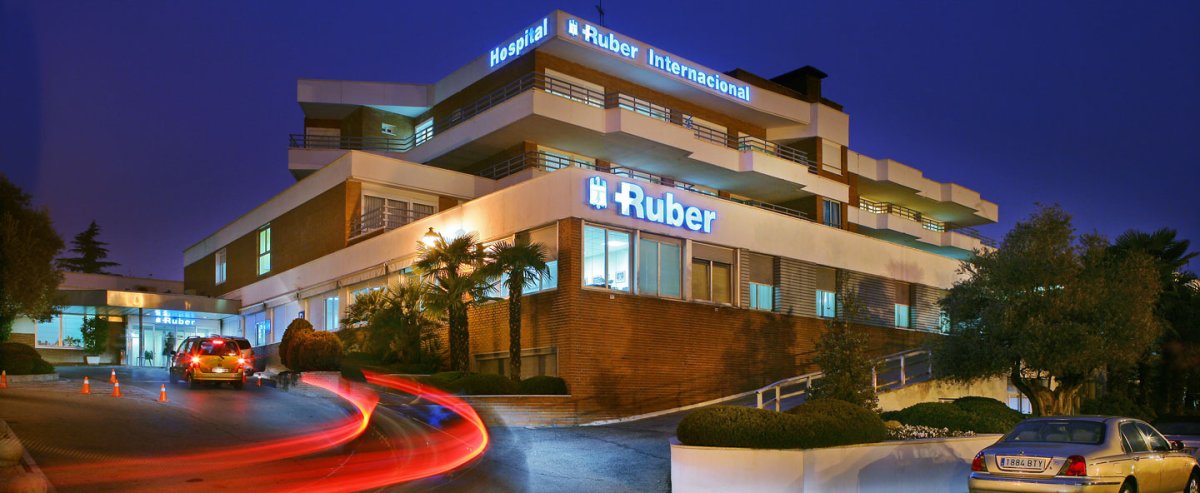
Hospital Ruber Internacional
Pablo De La Cuadra











Surgical treatment of valgus deformity Overview in Spain
- Surgical treatment of valgus deformity - from $4,600The operation corrects bunion misalignment, involving precise bone-cutting and realignment, bringing pain relief and improved foot functionality.
- Hallux valgus surgery - from $6,500This procedure corrects bunions by realigning the toe, relieving pain and improving foot appearance.
- Lapidus Procedure 3D Bunion Correction (Hallux Valgus) - from $4,300This procedure realigns skewed foot bones, addressing the root cause of bunions with minimal reoccurrence risk.
- Hallux Valgus - 3D Lapidus Procedure - from $4,800This operation rectifies bunion deformities by realigning bones in 3D, leading to permanent, pain-free outcomes.
Day 1
- Arrive at the clinic.
- Complete admission paperwork.
- Consult with orthopedic surgeon.
Day 2
- Undergo necessary medical tests.
- Meet anesthesiologist for anesthesia discussion.
Day 3
- Prepare for surgery: fasting and cleansing.
- Undergo preoperative procedures if needed.
Day 4
- Undergo surgical treatment of valgus deformity.
- Surgery lasts 1-2 hours under general anesthesia.
- After surgery, move to recovery room for monitoring.
Day 5 - 7
- Stay in the clinic for postoperative care.
- Manage pain with prescribed medication.
- Start physical therapy sessions.
Week 2
- Discharge from the clinic.
- Continue physical therapy at home.
Weeks 3 - 6
- Gradually resume daily activities.
- Continue physical therapy.
Week 7
- Return to work, depending on job nature.
- Resume sports activities cautiously.
Week 12
- Expected to see the final result of surgery.
Note: The above timeline may vary as each patient"s case is individual. Always follow your doctor"s advice.
- Bookimed deposit: $200 or €200.
- Clinic deposit: Pay a set percentage in advance.
Our Doctors
View all DoctorsPablo De La Cuadra
Leading expert in minimally invasive arthroscopic techniques with 25+ years focusing on complex joint reconstruction at Hospital Ruber Internacional.
- Specializes in sports traumatology and shoulder surgery
- Head of a dedicated traumatology team
- Expert in rapid recovery protocols for athletes
- PhD in Medicine from Autonomous University of Madrid
- Associate Professor teaching orthopedic surgery

Inmaculada Gómez Arrayás
Dr. Inmaculada Gómez Arrayás is one of the top 100 doctors in Spain according to Forbes. She serves as the Head of Traumatology at Ruber Internacional Hospital in Madrid. Dr. Arrayás is a pioneer in using navigation systems for precise joint replacement surgery. She specializes in minimally invasive hip and knee procedures and accelerated recovery protocols.
- Holds ISO 9001 certification for quality in hip and knee replacement surgeries.
- Performs knee and hip arthroscopy alongside complex joint reconstructions and revisions.
- Serves as an international member of the American Academy of Orthopaedic Surgeons.
- Participates in clinical trials for venous thromboembolism prevention after joint surgery.

Javier Albiñana
Over 41 years of orthopedic expertise specializing in pediatric conditions like valgus deformity. Dr. Albiñana combines longstanding clinical practice with academic research.
- Head of Pediatric Orthopedics at La Paz Hospital for 41 years
- Fellowship-trained at University of Iowa and Oxford University
- Associate Professor at Autonomous University of Madrid
- Published multiple studies on hip dysplasia treatments

Pedro Delgado
Dr. Delgado leads the Traumatology and Orthopedic Surgery service at HM Montepríncipe University Hospital, specializing in hand surgery.
- Head of Traumatology and Orthopedic Surgery service
- Works alongside specialists with international training
- Part of a team with European diploma in Hand Surgery
Reviews about Bookimed: Discover Patients' Insights
All reviews
Share this content
Video Stories from Bookimed Patients
 Anna Leonova

FAQ about Surgical treatment of valgus deformity in Spain
When is surgery necessary for a valgus deformity?
Surgery for valgus deformity becomes necessary when chronic pain, joint instability, or severe mechanical misalignment limiting daily mobility occur. Orthopedic surgeons recommend intervention when structural bone changes cause functional impairment or accelerated arthritis that non-surgical methods like physical therapy cannot resolve.
- Functional impairment: Persistent difficulty walking, climbing stairs, or fitting standard footwear safely.
- Severe misalignment: Mechanical axis deviation exceeding 10 millimeters toward the lateral side.
- Conservative failure: Symptoms persist after consistent use of bracing and specialized lifestyle adjustments.
- Arthritis progression: Rapid destruction of joint space or structural damage confirmed via imaging.
Bookimed Expert Insight: Spain’s leading orthopedic centers, such as Hospital Ruber Internacional and Centro Médico Teknon, use high-precision EOS imaging to map musculoskeletal alignment. This technology allows surgeons to select between distal femoral osteotomy for younger patients or tricompartmental knee replacement for older adults. Choosing a facility with JCI accreditation ensures access to advanced navigation systems that improve alignment accuracy during corrective procedures.
Patient Consensus: Patients emphasize waiting until pain is chronic before choosing surgery, as exercises only manage symptoms without correcting bone structure. Many suggest that younger patients recover faster, often preventing years of progressive joint damage and early-onset arthritis.
What types of surgical techniques are used in Spain?
Spanish surgical centers utilize advanced minimally invasive techniques, robotic-assisted systems like Da Vinci Xi, and specialized orthopedic approaches including arthroscopy and osteotomy. These methods prioritize tissue preservation and accelerated recovery through protocols like ERAS, supported by JCI-accredited infrastructure in cities like Madrid and Barcelona.
- Robotic systems: Clinics use Da Vinci Xi and CyberKnife for high-precision oncology and gynecological procedures.
- Orthopedic innovation: Surgeons perform navigated joint replacements and arthroscopic reconstructions for hip and knee conditions.
- Minimally invasive: Approaches like microdiscectomy and Lapidus fusion reduce incisions and shorten hospital stays.
- Musculoskeletal imaging: High-precision EOS technology allows for accurate surgical planning and complex deformity correction.
Bookimed Expert Insight: Spain’s surgical landscape is uniquely defined by its high-volume private hospitals like Hospital HM Nou Delfos, which serves 400,000 patients annually. This massive scale allows surgeons to achieve a level of technical mastery that contributes to the high limb preservation rates reported at centers like Navarra Hospital.
Patient Consensus: Patients value the seamless integration of professional interpreters during detailed surgical consultations. Many prioritize permanent structural solutions like joint stabilization over temporary fixes, despite the longer recovery periods required for full bone fusion.
How long does it take to recover from bunion surgery?
Bunion surgery recovery typically spans 6 weeks to 6 months for functional mobility, though internal bone healing requires 12 months. Patients usually resume walking in specialized boots within 3 weeks, while minimally invasive techniques in Spain often accelerate timelines compared to traditional open osteotomy.
- Initial immobilization: Patients typically remain non-weight-bearing for 1 to 2 weeks post-surgery.
- Suture removal: Surgeons usually remove surgical stitches between day 10 and 14.
- Physical therapy: Intensive rehabilitation including toe stretching and balance exercises often starts at week 5.
- Return to activity: Light jogging and low-impact gym activities typically resume by week 10.
Bookimed Expert Insight: Spanish centers like Hospital Ruber Internacional utilize Rapid Recovery and ERAS protocols to significantly shorten hospital stays. Their focus on minimally invasive techniques often allows patients to transition into supportive sneakers by week 4, nearly 14 days faster than traditional surgery timelines.
Patient Consensus: Many patients find the first 2 weeks restrictive, requiring 90% bed rest. While most return to walking comfortably by month 3, residual swelling often persists for 6 months during long periods of standing.
What is the success rate for bunion surgery in Spain?
Bunion surgery in Spain achieves success rates between 85% and 95%. High outcomes stem from advanced techniques like minimally invasive Chevron-Akin osteotomy and high-precision fixation. Major facilities in Barcelona and Madrid hold Joint Commission International accreditation, ensuring orthopedic procedures meet rigorous safety standards for functional foot mobility.
- Success markers: Most patients report significant pain reduction and restored ability to perform daily activities.
- Modern techniques: Surgeons use minimally invasive approaches and advanced devices to ensure stable bone alignment.
- Facility standards: Centers like Centro Médico Teknon and Hospital Ruber Internacional maintain high clinical safety scores.
- Provider expertise: Many orthopedic heads in Spain hold fellowships from top institutions in the USA.
Bookimed Expert Insight: Spain is a global hub for sports-focused orthopedics. For example, Hospital Ruber Internacional and Centro Médico Teknon regularly treat elite athletes. This high-performance medical culture translates to better outcomes for standard bunion corrections. You are getting the same surgical precision used on professional soccer players at a lower cost.
Patient Consensus: Patients often mention the detailed consultations provided by Spanish surgeons. While full recovery of foot function can take up to 6 months, many find the process manageable and successful for long-term relief.