Transurethral Microwave Therapy (TUMT) in Spain — Get 3 Top Clinic Matches with Costs


Medically reviewed by
Fahad Mawlood
How Much Does Transurethral microwave therapy (TUMT) Cost in Spain?
The cost of transurethral microwave therapy (TUMT) in Spain typically ranges from $3,600 to $5,400. Pricing depends on the hospital, the urologist’s experience, equipment used, and whether the procedure is done as an outpatient or requires an overnight stay. In the United States, the average cost is $8,800 (per AUA). That means TUMT in Spain is about 49% less than in the U.S.
In Spain, the price usually includes pre-op consultation, the TUMT procedure, anesthesia, use of specialized microwave equipment, and a follow-up visit. In the U.S., facility fees, anesthesia, and follow-up care are often billed separately. Always confirm exactly what’s included at each clinic before booking.
| Turkey | Austria | Spain | |
|---|---|---|---|
| Transurethral microwave therapy (TUMT) | from $12,000 | ≈ $3,600 | ≈ $3,600 |
Your Benefits and Guarantees with Bookimed
Transparent Prices & Flexible Installments
No hidden fees – just official clinic prices. Pay at the clinic for Transurethral microwave therapy (TUMT) upon arrival and use a flexible installment plan if needed.
Verified Clinics & Doctors Only
Bookimed is committed to your safety. We only work with medical institutions that maintain high international standards in Transurethral microwave therapy (TUMT) and have the necessary licenses to serve international patients worldwide.
Free 24/7 Assistance
Bookimed offers free expert assistance. A personal medical coordinator supports you before, during, and after your treatment, solving any issues. You're never alone on your Transurethral microwave therapy (TUMT) journey.

Your personal Bookimed medical coordinator
- Supports you at every stage
- Helps choose the right clinic and doctor
- Ensures quick and convenient access to information
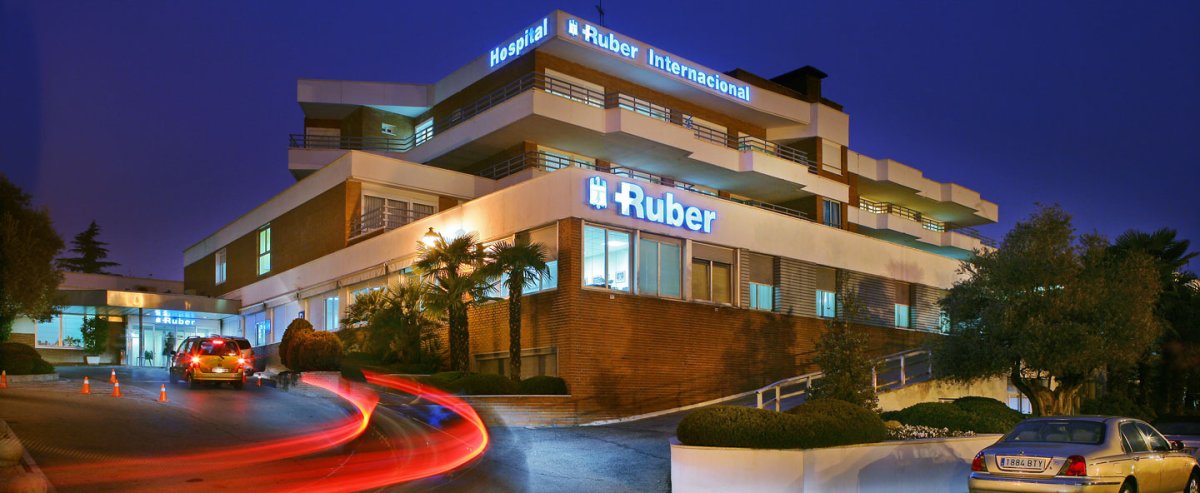
Discover the Best Transurethral microwave therapy (TUMT) Clinics in Spain: 1 Verified Option and Prices


Transurethral microwave therapy (TUMT) Overview in Spain
Day 1 - Arrival
- Arrive at the hospital for admission.
- Complete necessary paperwork and registration.
Day 2 - Pre-operation
- Consult with the urologist about the procedure.
- Undergo necessary medical tests for preoperative evaluation.
- Discuss allergies, medications, and medical history with anesthesiologist.
Day 3 - Transurethral microwave therapy (TUMT)
- Begin the procedure under local or general anesthesia.
- A catheter is inserted to deliver microwave energy to prostate.
- Procedure typically lasts one hour.
- Rest and recover in the post-operative care unit.
Day 4 - Post-operation
- Monitor for possible complications in the hospital.
- Learn about catheter care for home management.
Day 5 - Discharge
- Be discharged from the hospital.
- Receive instructions about post-operative care at home.
Week 1-2 - Rehabilitation
- Limit physical activities to promote healing.
- Manage urinary symptoms with medications if needed.
Week 3-4 - Rehabilitation
- Gradually resume normal activities.
- Follow-up visit with urologist for evaluation.
Week 5-6 - Rehabilitation
- Return to work and other regular activities.
- See the final results of the procedure.
Please note that individual experiences may vary based on personal health condition and recovery rate.
- Bookimed deposit: $200 or €200.
- Clinic deposit: Pay a set percentage in advance.
Our Doctors
View all Doctors
Josep Torremade Barreda
Leading specialist in urology with a dedicated focus on andrology – Dr. Torremade heads the Andrology Department at Teknon Medical Centre.
- 18 years experience in urology, including andrology and reproductive medicine
- Head of Andrology at two major hospitals – Bellvitge University and Hospital Clínic of Barcelona
- European Board of Urology certified with international training
- Editor of the International Journal of Andrology
Antonio Alcaraz Asensio
The doctor is a highly distinguished urologist and uro-oncologist specializing in complex surgical treatments for prostate, kidney, and bladder cancers. With extensive expertise in robotic and laparoscopic surgery, the doctor has been instrumental in advancing minimally invasive urological techniques, including the implementation of the Da Vinci robotic system. The doctor currently leads the Urology Department at Centro Médico Teknon and serves as the Head of the Urology and Kidney Transplant Department at Hospital Clínic de Barcelona.
Recognized as one of the 100 best doctors in Spain by Forbes, the doctor combines academic excellence from the University of Barcelona and the Mayo Clinic with a focus on high-precision oncological care and kidney transplantation.
Sven Jorg Petry
The doctor is a highly experienced urology specialist serving as the Head of the Urology Department at Hospital Quirónsalud Torrevieja since 2017. With a medical degree and specialization from Johannes Gutenberg University in Germany, the doctor has extensive clinical experience dating back to 2007. The doctor's expertise encompasses oncological urology, prostate diseases, and complex urinary tract conditions.
A key focus of the doctor's practice is robotic urological surgery, specifically utilizing the Da Vinci surgical system for prostate cancer procedures. The doctor has contributed to academic literature, including chapters in Differentialdiagnose Urologie, and maintains a strong focus on providing high-quality care for both local and international patients.

Navarro Vilches
Trained at Memorial Sloan-Kettering Cancer Centre in New York – Dr. Vilches specializes in advanced urologic procedures at Quirónsalud Marbella.
- Head of Urology Unit at Quirónsalud Marbella since 2019
- Expert in lower urinary tract and pelvic floor surgery
- Co-founder of the Urologic Surgery Institute of Malaga
- Member of the Renal Transplant Unit at Carlos Haya Hospital
Video Stories from Bookimed Patients
Reviews about Bookimed: Discover Patients' Insights
All reviewsShare this content
 Anna Leonova

FAQ about Transurethral microwave therapy (TUMT) in Spain
Is TUMT considered a major surgery in Spain?
TUMT is not considered major surgery in Spain. It is a minimally invasive, outpatient procedure used to treat urinary symptoms from an enlarged prostate (BPH). Spanish urologists perform this without a hospital stay, using microwave energy to reduce prostate tissue safely.
- Procedure type: Classified as a minor, catheter-based outpatient treatment for prostate enlargement.
- Surgical approach: No incisions are required, making it an alternative to invasive TURP surgery.
- Typical setting: Performed in specialized clinics or hospital units without overnight hospitalization.
- Patient suitability: Ideal for patients with health conditions that make major surgery too risky.
Bookimed Expert Insight: While TUMT is less invasive, modern Spanish clinics increasingly favor advanced alternatives. Facilities like Hospital Ruber Internacional utilize Da Vinci Xi technology for more precise outcomes. Many patients now choose laser or robotic options over legacy microwave therapies for better long-term results.
Patient Consensus: Patients often describe the process as feeling more like a routine procedure than surgery. However, many remind others that recovery still involves temporary catheter use and some urinary irritation.
Who is a candidate for TUMT?
Candidates for transurethral microwave therapy (TUMT) are typically men with mild to moderate urinary symptoms caused by an enlarged prostate (BPH). This procedure suits patients with a prostate size of at least 20 grams who seek alternatives to lifelong medication or invasive surgeries.
- Symptom profile: Ideal for men experiencing frequency, urgency, or incomplete bladder emptying symptoms.
- Surgical risk: Excellent option for high-risk patients who cannot undergo anesthesia or traditional surgery.
- Medication status: Suitable for those who find BPH medications ineffective or experience significant side effects.
- Health priorities: Preferred by candidates wanting to avoid risks like bleeding or erectile dysfunction.
Bookimed Expert Insight: While TUMT remains a valid option in Spain, our data shows a shift toward newer techniques. Clinics like Hospital Ruber Internacional utilize advanced technologies such as Da Vinci Xi for complex cases. Doctors like Javier Romero Otero specialize in diverse prostatic pathologies, often offering precise alternatives that provide more predictable long-term results than microwave therapy.
Patient Consensus: Patients often choose this route to avoid the operating room. Most prioritize the lower risk of side effects, even if symptom relief takes longer to appear.
How does TUMT compare to traditional TURP in Spain?
Transurethral microwave therapy (TUMT) in Spain offers a minimally invasive alternative to traditional TURP for benign prostatic hyperplasia. While TURP remains the gold standard for long-term symptom relief, TUMT provides a safer profile with fewer sexual side effects and lower risks of bleeding.
- Procedure complexity: TUMT is less invasive, causing fewer strictures and eliminating TURP syndrome risks.
- Functional outcomes: Microwave therapy effectively preserves sexual function and reduces retrograde ejaculation incidence.
- Clinical effectiveness: Traditional TURP offers superior urine flow improvement and long-term symptom reduction.
- Retreatment rates: Patients receiving TUMT more frequently require secondary procedures compared to TURP.
Bookimed Expert Insight: Spain ranks among our top 3 destinations for urology, with clinics like Hospital Ruber Internacional holding JCI accreditation. Data suggests patients often choose Madrid for specialists like Dr. Javier Romero Otero, who leads R&D in male health. While TUMT costs $3,600 to $5,400, choosing a high-volume center ensures access to advanced technologies like Da Vinci Xi if a minimally invasive approach needs escalation.
Patient Consensus: Patients prioritize personalized advice based on prostate size and regional availability, as outcomes vary significantly between Spanish medical facilities. Direct consultation with Spanish urology specialists remains the most reliable way to determine the best clinical fit.
How long does recovery take?
Recovery from transurethral microwave therapy (TUMT) in Spain typically requires 1 to 2 days of immediate rest. Most patients return to normal activities within 3 to 7 days. Full internal healing and stabilization of urinary symptoms generally occur within 2 to 4 weeks.
- Immediate rest: Take 1 to 2 days of quiet recovery at home after the procedure.
- Work return: Resume non-physical work roles within 3 to 5 days of treatment.
- Symptom stabilization: Allow 2 to 4 weeks for urinary flow to reach optimal levels.
- Physical activity: Avoid strenuous exercise or heavy lifting for at least 1 week.
Bookimed Expert Insight: While TUMT remains available, Spain's leading urologists at centers like Hospital Universitario HM Sanchinarro often suggest newer alternatives. Procedures like Rezum water vapor therapy offer similar recovery times with potentially better long-term outcomes for prostatic pathology. Professional consultants can help you compare these options with legacy technologies.
Patient Consensus: Patients recommend planning for a few days of downtime and keeping a catheter diary if needed. Most report a swift transition back to daily life with gradual improvement in symptoms over the first month.
Where can I find reputable urologists for TUMT in Spain?
Reputable urologists for TUMT in Spain are found at JCI-accredited centers in Madrid, Barcelona, and Marbella. Specialists like Dr. Javier Romero Otero at HM Sanchinarro and Dr. Josep Torremade Barreda at Centro Médico Teknon lead departments focusing on advanced prostatic pathology and minimally invasive treatments.
- Specialist credentials: Look for members of the Spanish Association of Urology (AEU) for certified expertise.
- Hospital accreditation: Facilities like Hospital Ruber Internacional hold JCI and ISO safety certifications.
- Advanced technology: Top clinics utilize CyberKnife and Da Vinci Xi systems for complex prostate care.
- Clinical research: Leading doctors like Dr. Romero Otero have published 70+ urological research papers.
Bookimed Expert Insight: While TUMT remains available, Spain's top urology units often prioritize newer alternatives like HoLEP or GreenLight laser. Data shows high-volume centers like HM Sanchinarro or Teknon handle complex BPH cases with diverse robotic and thermal tools. Confirming which technology best suits your prostate volume before traveling ensures better outcomes.
Patient Consensus: Patients often recommend verifying if TUMT is the preferred approach with the Spanish Urology Association. Many suggest seeking a primary care referral to access specialized BPH units in major cities.