Heel Spur treatment in Thailand — get 3 personalized clinic matches

Medically reviewed by
Kayhan Turan
How it works
What's the Cost of Heel Spur Diagnosis and Treatment in Thailand?
Best Heel Spur Treatment Centers in Thailand: 4 Verified Options and Prices
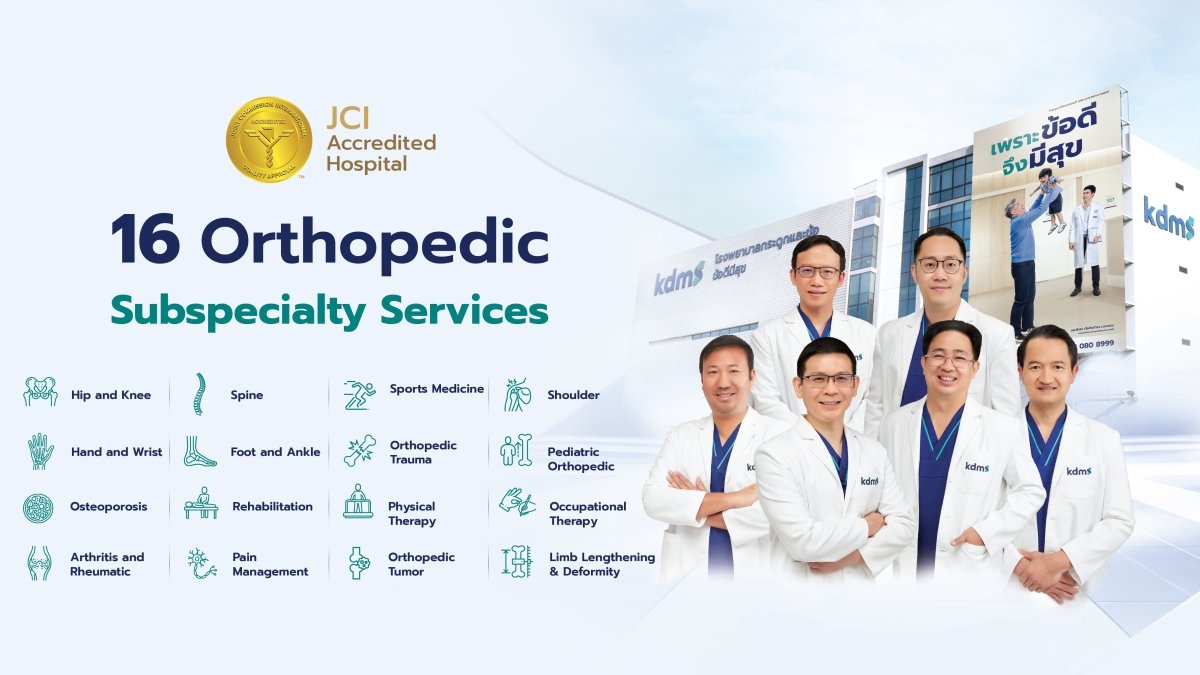

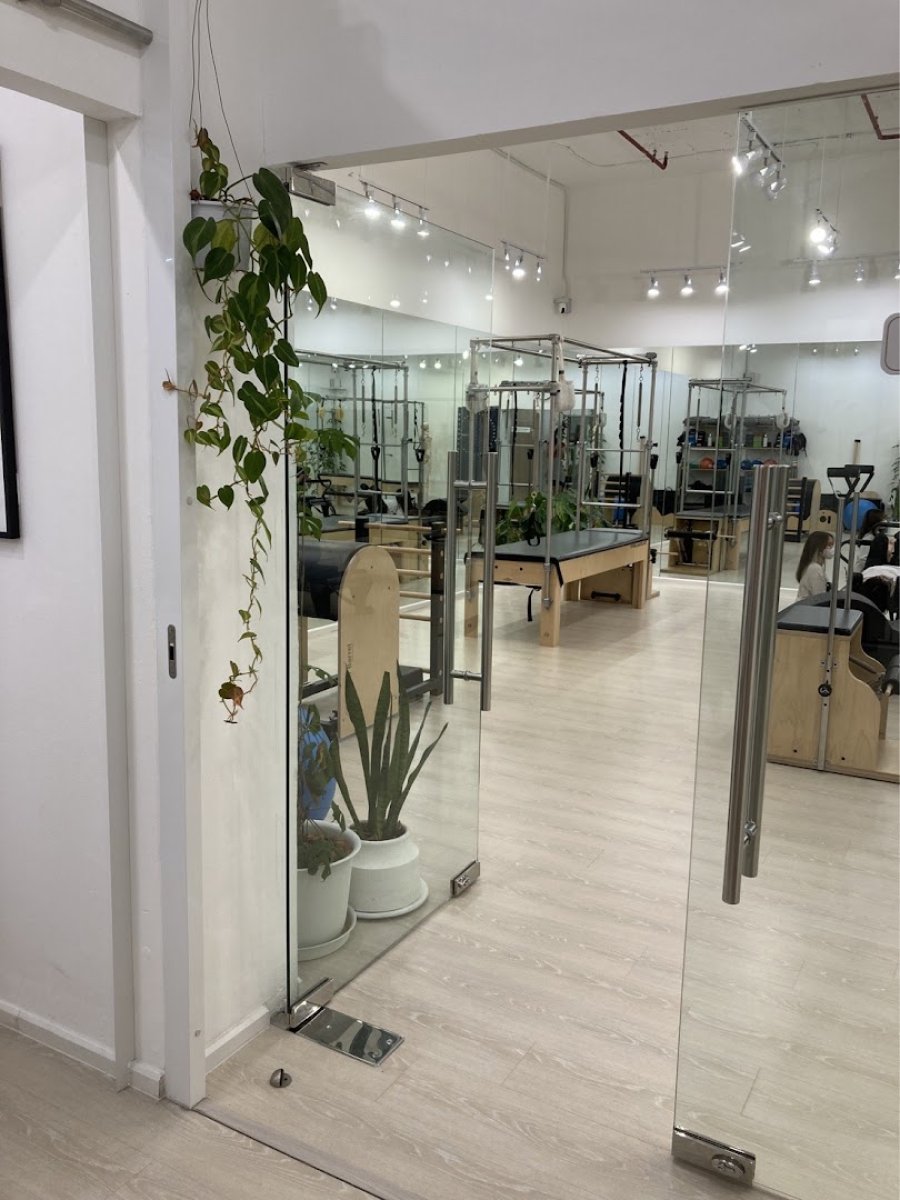
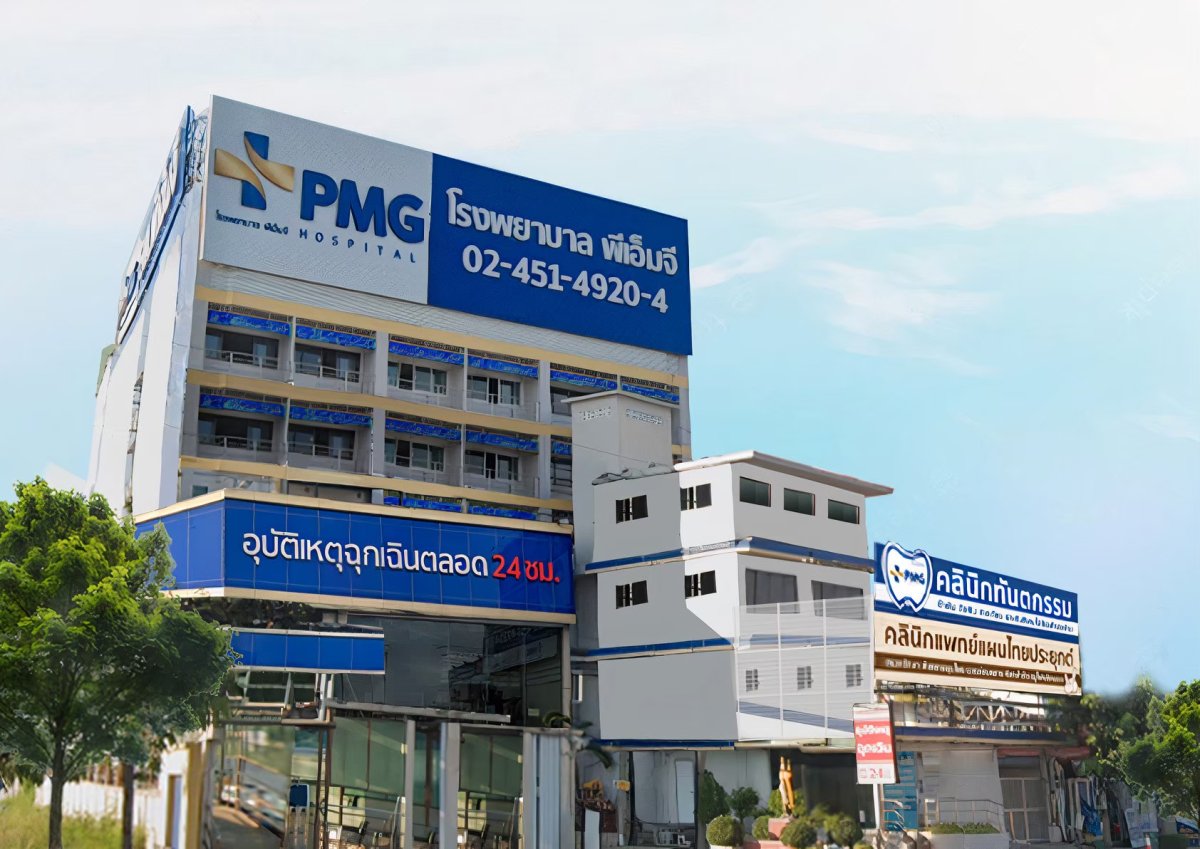

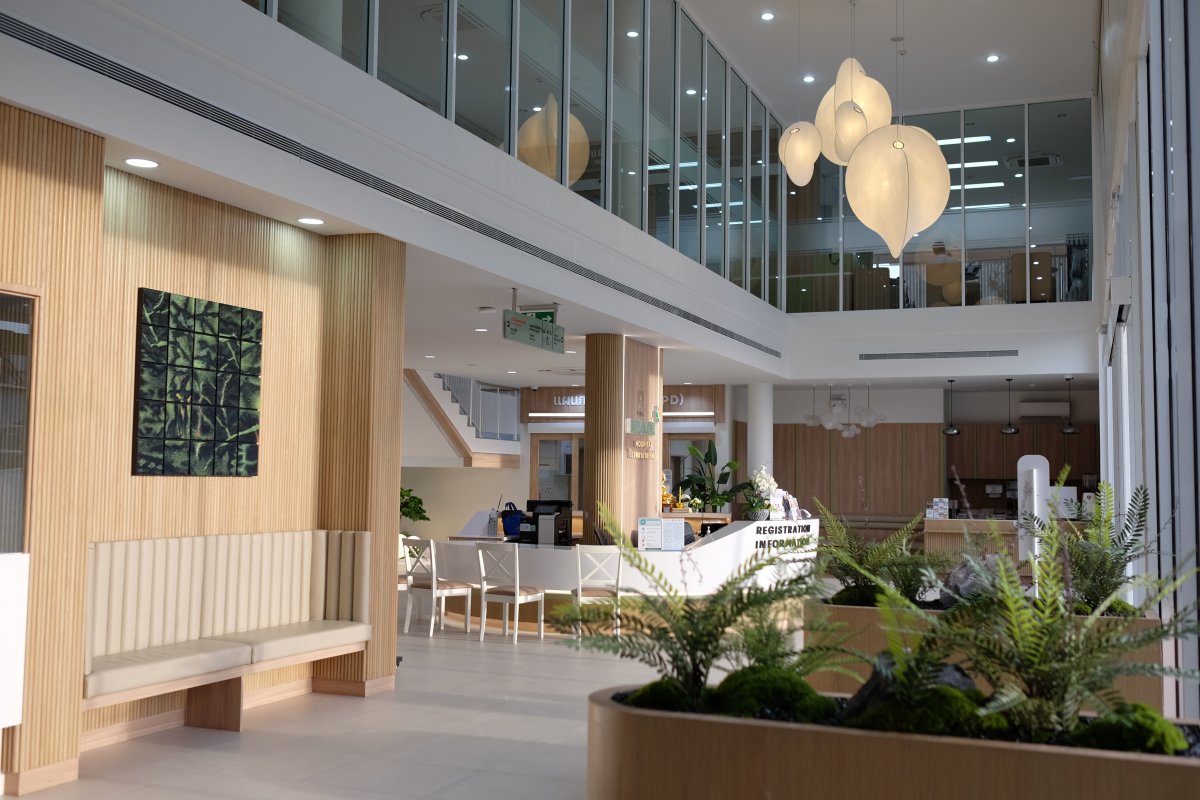
LUX KOR Hospital

Get a Medical Assessment for Heel Spur in Thailand: Consult with Experienced Doctors Now
View all Doctors
Pongsathorn Sitthisen
Board-certified orthopedic surgeon with sub-specialty training in Hand and Upper Extremity Surgery at prestigious institutions like Ramathibodi and Chulalongkorn Universities.
- Expert in treating tendon injuries, fractures, and nerve compression
- Specializes in reconstructive microsurgery for optimal functional outcomes
- Known for surgical precision and patient-centered care approach
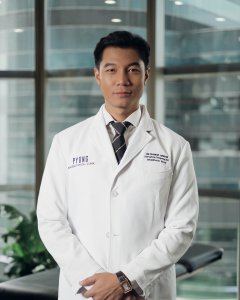
Kantaphong Thongrong
Dr. PYONG specializes in non-invasive heel spur treatments, integrating advanced laser therapy and ultrasound-guided techniques for precise pain management.
- Board-certified physiatrist with expertise in chronic pain management
- Uses state-of-the-art robotic and wearable exoskeleton technologies
- Head of Rehabilitation at King Mongkut Chaokhunthahan Hospital
- Founder of PYONG Rehabilitation Group, focusing on innovative treatments
Pradab Pradasuk
Dr. Pradab Pradasuk is an orthopedic surgeon at Navamin 9 Hospital in Bangkok. He specializes in arthroscopy, knee reconstruction, and complex spine surgery. Dr. Pradasuk performs endoscopic discectomy and spinal fusion with instrumentation. He works at a JCI-accredited facility that treats 30,000 patients annually.
- Performs ACL surgery, meniscectomy, and total knee arthroplastic.
- Treats shoulder rotator cuff tears and performs ankle joint replacements.
- Manages fractures of the pelvis, spine, and forearm.
- Provides specialized rehabilitation using the Re-Step system.
Benjaporn Ngamratchada
Benjaporn Ngamratchada is an experienced physiotherapist and Pilates specialist. She is the Clinic Manager at Le Physio Clinic and a Senior Physio Pilates Instructor at The Balance Pilates. She graduated with first-class honors in Physical Therapy from Mae Fah Luang University. She holds professional license no. 12676.
Her expertise includes musculoskeletal injuries, post-operative rehabilitation, and sports recovery. She combines Manual Therapy and Myofascial Release with Clinical Pilates. She treats complex cases such as scoliosis and herniated nucleus pulposus. She also provides prenatal, postnatal, and elderly care with a focus on long-term results.
Share this content
Video Stories from Bookimed Patients
 Anna Leonova
Expert Overview about Heel Spur Treatment in Thailand
What is the success rate of PRP injections for heel spurs in Bangkok?
Bangkok orthopedic centers report high long-term success with PRP injections for chronic heel pain. Studies show PRP is superior to corticosteroids for lasting relief. Most patients see significant pain reduction within 6 to 12 months. Specialists often recommend a series of 2 to 3 sessions.
- Symptom reduction: Patients report significant improvements in pain scores and reduced fascia thickness.
- Long-term efficacy: PRP provides better long-term pain control compared to standard steroid injections.
- Clinical protocol: Treatment typically involves 2 to 3 injections spaced 3 to 4 weeks apart.
- Advanced guidance: Specialized centers often utilize ultrasound-guided interventions to ensure precision during the procedure.
Bookimed Expert Insight: Bangkok is a prime destination for musculoskeletal care as it hosts Thailand's first dedicated orthopedic-only hospital, KDMS. While many general hospitals offer PRP, Choosing a facility like KDMS or specialists at Navamin 9 Hospital ensures access to focused orthopedic teams. These centers handle over 1,000 patients annually and use precise diagnostic tools like MRI and CT scans to confirm if the pain stems from the spur itself or the surrounding fascia before proceeding with treatment.
Patient Consensus: Patients note that PRP works best for chronic inflammation rather than the physical bone spur itself. Many highlight that results improve when combined with structured physiotherapy and specialized rehabilitation.
How long is the recovery time after heel spur surgery in Thailand?
Recovery time for heel spur surgery in Thailand generally ranges from 2 to 4 weeks for minimally invasive procedures. Most patients regain full mobility within 3 to 6 months. Early recovery involves rest and elevation. Initial sutures are typically removed 10 to 14 days post-operation.
- Initial recovery: Patients often resume light walking within 2 weeks with limited activity.
- Walking support: Full weight-bearing without discomfort usually occurs around the 3-week mark.
- Full activity: High-impact sports like running require a 3 to 6 month healing period.
- Wound care: Thai specialists recommend staying 10+ days locally for essential suture removal.
Bookimed Expert Insight: Thailand offers a unique advantage for orthopedic recovery through specialized centers like KDMS Specialized Orthopedic Hospital. This facility is the first dedicated orthopedic-only hospital in Thailand. Their focus on skeletal health means recovery protocols are highly streamlined compared to general hospitals. Choosing a specialized center can ensure access to 50+ orthopedic doctors and specific co-treatment spaces designed for post-surgical mobility.
Patient Consensus: Patients emphasize the need to budget for specialized walking boots or crutches during the first month. Many note that while they could walk early, full pain relief and a normal gait took several months to return.
Are there specialized orthopedic centers for heel spurs in Bangkok?
Bangkok hosts specialized orthopedic centers focusing on bone and joint health. Facilities like KDMS Specialized Orthopedic Hospital serve as dedicated orthopedic hubs. Patients access advanced diagnosis and therapy for heel spurs using minimally invasive techniques, MRI imaging, and specialized rehabilitation programs.
- Specialized facility: KDMS is Thailand's first hospital dedicated exclusively to orthopedics.
- Expert surgeons: Dr. Pradab Pradasuk at Navamin 9 Hospital performs complex foot reconstruction.
- Advanced diagnostics: Centers utilize MRI, CT scans, and X-rays for precise spur identification.
- Integrated therapy: Clinics like Le Physio provide specialized physical therapy for conservative management.
Bookimed Expert Insight: Bangkok's orthopedic landscape is shifting toward hyper-specialization. While many large hospitals have orthopedic departments, KDMS Hospital operates as a dedicated orthopedic-only facility with co-treatment spaces. This specialized focus helps manage 1,000 patients yearly with high efficiency. For the best outcomes, I recommend selecting clinics that offer both surgical expertise and dedicated physical therapy, as experts like Benjaporn Ngamratchada often combine manual therapy with clinical pilates for long-term relief.
Patient Consensus: Patients note it's important to request a foot and ankle specialist specifically. They suggest starting with conservative treatments like custom orthotics and physiotherapy before considering any surgical options.
Does Thailand offer robotic or minimally invasive heel surgery?
Thailand offers advanced minimally invasive surgery for heel spurs and related foot conditions across major Bangkok centers. Highly specialized facilities like KDMS Specialized Orthopedic Hospital utilize robotic-assisted technology and endoscopic techniques. These methods ensure smaller incisions, reduced post-operative pain, and significantly faster recovery times.
- Robotic-assisted technology: KDMS Specialized Orthopedic Hospital uses robotic assistants for high-precision orthopedic procedures.
- Minimally invasive options: Surgeons perform endoscopic or percutaneous releases for plantar fascia and spurs.
- Specialized facility: KDMS is Thailand's first dedicated orthopedic-only hospital treating 1,000 patients annually.
- Expert surgical staff: Dr. Pradab Pradasuk at Navamin 9 Hospital provides over 20 years experience.
Bookimed Expert Insight: While patients often search for robotic surgery, advanced heel spur treatment in Thailand focuses on endoscopic techniques. Centers like KDMS specialize purely in orthopedics, offering more targeted care than general hospitals. Their dedicated co-treatment spaces allow for immediate integration of specialized rehabilitation post-surgery.
Patient Consensus: Patients note that doctors often prioritize endoscopic or ultrasound-guided procedures over robotics for heel issues. Most emphasize confirming whether the surgery targets the spur or the surrounding soft tissue.