Sleep Apnea Treatment in Thailand — Get 3 Personalized Clinic Matches


Medically reviewed by
Fahad Mawlood
What's the Cost of Sleep Apnea Diagnosis and Treatment in Thailand?
| Thailand | Turkey | Austria | |
|---|---|---|---|
| Sleep Apnea Surgery | ≈ $3,800 / ฿129,200 | from $1,500 / ฿51,000 | ≈ $7,500 / ฿255,000 |
Your Benefits and Guarantees with Bookimed
Transparent Prices & Flexible Installments
No hidden fees – just official clinic prices. Pay at the clinic for Sleep Apnea treatment and use a flexible installment plan if needed.
Verified Clinics & Doctors Only
Bookimed is committed to your safety. We only work with medical institutions that maintain high international standards in Sleep Apnea treatment and have the necessary licenses to serve international patients worldwide.
Free 24/7 Assistance
Bookimed offers free expert assistance. A personal medical coordinator supports you before, during, and after your treatment, solving any issues. You're never alone on your Sleep Apnea treatment journey.

Your personal Bookimed medical coordinator
- Supports you at every stage
- Helps choose the right clinic and doctor
- Ensures quick and convenient access to information
Best Sleep Apnea Treatment Centers in Thailand: 2 Verified Options and Prices


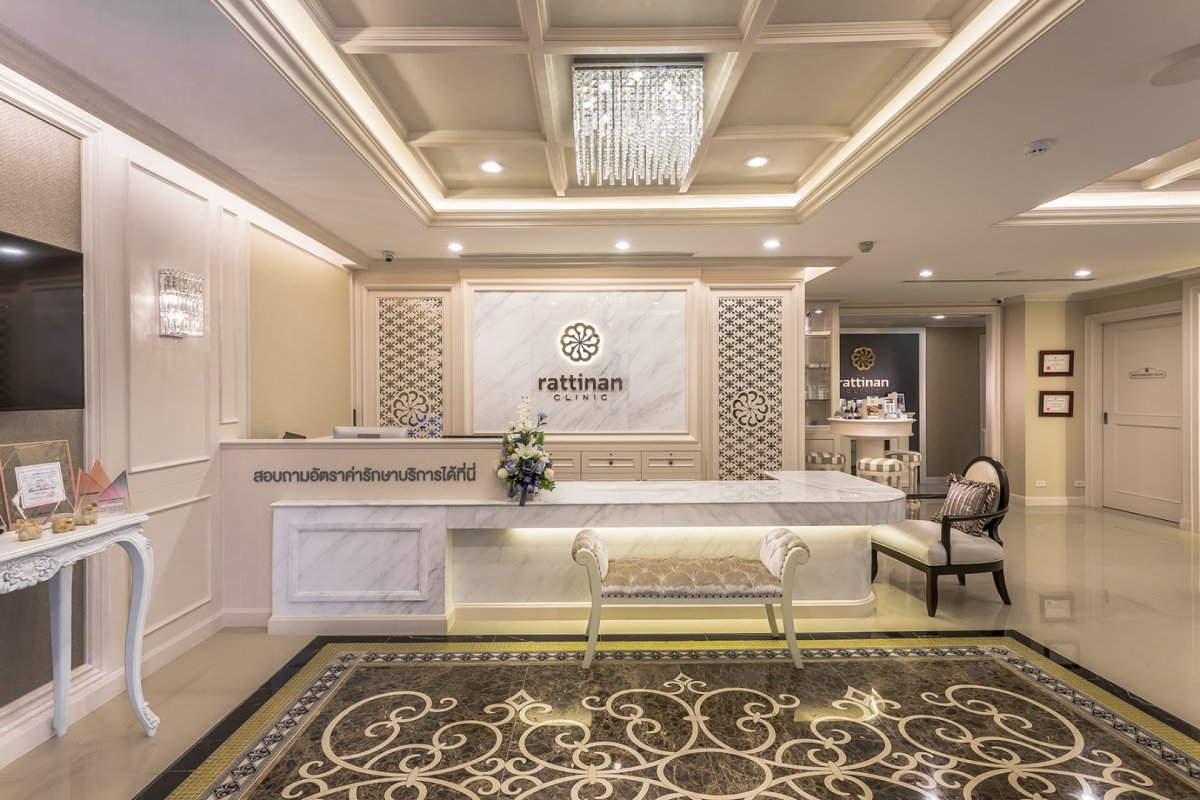
Rattinan Clinic
Get a Medical Assessment for Sleep Apnea in Thailand: Consult with Experienced Doctors Now
View all Doctors
Dr Prapas Teerakul
36 years specializing in otolaryngology – Dr Prapas Teerakul has performed 900+ treatments.
- Assistant Professor at Ramathibodi Hospital, Mahidol University
- Specializes in head and neck surgery
- Certified in Otolaryngology by Ramathibodi Hospital
- Rated 4 out of 5 by patients
Dr Chumpol Kakanant
Share this content
Video Stories from Bookimed Patients
 Anna Leonova

Expert Overview about Sleep Apnea Treatment in Thailand
What treatment options are available in Thailand for sleep apnea?
Thailand offers comprehensive sleep apnea treatments. Options include CPAP therapy, specialized oral appliances, and innovative surgeries. Leading facilities like Bumrungrad International and MedPark Hospital provide hypoglossal nerve stimulation. Patients also access laser airway widening and minimally invasive radiofrequency procedures at accredited Bangkok clinics.
- Non-surgical options: CPAP therapy remains the primary gold-standard treatment.
- Innovative implants: Hypoglossal nerve stimulation offers a mask-free surgical alternative.
- Laser treatments: Erbium:YAG laser sessions help reduce snoring and obstruction.
- Advanced diagnostics: Facilities perform polysomnography and home sleep apnea tests.
Bookimed Expert Insight: Thailand ranks 3 in our global medical travel destinations for sleep apnea seekers. Choosing an otolaryngologist like Dr. Prapas Teerakul at Intrarat Hospital is vital. Surgeons with head and neck specialties ensure airway reconstructions target the specific obstruction point. This approach yields better long-term breathing results than generic CPAP setups alone.
Patient Consensus: Patients emphasize testing CPAP tolerance during the day before sleeping with a mask. Many recommend exploring weight loss and custom dental appliances first to avoid invasive surgeries and recovery times.
Is it easy to obtain an accurate sleep study (polysomnography) as a visitor?
Obtaining an accurate sleep study in Thailand is easy for visitors. Private facilities offer streamlined access without the long wait times found in public systems. Specialized clinics in Bangkok provide comprehensive polysomnography. These centers use in-lab monitoring to ensure diagnostic precision.
- Expert oversight: Results are reviewed by board-certified specialists like Dr. Prapas Teerakul.
- Accreditation standards: International visitors should select Joint Commission International (JCI)-accredited hospitals for safety.
- Language accessibility: Major centers provide reports in English for easy use by home doctors.
- Wait times: Appointments are often available within days through the private healthcare sector.
Bookimed Expert Insight: While Thailand has 146 clinics, visitors often overlook the value of academic-affiliated specialists. Choosing a doctor who also holds a professorship, such as Dr. Prapas Teerakul at Intrarat Hospital, ensures your data is analyzed by someone involved in clinical research. This expertise is vital for distinguishing complex sleep apnea from simple snoring.
Patient Consensus: Patients note it is essential to arrive in the country 3 days before testing. This helps avoid jet-lag data errors and ensures the sleep study reflects your normal patterns.
Is Thailand a safe destination for sleep-apnea surgery and medical tourism in general?
Thailand is safe for sleep apnea surgery when performed at JCI-accredited facilities. The country follows rigorous Ministry of Public Health standards. Expert ENT surgeons often hold Western certifications. Advanced options like Hypoglossal Nerve Stimulation report over 70% success rates. Highly-rated centers maintain strict safety protocols.
- Accreditation standards: Over 60 Thai hospitals hold Joint Commission International (JCI) gold seal status.
- Advanced technology: Top-tier centers offer minimally invasive implants if CPAP therapy fails.
- Specialist expertise: Surgeons like Dr. Prapas Teerakul at Intrarat Hospital possess academic medical backgrounds.
- Regulatory oversight: Facilities are dual-regulated by the national Healthcare Accreditation (HA) Institute.
Bookimed Expert Insight: While many choose Thailand for its 146+ clinics, safety hinges on surgeon specialization. Our data shows that top outcomes come from academic-affiliated doctors like Dr. Prapas Teerakul. He serves as an Assistant Professor at Ramathibodi Hospital. This academic tie ensures access to the latest airway research. Always choose a physician who teaches the procedure they perform.
Patient Consensus: Patients value the English-speaking staff and high-end hospital rooms. Many recommend booking a video call first to discuss your specific airway scans.
Will my own CPAP machine work when I travel to Thailand?
Your CPAP machine will work in Thailand. Most modern devices handle dual voltage from 100V to 240V automatically. You do not need a voltage converter. However, you should bring a universal plug adapter to fit local Type C or O Thai outlets.
- Voltage compatibility: Most machines support the local 220V 50Hz standard.
- Plug adapters: Use Type A, B, or C universal adapters.
- Water supply: Use pharma-grade distilled water from Watsons or Boots pharmacies.
- Airline rules: CPAPs are medical devices and usually do not count as carry-on luggage.
Bookimed Expert Insight: Clinics in Bangkok like Intrarat Hospital have specialists such as Dr. Prapas Teerakul. He trained at Mahidol University and specializes in ENT and sleep surgery. Patients seeking a permanent cure for apnea often combine travel with surgical consultations. This ensures long-term results without needing a CPAP machine during future trips.
Patient Consensus: Travelers find that standard bottled water works temporarily. But they suggest buying distilled water at local pharmacies to prevent mineral buildup and machine damage. They also recommend packing a surge protector because power stability can vary in smaller rural towns.